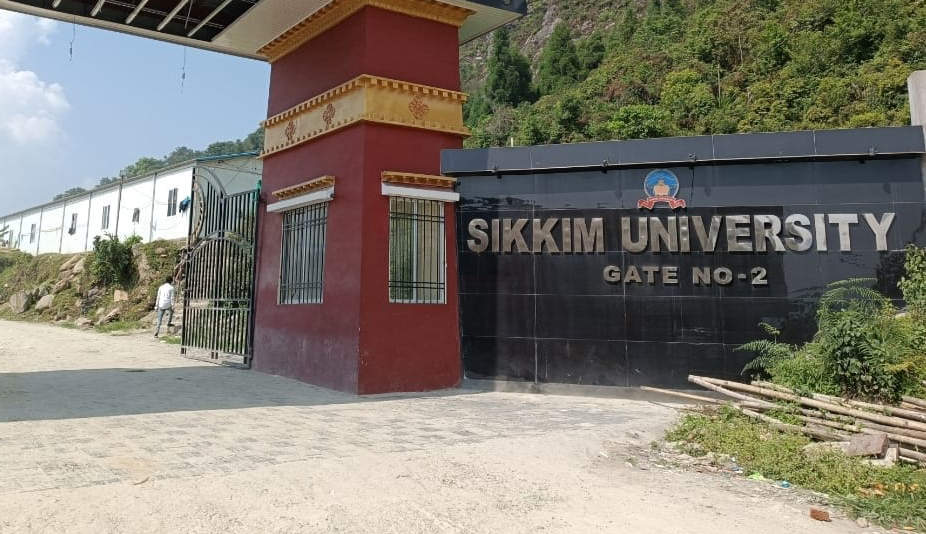
Ph.D. in History from Sikkim University: Eligibility, Entrance Exam, Fee Structure, Admission Process, Subjects, Research Areas, Syllabus, Scholarship & Career Scope
Introduction about Ph.D. in History at Sikkim University
The Doctor of Philosophy (Ph.D.) in History at Sikkim University offers an immersive research environment that blends the rich cultural heritage of the Eastern Himalayas with rigorous academic standards. Designed for scholars aiming to contribute original insights to historiography, the program encourages interdisciplinary approaches, critical analysis, and extensive fieldwork. Whether your interest lies in ancient South Asian civilizations, colonial studies, or contemporary socio‑political histories, Sikkim University provides the resources, mentorship, and scholarly community necessary to transform your research ambitions into a distinguished doctoral dissertation.
Ph.D Admission 2026-2027 & Writing Support Services by Shiksha Research
Eligibility Criteria for Ph.D. in History at Sikkim University
- Candidate must hold a Master’s degree (or equivalent) in History or a closely related discipline with a minimum aggregate of 55% (50% for SC/ST/OBC).
- Qualifying score in the university‑conducted entrance test or a nationally recognized exam such as UGC‑NET/CSIR‑NET.
- Age limit: No upper age restriction; however, candidates should possess a valid academic record and research aptitude.
- For foreign nationals, the equivalence of the Master’s degree must be verified by the University’s International Admissions Office.
Entrance Exam for Ph.D. in History at Sikkim University
The entrance examination evaluates both subject‑specific knowledge and research potential. It consists of two stages:
- Written Test: 100 multiple‑choice questions covering major historical periods, historiographical methods, and source analysis (2 hours).
- Interview & Proposal Presentation: Candidates present a concise research proposal and engage in a viva‑voce with the department faculty.
Applicants who have cleared UGC‑NET in History are exempted from the written test but must still attend the interview.
Fee Structure for Ph.D. in History at Sikkim University
| Component | Amount (INR) | Notes |
|---|---|---|
| Application Fee | 1,500 | Non‑refundable, payable online |
| Admission Fee (once) | 10,000 | Includes registration and library access |
| Annual Tuition & Research Charges | 25,000 per year | For 3–5 years, depending on progress |
| Examination & Evaluation Fee | 5,000 | Paid at the end of each academic year |
| Miscellaneous (lab, fieldwork, etc.) | Varies | Based on specific research requirements |
Admission Process for Ph.D. in History at Sikkim University
- Online registration on the university portal and payment of the application fee.
- Upload scanned copies of academic transcripts, degree certificates, and a draft research proposal.
- Submission of qualifying exam scores (UGC‑NET/CSIR‑NET) if applicable.
- Shortlisting of candidates for the written test or direct interview.
- Written test (if required) followed by interview and proposal defense.
- Final admission decision communicated via email; accepted candidates must confirm admission and pay the admission fee within 15 days.
Ph.D. Subjects and Specializations in History at Sikkim University
Sikkim University offers a broad spectrum of specializations within the History department:
- Ancient Indian History & Archaeology
- Medieval South Asian Polities
- Colonial and Post‑colonial Studies
- History of Himalayan Societies
- World History and Global Civilizations
- Historical Methodology & Theory
- Digital Humanities and Historical GIS
Research Areas in History at Sikkim University
Doctoral scholars can explore cutting‑edge research themes aligned with regional and global relevance:
- Trans‑Himalayan trade routes and cultural exchanges
- Indigenous knowledge systems and oral histories of the Eastern Himalayas
- Impact of British colonial policies on Northeast India
- Environmental history and climate change narratives
- Gender and social reforms in pre‑independence India
- Comparative studies of Buddhist and Hindu temple architecture
- History of migration, diaspora, and identity formation
Documents Required for Ph.D. in History at Sikkim University
| Document | Format | Remarks |
|---|---|---|
| Completed Application Form | PDF (uploaded) | Signed digitally |
| Academic Transcripts & Certificates | Scanned PDFs | Original + attested copies |
| Research Proposal (1500‑2000 words) | Word document | Include objectives, methodology, bibliography |
| UGC‑NET/CSIR‑NET Scorecard (if applicable) | Valid for the last 3 years | |
| Curriculum Vitae | Highlight publications & conference participation | |
| Two Academic Reference Letters | From professors familiar with your research potential |
Sikkim University Ph.D. Syllabus for History
The doctoral syllabus is structured into three progressive phases:
- Coursework (Year 1): Advanced seminars on historiography, research methods, and thematic modules based on chosen specialization.
- Comprehensive Examination (End of Year 2): Written and oral assessments covering both broad historical knowledge and specific research focus.
- Dissertation Phase (Years 3‑5): Original research, regular progress reviews, conference presentations, and final thesis submission.
How To Apply for Ph.D. in History at Sikkim University
Follow these step‑by‑step instructions to submit a successful application:
- Visit the official Sikkim University admissions portal and create a user account.
- Fill in personal details, academic background, and select “Ph.D. – History” as the program.
- Upload all required documents listed in the “Documents Required” section.
- Pay the non‑refundable application fee via Net Banking, credit card, or UPI.
- Submit the draft research proposal; ensure it aligns with the department’s current research interests.
- Monitor your email for shortlisting notifications and further instructions regarding the entrance exam or interview.
Career Scope and Job Opportunities After Ph.D. in History from Sikkim University
A doctorate in History opens diverse career pathways:
- Academia: Assistant Professor, Lecturer, or Research Fellow in universities and colleges across India and abroad.
- Research Institutes: Historian or Senior Researcher at national archives, cultural heritage organizations, and think‑tanks.
- Publishing & Media: Content strategist, editorial consultant, or author for academic journals, textbooks, and documentaries.
- Cultural Preservation: Conservation specialist for museums, UNESCO projects, and heritage sites.
- Public Policy & NGOs: Policy analyst focusing on education, cultural affairs, and social development.
- Digital Humanities: Data analyst, GIS specialist, or digital archivist blending technology with historical research.
Scholarship for Ph.D. in History at Sikkim University
Sikkim University, in collaboration with the Government of India and private foundations, offers several financial aids:
- University Merit Scholarship: Full tuition waiver for top‑ranked candidates based on entrance test performance.
- UGC Junior Research Fellowship (JRF): Annual stipend of INR 31,000 plus contingency grant.
- SC/ST/OBC Reserved Scholarships: Additional financial assistance and hostel facilities.
- External Grants: Opportunities through ICSSR, AHRC, and international research councils.
Applicants are encouraged to explore PhD Admission Assistance for tailored guidance on securing scholarships and funding.
FAQs Regarding Ph.D. in History at Sikkim University
- Q1: What is the minimum duration to complete the Ph.D. in History?
- A: The program is designed for a minimum of three years and a maximum of five years, subject to satisfactory progress.
- Q2: Can I enroll part‑time while working?
- A: Yes, Sikkim University offers part‑time registration for eligible professionals, provided they meet the research supervision criteria.
- Q3: Is there a language requirement for the dissertation?
- A: The thesis must be submitted in English; however, primary source material in regional languages may be used with appropriate translation.
- Q4: How many publications are required before submission?
- A: At least two peer‑reviewed journal articles or one book chapter is recommended, though not mandatory.
- Q5: Are there any collaborations with international universities?
- A: The department maintains MoUs with several foreign institutions for joint research projects and exchange programs.
Additional Services for Aspiring Scholars
Boost your application and research quality with professional support:




