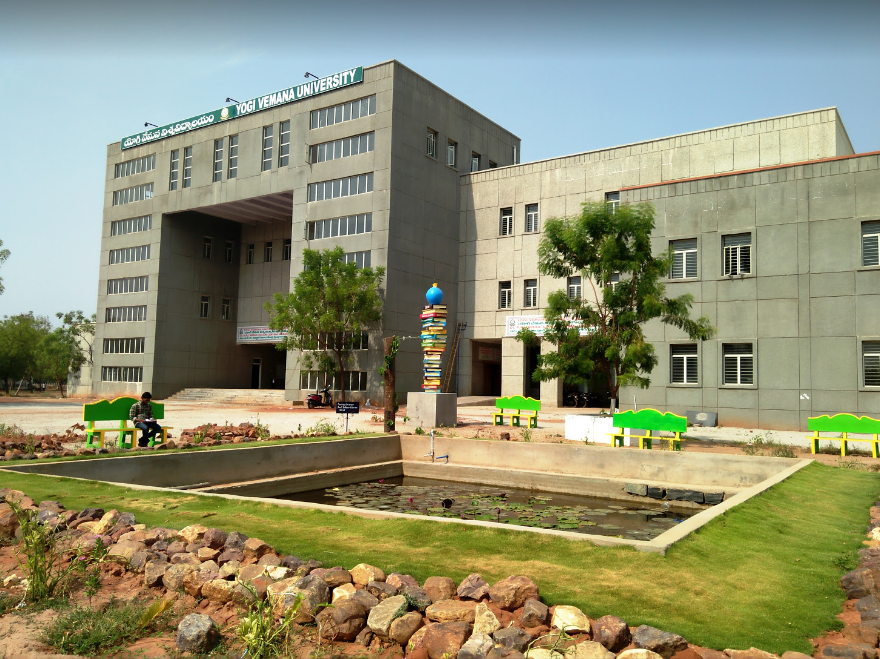
Introduction about Ph.D. in History at Yogi Vemana University
Embarking on a Ph.D. in History at Yogi Vemana University (YVU) is not merely an academic pursuit; it is a profound journey into the corridors of time, aimed at uncovering the intricate narratives that have shaped human civilization. Situated in the heart of Kadapa, Andhra Pradesh, Yogi Vemana University stands as a beacon of higher learning, fostering an environment where rigorous inquiry meets intellectual passion. For professionals seeking to transition from consumers of history to creators of historical knowledge, this program offers the perfect crucible for innovation. The Department of History at YVU is dedicated to nurturing scholars who can critically analyze the past to provide meaningful context for the present and future. By choosing this path, you commit to a legacy of excellence, archival discovery, and the pursuit of truth that transcends generations.
Ph.D Admission 2026-2027 & Writing Support Services by Shiksha Research
Eligibility Criteria for Ph.D. in History at Yogi Vemana University
To maintain high academic standards, Yogi Vemana University sets specific eligibility criteria for its doctoral candidates. Prospective scholars must possess a Master?s degree (M.A.) in History or a closely related discipline from a recognized university. A minimum of 55% aggregate marks is generally required for general category candidates, while a relaxation of 5% (bringing it to 50%) is extended to candidates belonging to SC, ST, and OBC (non-creamy layer) categories, or those who are physically challenged. Furthermore, candidates who have already cleared national-level examinations such as UGC-NET (including JRF), CSIR-NET, SLET, or possess an M.Phil. degree may be exempted from certain stages of the entrance test, though they must still undergo the formal interview process. This ensures that the cohort consists of individuals with proven academic merit and a deep-seated commitment to historical research.
Entrance Exam for Ph.D. in History at Yogi Vemana University
The gateway to the doctoral program is the Yogi Vemana University Research Entrance Test (YVURESET). This examination is designed to test not only your factual knowledge of historical events but also your analytical capabilities and research aptitude. The test typically consists of two segments: the first focusing on Research Methodology and General Aptitude, and the second focusing on subject-specific knowledge in History. Navigating this exam requires a strategic approach; candidates are expected to demonstrate proficiency in historiography, ancient, medieval, and modern Indian history, as well as world history. For those aiming to excel in their initial proposal phase, utilizing professional Thesis and Dissertation Writing Services can be immensely beneficial in structuring their academic vision before even sitting for the entrance hurdles.
Fee Structure for Ph.D. in History at Yogi Vemana University
Understanding the financial commitment is essential for professionals planning their academic advancement. The fee structure at Yogi Vemana University is designed to be affordable while ensuring that the university provides world-class facilities and resources. Below is an approximate breakdown of the costs involved in the Ph.D. journey.
| Fee Category | Estimated Amount (INR) - Per Annum/One-time |
|---|---|
| Admission/Registration Fee | ?5,000 - ?8,000 (One-time) |
| Tuition Fee (Full-time) | ?10,000 - ?15,000 (Annual) |
| Library & Laboratory Fee | ?2,000 - ?4,000 (Annual) |
| Thesis Submission Fee | ?10,000 - ?12,000 (At the time of submission) |
| Examination Fee | ?3,000 (Per Semester/Trial) |
Note: Fees are subject to revision by the university administration. It is recommended to check the official notification for the most current figures.
Admission Process for Ph.D. in History at Yogi Vemana University
The admission process at YVU is rigorous and transparent, ensuring that only the most dedicated scholars are selected. It begins with the release of the official notification for YVURESET, followed by the online application phase. Once the entrance exam is conducted, a merit list is prepared based on the scores. Shortlisted candidates are then invited for a comprehensive interview or "Viva-Voce." During this interaction, the departmental research committee evaluates the candidate's research proposal, their depth of understanding in their chosen area of specialization, and their overall readiness for long-term independent study. Success in the admission process requires a clear, well-articulated research problem. Scholars who find the technical aspects of research design challenging often seek Questionnaire Design and Development support to ensure their field-work methodology is sound from the outset.
Ph.D. Subjects and Specializations in History at Yogi Vemana University
The Department of History offers a diverse array of specializations, allowing researchers to choose a path that aligns with their personal interests and professional goals. These specializations are designed to bridge the gap between regional narratives and global historical trends. The primary areas of study include:
- Ancient Indian History and Culture: Insights into early civilizations, Vedic culture, and the evolution of social structures.
- Medieval Indian Studies: Examination of the sultanates, empires, and the socio-economic transformations during the middle ages.
- Modern Indian History: Focusing on colonial expansion, the freedom struggle, and post-independence development.
- Socio-Economic History: Analyzing the evolution of trade, currencies, and social classes.
- Art, Architecture, and Epigraphy: A study of monuments, temple architecture, and ancient inscriptions found in South India.
Research Areas in History at Yogi Vemana University
Research at YVU is characterized by its multidisciplinary approach and its focus on the Rayalaseema region's rich heritage alongside broader historical themes. Current research areas encouraged by the faculty include Local and Regional History, Women's History, Agrarian Studies, and the History of Science and Technology in ancient India. To contribute original findings in these areas, scholars often have to handle large volumes of quantitative and qualitative data. For those working on economic history or demographic shifts, utilizing Research Data Analysis Services is crucial to interpret records and archival data with statistical precision, ensuring that the conclusions drawn are both valid and impactful.
Documents Required for Ph.D. in History at Yogi Vemana University
Candidates must ensure they have the following documentation ready during the admission and registration process to avoid any administrative delays:
- Post-Graduate Degree Certificate and Mark sheets.
- Under-Graduate Degree Certificate and Mark sheets.
- Secondary School (10th) and Higher Secondary (12th) Certificates for proof of age.
- Valid Scorecard of YVURESET/UGC-NET/SLET/M.Phil.
- A detailed Research Proposal (Synopsis).
- Transfer Certificate (TC) and Migration Certificate.
- Caste Certificate (if applicable for reservation).
- Passport-size photographs and valid Government ID (Aadhar Card/PAN).
- No Objection Certificate (NOC) if the candidate is currently employed.
Yogi Vemana University Ph.D. Syllabus for History
The Ph.D. coursework at YVU is structured to provide a solid foundation for independent research. The syllabus typically covers:
- Part I: Research Methodology: This includes historical methods, techniques of data collection, archival research, and ethics in historical writing.
- Part II: Historiography: A study of different schools of historical thought, including Nationalist, Marxist, Subaltern, and Post-modernist perspectives.
- Part III: Advanced Studies in History: Specialized content related to the candidate's specific area of research (e.g., intensive study of the Vijayanagara Empire or the Indian National Movement).
- Part IV: Documentation and ICT: Training on how to use digital libraries, databases, and software for organizing research notes and bibliographies.
How To Apply for Ph.D. in History at Yogi Vemana University
The application process is predominantly online, through the official Yogi Vemana University website. Follow these steps for a successful submission:
- Registration: Visit the university's research portal and create a profile using your email and phone number.
- Form Completion: Fill in your academic details and personal information. Ensure that your specialization preference is clearly stated.
- Uploading Documents: Scan and upload the required documents as per the specified file sizes and formats.
- Application Fee: Pay the required examination/application fee through the integrated online payment gateway.
- Submission: Review the application carefully and submit. Download and print the confirmation page and hall ticket for future reference.
During the application phase, if you are planning to publish preliminary findings to bolster your profile, you may consider engaging Research Paper Writing Services to ensure your initial publications meet peer-reviewed standards.
Career Scope and Job Opportunities After Ph.D. in History from Yogi Vemana University
Earning a Ph.D. opens doors to prestigious career paths that go far beyond the classroom. Scholars from YVU are highly sought after due to the university's reputation for academic rigor. Potential career paths include:
- Academia: Professors, Lecturers, and Researchers at universities and colleges worldwide.
- Archives and Museums: Curators, Archivists, and Conservationists managing historical records and artifacts.
- Public Service: Historical consultants for government projects, policy analysts, and roles in the Indian Administrative Services (IAS).
- Research Institutions: Fellows at organizations like ICHR (Indian Council of Historical Research).
- Travel and Tourism: Expert consultants for heritage tourism and cultural heritage management.
- Media and Journalism: Historical consultants for documentaries, films, and specialized history reporting.
Scholarship for Ph.D. in History at Yogi Vemana University
Yogi Vemana University supports its research scholars through various financial aid programs. Full-time Ph.D. students who have cleared UGC-NET/JRF are eligible for the Junior Research Fellowship (JRF), which provides a substantial monthly stipend. Additionally, the State Government of Andhra Pradesh offers scholarships for candidates belonging to disadvantaged socio-economic backgrounds. The university may also provide University Research Fellowships (URF) based on the availability of funds and student merit. These financial supports are vital for allowing scholars to focus entirely on their intellectual contributions without the burden of financial strain.
FAQs Regarding Ph.D. in History at Yogi Vemana University
Q1: Can I pursue a Ph.D. in History while working?
A: Yes, YVU offers part-time Ph.D. options for working professionals, provided they submit an NOC from their employer and meet the residency requirements during coursework.
Q2: What is the duration of the Ph.D. program?
A: The program generally lasts between 3 to 6 years, depending on the progress of the research and the nature of the thesis.
Q3: Is there an entrance exemption for NET qualified candidates?
A: Yes, candidates with UGC-NET (JRF)/CSIR-NET/SLET are often exempt from the written entrance exam but must appear for the interview.
Q4: How important is the research proposal?
A: The research proposal is critical. It demonstrates your ability to identify a gap in existing historical literature and suggests a viable methodology to address it.
Q5: Does the university provide assistance in publishing research?
A: While the university provides guidance through supervisors, scholars are encouraged to independently publish in reputable journals and may seek external professional editing if needed.




