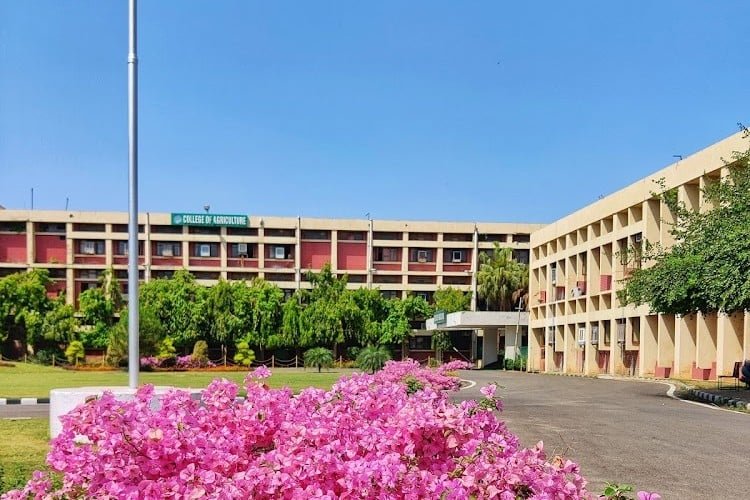
Ph.D. in Horticulture from Punjab Agricultural University: Eligibility, Entrance Exam, Fee Structure, Admission Process, Subjects, Research Areas, Syllabus, Scholarship & Career Scope
Introduction about Ph.D. in Horticulture at Punjab Agricultural University
Pursuing a Ph.D. in Horticulture at Punjab Agricultural University (PAU) is a transformative journey for scholars dedicated to advancing global food security and sustainable agricultural practices. As a pioneer in the Green Revolution, PAU offers a rigorous research environment that blends traditional botanical expertise with cutting-edge molecular biotechnology. Whether you are aiming to innovate in fruit production, vegetable science, or floriculture, the university provides the intellectual infrastructure to turn your academic vision into a reality. For those navigating the complexities of their doctoral journey, our professional Thesis and Dissertation Writing Services are designed to help you articulate your findings with scholarly precision.
Ph.D Admission 2026-2027 & Writing Support Services by Shiksha Research
Eligibility Criteria for Ph.D. in Horticulture at Punjab Agricultural University
To qualify for the doctoral program, candidates must hold a Master?s degree in Horticulture or related fields from a recognized university. A minimum OGPA (Overall Grade Point Average) or percentage as prescribed by the university is mandatory. Applicants must demonstrate academic excellence, often supplemented by a strong background in agricultural research methodologies. Many candidates find that utilizing Research Paper Writing Services early in their academic career helps them meet the publication requirements necessary for high-level doctoral enrollment.
Entrance Exam for Ph.D. in Horticulture at Punjab Agricultural University
Admission to the Ph.D. program is competitive and typically based on a university-conducted entrance examination. The test evaluates the candidate's mastery of core horticultural subjects, including plant physiology, breeding, and post-harvest technology. The examination format usually includes objective-type questions designed to test both theoretical knowledge and logical aptitude in agricultural science.
Fee Structure for Ph.D. in Horticulture at Punjab Agricultural University
The fee structure at PAU is designed to be accessible while maintaining world-class research facilities. Below is a representative overview of the annual investment required for the program:
| Fee Component | Annual Amount (Approx.) |
|---|---|
| Tuition Fee | INR 45,000 - 55,000 |
| Laboratory & Library Fees | INR 15,000 - 20,000 |
| Examination Fees | INR 5,000 |
| Total (Approx.) | INR 65,000 - 80,000 |
Admission Process for Ph.D. in Horticulture at Punjab Agricultural University
The admission process involves multiple stages, starting with the submission of an online application form. Following the entrance exam, shortlisted candidates are invited for a counseling session and a personal interview. This interview evaluates the candidate's research interests and alignment with the department's ongoing projects. Having a well-structured research proposal is crucial, and students often rely on Research Data Analysis Services to ensure their preliminary data is robust enough for the admission panel.
Ph.D. Subjects and Specializations in Horticulture at Punjab Agricultural University
Students can specialize in various domains, including Pomology, Olericulture, Floriculture and Landscaping, and Post-Harvest Technology. Each specialization encompasses advanced coursework in plant breeding, biotechnology, and precision farming techniques.
Research Areas in Horticulture at Punjab Agricultural University
PAU is renowned for its state-of-the-art research. Key areas include climate-resilient horticulture, organic farming, genetic improvement of fruit crops, and the development of high-value ornamental plants. The university encourages interdisciplinary research that addresses the immediate needs of the farming community.
Documents Required for Ph.D. in Horticulture at Punjab Agricultural University
Applicants must organize their documents well in advance. Common requirements include:
- Post-graduate degree certificate and transcripts.
- Entrance exam scorecard.
- Passport-sized photographs.
- Category certificates (if applicable).
- Identity proof (Aadhar/Passport).
- Research Statement/Proposed Topic.
Punjab Agricultural University Ph.D. Syllabus for Horticulture
The syllabus is comprehensive, covering advanced modules in biostatistics, research design, and cutting-edge horticultural sciences. Students are expected to complete their comprehensive examination, which tests their depth of knowledge in their chosen specialization before moving on to full-time research.
How To Apply for Ph.D. in Horticulture at Punjab Agricultural University
To apply, candidates should visit the official PAU admission portal during the notification period. Ensure all details are accurate. Those preparing complex surveys as part of their admission requirement or potential research work should consider professional Questionnaire Design and Development to ensure high-quality data collection.
Career Scope and Job Opportunities After Ph.D. in Horticulture from Punjab Agricultural University
Graduates from PAU are highly sought after by agricultural universities for faculty positions, research institutions like ICAR, agribusiness corporations, and international development agencies. The Ph.D. also opens doors to consultancy roles in sustainable farming and agricultural policy-making.
Scholarship for Ph.D. in Horticulture at Punjab Agricultural University
Various scholarships are available, including the ICAR-JRF/SRF fellowships and other state-sponsored research grants. These financial aids support students throughout their research tenure, ensuring they can focus entirely on their scientific contributions.
FAQs Regarding Ph.D. in Horticulture at Punjab Agricultural University
Q: Is GATE/NET score mandatory for admission?
A: While the university conducts its own entrance, national-level scores often provide an advantage or exemption from specific rounds.
Q: How long does the program take to complete?
A: Typically, it ranges from 3 to 5 years depending on the research progress and thesis submission.




