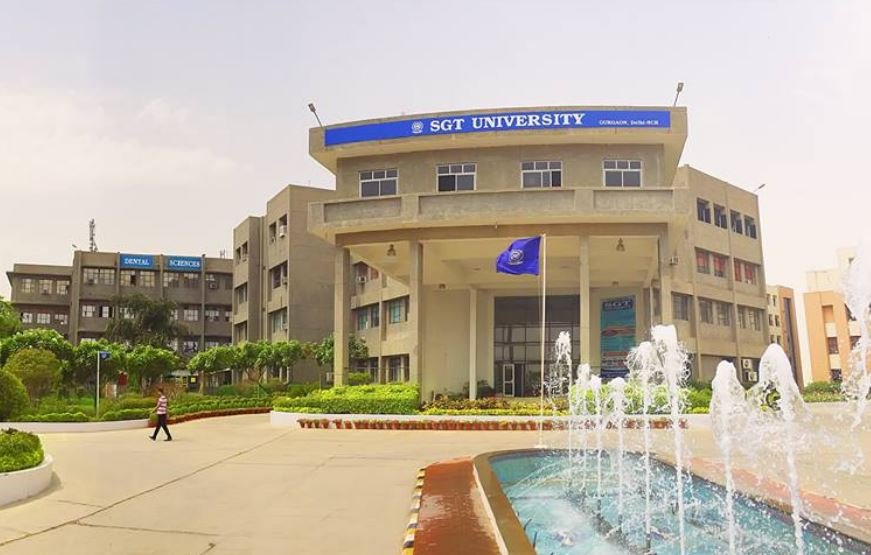
Introduction about Ph.D. in Horticulture at Shree Guru Gobind Singh Tricentenary University
Embarking on a doctoral journey in horticulture at Shree Guru Gobind Singh Tricentenary University unlocks a world of cutting?edge research, industry collaboration, and transformative impact on sustainable agriculture. This program is meticulously designed for seasoned professionals who aspire to become thought leaders, innovators, and policy influencers in the global horticulture sector.
Ph.D Admission 2026-2027 & Writing Support Services by Shiksha Research
Eligibility Criteria for Ph.D. in Horticulture at Shree Guru Gobind Singh Tricentenary University
Prospective candidates must meet the following academic and professional benchmarks:
- Master?s degree (M.Sc., M.Sc. (Hort.), M.Tech., or equivalent) with a minimum of 55% marks (or CGPA 6.5/10).
- Valid GATE/ICAR score is preferred but not mandatory; university?conducted entrance exam is acceptable.
- At least two years of relevant research or industry experience for mature professional pathways.
- Proficiency in English (IELTS 6.0 or TOEFL 80) for international scholars.
Entrance Exam for Ph.D. in Horticulture at Shree Guru Gobind Singh Tricentenary University
The university administers a comprehensive written test followed by a personal interview. The written component evaluates:
- Fundamental concepts in plant physiology, breeding, and pathology.
- Research methodology, statistics, and data analysis.
- Current trends in sustainable horticulture and agri?technology.
Successful candidates are then invited to present a research proposal and discuss their long?term academic goals during the interview.
Fee Structure for Ph.D. in Horticulture at Shree Guru Gobind Singh Tricentenary University
| Fee Component | Amount (INR) | Annual Increment |
|---|---|---|
| Tuition & Laboratory Fees | ? 70,000 | 5% after each year |
| Research & Project Grant (mandatory) | ? 25,000 | ? |
| Library & Resource Access | ? 10,000 | ? |
| Examination & Evaluation Fees | ? 15,000 | ? |
| Total Approx. per Year | ? 1,20,000 | ? |
Students are eligible for merit?based scholarships, research grants, and industry?sponsored fellowships that can cover up to 80% of the total fee.
Admission Process for Ph.D. in Horticulture at Shree Guru Gobind Singh Tricentenary University
- Online Application: Fill the web portal form and upload scanned copies of academic certificates.
- Entrance Examination: Appear for the university?conducted test (or submit valid GATE/ICAR score).
- Interview & Proposal Review: Present your research proposal to the department panel.
- Final Offer Letter: Receive admission confirmation with fee details and scholarship eligibility.
- Enrollment: Pay the first semester fee and register for courses.
Ph.D. Subjects and Specializations in Horticulture at Shree Guru Gobind Singh Tricentenary University
- Plant Breeding and Genetics
- Post?harvest Technology
- Protected Cultivation and Controlled Environments
- Organic Horticulture and Sustainable Production
- Fruit, Vegetable, and Ornamental Crop Management
- Plant Biotechnology and Molecular Breeding
Research Areas in Horticulture at Shree Guru Gobind Singh Tricentenary University
Faculty members spearhead interdisciplinary projects that align with national priorities and global challenges:
- Climate?resilient horticultural varieties
- Advanced phenotyping and precision farming
- Bio?fortified fruits and vegetables
- Integrated pest management using biocontrol agents
- Post?harvest loss reduction through innovative packaging
- Urban and vertical farming systems
Documents Required for Ph.D. in Horticulture at Shree Guru Gobind Singh Tricentenary University
| Document | Details/Format |
|---|---|
| Academic Transcripts | Original & notarized copies of B.Sc. & M.Sc. marksheets |
| Research Proposal | 2,000?word abstract with objectives, methodology, and expected outcomes |
| Entrance Exam Scorecard | GATE/ICAR or university test result |
| Proof of English Proficiency | IELTS/TOEFL score (if applicable) |
| Curriculum Vitae | Professional experience and publications |
| Letter of Recommendation (2) | From academic supervisors or industry mentors |
Shree Guru Gobind Singh Tricentenary University Ph.D. Syllabus for Horticulture
The syllabus is structured into three phases: coursework, comprehensive examination, and dissertation.
- Phase I ? Core Courses (Year 1): Advanced Plant Physiology, Research Methodology, Statistics for Biology, and Ethics in Research.
- Phase II ? Electives (Year 2): Choose 2?3 from Post?harvest Technology, Molecular Breeding, Sustainable Production, and Precision Horticulture.
- Phase III ? Dissertation (Year 3?4): Original research, peer?reviewed publications, and viva?voce.
How To Apply for Ph.D. in Horticulture at Shree Guru Gobind Singh Tricentenary University
Visit the official university portal, click on the Ph.D. Admissions tab, and follow the step?by?step wizard. Upload the required documents, pay the non?refundable application fee of ? 2,500, and submit. An automated email confirmation will guide you through the upcoming entrance examination schedule.
Career Scope and Job Opportunities After Ph.D. in Horticulture from Shree Guru Gobind Singh Tricentenary University
Graduates are highly sought after for roles such as:
- Senior Research Scientist ? Government Agricultural Research Institutes.
- Director of R&D ? Multinational horticulture firms and seed companies.
- Academic Faculty ? Universities and colleges worldwide.
- Policy Analyst ? Ministries of Agriculture and international NGOs.
- Entrepreneur ? Start?ups focused on agri?technology, organic produce, and smart farming solutions.
According to industry surveys, Ph.D. holders in horticulture earn an average starting salary of ? 12?15 lakh per annum, with rapid growth potential in consultancy and intellectual property domains.
Scholarship for Ph.D. in Horticulture at Shree Guru Gobind Singh Tricentenary University
The university offers several merit?based and need?based scholarships:
- UGC?CSIR Fellowship: Full tuition waiver and monthly stipend of ? 31,000.
- University Merit Scholarship: 50% fee reduction for top 10% of eligible candidates.
- Industry Sponsored Fellowship: Partnerships with leading agri?companies offering project?specific funding.
Applicants are encouraged to explore external funding opportunities such as the Editing and Proofreading Services for manuscript preparation, which can enhance grant proposals and publication prospects.
FAQs Regarding Ph.D. in Horticulture at Shree Guru Gobind Singh Tricentenary University
- What is the minimum duration of the Ph.D. program?
- The program typically spans 3?4 years, depending on research progress and publication requirements.
- Can I pursue the Ph.D. part?time while working?
- Yes, the university offers a flexible part?time option for industry professionals, with extended timelines and evening seminars.
- Is there a provision for interdisciplinary research?
- Absolutely. Candidates may collaborate with departments such as Biotechnology, Environmental Science, and Food Technology.
- How many publications are required for thesis submission?
- A minimum of two peer?reviewed journal articles in indexed journals is mandatory.
- Do I need to




