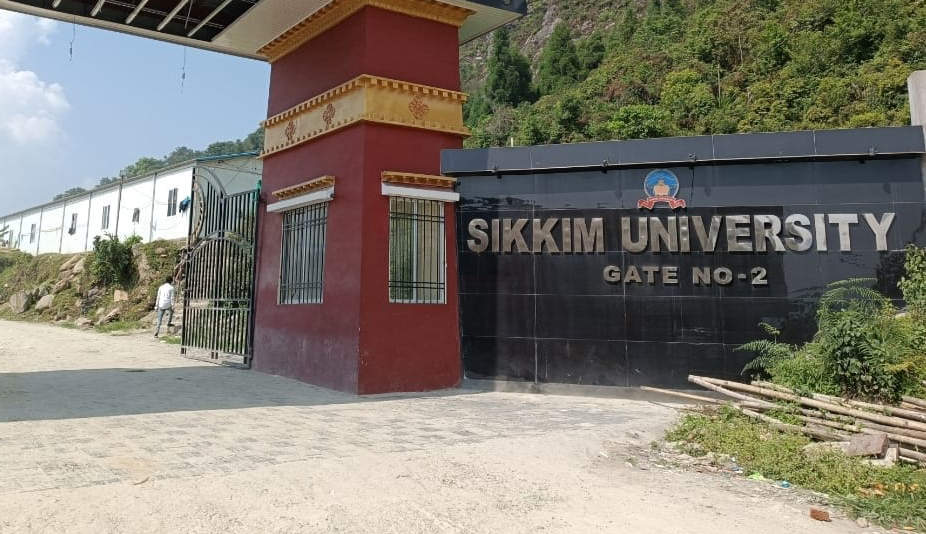
Introduction about Ph.D. in Horticulture at Sikkim University
Nestled in the verdant hills of the Eastern Himalayas, Sikkim University offers a world‑class Ph.D. in Horticulture that blends scientific rigor with the region’s rich agro‑ecological heritage. This program is designed for professionals who aspire to lead cutting‑edge research, influence policy, and pioneer sustainable horticultural practices both nationally and globally. The curriculum is constantly updated to reflect emerging trends such as climate‑smart agriculture, precision horticulture, and post‑harvest technology, ensuring that graduates remain at the forefront of innovation.
Eligibility Criteria for Ph.D. in Horticulture at Sikkim University
To qualify for the doctoral program, candidates must meet the following conditions:
- Possess a Master’s degree (M.Sc., M.V.Sc., M.Tech.) in Horticulture or a closely related field with a minimum of 55% aggregate (50% for SC/ST candidates).
- Successfully clear the National Eligibility Test (NET) or Sikkim University’s own Ph.D. entrance examination.
- Demonstrate a strong academic record and a clear research intent aligned with the university’s focus areas.
- For professional candidates, a minimum of two years of relevant work experience in horticultural research or industry is advantageous.
Entrance Exam for Ph.D. in Horticulture at Sikkim University
The entrance assessment evaluates both the theoretical foundation and research aptitude of applicants. It consists of two stages:
- Written Test: A 2‑hour paper covering Plant Physiology, Crop Science, Soil Science, Pest Management, and Research Methodology. Questions test analytical thinking and problem‑solving abilities.
- Interview & Proposal Presentation: Shortlisted candidates present a concise research proposal, followed by a viva‑voce to assess originality, feasibility, and alignment with faculty expertise.
Preparation resources, sample papers, and past year question banks are available on the university’s official portal.
Fee Structure for Ph.D. in Horticulture at Sikkim University
The fee structure is designed to be affordable while maintaining high academic standards. Below is a breakdown of the typical cost for the full doctoral program (3‑5 years). Fees are subject to revision each academic year.
| Component | Annual Fee (INR) | Total for 4‑Year Program (INR) |
|---|---|---|
| Tuition & Laboratory Charges | 45,000 | 180,000 |
| Library & Digital Resources | 5,000 | 20,000 |
| Research Project Grant (mandatory) | 30,000 | 120,000 |
| Examination & Evaluation Fees | 2,500 | 10,000 |
| Administrative & Miscellaneous Charges | 2,500 | 10,000 |
| Total | 85,000 | 340,000 |
Eligible candidates may apply for merit‑based scholarships, research grants, or industry‑funded fellowships to offset tuition costs.
Admission Process for Ph.D. in Horticulture at Sikkim University
The admission journey is streamlined into distinct phases:
- Online Application: Submit the application form through the university’s portal, attaching scanned copies of academic certificates, GATE/NET scores (if any), and a preliminary research synopsis.
- Document Verification: The admissions office reviews the submitted documents for authenticity and completeness.
- Entrance Examination: Eligible candidates are invited to appear for the written test and subsequent interview.
- Selection & Offer Letter: Successful candidates receive an official offer letter specifying the start date, scholarship details (if applicable), and registration instructions.
- Enrollment & Orientation: Enrolled students attend a comprehensive orientation covering research ethics, campus facilities, and mentorship allocation.
Ph.D. Subjects and Specializations in Horticulture at Sikkim University
Sikkim University’s horticulture doctorate offers a rich array of specializations, allowing scholars to tailor their research to niche interests:
- Fruit Science and Post‑Harvest Technology
- Vegetable Production and Breeding
- Medicinal and Aromatic Plants (MAP)
- Organic Horticulture and Sustainable Farming Systems
- Protected Cultivation (Greenhouse, Shade Netting)
- Horticultural Biotechnology and Molecular Breeding
- Climate‑Resilient Crop Management
- Horticulture Economics and Market Linkages
Research Areas in Horticulture at Sikkim University
The university’s research agenda aligns with national priorities and global challenges:
- Climate‑Smart Horticulture: Developing varieties tolerant to temperature extremes, erratic rainfall, and high altitude conditions.
- Integrated Pest Management (IPM): Reducing chemical pesticide dependence through biological control agents and pheromone traps.
- Value‑Added Processing: Innovating post‑harvest techniques for extended shelf life and nutraceutical extraction.
- Genomics‑Assisted Breeding: Leveraging DNA markers to accelerate cultivar development.
- Urban Horticulture: Designing vertical farms, rooftop gardens, and community orchards for food security in expanding cities.
- Policy and Extension: Assessing the impact of horticultural policies on smallholder livelihoods and formulating evidence‑based recommendations.
Documents Required for Ph.D. in Horticulture at Sikkim University
The following documents must be uploaded during the online application stage:
| Document | Format | Remarks |
|---|---|---|
| Completed Application Form (PDF) | Signed electronically | |
| Academic Transcripts & Degree Certificates | PDF (Scanned) | Original + attested copies |
| NET / GATE Scorecard (if applicable) | Valid for the preceding 3 years | |
| Research Proposal (2,000 words) | DOCX or PDF | Include objectives, methodology, and expected outcomes |
| Curriculum Vitae (CV) | Academic and professional experience | |
| Letter of Recommendation (2) | From academicians or industry experts | |
| Proof of Identity (Aadhaar / Passport) | Government‑issued ID |
Sikkim University Ph.D. Syllabus for Horticulture
The doctoral syllabus is structured around core modules, elective courses, and a substantial research component:
- Core Modules (Year 1): Advanced Plant Physiology, Genetics & Breeding, Soil Science, Research Methodology, Statistics for Biological Sciences.
- Electives (Year 2‑3): Choose from 12+ specialized courses such as Horticultural Biotechnology, Climate Resilience, Post‑Harvest Technology, Organic Production, and Agribusiness Management.
- Research Thesis (Year 3‑5): Guided by a faculty supervisor, the candidate conducts original research, publishes in peer‑reviewed journals, and defends the dissertation before a multidisciplinary panel.
How To Apply for Ph.D. in Horticulture at Sikkim University
Follow these step‑by‑step instructions to submit a successful application:
- Visit the official Sikkim University admissions portal and register using a valid email address.
- Complete the personal and academic details, and upload the required documents (see “Documents Required” section).
- Pay the non‑refundable application fee of INR 2,000 via online banking or UPI.
- Submit a concise research synopsis (maximum 500 words) outlining the problem statement, objectives, and proposed methodology.
- After submission, monitor the inbox for an acknowledgment email containing your application reference number.
- Prepare for the entrance exam; resources include the university’s sample question paper and recommended reading list.
- Attend the scheduled written test and, if shortlisted, the interview.
- Upon receiving the offer letter, confirm acceptance, pay the first-year tuition fee, and register for courses.
Career Scope and Job Opportunities After Ph.D. in Horticulture from Sikkim University
A doctorate in horticulture opens diverse pathways in academia, research, industry, and government:
- Academic Positions: Assistant Professor, Associate Professor, or Head of Department in leading universities and agricultural colleges.
- Research Scientist: Roles in national labs (ICAR, IARI), international research institutes, and private R&D centers.
- Policy Analyst: Contribute to horticulture‑related policies, extension programs, and sustainability frameworks for state and central governments.
- Entrepreneurship: Launch agritech startups focusing on seed production, organic certification, or post‑harvest value addition.
- Consultancy: Provide expert advice to NGOs, multinational agribusinesses, and NGOs working on climate‑smart agriculture.
In addition, graduates enjoy a competitive salary range (INR 8‑15 LPA) and eligibility for prestigious fellowships such as the CSIR‑NET, UGC‑JRF, and international scholarships. </




