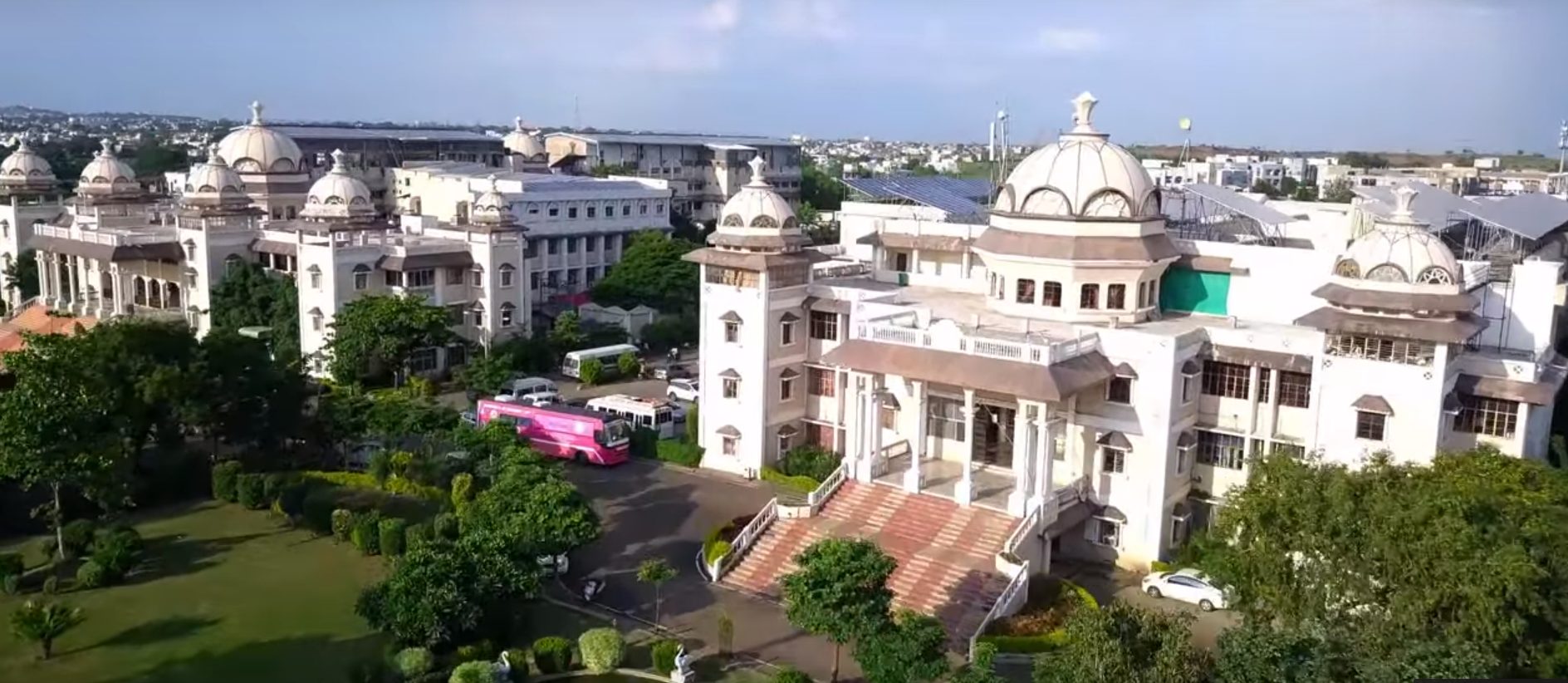
Ph.D. in Implantology at Datta Meghe Institute of Medical Sciences
The Doctor of Philosophy in Implantology offered by Datta Meghe Institute of Medical Sciences (DMIMS) stands as a beacon for dental professionals eager to push the frontiers of dental implant research. This program blends rigorous scientific inquiry with cutting‑edge clinical practice, empowering scholars to become innovators in oral rehabilitation, biomaterials, and surgical techniques. Whether you aim to lead academic departments, spearhead industry R&D, or develop breakthrough therapies, DMIMS provides the ecosystem, mentorship, and resources required to transform ambition into impact.
Eligibility Criteria for Ph.D. in Implantology at Datta Meghe Institute of Medical Sciences
Prospective candidates must satisfy the following minimum requirements:
- Master’s degree (MDS) in Dental Surgery, Prosthodontics, Oral & Maxillofacial Surgery, or a related dental specialty with at least 55% aggregate marks (or an equivalent CGPA of 6.5/10).
- NEET‑PG qualification is preferred but not mandatory if the candidate holds a recognized postgraduate dental degree.
- Valid score in any recognized national-level entrance test for Ph.D. programs (e.g., AIIMS Ph.D., JIPMER Ph.D., or DMIMS own entrance exam).
- Proficiency in English (minimum TOEFL iBT 70 or IELTS 6.0 for international applicants).
- Demonstrated research interest through publications, conference presentations, or a well‑crafted research proposal.
Entrance Exam for Ph.D. in Implantology at Datta Meghe Institute of Medical Sciences
The entrance examination is designed to assess both theoretical knowledge and research aptitude:
- Written Test (120 minutes): 100 multiple‑choice questions covering advanced oral anatomy, implant biomechanics, biomaterials, and research methodology.
- Interview & Proposal Presentation (30 minutes): Candidates present a concise research proposal and answer questions from the faculty panel.
- Selection is based on a weighted score: 70% written test, 30% interview.
Fee Structure for Ph.D. in Implantology at Datta Meghe Institute of Medical Sciences
| Component | Amount (INR) | Remarks |
|---|---|---|
| Admission & Registration Fee | 15,000 | One‑time payable at enrollment |
| Annual Tuition Fee | 80,000 | Includes lab access, library, and e‑resources |
| Laboratory & Material Charges | 20,000 | Specific to implant research projects |
| Annual Examination & Evaluation Fee | 10,000 | Conducted twice a year |
| Miscellaneous (Sports, Cultural, etc.) | 5,000 | Optional but recommended |
| Total Approx. per Year | 1,30,000 | Subject to yearly revision |
Admission Process for Ph.D. in Implantology at Datta Meghe Institute of Medical Sciences
- Online Application: Fill the web‑based form on the DMIMS portal, upload scanned copies of academic certificates, and pay the non‑refundable application fee.
- Document Verification: The admissions office verifies eligibility and authenticates the uploaded documents.
- Entrance Examination: Eligible candidates are invited to appear for the written test and interview.
- Result Declaration: Merit list released on the official website; selected candidates receive an admission offer.
- Enrollment: Accepted students submit the enrollment form, pay the registration fee, and attend the orientation program.
Ph.D. Subjects and Specializations in Implantology at Datta Meghe Institute of Medical Sciences
The program permits focused research in the following sub‑domains:
- Implant Biomaterials & Surface Modifications
- Computer‑Aided Design/Computer‑Aided Manufacturing (CAD/CAM) in Implantology
- Immediate Loading Protocols & Mechanical Stability
- Peri‑Implant Soft Tissue Management
- Nanotechnology‑Based Implant Solutions
- Implant‑Supported Full‑Arch Rehabilitation
- Regenerative Techniques and Bone Grafting Adjacent to Implants
Research Areas in Implantology at Datta Meghe Institute of Medical Sciences
DMIMS encourages interdisciplinary collaborations across dentistry, materials science, and biomedical engineering. Highlighted research themes include:
- Evaluation of novel titanium alloys and ceramic composites for enhanced osseointegration.
- 3‑D printed custom implants for complex maxillofacial defects.
- Long‑term clinical outcomes of digital workflow‑driven implant placement.
- Microbial biofilm resistance on surface‑engineered implants.
- Patient‑specific prognostic models using AI‑driven data analysis.
- Economic and quality‑of‑life assessments of immediate versus delayed loading protocols.
Documents Required for Ph.D. in Implantology at Datta Meghe Institute of Medical Sciences
| Document | Format | Remarks |
|---|---|---|
| Graduation & Post‑Graduation Mark Sheets | PDF (Scanned) | Both original and attested copies |
| NEET‑PG Scorecard (if applicable) | Only for candidates with NEET‑PG qualification | |
| Research Proposal (max 1500 words) | DOCX or PDF | Must include objectives, methodology, and expected outcomes |
| Curriculum Vitae (CV) | Highlight publications, conferences, and relevant experience | |
| Proof of English Proficiency | TOEFL/IELTS score report | |
| Two Letters of Recommendation | PDF (Signed) | From academic or professional supervisors |
Datta Meghe Institute of Medical Sciences Ph.D. Syllabus for Implantology
The syllabus is divided into core modules, elective clusters, and research components:
- Core Modules (Year 1)
- Advanced Implant Biology
- Biomechanics of Dental Implants
- Research Methodology and Biostatistics
- Ethics and Intellectual Property in Dental Research
- Elective Clusters (Year 2‑3)
- Digital Imaging and Guided Surgery
- Nanomaterials in Oral Implantology
- Implant‑Supported Prosthetic Design
- Clinical Trials Management
- Research Component
- Laboratory Practicals (12 months)
- Data Collection & Analysis (6 months)
- Thesis Writing & Defense (6 months)
How To Apply for Ph.D. in Implantology at Datta Meghe Institute of Medical Sciences
Follow these steps to submit a successful application:
- Visit the official DMIMS Admissions Portal and create a user account.
- Complete the online application form, ensuring all mandatory fields are filled accurately.
- Upload the required documents (as listed in the Documents Required table) in PDF format.
- Pay the Rs. 3,000 application fee via net banking, credit card, or UPI.
- Submit the application and note the generated Application ID for future correspondence.
- Monitor your email for the admit card, exam schedule, and subsequent interview invitation.
Career Scope and Job Opportunities After Ph.D. in Implantology from Datta Meghe Institute of Medical Sciences
Graduates emerge as subject‑matter experts, opening doors to diverse roles:
- Academic Positions: Assistant Professor, Associate Professor, or Head of Department in dental colleges and universities.
- Research & Development: Senior Scientist or Project Lead in dental implant manufacturers, biotech firms, and research institutes.
- Clinical Leadership: Director of Implantology Clinics, Consultant for multidisciplinary oral rehabilitation centers.
- Regulatory & Policy Advisory: Roles within Dental Council of India, Ministry of Health, or international regulatory bodies.
- Entrepreneurship: Founder of start‑ups focused on digital implant planning, custom implant fabrication, or AI‑driven diagnostics.
According to recent market surveys, the global dental implant market is projected to exceed USD 15 billion by 2030, underscoring robust demand for Ph.D.-qualified professionals.
Scholarship for Ph.D. in Implantology at Datta Meghe Institute of Medical Sciences
Financial assistance options include:
- DMIMS Merit‑Based Scholarship: Covers up to 50% of tuition for top 10% of rank‑holders.
- National Fellowship for Dental Research (NFDR): Full tuition waiver and a monthly stipend of Rs. 25,000.
- Industry‑Sponsored Scholarships: Partnerships with leading implant manufacturers offering project‑based funding.
- Research Grants: Candidates can apply for internal grants to support laboratory consumables and conference travel.
FAQs Regarding Ph.D. in Implantology at Datta Meghe Institute of Medical Sciences
- What is the minimum duration to complete the Ph.D.?
- The program is structured for a minimum of 3 years, extendable up to 5 years based on research progress.
- Can working professionals enroll part‑time?
- Yes, DMIMS offers a part‑time mode with flexible lab schedules for qualified




