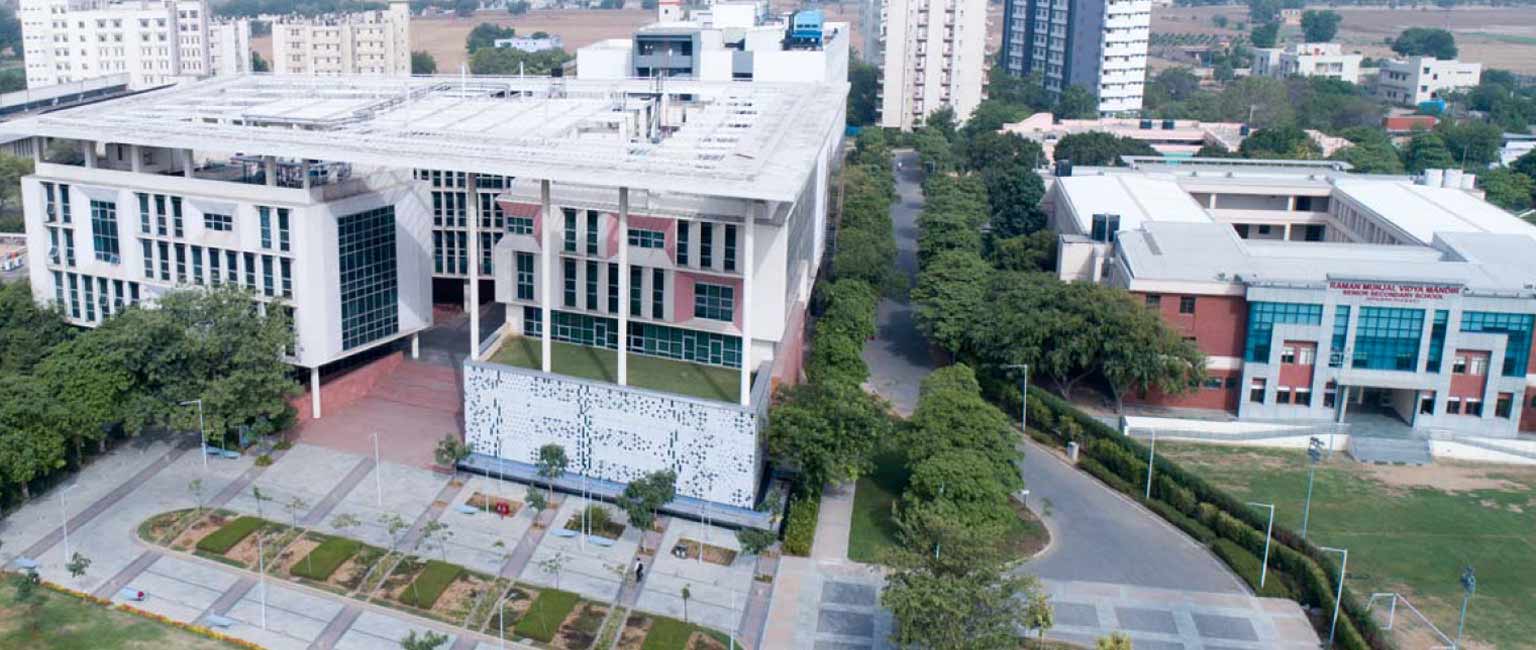
Ph.D. in International Economics from BML Munjal University: Eligibility, Entrance Exam, Fee Structure, Admission Process, Subjects, Research Areas, Syllabus, Scholarship & Career Scope
Introduction about Ph.D. in International Economics at BML Munjal University
Embarking on a Doctorate in International Economics at BML Munjal University equips professionals with the analytical tools to influence global trade policies, financial markets, and economic development strategies. The program blends rigorous quantitative methods with real?world policy analysis, fostering scholars who can navigate complex international economic challenges and drive transformative research.
Ph.D Admission 2026-2027 & Writing Support Services by Shiksha Research
Eligibility Criteria for Ph.D. in International Economics at BML Munjal University
- Master?s degree (M.A./M.Sc./M.Com.) with at least 55% aggregate marks or equivalent CGPA.
- Valid GATE/UGC?NET/CSIR?NET score in Economics or related discipline (optional but preferred).
- English proficiency (IELTS/TOEFL) for candidates whose previous education was not in English.
- Research aptitude demonstrated through a research proposal or published papers.
- Professional experience in banking, consultancy, policy research, or related fields is advantageous.
Entrance Exam for Ph.D. in International Economics at BML Munjal University
The university conducts its own Ph.D. entrance test, designed to assess:
- Micro? and macro?economic theory.
- Quantitative techniques ? econometrics, statistics, and mathematical modeling.
- Current international economic issues ? trade regimes, currency markets, and development economics.
- Analytical writing and research methodology.
The exam is followed by a personal interview where the research proposal is evaluated in depth.
Fee Structure for Ph.D. in International Economics at BML Munjal University
| Component | Annual Cost (INR) |
|---|---|
| Tuition & Lecture Fees | ? 85,000 |
| Library & Laboratory Access | ? 12,000 |
| Research & Data Subscription Fees | ? 18,000 |
| Administrative & Examination Charges | ? 9,000 |
| Total Approx. per Year | ? 1,24,000 |
Annual fees may vary slightly based on inflation and specific research requirements. Scholarships and fellowships can significantly offset these costs.
Admission Process for Ph.D. in International Economics at BML Munjal University
- Online Application: Fill out the application form on the university portal and upload academic transcripts, CV, and a research proposal.
- Entrance Examination: Appear for the university?conducted test (or submit a valid GATE/NET score).
- Interview: Shortlisted candidates are invited for a panel interview and proposal discussion.
- Final Selection: Merit list issued based on academic performance, entrance score, and interview assessment.
- Admission Confirmation: Pay the admission fee and submit the required documents for enrollment.
Ph.D. Subjects and Specializations in International Economics at BML Munjal University
The doctoral program offers flexible specialization tracks, including:
- International Trade Theory and Policy
- Global Financial Markets and Risk Management
- Development Economics and Poverty Alleviation
- Economics of International Investment
- Environmental and Climate Economics
- Digital Economy and E?Commerce
Research Areas in International Economics at BML Munjal University
Faculty expertise and research infrastructure support investigations in:
- Trade liberalization and its impact on emerging economies.
- Currency fluctuations and sovereign debt sustainability.
- Cross?border digital payments and fintech regulation.
- Economic integration in South Asia and the Indo?Pacific region.
- Policy analysis of climate?related trade measures.
- Effects of multinational enterprises on host?country development.
Documents Required for Ph.D. in International Economics at BML Munjal University
| Document | Remarks |
|---|---|
| Academic Transcripts (10+2, UG, PG) | Original and certified copies |
| Research Proposal (2,000?3,000 words) | Outline objectives, methodology, and expected contribution |
| Curriculum Vitae | Professional experience and publications |
| Entrance Exam Scorecard (GATE/NET) ? optional | Valid for the last 3 years |
| Proof of English Proficiency (if applicable) | IELTS/TOEFL scores |
| Letter of Recommendation (2) | From academic or industry supervisors |
BML Munjal University Ph.D. Syllabus for International Economics
The syllabus is structured into core modules, electives, and a dissertation component:
- Core Modules: Advanced Microeconomics, Advanced Macroeconomics, Econometrics, Research Methodology.
- Electives (choose any two): International Trade Policy, Global Financial Institutions, Development Economics, Environmental Economics, Digital Economy, Economic History.
- Dissertation: Original research under faculty supervision, culminating in a defendable thesis.
How To Apply for Ph.D. in International Economics at BML Munjal University
Follow these steps to secure your place:
- Visit the official BML Munjal University admissions portal.
- Register using a valid email address and create a password.
- Complete the online application form, ensuring all fields are accurately filled.
- Upload the required documents (as listed in the ?Documents Required? section).
- Pay the non?refundable application fee of ? 5,000 via net banking or credit card.
- Submit the application and note the generated application ID for future reference.
- Prepare for the entrance examination and interview according to the schedule sent to your registered email.
Career Scope and Job Opportunities After Ph.D. in International Economics from BML Munjal University
Graduates emerge as thought leaders ready to influence policy, academia, and industry. Typical career pathways include:
- Senior Economist ? Central banks, IMF, World Bank, and national ministries.
- Policy Analyst ? Think?tanks, research institutes, and international NGOs.
- University Professor ? Teaching and supervising research in economics departments.
- Consultant ? Economic advisory firms, multinational corporations, and financial institutions.
- Data Scientist ? Specialized roles in economic forecasting and big?data analytics.
- Entrepreneur ? Founding startups focused on fintech, trade facilitation platforms, or economic data services.
The robust alumni network of BML Munjal University further enhances placement opportunities across the globe.
Scholarship for Ph.D. in International Economics at BML Munjal University
Merit?based scholarships and research fellowships are available for exceptional candidates. Key options include:
- University Merit Scholarship: Up to 50% tuition waiver for top 10% of the cohort.
- Research Fellowship: Funding for fieldwork, data acquisition, and conference participation.
- External Grants: Collaboration with agencies such as the Ministry of Education, CSIR, and private foundations.
Applicants are automatically considered for internal scholarships; additional external grants require separate applications.
FAQs Regarding Ph.D. in International Economics at BML Munjal University
- What is the typical duration of the Ph.D. program?
- Four to five years, depending on research progress and dissertation submission.
- Can I pursue the Ph.D. part?time while working?
- Yes, the university offers a flexible part?time mode for working professionals.
- Is there a provision for publishing my research before graduation?
- Absolutely. The university?s ?Research Publication Support? assists candidates in targeting high?impact journals.
- Are there opportunities for international exposure?
- Students can apply for exchange programs, attend international conferences, and collaborate with partner institutions worldwide.
- How does the university assist with dissertation writing?
- Dedicated faculty mentors guide the research design, and the ?Editing and Proofreading Services? ensure academic standards are met.
Additional Support Services for Doctoral Candidates
To enhance the research journey, BML Munjal University partners with specialized service providers:




