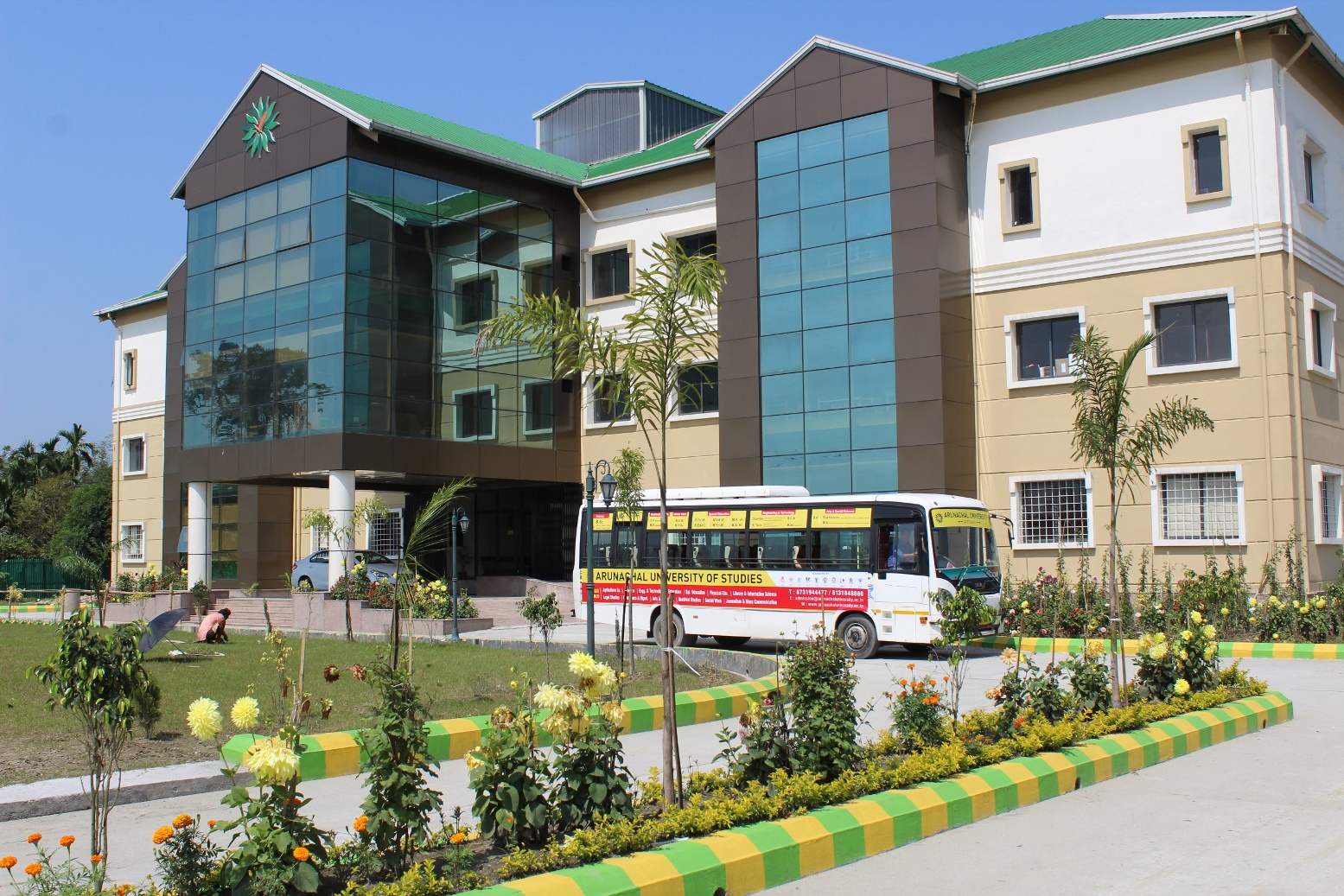
Introduction about Ph.D. in Journalism And Mass Communication at Arunachal University of Studies
Embarking on a Ph.D. in Journalism and Mass Communication at Arunachal University of Studies opens a gateway to advanced research, thought?leadership, and impactful careers in media, academia, and policy making. The programme blends rigorous scholarly inquiry with real?world relevance, enabling professionals to shape the future of information dissemination, digital media ethics, and communication strategies across diverse platforms. Whether you aim to become a university professor, senior media analyst, or a policy consultant, this doctorate equips you with the analytical tools and research competence required for excellence.
Ph.D Admission 2026-2027 & Writing Support Services by Shiksha Research
Eligibility Criteria for Ph.D. in Journalism And Mass Communication at Arunachal University of Studies
- Master’s degree (M.A., M.Sc., M.Com., or equivalent) in Journalism, Mass Communication, Media Studies, or a related discipline from a recognized university.
- Minimum aggregate of 55% (or equivalent CGPA) in the qualifying postgraduate programme.
- Qualified in the university’s Ph.D. entrance test or any national level test (e.g., UGC NET, CSIR NET, GATE) where applicable.
- For candidates with a research background, a minimum of two research publications in reputable journals may be considered for direct admission.
- English language proficiency for non?native speakers (IELTS/TOEFL) is optional but recommended for international research collaborations.
Entrance Exam for Ph.D. in Journalism And Mass Communication at Arunachal University of Studies
The entrance assessment is designed to evaluate the candidate’s research aptitude, subject knowledge, and analytical skills. It comprises:
- Written Test (150 marks): Sections on Media Theory, Research Methodology, Statistics, and Current Affairs in Communication.
- Interview (50 marks): Personal interview with a panel of faculty members to discuss research interests, proposed topics, and academic goals.
Candidates who have cleared UGC NET or other national eligibility tests are exempted from the written component and can directly appear for the interview.
Fee Structure for Ph.D. in Journalism And Mass Communication at Arunachal University of Studies
| Component | Amount (INR) | Details |
|---|---|---|
| Application Fee | 1,500 | Non?refundable, payable at the time of online submission. |
| Entrance Exam Fee | 2,000 | Covers test administration and evaluation. |
| Annual Tuition & Research Fees | 30,000 per year | Includes library access, software licences, and laboratory usage. |
| Thesis Submission Charge | 5,000 | One?time fee for plagiarism check and binding. |
| Miscellaneous (Printing, Stationery) | 2,500 | Estimated per annum. |
| Total (Approx.) | 41,000 per year |
Admission Process for Ph.D. in Journalism And Mass Communication at Arunachal University of Studies
- Online Application: Complete the registration on the university portal, upload scanned copies of academic certificates, and pay the application fee.
- Submission of Research Proposal: Attach a 1500?word proposal outlining the intended research problem, objectives, and methodology.
- Entrance Examination & Interview: Appear for the written test (if required) and attend the interview.
- Result Declaration: Qualified candidates receive an admission letter within 30 days of the interview.
- Enrollment & Fee Payment: Complete the enrollment formalities, pay the first year’s tuition, and register for the research guide.
Ph.D. Subjects and Specializations in Journalism And Mass Communication at Arunachal University of Studies
The doctorate offers a range of specializations to match evolving industry demands:
- Digital Media & Social Networking
- Media Ethics & Regulation
- Communication Policy & Public Affairs
- Journalism Innovation & Storytelling
- Mass Media Audiences & Reception Studies
- Media Management & Entrepreneurship
Research Areas in Journalism And Mass Communication at Arunachal University of Studies
Faculty members encourage interdisciplinary research across the following domains:
- Impact of Artificial Intelligence on News Production
- Fake News Detection and Fact?Checking Mechanisms
- Media Representation of Indigenous Communities in Northeast India
- Policy Analysis of Media Laws and Digital Rights
- Consumer Behaviour in OTT Platforms
- Environmental Communication and Climate Change Advocacy
Documents Required for Ph.D. in Journalism And Mass Communication at Arunachal University of Studies
| Document | Format | Remarks |
|---|---|---|
| Completed Application Form | Signed and dated | |
| Academic Transcripts (Post?Graduate) | Certified copies | |
| Research Proposal (1500 words) | Includes bibliography | |
| Proof of Entrance Test Qualification (if applicable) | UGC NET, GATE, etc. | |
| Identity Proof (Aadhaar/Passport) | Valid government ID | |
| Passport?size Photograph | JPEG/PNG | Recent, white background |
Arunachal University of Studies Ph.D. Syllabus for Journalism And Mass Communication
The syllabus is structured to foster critical thinking and methodological rigour:
- Year 1: Research Methodology, Advanced Media Theories, Statistics for Social Sciences, Elective I (chosen from specializations).
- Year 2: Elective II, Data Analysis Workshops, Publication Writing, Seminar Presentation.
- Year 3: Thesis Development, Field Work, Draft Submission, Viva?Voce Examination.
Students also have the option to enroll in short?term workshops on multimedia storytelling, data journalism, and ethical reporting.
How To Apply for Ph.D. in Journalism And Mass Communication at Arunachal University of Studies
Follow these concise steps to secure your seat:
- Visit the official university website and navigate to the “Ph.D. Admissions” portal.
- Register using your email ID and create a secure password.
- Fill in personal, academic, and professional details accurately.
- Upload the required documents (as listed above) in PDF format.
- Pay the non?refundable application fee via net banking or credit card.
- Submit the online application and note the acknowledgment number for future correspondence.
- Monitor your email for the entrance exam schedule and interview invitation.
For assistance in drafting a compelling research proposal or polishing your academic writing, consider professional support such as Thesis and Dissertation Writing Services.
Career Scope and Job Opportunities After Ph.D. in Journalism And Mass Communication from Arunachal University of Studies
A doctorate in this field opens a spectrum of high?impact roles:
- University Professor / Lecturer – design curricula, supervise research, publish scholarly articles.
- Senior Media Analyst – guide editorial strategies for news houses, TV channels, and digital platforms.
- Policy Advisor – work with government bodies, NGOs, and think?tanks on media regulation and communication policy.
- Research Director – lead projects for media research institutes, advertising agencies, or consultancy firms.
- Chief Content Officer – oversee content creation, brand storytelling, and audience engagement for corporates.
According to recent industry surveys, Ph.D. holders in journalism and mass communication command an average salary of INR 12–18 lakhs per annum, with senior positions exceeding INR 25 lakhs.
Scholarship for Ph.D. in Journalism And Mass Communication at Arunachal University of Studies
The university, in partnership with state and central agencies, offers the following financial aid options:
- Merit?Based Scholarship: Full tuition waiver and monthly stipend of INR 15,000 for top?ranked candidates.
- Research Grant: Project?specific funding up to INR 2,00,000 for field work and data collection.
- NGO/Funded Fellowships: Sponsored by media foundations for research on social impact and community media.
Applicants can also leverage Research Data Analysis Services to enhance the quality of their research outputs and increase eligibility for grant awards.
FAQs Regarding Ph.D. in Journalism And Mass Communication at Arunachal University of Studies
- 1. What is the minimum duration to complete the Ph.D. programme?
- Typically, 3 years full?time or 5 years part?time, subject to satisfactory progress.
- 2. Can I pursue the doctorate while working full?time?
- Yes, the university offers flexible part?time enrolment and weekend workshops.
- 3. Is there a requirement for publications before enrolment?
- Publications are not mandatory, but having at




