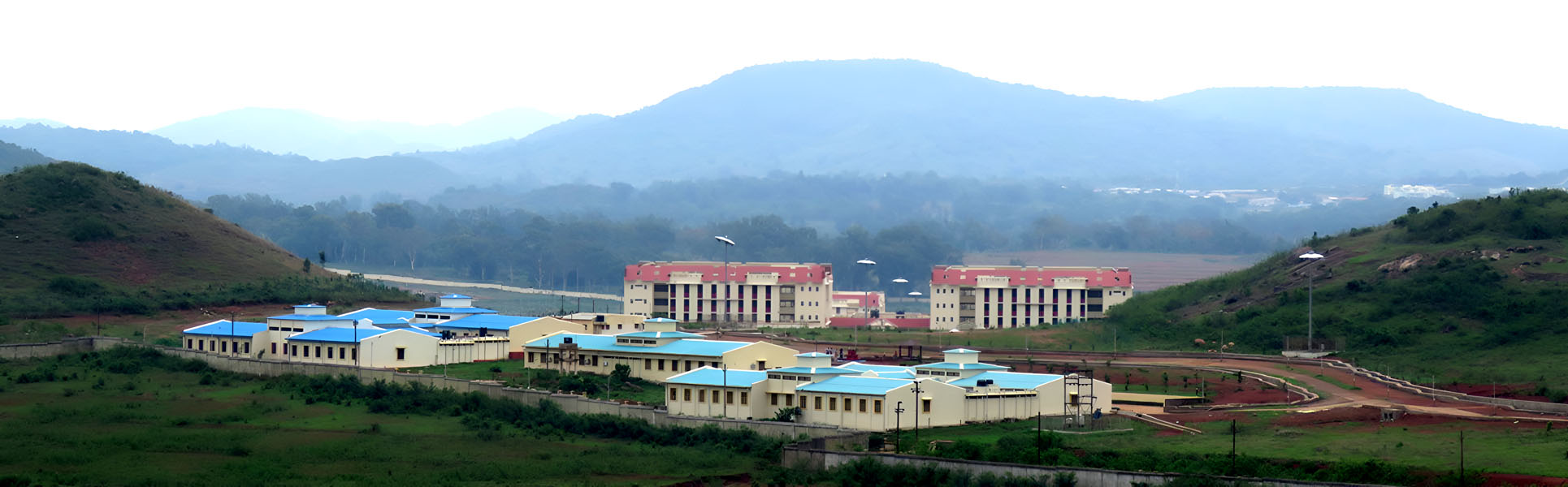
Ph.D. in Journalism And Mass Communication from Central University of Orissa: A Comprehensive Guide
Introduction about Ph.D. in Journalism And Mass Communication at Central University of Orissa
Embarking on a Ph.D. journey in Journalism and Mass Communication at the Central University of Orissa (CUO) is a transformative step for media professionals and academic aspirants. As the digital landscape evolves, so does the need for rigorous, theory-driven research that challenges contemporary media narratives. This program is designed for scholars who aim to redefine communication paradigms in an era of information saturation. Whether you are delving into digital media ethics or socioeconomic impacts of mass communication, the Central University of Orissa provides the academic rigor necessary to sharpen your intellectual inquiry. Need assistance with your academic journey? Explore our Thesis and Dissertation Writing Services to ensure your research meets international standards.
Eligibility Criteria for Ph.D. in Journalism And Mass Communication at Central University of Orissa
Candidates must possess a Master's degree in Journalism and Mass Communication (or allied social sciences) from a recognized university. A minimum of 55% marks in aggregate (or an equivalent grade) is typically required, with a 5% relaxation for SC/ST/OBC/Differently-abled candidates. Applicants who have qualified for UGC-NET (including JRF), SLET, or M.Phil. degrees may be exempted from the entrance test depending on university guidelines.
Entrance Exam for Ph.D. in Journalism And Mass Communication at Central University of Orissa
Admission is primarily based on the CUO Entrance Test, which assesses research methodology, analytical skills, and core subject knowledge. The test pattern usually follows a structure of 50% research methodology and 50% subject-specific content. Successful candidates proceed to the interview/viva-voce stage, where they must present a research proposal detailing their intended area of study.
Fee Structure for Ph.D. in Journalism And Mass Communication at Central University of Orissa
| Fee Component | Approximate Amount (INR) |
|---|---|
| Admission Fee | 2,000 |
| Tuition Fee (Per Semester) | 5,000 |
| Library/Laboratory Fee | 3,000 |
| Thesis Submission Fee | 5,000 |
Admission Process for Ph.D. in Journalism And Mass Communication at Central University of Orissa
The admission process involves the notification of applications, the conduct of the entrance examination, and the subsequent personal interview. Candidates must ensure that their research proposal is aligned with the university's research focus. To ensure your quantitative data is robust and accurately interpreted, you may utilize our Research Data Analysis Services during your pilot study phase.
Ph.D. Subjects and Specializations in Journalism And Mass Communication at Central University of Orissa
The program covers advanced coursework including Advanced Communication Theory, Media Economics, Research Methodology in Media, and Ethics in Global Journalism. Specializations range from Development Communication to Digital Media Studies, ensuring scholars contribute unique insights to the field.
Research Areas in Journalism And Mass Communication at Central University of Orissa
CUO encourages research in diverse areas, including:
- Digital Journalism and Social Media Behavior
- Development Communication and Social Change
- Media Ethics and Legal Frameworks
- Political Communication and Public Opinion
- Cross-cultural Communication Studies
Documents Required for Ph.D. in Journalism And Mass Communication at Central University of Orissa
Applicants are required to submit original and photocopies of:
- Master?s Degree Certificate and Marksheets
- NET/JRF/SLET scorecards
- Research Proposal
- Identification Proof (Aadhar/Voter ID)
- Passport size photographs
Central University of Orissa Ph.D. Syllabus for Journalism And Mass Communication
The syllabus is divided into two parts: Coursework and Dissertation work. Coursework covers advanced analytical tools, while the dissertation component focuses on independent, original research. For those drafting initial drafts of their findings, our Research Paper Writing Services offer expert guidance.
How To Apply for Ph.D. in Journalism And Mass Communication at Central University of Orissa
Candidates must apply through the official university website when the admission window opens. The application form requires the upload of academic transcripts, a statement of purpose, and the finalized research proposal.
Career Scope and Job Opportunities After Ph.D. in Journalism And Mass Communication from Central University of Orissa
A Ph.D. opens doors to prestigious careers, including:
- Assistant Professor in Universities/Colleges
- Post-doctoral Research Fellowships
- Senior Media Consultant
- Policy Analyst for Communication NGOs
- Content Strategist and Media Researcher
Scholarship for Ph.D. in Journalism And Mass Communication at Central University of Orissa
Full-time research scholars are often eligible for the UGC-JRF/SRF fellowships. Additionally, non-NET candidates may apply for university-specific fellowships or state-sponsored research grants, provided they meet the merit-based criteria set by the institution.
FAQs Regarding Ph.D. in Journalism And Mass Communication at Central University of Orissa
Q: Is there any assistance for my research data?
A: Yes, many scholars utilize professional tools like Questionnaire Design and Development to ensure their primary data collection is effective and academically sound.
Q: Is the Ph.D. program full-time or part-time?
A: CUO primarily offers the Ph.D. in full-time mode to ensure dedicated research commitment.
Q: How long does the program take to complete?
A: The minimum duration is 3 years, including coursework, with a maximum period allowed as per UGC guidelines.




