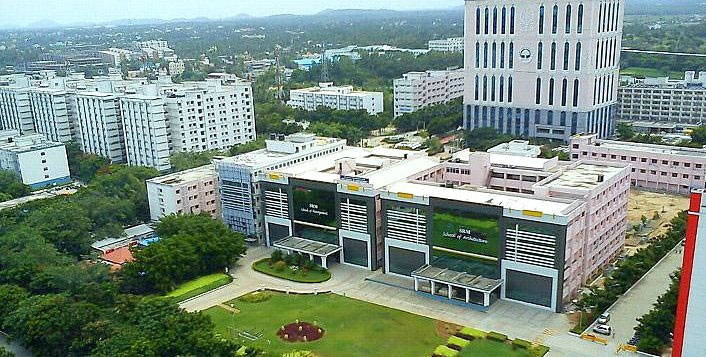
Ph.D. in Journalism and Mass Communication at SRM University
Embarking on a doctoral journey in Journalism and Mass Communication at SRM University opens doors to groundbreaking research, thought‑leadership, and influential careers in media, academia, and policy‑making. This comprehensive guide equips seasoned professionals with everything they need to know – from eligibility criteria to career prospects – ensuring a seamless pathway to scholarly excellence.
Ph.D Admission 2026-2027 & Writing Support Services by Shiksha Research
Eligibility Criteria for Ph.D. in Journalism and Mass Communication at SRM University
To maintain the highest academic standards, SRM University requires candidates to meet the following eligibility benchmarks:
- Master’s degree (M.A., M.Sc., or equivalent) in Journalism, Mass Communication, Media Studies, or a closely related discipline with a minimum of 55% marks (or 5.0 CGPA on a 10‑point scale). Candidates with 50% marks are considered if they qualify for the university’s relaxation criteria (reserved categories, sports, etc.).
- Valid GATE/UGC NET/CSIR NET score is preferred but not mandatory; candidates without these scores must appear for the university’s entrance examination.
- English proficiency – minimum IELTS 6.0 or TOEFL 80 for international applicants.
- Professional experience of at least 2 years in journalism, media research, or related fields is highly valued.
Entrance Exam for Ph.D. in Journalism and Mass Communication at SRM University
The entrance assessment evaluates both theoretical knowledge and research aptitude. The exam consists of three sections:
- Research Aptitude: 30 MCQs covering research methodology, statistics, and ethical considerations.
- Subject Knowledge: 40 MCQs focusing on media theories, communication models, digital journalism, and policy frameworks.
- English Language Proficiency: 30 MCQs assessing grammar, comprehension, and academic writing.
Successful candidates are invited for a personal interview and a research proposal presentation. The interview panel evaluates the originality of the proposed study, alignment with university research strengths, and the candidate’s long‑term vision.
Fee Structure for Ph.D. in Journalism and Mass Communication at SRM University
| Component | Amount (INR) | Notes |
|---|---|---|
| Application & Registration Fee | 5,000 | Non‑refundable, payable at the time of online submission. |
| Entrance Examination Fee | 8,000 | Includes test centre logistics and evaluation. |
| Annual Tuition & Research Fee | 1,25,000 per year | Charged for a minimum of three years; extensions apply for longer research periods. |
| Library & Laboratory Access | 15,000 per annum | Provides full‑text journal subscriptions, media labs, and digital archives. |
| Miscellaneous (Printing, Workshops, Conferences) | 10,000 per annum | Estimated cost; actual expenses may vary based on participation. |
| Total Estimated Cost (3‑Year Program) | 4,78,000 |
Scholarships, research grants, and teaching assistantships can offset up to 50% of the total fee for deserving candidates.
Admission Process for Ph.D. in Journalism and Mass Communication at SRM University
- Online Application: Register on the SRM University portal, upload scanned copies of academic certificates, and pay the application fee.
- Entrance Examination: Appear for the written test on the scheduled date. Admit cards are issued two weeks prior.
- Document Verification: Submit original documents for verification at the university’s admissions office.
- Interview & Proposal Presentation: Qualified candidates are called for a panel interview and a 15‑minute presentation of their research proposal.
- Final Admission Offer: Successful candidates receive an official admission letter along with details of fee payment and registration.
- Orientation & Coursework: Enrol in compulsory research methodology courses and begin the literature review phase.
Ph.D. Subjects and Specializations in Journalism and Mass Communication at SRM University
SRM University offers a wide array of specializations that cater to contemporary media challenges:
- Digital Media & New Technologies
- Media Ethics & Regulation
- Political Communication & Public Policy
- Advertising, Branding & Consumer Behaviour
- Media Management & Leadership
- International Journalism & Global Media Systems
- Communication for Development (C4D)
Research Areas in Journalism and Mass Communication at SRM University
Grounded in the university’s state‑of‑the‑art research centres, doctoral candidates can explore:
- Impact of Artificial Intelligence on News Production and Distribution
- Media Representation of Marginalised Communities
- Disinformation, Fake News, and Fact‑Checking Mechanisms
- Audience Engagement in Multi‑Platform Environments
- Policy Influence of Digital Media in Democratic Processes
- Ethical Frameworks for Data‑Driven Journalism
- Sustainable Media Business Models in the Post‑COVID Era
Documents Required for Ph.D. in Journalism and Mass Communication at SRM University
| Document | Format | Remarks |
|---|---|---|
| Completed Application Form | PDF (uploaded) | Must include a recent passport‑size photograph. |
| Academic Transcripts & Degree Certificates | PDF (scanned copies) | Original documents required during verification. |
| Entrance Exam Scorecard | Only if applicable (GATE, NET, etc.). | |
| Research Proposal (2,000–2,500 words) | Should outline objectives, methodology, and expected contributions. | |
| Curriculum Vitae (CV) | Highlight publications, projects, and professional experience. | |
| English Language Proficiency Score | IELTS/TOEFL – required for international candidates. | |
| Letter of Recommendation (2) | From academic supervisors or senior media professionals. |
SRM University Ph.D. Syllabus for Journalism and Mass Communication
The doctoral syllabus is structured into two core phases – Coursework and Research – designed to build rigorous analytical skills and original scholarly contributions.
- Year 1 – Foundations
- Research Methodology in Media Studies
- Advanced Theories of Communication
- Statistical Techniques for Social Sciences
- Ethics and Media Law
- Seminar: Current Issues in Global Journalism
- Year 2 – Specialization
- Digital Media Analytics
- Public Opinion & Political Communication
- Brand Management & Advertising Strategies
- Qualitative and Quantitative Data Analysis Workshops
- Teaching Assistantship (optional)
- Year 3 & Beyond – Dissertation
- Proposal Development & Ethical Clearance
- Fieldwork / Data Collection
- Writing and Publishing Research Articles
- Conference Presentation & Peer Review
- Thesis Submission & Viva‑Voce
How To Apply for Ph.D. in Journalism and Mass Communication at SRM University
Follow this step‑by‑step roadmap to submit a successful application:
- Visit the official SRM University Ph.D. admissions portal and create a new account.
- Fill in personal details, academic history, and upload the required documents (refer to the document checklist above).
- Pay the non‑refundable application fee using the secure payment gateway.
- Schedule your entrance examination slot and download the admit card.
- Prepare a concise research proposal (2,000–2,500 words) and practice a 15‑minute presentation.
- After clearing the written exam, attend the interview and proposal defense.
- Upon receipt of the admission offer, complete fee payment and register for the mandatory coursework.
Career Scope and Job Opportunities After Ph.D. in Journalism and Mass Communication from SRM University
A doctoral degree from SRM University equips you with expertise that is highly sought after across multiple sectors:
- Academia: Assistant/Associate Professor, Research Fellow, Department Head.
- Media & Publishing: Chief Editor, Investigative Reporter, Content Strategist, Digital Media Director.
- Policy & Governance: Media Policy Analyst, Government Communication Advisor, Think‑Tank Researcher.
- Corporate Communications: Public Relations Director, Corporate Storytelling Lead, Brand Communications Manager.
- Non‑Profit & Development: Communication for Development (C4D) Specialist, NGO Media Coordinator.
- Consultancy: Media Audit Consultant, Digital Transformation Advisor, Ethical Journalism Consultant.
According to recent




