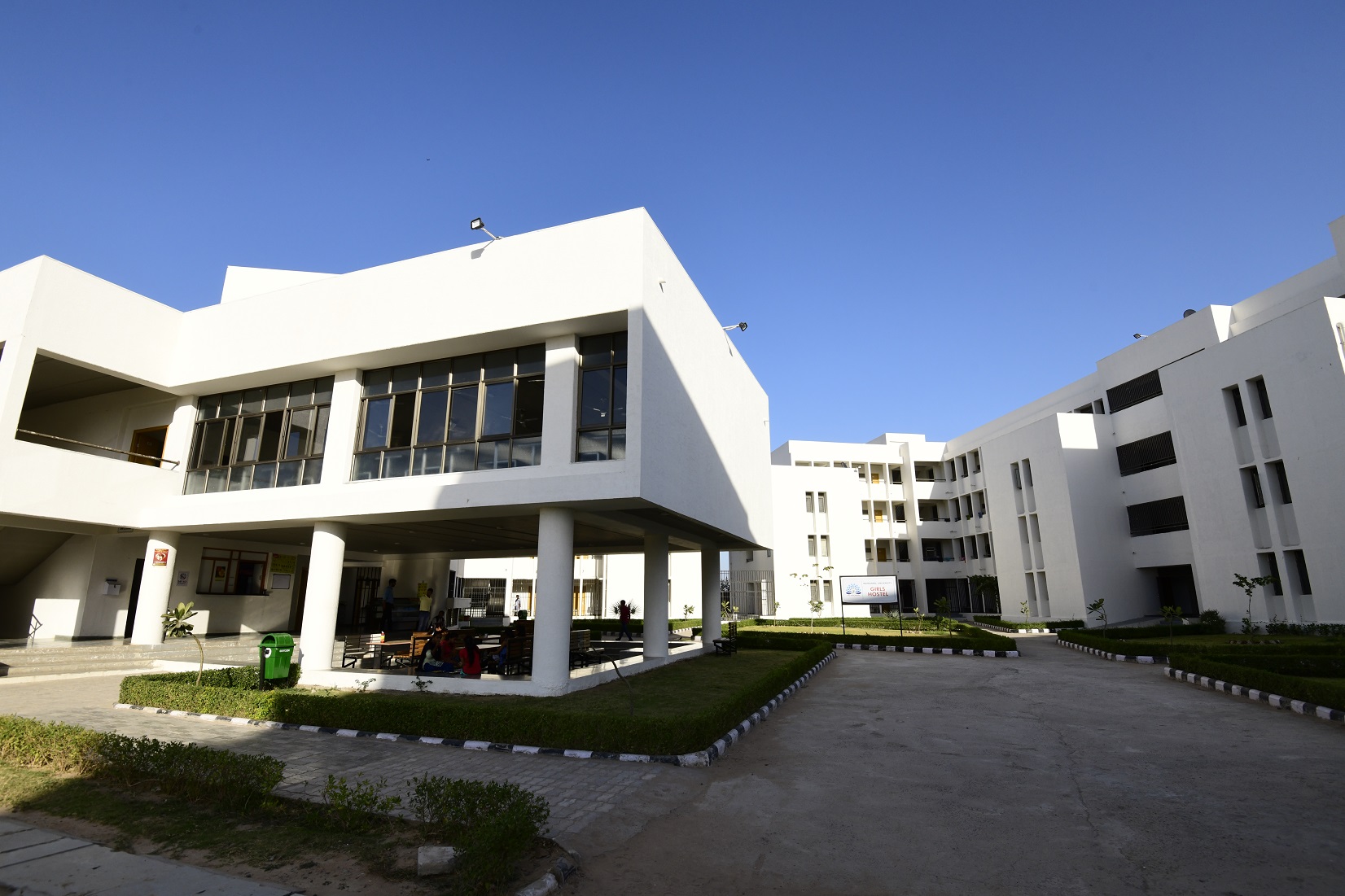
Ph.D. in Law from Invertis University: Eligibility, Entrance Exam, Fee Structure, Admission Process, Subjects, Research Areas, Syllabus, Scholarship & Career Scope
Introduction about Ph.D. in Law at Invertis University
The Doctor of Philosophy (Ph.D.) in Law at Invertis University is designed for legal professionals, academicians, and scholars who aspire to contribute original research to the ever‑evolving field of law. With a robust curriculum, cutting‑edge research facilities, and a distinguished faculty, the program cultivates critical thinking, analytical expertise, and advanced legal scholarship. Whether you aim to become a university professor, policy analyst, or senior legal consultant, this doctorate paves the way for a transformative career.
Eligibility Criteria for Ph.D. in Law at Invertis University
- Master’s degree in Law (LL.M.) or an equivalent postgraduate qualification with a minimum of 55% aggregate marks.
- For candidates with a three‑year Bachelor’s degree in Law (LL.B.) followed by an LL.M., the minimum aggregate should be 60%.
- Candidates who have cleared the National Eligibility Test (NET) or the UGC‑CSIR fellowship are exempted from the entrance exam.
- Valid score in any recognized English language test (IELTS/TOEFL) for international applicants.
- Strong research aptitude demonstrated through a research proposal or prior publications.
Entrance Exam for Ph.D. in Law at Invertis University
The university conducts a comprehensive entrance examination to evaluate the candidate’s proficiency in legal concepts, research methodology, and analytical skills. The exam comprises:
- Paper I – Legal Knowledge: 100 multiple‑choice questions covering Constitutional Law, Criminal Law, International Law, and other core subjects.
- Paper II – Research Aptitude: Essay‑type questions focusing on research design, methodology, and literature review.
- Interview: A panel interview assesses the candidate’s research proposal, motivation, and future academic goals.
Fee Structure for Ph.D. in Law at Invertis University
| Fee Component | Amount (INR) |
|---|---|
| Application & Registration Fee | ₹ 3,500 |
| Annual Tuition Fee (per year) | ₹ 45,000 |
| Library & Laboratory Charges | ₹ 5,000 |
| Examination & Evaluation Fee | ₹ 7,500 |
| Miscellaneous (Health, Sports, etc.) | ₹ 2,000 |
| Total Approximate Cost (3‑Year Program) | ₹ 1,68,500 |
Admission Process for Ph.D. in Law at Invertis University
- Online Application: Submit the completed application form through the university portal.
- Upload Documents: Attach scanned copies of academic certificates, mark sheets, and research proposal.
- Entrance Examination: Appear for the written test and interview as scheduled.
- Selection Committee Review: The committee evaluates the test scores, interview performance, and research proposal.
- Admission Offer: Successful candidates receive an official admission letter and payment instructions.
- Enrollment: Pay the fees and complete the enrollment formalities before the semester begins.
Ph.D. Subjects and Specializations in Law at Invertis University
- Constitutional Law & Governance
- International Human Rights Law
- Corporate & Commercial Law
- Criminal Justice & Criminology
- Environmental Law & Sustainable Development
- Intellectual Property Rights
- Legal Technology & Cyber Law
- Family Law & Gender Justice
Research Areas in Law at Invertis University
Students are encouraged to pursue research that aligns with national priorities and global legal trends. Prominent research domains include:
- Judicial Reforms and Access to Justice
- Comparative Constitutional Studies
- Alternative Dispute Resolution Mechanisms
- Data Privacy and Cybersecurity Law
- Climate Change Legislation
- Trade Law and International Investment
- Legal Implications of Artificial Intelligence
Documents Required for Ph.D. in Law at Invertis University
| Document | Description |
|---|---|
| Application Form | Completed online application with a recent passport‑size photograph. |
| Academic Transcripts | Original mark sheets for LL.B. and LL.M. (or equivalent) with attested copies. |
| Research Proposal | Detailed proposal (1500–2000 words) outlining objectives, methodology, and expected contribution. |
| Curriculum Vitae (CV) | Professional CV highlighting academic achievements, publications, and work experience. |
| Letter of Recommendation | Two academic or professional references on official letterhead. |
| Proof of Identity | Aadhaar card, passport, or driving license copy. |
| NET/UGC Clearance (if applicable) | Copy of NET or UGC‑CSIR qualification certificate. |
Invertis University Ph.D. Syllabus for Law
The doctoral syllabus is structured into three major phases:
- Phase I – Foundation: Advanced legal theory, research methodology, and ethics.
- Phase II – Specialization: Core courses specific to the chosen area of specialization (e.g., International Law, Corporate Law).
- Phase III – Dissertation: Original research work, publication of findings, and defense.
How To Apply for Ph.D. in Law at Invertis University
Follow these streamlined steps to secure your seat:
- Visit the official Invertis University website and navigate to the Ph.D. Admissions section.
- Register using a valid email address and create a secure password.
- Complete the online application form, ensuring all mandatory fields are filled.
- Upload the required documents (as listed above) in PDF format.
- Pay the non‑refundable application fee via net banking or credit/debit card.
- Schedule your entrance exam slot and prepare using the university’s sample papers.
- After results are declared, attend the interview and await the admission offer.
Career Scope and Job Opportunities After Ph.D. in Law from Invertis University
Graduates of the Ph.D. in Law program enjoy a broad spectrum of high‑impact career avenues:
- Academia: Lecturer, Assistant Professor, Associate Professor, or Head of Department in leading law schools.
- Research Institutes: Senior Research Fellow, Policy Analyst, or Project Director at think‑tanks and governmental research bodies.
- Judiciary & Legal Advisory: Judicial Officer, Legal Consultant for corporate houses, or Advisor to legislative bodies.
- International Organizations: Positions with UN agencies, World Bank, or WTO focusing on legal frameworks.
- Legal Publishing & Media: Editorial roles in law journals, legal publishing houses, or specialized media outlets.
Scholarship for Ph.D. in Law at Invertis University
Invertis University offers merit‑based scholarships and financial assistance to deserving candidates:
- Merit Scholarship: Up to 50% tuition fee waiver for students with an aggregate above 75%.
- Research Grant: Annual research grant of ₹ 30,000 for fieldwork and data collection.
- NGO/Industry Sponsored Fellowship: Collaborative projects with external organizations offering stipends.
FAQs Regarding Ph.D. in Law at Invertis University
- What is the minimum duration to complete the Ph.D. in Law?
- The program is designed for a minimum of three years, subject to successful completion of coursework and dissertation.
- Can I pursue the Ph.D. part‑time while working?
- Yes, Invertis University offers a flexible part‑time mode for working professionals, with extended timelines for submission.
- Is there any provision for foreign scholars?
- International candidates are welcome; they must satisfy the English proficiency criteria and obtain a student visa.
- How many publications are required before dissertation defense?
- At least two peer‑reviewed journal articles or conference papers are expected, though this may vary by department.
- Do I get teaching assistantship opportunities?
- Selected candidates may serve as teaching assistants, which provides valuable experience and a modest stipend.
For additional support throughout your doctoral journey, consider professional services such as Editing and Proofreading Services, PhD Topic Selection and Proposal Assistance, PhD Admission Assistance, Honorary Doctorate Programs, Research Publication Support, and Patent Filing and Support Services.




