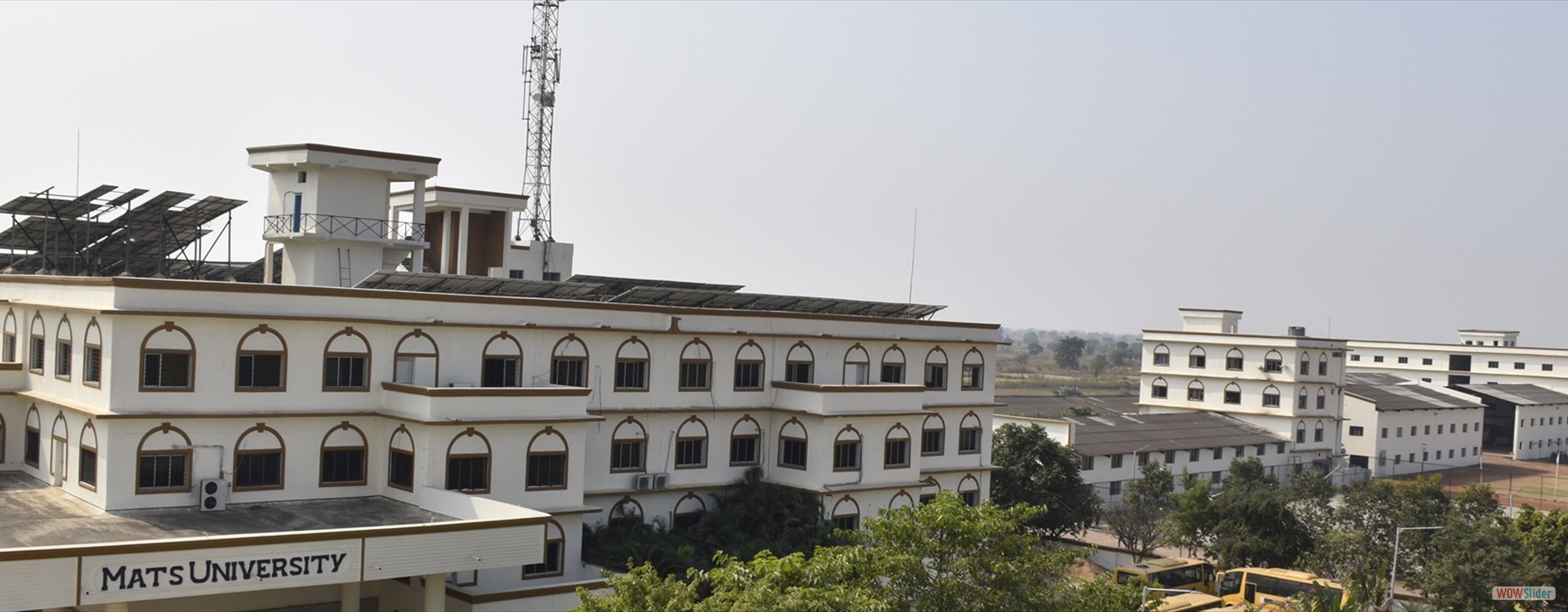
Introduction about Ph.D. in Library & Information Science at MATS University
The Doctor of Philosophy (Ph.D.) in Library & Information Science (LIS) at MATS University is designed for seasoned professionals who aspire to lead scholarly research, shape information policies, and drive innovation in knowledge management. This program blends rigorous theoretical frameworks with cutting‑edge research methodologies, preparing candidates to become thought leaders in academia, public libraries, corporate information centers, and digital archiving.
Eligibility Criteria for Ph.D. in Library & Information Science at MATS University
- Master’s degree in Library Science, Information Science, Documentation, or a closely related discipline from a recognized university.
- Minimum aggregate of 55% (or equivalent CGPA) in the qualifying postgraduate program.
- Valid GATE/NET score in the relevant subject is preferred but not mandatory.
- Candidates must have a strong research orientation, demonstrated through publications, conference presentations, or professional projects.
- For international applicants, a minimum of 3 years of professional experience in library or information management is required.
Entrance Exam for Ph.D. in Library & Information Science at MATS University
The entrance assessment comprises two stages:
- Written Test: Objective and descriptive questions covering research methodology, LIS theory, digital libraries, and information retrieval.
- Interview: Evaluation of the candidate’s research proposal, academic background, and suitability for doctoral research.
Admission committees prioritize candidates with a clear, innovative research proposal that aligns with the university’s strategic research themes.
Fee Structure for Ph.D. in Library & Information Science at MATS University
| Component | Annual Fee (INR) |
|---|---|
| Tuition & Lecture Fees | 45,000 |
| Laboratory & Resource Charges | 12,000 |
| Examination & Evaluation Fees | 8,000 |
| Library & Digital Resource Access | 5,000 |
| Total Approx. per Year | 70,000 |
Students may avail of yearly scholarships, research grants, or teaching assistantships to offset tuition costs.
Admission Process for Ph.D. in Library & Information Science at MATS University
- Online application submission through the university portal.
- Upload scanned copies of academic transcripts, identity proof, and research proposal.
- Pay the non‑refundable application fee (INR 2,000).
- Appear for the written entrance test (scheduled on designated dates).
- Shortlisted candidates are invited for a personal interview.
- Final admission letter issued to successful candidates.
Ph.D. Subjects and Specializations in Library & Information Science at MATS University
Students can select from a variety of specializations that reflect emerging trends in the LIS domain:
- Digital Libraries and E‑Resources Management
- Knowledge Organization and Classification Systems
- Information Retrieval and Data Mining
- Archives and Heritage Preservation
- Information Policy, Ethics, and Governance
- Health Information Management
- Emerging Technologies in Library Services (AI, Blockchain, VR)
Research Areas in Library & Information Science at MATS University
Faculty mentors guide doctoral candidates across interdisciplinary research streams, including:
- Big Data Analytics for Information Retrieval
- Open Access Publishing and Scholarly Communication
- Community‑Centric Library Services and Social Inclusion
- Digitization of Rare Manuscripts and Cultural Heritage
- Information Literacy and Lifelong Learning
- User Experience (UX) Design for Digital Library Platforms
- Impact Assessment of Library Automation Systems
Documents Required for Ph.D. in Library & Information Science at MATS University
| Document | Details |
|---|---|
| Academic Transcripts | Copies of all qualifying degree certificates (Bachelor & Master) |
| Research Proposal | 1500‑word synopsis outlining objectives, methodology, and expected outcomes |
| Identity Proof | Aadhar/Passport (for Indian candidates) or Passport (for foreign nationals) |
| Letter of Recommendation | Two academic or professional references |
| Entrance Exam Scorecard | GATE/NET or university‑conducted test result |
MATS University Ph.D. Syllabus for Library & Information Science
The doctoral curriculum is structured into three phases:
- Coursework (Year 1): Advanced research methodology, statistics for LIS, digital curation, and ethics in information science.
- Comprehensive Examination (End of Year 1): Written and oral tests to assess depth of knowledge.
- Dissertation Research (Years 2‑4): Original contribution to LIS literature, periodic progress reviews, and final defence.
How To Apply for Ph.D. in Library & Information Science at MATS University
Prospective candidates should follow these steps:
- Visit the official MATS University admissions portal.
- Register using a valid email address and create a secure password.
- Complete the online application form, ensuring all mandatory fields are filled.
- Upload the required documents (see “Documents Required” section).
- Pay the application fee via net banking or credit/debit card.
- Submit the application and note the generated application number for future reference.
For assistance with proposal writing or data analysis, explore our Thesis and Dissertation Writing Services, Research Data Analysis Services, Research Paper Writing Services, and Questionnaire Design and Development – all tailored to support doctoral scholars.
Career Scope and Job Opportunities After Ph.D. in Library & Information Science from MATS University
Graduates enjoy a diverse spectrum of career pathways:
- Professor or Associate Professor in LIS departments of universities and colleges.
- Chief Librarian or Information Manager in national, academic, or corporate libraries.
- Research Analyst in government agencies, NGOs, or private research firms.
- Consultant for digital transformation projects in library and information services.
- Policy Advisor for information governance, data privacy, and open‑access initiatives.
- Entrepreneurial ventures such as knowledge‑management startups or archival consultancy firms.
Scholarship for Ph.D. in Library & Information Science at MATS University
MATS University offers merit‑based and need‑based scholarships to deserving candidates. Selected scholars receive:
- Full tuition waiver for the entire duration of the program.
- Monthly stipend ranging from INR 15,000 to INR 20,000.
- Access to funded research projects and conference travel grants.
Applications for scholarships are evaluated alongside the main admission file; candidates must submit a separate scholarship declaration form.
FAQs Regarding Ph.D. in Library & Information Science at MATS University
- Q: What is the minimum duration to complete the Ph.D.?
- A: The standard duration is 4 years, with a possible extension up to 6 years based on research progress.
- Q: Can I pursue the Ph.D. part‑time while working?
- A: Yes, MATS University provides a flexible part‑time mode for working professionals, subject to approval by the Departmental Committee.
- Q: Is there a language requirement for the dissertation?
- A: The dissertation can be submitted in English or any Indian language recognized by the University, provided an English abstract is included.
- Q: How many publications are required before thesis submission?
- A: At least two peer‑reviewed journal articles or conference papers are expected before the final defence.
- Q: Are international students eligible for the same scholarships?
- A: International candidates may apply for the university’s global scholar scheme, which mirrors the merit‑based benefits offered to domestic students.




