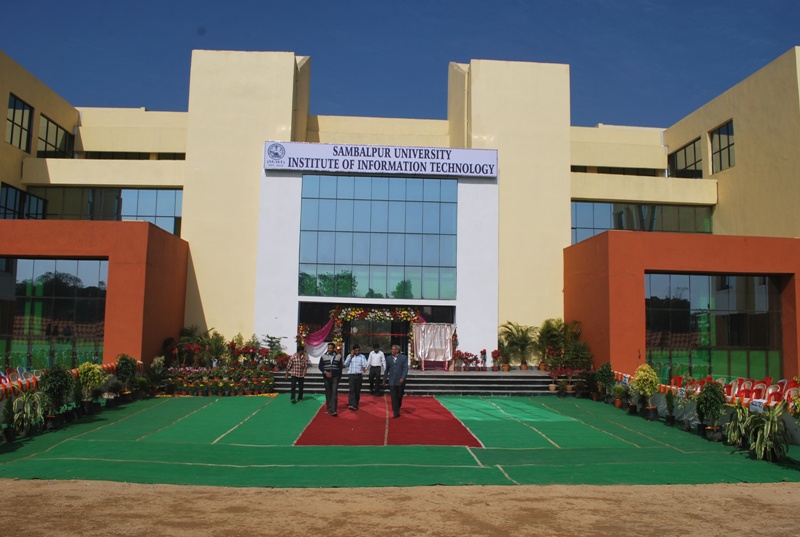
Ph.D. in Library & Information Science from Sambalpur University
Introduction about Ph.D. in Library & Information Science at Sambalpur University
Sambalpur University, a center of academic excellence in eastern India, offers a rigorous Doctoral programme in Library & Information Science (LIS). This programme is designed for seasoned professionals, academicians, and researchers who aspire to shape the future of information management, digital archiving, and knowledge dissemination. The curriculum blends theoretical foundations with practical research, enabling candidates to contribute original insights to the evolving landscape of libraries, information centres, and knowledge societies.
Eligibility Criteria for Ph.D. in Library & Information Science at Sambalpur University
Prospective candidates must meet the following minimum requirements:
- A Master’s degree in Library & Information Science or a closely related discipline (e.g., Information Technology, Documentation, Archival Studies) from a recognised university.
- Minimum aggregate of 55% (or 5.0 CGPA) for general candidates; 50% (or 4.75 CGPA) for SC/ST/OBC categories.
- Qualifying national-level entrance test (UGC-NET, CSIR NET, or university‑conducted Ph.D. entrance).
- Submission of a research proposal that aligns with the university’s research agenda.
Entrance Exam for Ph.D. in Library & Information Science at Sambalpur University
The entrance examination evaluates candidates on research aptitude, subject knowledge, and analytical skills. The test comprises:
- Written Test: Objective and descriptive questions covering LIS theory, information retrieval, digital libraries, and research methodology.
- Interview: A panel of experts assesses the proposed research topic, methodological soundness, and the candidate’s motivation.
Preparation resources include previous years’ question papers, standard textbooks like Foundations of Library and Information Science, and scholarly journals.
Fee Structure for Ph.D. in Library & Information Science at Sambalpur University
| Component | Amount (INR) | Notes |
|---|---|---|
| Application & Registration Fee | 2,500 | One‑time fee payable online. |
| Annual Tuition Fee | 12,000 | Charged at the start of each academic year. |
| Laboratory & Resource Access Fee | 3,000 | Includes digital library subscriptions and archival access. |
| Examination & Evaluation Fee | 1,500 | Per semester. |
| Total Approximate Cost (3‑Year Programme) | 45,000 | Excluding scholarships and waivers. |
Admission Process for Ph.D. in Library & Information Science at Sambalpur University
The admission workflow is streamlined to ensure transparency:
- Online Application: Submit the application form through the university portal along with scanned copies of academic certificates.
- Document Verification: Appear at the designated verification centre for original document validation.
- Entrance Examination: Appear for the written test and subsequent interview.
- Final Selection: Merit list released based on entrance performance, academic record, and research proposal quality.
- Admission Confirmation: Pay the registration fee and receive the official admission letter.
Ph.D. Subjects and Specializations in Library & Information Science at Sambalpur University
Candidates can tailor their research across several cutting‑edge specializations:
- Digital Libraries and E‑Resources Management
- Information Retrieval and Data Mining
- Knowledge Management and Ontology Engineering
- Archival Science and Preservation Techniques
- Library Management Information Systems (LMIS)
- Information Policy, Ethics, and Legislation
Research Areas in Library & Information Science at Sambalpur University
Faculty mentors guide research in the following high‑impact domains:
| Research Theme | Potential Applications |
|---|---|
| Artificial Intelligence for Information Retrieval | Smart search engines, recommendation systems. |
| Big Data Analytics in Library Services | User behaviour analytics, demand forecasting. |
| Preservation of Indigenous Knowledge | Digital archiving of tribal manuscripts, oral histories. |
| Open Access Publishing Models | Policy frameworks for scholarly communication. |
| Community‑Based Library Development | Rural library outreach, literacy programmes. |
Documents Required for Ph.D. in Library & Information Science at Sambalpur University
| Document | Details |
|---|---|
| Academic Transcript | Original & certified copy of Master's degree marksheet. |
| Research Proposal | 500–800 words outlining objectives, methodology, and expected outcomes. |
| Entrance Exam Scorecard | UGC‑NET/CSIR‑NET or university‑conducted test result. |
| Identity Proof | Aadhaar card, passport, or voter ID. |
| Experience Certificate (if applicable) | Letter from current/previous employer detailing relevant work. |
Sambalpur University Ph.D. Syllabus for Library & Information Science
The syllabus is divided into two major components: Core Coursework and Research Work.
- Core Coursework (Year 1): Research Methodology, Advanced Information Retrieval, Digital Library Architecture, Statistics for Social Sciences, Ethics in Information Management.
- Research Work (Years 2‑3): Literature Review, Proposal Development, Data Collection & Analysis, Dissertation Writing, Publication of research papers in peer‑reviewed journals.
Students are encouraged to attend national conferences, publish in indexed journals, and collaborate with industry partners to enhance the relevance of their research.
How To Apply for Ph.D. in Library & Information Science at Sambalpur University
Follow these step‑by‑step instructions to ensure a smooth application:
- Visit the official Sambalpur University admissions portal and click on “Ph.D. – Library & Information Science”.
- Register using a valid email address and create a strong password.
- Fill in personal details, academic history, and upload scanned copies of the required documents (refer to the Documents Required table).
- Pay the non‑refundable application fee of INR 2,500 through net banking or UPI.
- Submit the completed form and retain the acknowledgement receipt for future reference.
- Prepare for the entrance exam using recommended study material and schedule your interview after clearing the written test.
For additional assistance with proposal drafting or editing, explore the Editing and Proofreading Services offered by professional consultants.
Career Scope and Job Opportunities After Ph.D. in Library & Information Science from Sambalpur University
A doctoral degree in LIS opens a spectrum of high‑impact career pathways:
- Academic Positions: Assistant Professor, Associate Professor, or Head of Department in universities and research institutes.
- Research Scientist: Roles in national research laboratories, think‑tanks, and private R&D centres focusing on knowledge management.
- Information Architect: Designing metadata schemas, digital asset management systems for corporations.
- Library Director / Chief Librarian: Leadership of university, public, or corporate libraries.
- Policy Analyst: Contributing to government initiatives on open access, data privacy, and information governance.
- Consultant: Providing expertise to NGOs and international agencies on information literacy programmes.
Enhanced earning potential, research grants, and international collaborations are typical benefits for Ph.D. alumni.
Scholarship for Ph.D. in Library & Information Science at Sambalpur University
Sambalpur University, in partnership with governmental bodies and corporate sponsors, offers several financial aid options:
- University Merit Scholarship: Up to 50% tuition waiver for candidates with a CGPA of 8.0 and above.
- UGC‑SRF (Senior Research Fellowship): Annual stipend of INR 31,000 plus contingency grant.
- National Fellowship Schemes: Fellowships under the Ministry of Education for research in emerging technologies.
- External Grants: Opportunities to apply for grants from organizations such as the World Bank, UNESCO, and private foundations.
Students seeking proposal assistance can benefit from the PhD Topic Selection and Proposal Assistance service.
FAQs Regarding Ph.D. in Library & Information Science at Sambalpur University
- 1. What is the minimum duration to complete the Ph.D.?
- The programme is structured for a minimum of three years, subject to satisfactory progress in coursework and research.
- 2. Can I pursue the Ph.D. part‑time while working?
- Yes, Sambalpur University offers a flexible part‑time mode for working professionals, with extended timelines for submission.
- 3. Is there a provision for foreign students?
- International candidates are welcomed, provided they meet the academic criteria and obtain a valid study visa.
- 4. How many papers must I publish before submitting the dissertation?
- At least two research articles in refereed journals indexed in Scopus or Web of Science are recommended.
- 5. What support is available for patent filing?
- Students can access the Patent Filing




