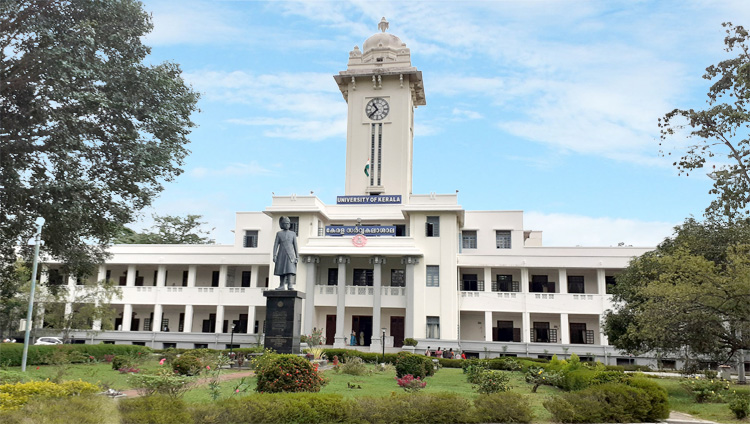
Ph.D. in Linguistics from Kerala University: Eligibility, Entrance Exam, Fee Structure, Admission Process, Subjects, Research Areas, Syllabus, Scholarship & Career Scope
Introduction about Ph.D. in Linguistics at Kerala University
Embarking on a doctoral journey in Linguistics at Kerala University opens a portal to cutting‑edge research, interdisciplinary collaboration, and a distinguished academic legacy. As a premier institution in South India, Kerala University blends rich cultural heritage with modern research facilities, making it an ideal destination for professionals aspiring to deepen their expertise in language theory, sociolinguistics, computational linguistics, and beyond. This guide equips you with every detail—eligibility, entrance examinations, fee structures, admission pathways, research domains, syllabus, scholarships, and career trajectories—so you can confidently chart your path to becoming a linguistic scholar.
Eligibility Criteria for Ph.D. in Linguistics at Kerala University
Kerala University maintains rigorous standards to ensure that only highly qualified candidates are admitted to its Ph.D. program in Linguistics. The essential eligibility requirements are:
- A Master’s degree (or equivalent) in Linguistics, Language Studies, English, or a closely related discipline with a minimum of 55% aggregate (or CGPA 6.0/10). Candidates with 50% are considered if they have published research papers in reputable journals.
- English proficiency demonstrated through a valid TOEFL/IELTS score for non‑English medium graduates.
- Professional experience in teaching, research, or language consultancy is advantageous but not mandatory.
- Candidates must satisfy the University’s age limit (generally below 35 years) unless exempted under the reserved categories.
Entrance Exam for Ph.D. in Linguistics at Kerala University
The entrance examination evaluates both theoretical knowledge and research aptitude. The exam consists of:
- Paper I – Core Linguistics: Syntax, phonology, morphology, semantics, and pragmatics.
- Paper II – Research Methodology: Qualitative and quantitative methods, data analysis, and academic writing.
- Interview: A panel interview to assess research proposal clarity and alignment with faculty expertise.
Preparation resources include past question papers, recommended texts like “Introduction to Linguistics” by Fromkin et al., and workshops offered by the Department of Linguistics. Candidates may also benefit from Editing and Proofreading Services to refine their research proposals before submission.
Fee Structure for Ph.D. in Linguistics at Kerala University
| Fee Component | Amount (INR) | Notes |
|---|---|---|
| Application Processing Fee | 2,500 | Non‑refundable, payable at the time of online application |
| Annual Tuition Fee | 15,000 | Charged per academic year, inclusive of laboratory and library access |
| Research Project Grant (optional) | 30,000 | Available to candidates with approved project proposals |
| Examination & Evaluation Fee | 5,000 | One‑time fee for the final viva‑voce assessment |
| Miscellaneous Charges | 2,000 | Includes student union, sports, and cultural activities |
| Total Approximate Cost (4 years) | 84,500 | Subject to revision each academic session |
Admission Process for Ph.D. in Linguistics at Kerala University
The admission workflow is streamlined to ensure transparency and fairness:
- Online Application: Register on the university portal, fill the application form, and upload required documents.
- Submission of Research Proposal: Provide a concise (2,000‑word) proposal outlining objectives, methodology, and expected contributions.
- Entrance Examination: Appear for the written test and subsequent interview (if shortlisted).
- Merit Evaluation: Combine academic scores, entrance performance, and research proposal quality.
- Offer Letter: Successful candidates receive an admission letter with registration instructions.
- Enrollment & Fee Payment: Complete fee payment and enroll in the first semester.
Applicants seeking personalized guidance can explore PhD Admission Assistance to navigate each step efficiently.
Ph.D. Subjects and Specializations in Linguistics at Kerala University
Kerala University offers a diverse range of specializations, allowing scholars to align their research with emerging linguistic trends:
- Applied Linguistics & Language Teaching
- Computational Linguistics & Natural Language Processing
- Sociolinguistics & Language Policy
- Phonetics & Phonology
- Discourse Analysis
- Neurolinguistics & Psycholinguistics
- Historical & Comparative Linguistics
Research Areas in Linguistics at Kerala University
The university’s research ecosystem encourages interdisciplinary projects. Current focal areas include:
- Digital Corpus Development for Malayalam and other Dravidian languages.
- Language Revitalization and Preservation of Indigenous Dialects.
- AI‑based Machine Translation for South Indian languages.
- Multimodal Discourse Studies in Media and Advertising.
- Language Acquisition in Bilingual Settings.
- Speech Technology for Assistive Devices.
For scholars without a concrete topic, the department provides PhD Topic Selection and Proposal Assistance to shape a compelling research agenda.
Documents Required for Ph.D. in Linguistics at Kerala University
| Document | Requirement Details |
|---|---|
| Academic Transcripts | Mark sheets & certificates of all graduate studies (PDF, attested) |
| Research Proposal | 2,000‑word document with objectives, literature review, methodology |
| Curriculum Vitae | Up‑to‑date CV highlighting publications, presentations, work experience |
| Identity Proof | Aadhar Card / Passport copy |
| English Proficiency Certificate | TOEFL/IELTS (if applicable) |
| Experience Letter (Optional) | Letter from employer confirming relevant professional experience |
Kerala University Ph.D. Syllabus for Linguistics
The syllabus is structured into core coursework, research methodology, and dissertation components. Key modules:
- Advanced Syntax and Semantics
- Phonetics Lab Techniques
- Statistical Methods for Linguistic Data
- Computational Modelling of Language
- Ethnographic Fieldwork in Language Communities
- Dissertation Seminar (monthly progress reviews)
How To Apply for Ph.D. in Linguistics at Kerala University
Follow these step‑by‑step instructions to submit a successful application:
- Visit the official Kerala University admissions portal and create a user account.
- Complete the online application form, ensuring accurate personal and academic details.
- Upload scanned copies of all required documents (refer to the Documents table).
- Pay the non‑refundable processing fee via the integrated payment gateway.
- Submit your research proposal and optionally enlist Research Publication Support to polish the manuscript before submission.
- Monitor your email for examination notifications and interview schedules.
Career Scope and Job Opportunities After Ph.D. in Linguistics from Kerala University
A doctorate in Linguistics from Kerala University equips professionals with analytical, research, and communication skills that are highly prized across sectors:
- Academia: Lecturer/Assistant Professor, Research Fellow, Department Head.
- Language Technology: NLP Engineer, Speech Recognition Specialist, AI language model developer.
- Government & Policy: Language Planning Officer, Cultural Preservation Consultant, Educational Policy Analyst.
- Publishing & Media: Content Strategist, Editor, Linguistic Consultant for advertising.
- International Organisations: UNESCO language preservation projects, NGOs focusing on education and linguistics.
The interdisciplinary nature of the program also allows transition into data science, cognitive psychology, and legal linguistics, broadening employment horizons.
Scholarship for Ph.D. in Linguistics at Kerala University
Financial support is accessible through multiple channels:
- Kerala University Merit Scholarship: Covers tuition and a monthly stipend for top‑ranked candidates.
- UGC Junior Research Fellowship (JRF): National-level fellowship providing a monthly honorarium and contingency grant.
- Departmental Research Grants: Project‑based funding for candidates aligned with faculty research themes




