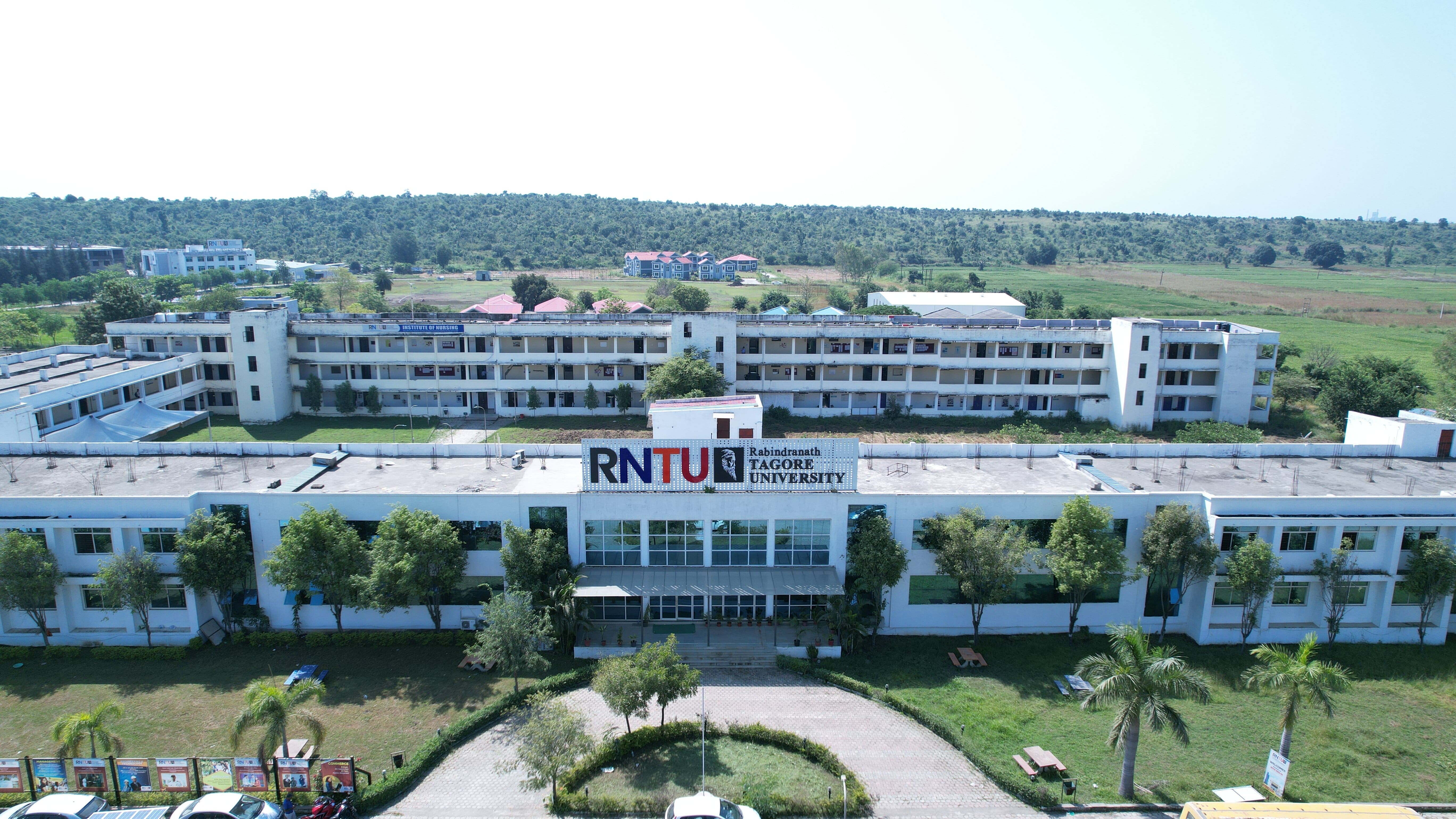
Ph.D. in Mass Communication from Rabindranath Tagore University: Eligibility, Admission, Fee, Syllabus & Career
Introduction about Ph.D. in Mass Communication at Rabindranath Tagore University
The Doctor of Philosophy (Ph.D.) in Mass Communication at Rabindranath Tagore University is designed for professionals who aspire to become thought leaders, researchers, and educators in the dynamic world of media and communication. This interdisciplinary program blends theoretical frameworks with practical research, enabling candidates to explore emerging trends such as digital media, media ethics, audience analytics, and strategic communication. With a reputation for academic excellence and industry relevance, the university offers a supportive environment that nurtures innovation, critical thinking, and scholarly contribution to the field of mass communication.
Eligibility Criteria for Ph.D. in Mass Communication at Rabindranath Tagore University
Prospective candidates must satisfy the following minimum requirements:
- Holding a Master’s degree (M.A./M.Sc.) in Mass Communication, Journalism, Media Studies, or any related discipline from a recognized university.
- Minimum aggregate of 55% (or equivalent grade) in the postgraduate programme.
- Eligibility for Indian nationals as well as foreign candidates meeting the academic standards.
- Must have a valid GATE/UGC NET score (optional but preferred) or pass the university’s entrance examination.
- Demonstrated research aptitude through a well‑structured research proposal.
Entrance Exam for Ph.D. in Mass Communication at Rabindranath Tagore University
The entrance examination assesses a candidate’s grasp of core communication concepts, research methodology, and analytical abilities. The exam structure typically includes:
- Section A – General Aptitude (Logical reasoning, quantitative ability – 30 marks)
- Section B – Subject Knowledge (Mass communication theories, media law, research methods – 50 marks)
- Section C – English Language (Comprehension, grammar, essay – 20 marks)
Candidates must secure a minimum of 50% overall and at least 40% in Section B to qualify for the subsequent interview and viva‑voce.
Fee Structure for Ph.D. in Mass Communication at Rabindranath Tagore University
| Fee Component | Amount (INR) |
|---|---|
| Admission & Registration Fee | 15,000 |
| Annual Tuition Fee (per year) | 45,000 |
| Laboratory & Library Charges | 5,000 |
| Examination & Evaluation Fees | 8,000 |
| Miscellaneous (Internet, campus activities) | 2,000 |
| Total Approximate Cost for 3‑Year Program | 210,000 |
Note: The fee structure is subject to annual revision. Scholarships and fee waivers are available for meritorious candidates.
Admission Process for Ph.D. in Mass Communication at Rabindranath Tagore University
The admission workflow comprises the following steps:
- Online Application: Fill out the web‑based application form and upload required documents.
- Entrance Examination: Appear for the university‑conducted test or submit a valid GATE/UGC NET score.
- Interview & Viva‑Voce: Shortlisted candidates are invited for a personal interview to discuss their research proposal.
- Final Selection: Merit list released based on academic score, entrance test performance, and interview assessment.
- Admission Confirmation: Pay the registration fee and submit the original documents for verification.
Ph.D. Subjects and Specializations in Mass Communication at Rabindranath Tagore University
Students can tailor their research to one of the following specializations:
- Digital Media & New Media Technologies
- Media Management & Branding
- Journalism Ethics & Investigative Reporting
- Communication Policy & Regulation
- Audience Studies & Media Psychology
- Public Relations & Corporate Communication
Research Areas in Mass Communication at Rabindranath Tagore University
The university encourages interdisciplinary research in areas such as:
- Impact of Social Media on Political Discourse
- Media Representation of Gender and Minority Groups
- Big Data Analytics in Audience Measurement
- Evolution of Mobile Journalism (MoJo)
- Strategic Communication in Crisis Management
- Ethical Frameworks for AI‑Driven Newsrooms
Documents Required for Ph.D. in Mass Communication at Rabindranath Tagore University
| Document | Purpose |
|---|---|
| Completed Application Form | Official record of candidate’s details |
| Academic Transcripts & Degree Certificates | Verification of eligibility |
| Research Proposal (500‑800 words) | Assessment of research aptitude |
| Entrance Exam Scorecard / GATE/UGC NET Score | Qualification for interview |
| Curriculum Vitae (CV) | Professional background overview |
| Two Academic Recommendation Letters | Endorsement of research potential |
| Proof of Identity (Aadhaar/Passport) | Identity verification |
| Passport‑Size Photograph | For university records |
Rabindranath Tagore University Ph.D. Syllabus for Mass Communication
The doctoral syllabus is divided into three phases:
- Phase I – Coursework (Year 1): Research methodology, advanced media theory, statistical analysis, and ethics in communication.
- Phase II – Comprehensive Examination (End of Year 2): Written and oral exams covering core subjects and the proposed research area.
- Phase III – Thesis Submission & Defense (Year 3): Original dissertation, peer‑review publications, and viva‑voce.
Throughout the program, candidates are encouraged to publish at least two research papers in reputable journals and present findings at national conferences.
How To Apply for Ph.D. in Mass Communication at Rabindranath Tagore University
Follow these straightforward steps to submit your application:
- Visit the official university website and navigate to the “Admissions – Ph.D.” portal.
- Create a user account, fill in personal and academic details, and upload scanned copies of required documents.
- Pay the non‑refundable application fee through the secure online gateway.
- Schedule your entrance exam date (if applicable) and submit the research proposal in PDF format.
- Track the status of your application via the portal and respond promptly to interview invitations.
Career Scope and Job Opportunities After Ph.D. in Mass Communication from Rabindranath Tagore University
A Ph.D. in Mass Communication opens doors to diverse career pathways, including:
- Senior Academic Positions (Assistant/Associate Professor, Dean) in universities and research institutes.
- Lead Researcher or Director in think‑tanks, media houses, and NGOs focusing on communication studies.
- Strategic Communication Consultant for multinational corporations and government agencies.
- Chief Editor or Content Strategist for digital media platforms.
- Policy Analyst specializing in media regulation and public information campaigns.
- Independent Research Fellow with grant‑funded projects.
Enhanced credibility, higher earning potential, and the ability to influence media discourse are among the prominent benefits.
Scholarship for Ph.D. in Mass Communication at Rabindranath Tagore University
Rabindranath Tagore University offers merit‑based scholarships and research assistantships to outstanding candidates. Key scholarship options include:
- University Merit Scholarship: 50% tuition waiver for students scoring above 75% in the entrance test.
- Research Assistantship: Stipend of INR 15,000 per month for involvement in faculty‑led projects.
- External Grants: Opportunities to apply for funding from bodies such as the UGC, CSIR, and private foundations.
Applicants are encouraged to mention their need for financial assistance in the application form to be considered for these awards.
<h2




