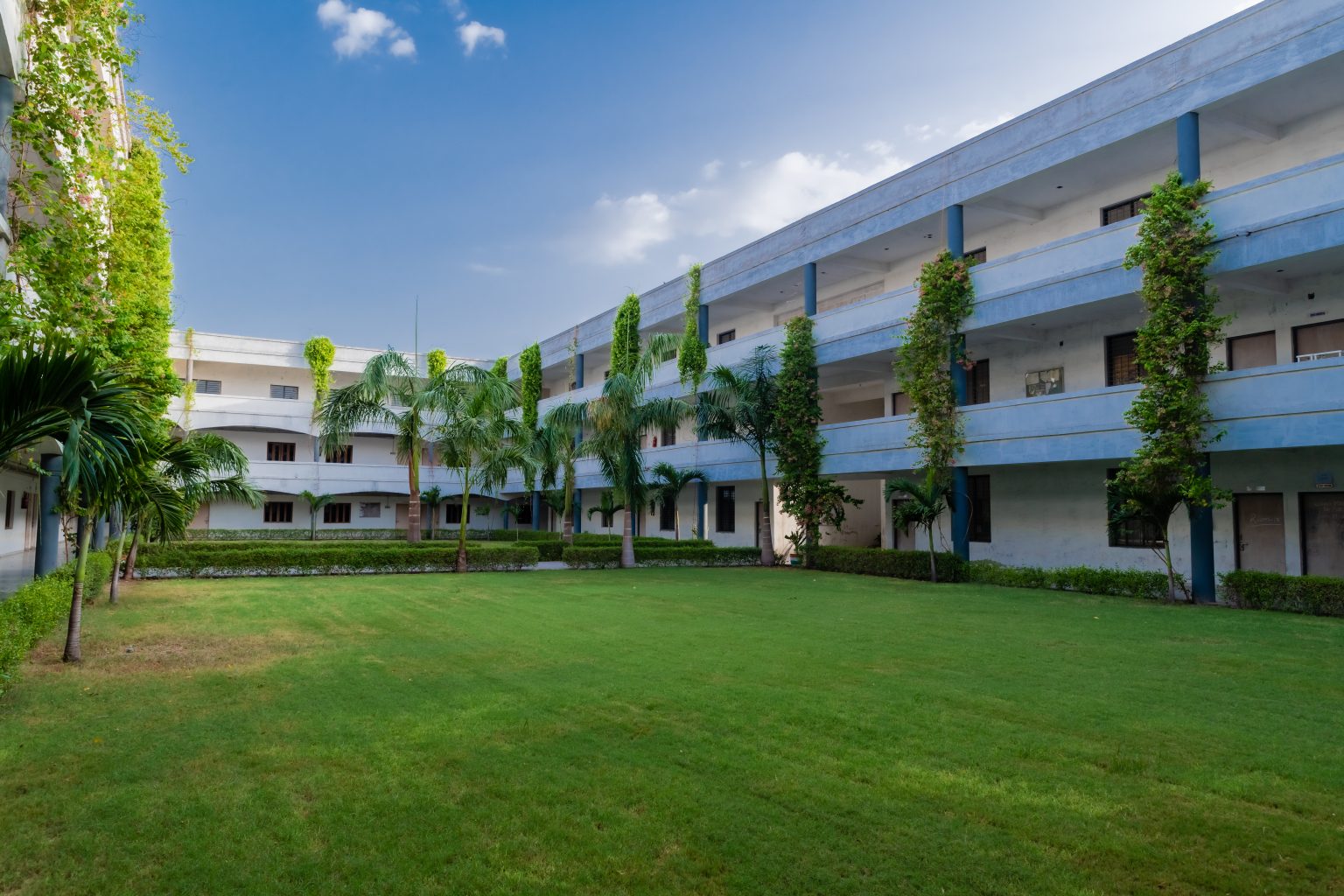
Ph.D. in Mathematics from Monark University: Eligibility, Entrance Exam, Fee Structure, Admission Process, Subjects, Research Areas, Syllabus, Scholarship & Career Scope
Introduction about Ph.D. in Mathematics at Monark University
Monark University has emerged as a premier destination for aspiring scholars who wish to push the boundaries of mathematical knowledge. The Ph.D. in Mathematics program is designed to nurture analytical rigor, foster original research, and produce leaders in academia, industry, and government research labs. With a vibrant faculty, state?of?the?art research facilities, and interdisciplinary collaborations, Monark University offers a fertile ground for deep theoretical inquiry and applied problem solving.
Eligibility Criteria for Ph.D. in Mathematics at Monark University
Prospective candidates must meet the following minimum requirements:
- A Master?s degree (M.Sc. or M.Math) in Mathematics or a closely related discipline with a minimum aggregate of 55% (or CGPA 6.0/10).
- For candidates holding a B.Sc. (Honours) in Mathematics, an additional PG Diploma in a relevant field is acceptable if the combined score meets the 55% threshold.
- Valid score in any recognized national entrance test (e.g., UGC NET, GATE, CSIR-UGC NET) or the university?specific Ph.D. entrance examination.
- English language proficiency (IELTS ? 6.0 or TOEFL ? 80) for international applicants.
- For working professionals, a minimum of two years of relevant research or teaching experience can be considered as a compensatory factor.
Entrance Exam for Ph.D. in Mathematics at Monark University
The entrance exam evaluates candidates on core mathematical concepts, problem?solving ability, and research aptitude. The test comprises three sections:
- Written Test (90 minutes): Covers Real Analysis, Algebra, Topology, Differential Equations, and Applied Mathematics.
- Programming/Computational Skills (30 minutes): Basic coding in MATLAB or Python to assess algorithmic thinking.
- Research Proposal Presentation (15 minutes): Candidates present a concise synopsis of their proposed research topic, followed by a Q&A.
Candidates who have qualified for UGC NET or GATE are exempted from the written test but must attend the interview round.
Fee Structure for Ph.D. in Mathematics at Monark University
| Fee Component | Annual Amount (INR) |
|---|---|
| Tuition Fee | ? 45,000 |
| Laboratory & Research Materials | ? 12,000 |
| Library & Digital Resources | ? 6,000 |
| Administrative & Examination Charges | ? 4,000 |
| Total (per year) | ? 67,000 |
Scholarships, teaching assistantships, and research grants can significantly offset these costs.
Admission Process for Ph.D. in Mathematics at Monark University
The streamlined admission workflow consists of the following steps:
- Online Application Submission: Fill out the digital form, upload academic transcripts, and pay the non?refundable processing fee.
- Document Verification: The admissions office verifies the authenticity of all submitted certificates.
- Entrance Examination / Qualifying Test: As described above, applicants either sit for the university test or submit their qualified national test scores.
- Interview & Research Proposal Review: A panel of senior faculty members assesses the candidate?s research proposal and academic fit.
- Final Offer Letter: Successful candidates receive an official admission letter with details about enrollment and fee payment.
- Enrollment & Orientation: New Ph.D. scholars attend a mandatory orientation covering research ethics, campus resources, and mentorship guidelines.
For personalized guidance throughout the process, many candidates avail PhD Admission Assistance.
Ph.D. Subjects and Specializations in Mathematics at Monark University
Monark University offers a diverse portfolio of specializations, allowing candidates to align their research with emerging global trends:
- Algebraic Geometry & Number Theory
- Applied Mathematics & Computational Modeling
- Statistical Theory & Data Science
- Mathematical Physics & Quantum Mechanics
- Operations Research & Optimization
- Topology & Differential Geometry
Research Areas in Mathematics at Monark University
Faculty members are actively engaged in cutting?edge projects across multiple domains. Highlighted research themes include:
- Cryptographic Algorithms and Secure Communication
- Machine Learning Theory and High?Dimensional Data Analysis
- Mathematical Modeling of Climate Change
- Non?linear Dynamics and Chaos Theory
- Homological Algebra and Category Theory
- Financial Mathematics and Risk Assessment
Students often collaborate with industry partners such as fintech firms, aerospace agencies, and biotech laboratories. For structured guidance on formulating a compelling research topic, consider PhD Topic Selection and Proposal Assistance.
Documents Required for Ph.D. in Mathematics at Monark University
| Document | Requirement Details |
|---|---|
| Academic Transcripts & Mark Sheets | Original and certified copies of all postgraduate qualifications. |
| Entrance Test Score Card | UGC NET/GATE score or university?conducted exam result. |
| Research Proposal (2,000 words) | Clear problem statement, objectives, methodology, and expected outcomes. |
| Curriculum Vitae (CV) | Highlight academic achievements, publications, and relevant work experience. |
| Letter of Recommendation (2) | From professors or industry supervisors familiar with the applicant?s research potential. |
| Proof of English Proficiency | IELTS/TOEFL scores for non?native speakers. |
Monark University Ph.D. Syllabus for Mathematics
The doctoral curriculum balances coursework with intensive research. Core modules (mandatory) include:
- Advanced Real & Complex Analysis
- Modern Algebraic Structures
- Functional Analysis & Operator Theory
- Stochastic Processes & Probability Theory
- Computational Methods in Mathematics
Elective courses are chosen based on the chosen specialization. A minimum of 12 credit hours of coursework is required before the comprehensive exam.
How To Apply for Ph.D. in Mathematics at Monark University
Follow these concise steps to submit a successful application:
- Visit the official Monark University portal and navigate to the Ph.D. Admissions section.
- Create an account, fill in personal and academic details, and upload scanned copies of all required documents.
- Pay the processing fee via the integrated payment gateway.
- Schedule the entrance test (if applicable) and prepare a 2?page research proposal.
- After submitting, monitor your email for confirmation of the interview date.
- Upon acceptance, complete the enrollment formalities and register for the first semester of coursework.
Applicants seeking editorial support for their research proposals often turn to Editing and Proofreading Services to polish language and formatting.
Career Scope and Job Opportunities After Ph.D. in Mathematics from Monark University
A doctorate in Mathematics opens doors to a spectrum of high?impact careers:
- Academic Positions: Assistant Professor, Lecturer, or Post?Doctoral Fellow at leading universities worldwide.
- Research Scientist: Roles in national labs (e.g., CSIR, DRDO) focusing on theoretical and applied projects.
- Data Science & Analytics: Senior analyst, quantitative researcher, or machine learning engineer in finance, e?commerce, and healthcare.
- Consultancy & Advisory: Providing mathematical modeling expertise to policy think?tanks and multinational corporations.
- Intellectual Property: Patent analyst or examiner specializing in mathematical algorithms ? support available through Patent Filing and Support Services.
Monark?s strong industry linkages ensure that graduates are regularly invited to contribute to R&D projects, publish in high?impact journals, and attend global conferences.
Scholarship for Ph.D. in Mathematics at Monark University
Financial assistance is offered through multiple channels:
- University Merit Scholarships: Awarded to the top 10% of candidates based on entrance test performance.
- Research Assistantships: Stipend of ? 20,000 per month for




