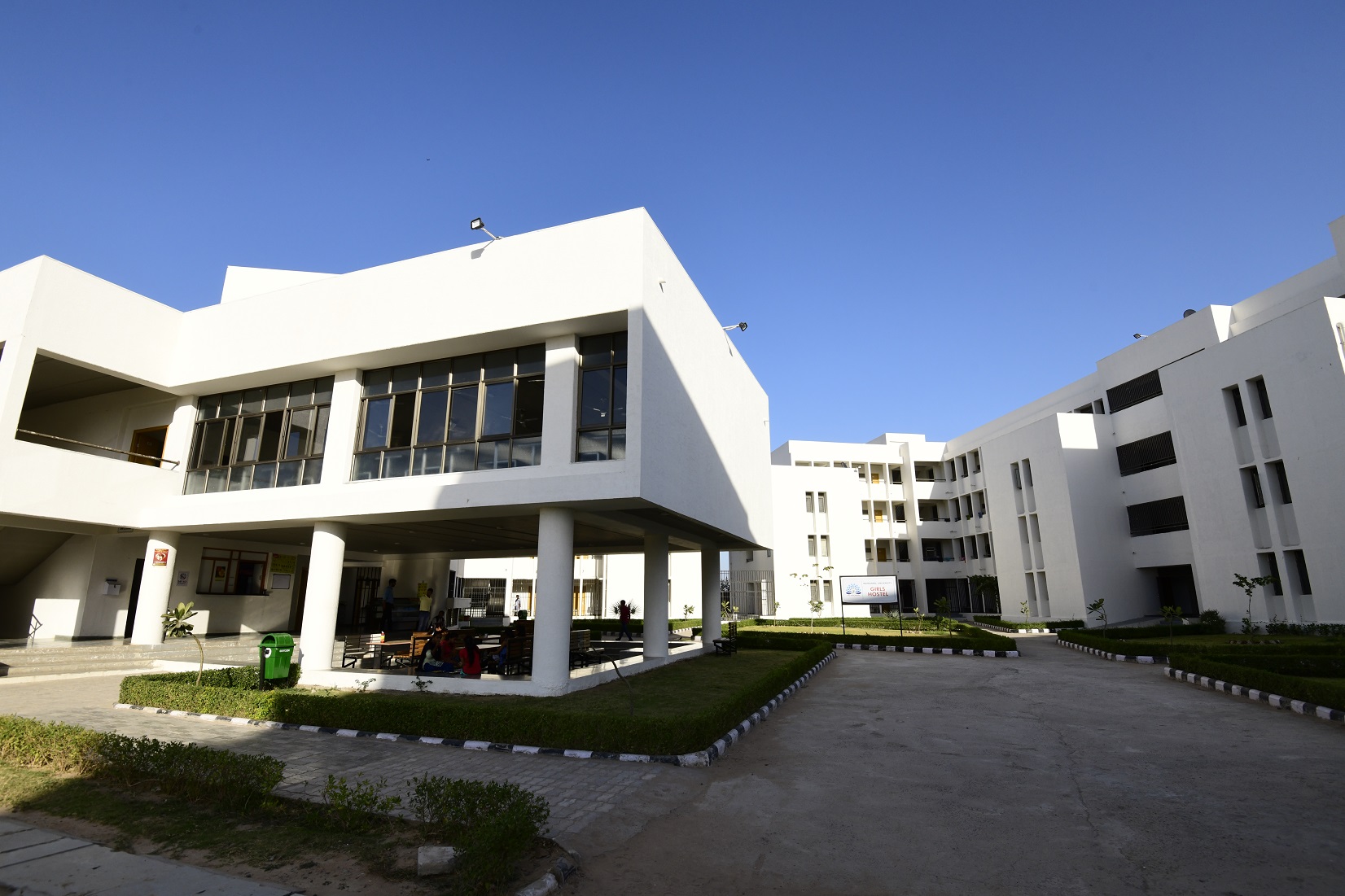
Ph.D. in Mechanical Engineering from Invertis University: Eligibility, Entrance Exam, Fee Structure, Admission Process, Subjects, Research Areas, Syllabus, Scholarship & Career Scope
Introduction about Ph.D. in Mechanical Engineering at Invertis University
Embarking on a doctoral journey in Mechanical Engineering at Invertis University opens doors to groundbreaking research, industry collaborations, and leadership opportunities. Designed for seasoned professionals, this program blends rigorous academic coursework with cutting‑edge laboratory investigations, empowering scholars to become innovators who shape the future of manufacturing, energy, and sustainable design.
Eligibility Criteria for Ph.D. in Mechanical Engineering at Invertis University
- Master’s degree (M.Tech, M.E., or equivalent) in Mechanical Engineering or a closely related discipline with a minimum of 55% aggregate (or CGPA 6.0/10.0).
- For candidates holding a B.E./B.Tech, a minimum of 60% aggregate is required, along with a valid GATE score (minimum 550 marks) or a university‑approved equivalent.
- Professional experience of at least 2 years in research, design, or development roles is preferred but not mandatory.
- English proficiency (IELTS/TOEFL) for international candidates.
Entrance Exam for Ph.D. in Mechanical Engineering at Invertis University
The university conducts its own entrance examination to assess candidates’ depth of knowledge and research aptitude. The exam comprises three sections:
- Core Mechanical Concepts: Thermodynamics, Fluid Mechanics, Manufacturing Processes, and Dynamics.
- Research Methodology: Statistical tools, hypothesis formulation, and literature review techniques.
- Aptitude & Logical Reasoning: Quantitative ability and analytical thinking.
Candidates may also be considered based on GATE, UGC‑NET, or other nationally recognized test scores, subject to the discretion of the Admission Committee.
Fee Structure for Ph.D. in Mechanical Engineering at Invertis University
| Fee Component | Annual Cost (INR) | Notes |
|---|---|---|
| Tuition & Lab Fees | 85,000 | Includes access to state‑of‑the‑art labs and software licences. |
| Research Project Stipend | 30,000* | Disbursed quarterly; eligibility based on progress reports. |
| Administrative & Examination Charges | 12,000 | One‑time per academic year. |
| Library & Resource Access | 5,000 | All digital and print resources. |
| Total Approximate Annual Fee | 132,000 | Subject to revision each academic session. |
*The stipend is funded through university grants, industry collaborations, or external scholarships.
Admission Process for Ph.D. in Mechanical Engineering at Invertis University
- Online Application: Fill out the portal form, upload required documents, and pay the non‑refundable application fee.
- Eligibility Verification: The admissions office validates academic credentials and work experience.
- Entrance Examination / GATE Evaluation: Appear for the university exam or submit GATE/NET scores.
- Interview & Research Proposal Discussion: Shortlisted candidates meet the faculty panel to present their research interests.
- Final Offer Letter: Successful candidates receive an admission letter with fee details and registration instructions.
For personalized guidance, prospective students can explore PhD Admission Assistance services.
Ph.D. Subjects and Specializations in Mechanical Engineering at Invertis University
The doctoral program offers a spectrum of specializations aligned with emerging industry trends:
- Advanced Manufacturing and Additive Processes
- Thermal Systems and Energy Conversion
- Computational Fluid Dynamics (CFD) and Aerodynamics
- Robotics, Automation, and Mechatronics
- Materials Engineering and Nanotechnology
- Biomechanics and Medical Device Design
Research Areas in Mechanical Engineering at Invertis University
Faculty members lead research clusters that address global challenges:
- Renewable Energy Systems – Solar, Wind, and Hybrid Power
- Smart Manufacturing – Industry 4.0, IoT, and Digital Twins
- Low‑Carbon Transportation – Electric Vehicles and Fuel Cells
- Heat Transfer Optimization for HVAC and Cryogenics
- High‑Performance Alloys and Composite Materials
- Artificial Intelligence in Design Optimization
Students can also avail Research Publication Support to disseminate their findings in reputed journals.
Documents Required for Ph.D. in Mechanical Engineering at Invertis University
| Document | Details |
|---|---|
| Academic Transcripts | Original Mark Sheets & Degree Certificates (M.Tech/M.E. or B.Tech with GATE) |
| Research Proposal | 2‑3 page outline of intended research topic |
| Curriculum Vitae | Professional experience, publications, patents (if any) |
| Entrance Exam Scorecard | University test, GATE, or NET result |
| Letter of Recommendation | Two academic or industry references |
| Identity Proof | Aadhaar, Passport, or Driving License |
Invertis University Ph.D. Syllabus for Mechanical Engineering
The syllabus is structured to build a solid foundation before moving into specialized research:
- Core Coursework (Year 1): Advanced Thermodynamics, Finite Element Analysis, Advanced Manufacturing Processes, Research Methodology.
- Seminars & Workshops: Monthly seminars by industry leaders and faculty, participation in national conferences.
- Comprehensive Exams (End of Year 1): Written and oral assessments covering core subjects.
- Research Phase (Years 2‑4): Guided project work, data collection, publication, and thesis writing.
Students seeking assistance in structuring their proposal can benefit from PhD Topic Selection and Proposal Assistance.
How To Apply for Ph.D. in Mechanical Engineering at Invertis University
Follow these steps to submit a successful application:
- Visit the official Invertis University portal and create a user account.
- Complete the online application form, ensuring all fields are accurately filled.
- Upload scanned copies of the documents listed above.
- Pay the application fee via net banking or credit card.
- Schedule the entrance examination date (if applicable).
- Track application status through the portal dashboard.
For comprehensive editing of your research proposal, consider Editing and Proofreading Services to polish language and format.
Career Scope and Job Opportunities After Ph.D. in Mechanical Engineering from Invertis University
A doctoral degree from Invertis University positions graduates for high‑impact roles such as:
- Lead Research Scientist in automotive, aerospace, or energy firms.
- Chief Technology Officer (CTO) or R&D Director in manufacturing enterprises.
- Professor or Dean in reputed engineering colleges.
- Consultant for governmental bodies on policy formulation for sustainable engineering.
- Entrepreneur launching technology start‑ups focused on smart devices or green energy.
Industry partners frequently recruit directly from the university’s campus, offering competitive packages and opportunities to lead funded projects.
Scholarship for Ph.D. in Mechanical Engineering at Invertis University
Invertis University offers merit‑based scholarships covering up to 50% of tuition fees. Additionally, students can apply for:
- Government-funded fellowships (UGC‑JRF, CSIR‑NET).
- Industry‑sponsored scholarships from automotive and energy giants.
- Research grants through collaborative projects.
International scholars may also explore the Honorary Doctorate Programs for recognition of professional achievements.
FAQs Regarding Ph.D. in Mechanical Engineering at Invertis University
- Q1: What is the minimum duration to complete the Ph.D. program?
- A: The typical duration is 4 years, but exceptionally fast candidates may finish in 3 years with early thesis submission.
- Q2: Can I pursue the Ph.D. part‑time while working?
- A: Yes, Invertis University offers a flexible part‑time mode with weekend labs and evening seminars.
- Q3: Is there a requirement for publishing papers before thesis submission?
- A: Candidates must publish at least two peer‑reviewed articles in recognized journals or conferences.
- Q4: How does the university support patent filing?
- A: The Innovation Cell assists candidates throughout the patent process, and students can use the Patent Filing and Support Services for




