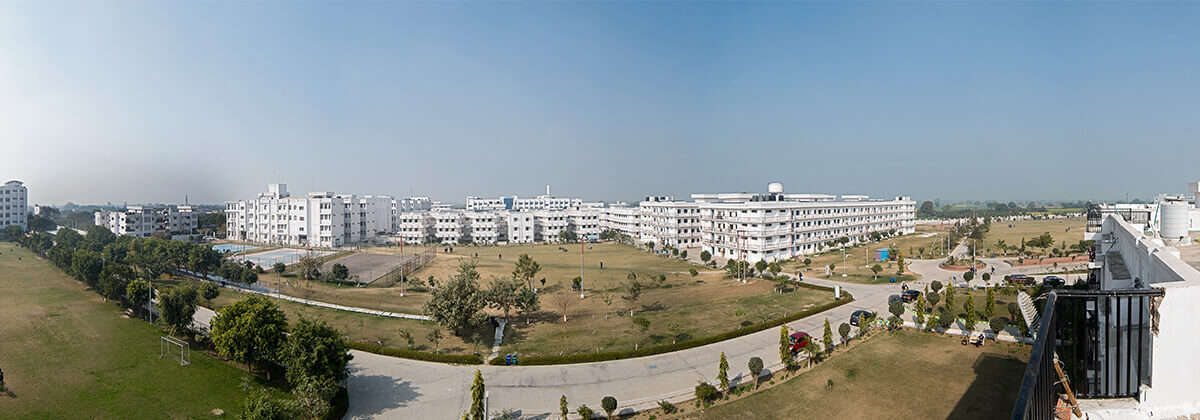
Introduction about Ph.D. in Microbiology at GLA University
Embarking on a Doctor of Philosophy in Microbiology at GLA University opens a gateway to cutting‑edge research, interdisciplinary collaboration, and a rewarding academic career. The program is meticulously designed for professionals who aspire to become thought leaders in microbial genetics, industrial biotechnology, environmental microbiology, and clinical diagnostics. With world‑class faculty, state‑of‑the‑art laboratories, and strong industry linkages, GLA University empowers scholars to transform scientific curiosity into impactful innovations.
Eligibility Criteria for Ph.D. in Microbiology at GLA University
- A Master's degree (M.Sc., M.Tech., M.Pharm.) in Microbiology or a closely related discipline with a minimum aggregate of 55% (or equivalent CGPA).
- For candidates with a Bachelor’s degree (B.Sc.) and a minimum of 60% marks, eligibility is considered under the Direct Ph.D. scheme after meeting additional research experience requirements.
- Candidates must have secured a valid GATE score in Life Sciences or a related paper (optional but gives relaxation in eligibility marks).
- English proficiency (IELTS/TOEFL) is required for international applicants.
- Applicants should possess a passion for research and a clear vision for their doctoral thesis.
Entrance Exam for Ph.D. in Microbiology at GLA University
The university conducts a comprehensive entrance test that evaluates:
- Subject Knowledge: Advanced concepts in microbiology, molecular biology, immunology, and bioinformatics.
- Analytical Ability: Data interpretation, statistical analysis, and problem‑solving skills.
- Research Aptitude: Statement of purpose, research proposal outline, and interview performance.
Preparation resources include past papers, recommended textbooks, and online webinars. Candidates may also benefit from Editing and Proofreading Services to polish their research proposals.
Fee Structure for Ph.D. in Microbiology at GLA University
| Fee Component | Amount (INR) | Notes |
|---|---|---|
| Application Processing Fee | 2,500 | Non‑refundable |
| Annual Tuition & Laboratory Charges | 45,000 | Inclusive of library and e‑resources |
| Research Material & Consumables (Estimated) | 30,000 | Varies with project scope |
| Semester Examination Fees | 5,000 | Per semester |
| Miscellaneous (Internet, Sports, etc.) | 10,000 | Annual estimate |
| Total (Approx.) | 92,500 | Excluding scholarships and grants |
Admission Process for Ph.D. in Microbiology at GLA University
- Online Application: Submit the application form via the university portal along with scanned copies of academic transcripts.
- Entrance Examination: Appear for the written test and subsequent interview conducted by the Department of Microbiology.
- Document Verification: Provide original certificates for degree, GATE score (if any), and identity proof.
- Provisional Admission Letter: Issued upon successful clearance of eligibility, test, and interview.
- Fee Payment & Enrollment: Pay the initial fee and register for the first semester.
Ph.D. Subjects and Specializations in Microbiology at GLA University
Students can tailor their doctoral research across a spectrum of specializations, including:
- Medical Microbiology and Antimicrobial Resistance
- Industrial Microbiology and Enzyme Technology
- Environmental & Soil Microbiology
- Food Microbiology and Safety
- Microbial Genetics and Genomics
- Bioinformatics and Computational Microbiology
Research Areas in Microbiology at GLA University
The department fosters interdisciplinary projects that address global challenges. Core research domains encompass:
- Novel Antibiotic Discovery and Mechanisms of Resistance
- Bioremediation of Heavy Metals and Organic Pollutants
- Probiotic Development for Human and Animal Health
- Metagenomic Analysis of Extreme Environments
- Synthetic Biology for Sustainable Bioprocesses
- Vaccinology and Immunomodulatory Strategies
Our collaborations with biotech firms and research councils augment real‑world impact. Students seeking strategic guidance may explore PhD Topic Selection and Proposal Assistance to craft compelling research outlines.
Documents Required for Ph.D. in Microbiology at GLA University
| Document | Details |
|---|---|
| Completed Application Form | Online submission with digital signature |
| Academic Transcripts | Original degree certificates and mark sheets (M.Sc./M.Tech.) |
| GATE Score Card (if applicable) | Valid score for Life Sciences or related paper |
| Research Proposal | 2‑3 pages outlining objectives, methodology, and expected outcomes |
| Curriculum Vitae (CV) | Professional experience, publications, and conferences |
| Identity Proof | Aadhar/Passport or any government‑issued ID |
GLA University Ph.D. Syllabus for Microbiology
The syllabus is structured to blend theoretical depth with hands‑on experimentation:
- Advanced Microbial Physiology
- Genetic Engineering and Recombinant DNA Technology
- Immunology and Host‑Pathogen Interactions
- Bioprocess Engineering and Scale‑up
- Statistical Methods for Biological Research
- Scientific Writing and Publication Ethics
Regular seminars, journal clubs, and workshops complement the core curriculum, ensuring that candidates stay abreast of emerging trends.
How To Apply for Ph.D. in Microbiology at GLA University
Follow these streamlined steps to submit a successful application:
- Visit the official GLA University admissions portal and create a user account.
- Fill in personal, academic, and professional details accurately.
- Upload scanned copies of the required documents (refer to the Documents Required table).
- Pay the non‑refundable application fee online.
- Submit the research proposal and, if desired, obtain professional feedback through PhD Admission Assistance.
- Monitor your email for exam schedule, admit card, and result notifications.
Career Scope and Job Opportunities After Ph.D. in Microbiology from GLA University
A doctorate in Microbiology paves the way to diverse, high‑impact careers:
- Academic Positions: Assistant Professor, Associate Professor, or Head of Department in universities and research institutes.
- Research Scientist: Roles in government labs (ICAR, CSIR), private R&D centers, and biotech startups.
- Clinical Microbiologist: Diagnostic laboratories, hospital infection control units, and public health agencies.
- Industrial Biotechnology: Product development, process optimization, and quality assurance in pharma, food, and agro‑chemical sectors.
- Regulatory Affairs & Quality Management: Ensuring compliance with national and international standards.
- Entrepreneurship: Launching biotech ventures, consulting services, or patent licensing.
Our alumni network, coupled with career counseling, equips graduates to secure positions globally. To enhance publication records, consider leveraging Research Publication Support.
Scholarship for Ph.D. in Microbiology at GLA University
GLA University offers merit‑based and need‑based scholarships to deserving candidates:
- Merit Scholarship: Up to 50% tuition waiver for candidates with ≥75% in their postgraduate degree.
- Research Assistantship (RA): Stipend of INR 12,000–15,000 per month, coupled with laboratory resource allocation.
- External Fellowships: UGC‑NGS, CSIR‑JRF, and AICTE fellowship opportunities (application guidance available through university’s research office).
- Industry Sponsored Scholarships: Partnerships with leading biotech firms offering project‑based funding.
Applicants can also explore Patent Filing and Support Services to commercialize innovative findings generated during the Ph.D. journey.
FAQs Regarding Ph.D. in Microbiology at GLA University
- What is the minimum duration to complete the Ph.D.?
- The program is typically completed in 3–4 years, depending on research progress and publications.
- Is there a part‑time option for working professionals?
- Yes, GLA University offers a flexible part‑time mode for candidates employed in research institutions or industry.
- Can I transfer credits from another university?
- Credit transfer is considered on a case‑by‑case basis, subject to approval by the Departmental Committee. <




