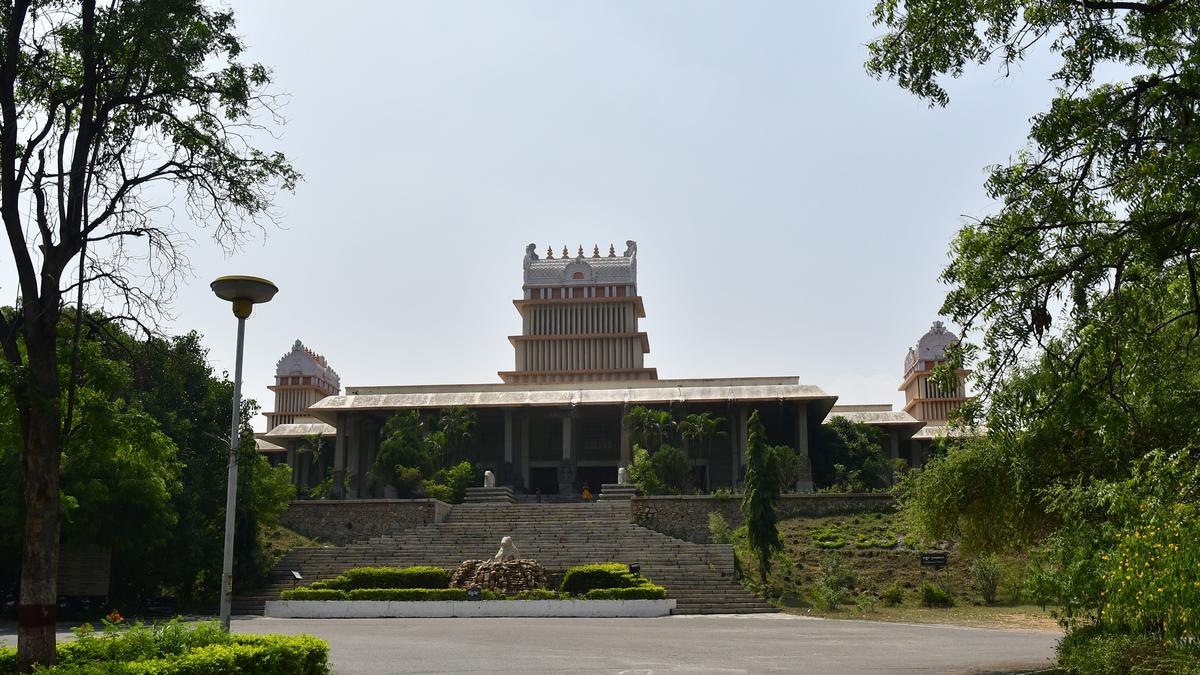
Ph.D. in Music from Kannada University: Eligibility, Entrance Exam, Fee Structure, and Career Scope
Introduction about Ph.D. in Music at Kannada University
Embarking on a Ph.D. journey in Music at Kannada University is an invitation to explore the deep-rooted cultural heritage and melodic traditions of Karnataka. Kannada University, Hampi, stands as a premier institution dedicated to the preservation and promotion of indigenous knowledge systems. A doctoral degree here is not merely an academic pursuit; it is a profound contribution to the evolution of Indian classical and folk musicology. Scholars are encouraged to bridge the gap between ancient rhythmic practices and contemporary musical pedagogy, fostering a unique blend of critical thinking and creative expression. For those embarking on this rigorous academic path, expert support through Thesis and Dissertation Writing Services can provide the structural guidance needed to articulate complex musical theories effectively.
Ph.D Admission 2026-2027 & Writing Support Services by Shiksha Research
Eligibility Criteria for Ph.D. in Music at Kannada University
To pursue a Ph.D. in Music, candidates must hold a Master?s degree in Music (M.Mus) or a related discipline from a recognized university with a minimum aggregate of 55% marks (50% for SC/ST/OBC candidates). Proficiency in the Kannada language is often a prerequisite, given the university's mandate to promote regional culture. Candidates who have qualified for UGC-NET (including JRF), SLET, or M.Phil. may be exempted from the written entrance exam, depending on the current university regulations.
Entrance Exam for Ph.D. in Music at Kannada University
The university conducts an entrance examination designed to test the candidate's research aptitude, subject-specific knowledge in Music, and proficiency in research methodology. The exam typically consists of multiple-choice questions and descriptive sections covering Indian music history, aesthetics, and contemporary developments. A personal interview follows, where candidates must present their preliminary research proposal.
Fee Structure for Ph.D. in Music at Kannada University
The fee structure is designed to be affordable to encourage scholarly research. Below is an indicative table of the costs involved:
| Head | Approximate Annual Fee (INR) |
|---|---|
| Registration Fee | 5,000 |
| Tuition Fee | 15,000 |
| Library/Laboratory Fee | 5,000 |
| Thesis Submission Fee | 10,000 |
Admission Process for Ph.D. in Music at Kannada University
The admission follows a transparent, merit-based process. After the notification is released on the university portal, candidates must submit their application forms. Shortlisted candidates are invited for the entrance text, followed by an interview. The final selection is based on the performance in the entrance exam, the weightage of prior academic records, and the viability of the research proposal presented during the interview.
Ph.D. Subjects and Specializations in Music at Kannada University
Music students at Kannada University can specialize in various fields, including Karnataka Musicology, Folk Music of Karnataka, Instrumental music (Veena, Flute, Violin, etc.), and the interplay between Vachana Sahitya and music. The program emphasizes deep archival research and performance-based documentation.
Research Areas in Music at Kannada University
The university provides a robust environment for research. Current research areas include:
- Comparative study of Karnataka and Hindustani music traditions.
- The role of musical instruments in traditional folk rituals.
- Socio-cultural impact of early Kannada musical compositions.
- Digitization and preservation of rare palm-leaf musical manuscripts.
Documents Required for Ph.D. in Music at Kannada University
Candidates must ensure they have original and photocopies of the following documents:
- Master's Degree Certificate and Mark sheets.
- UGC-NET/SLET/M.Phil certificate (if applicable).
- Research Proposal (Hard copy and Soft copy).
- Identity proof and passport-sized photographs.
- Category/Caste certificate for reservation claims.
Kannada University Ph.D. Syllabus for Music
The syllabus includes intensive coursework on Research Methodology, Literature Review techniques, Technical writing, and specialized papers in Music theory. Scholars also receive training in academic integrity and, when necessary, can utilize professional Research Paper Writing Services to refine their findings for publication in high-impact international journals.
How To Apply for Ph.D. in Music at Kannada University
Applications are to be submitted through the official Kannada University website. Ensure that the research proposal is well-structured. If your study involves interviews or qualitative feedback from traditional musicians, utilizing professional Questionnaire Design and Development tools will ensure your data collection methodology is scientifically sound.
Career Scope and Job Opportunities After Ph.D. in Music from Kannada University
Graduates find rewarding careers in academia as Professors, Musicologists, and Cultural Researchers. Many professionals transition into roles with cultural heritage foundations, government archives, All India Radio (AIR), and film music research departments. The degree provides the credibility required for leadership roles in music conservatories and traditional art institutions.
Scholarship for Ph.D. in Music at Kannada University
Kannada University provides financial support through state-funded fellowships for meritorious scholars. Additionally, research scholars are eligible for various national fellowships, such as the Maulana Azad National Fellowship (MANF) and others administered by the UGC, aimed at supporting dedicated doctoral research across India.
FAQs Regarding Ph.D. in Music at Kannada University
Q: Is there an age limit for Ph.D. admission?
A: No, there is no age limit for pursuing a Ph.D. at Kannada University.
Q: Can I pursue this Ph.D. through distance learning?
A: The Ph.D. program in Music is largely research-oriented and requires regular interaction with supervisors; therefore, it is primarily a full-time residential program.
Q: Are there provisions for interdisciplinary research?
A: Yes, Kannada University strongly encourages interdisciplinary work integrating linguistics, history, and anthropology with music.




