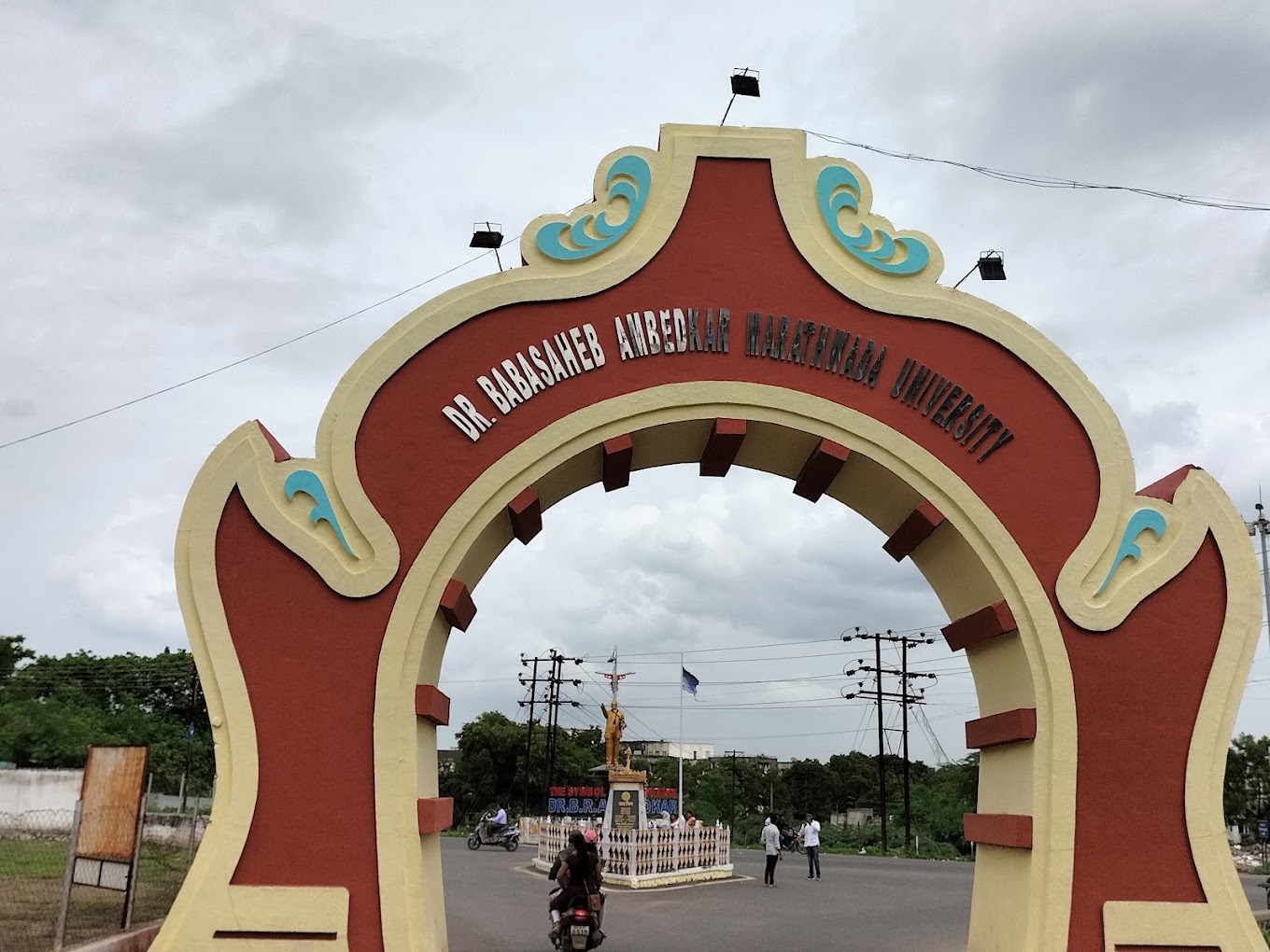
Introduction about Ph.D. in Nanotechnology at Dr. Babasaheb Ambedkar Marathwada University
The pursuit of a Ph.D. in Nanotechnology at Dr. Babasaheb Ambedkar Marathwada University (BAMU) is more than just an academic endeavor; it is an inspirational journey into the heart of the microscopic world that governs macroscopic reality. As the world pivots toward sustainable energy, precision medicine, and advanced materials, nanotechnology stands at the forefront of this industrial and scientific revolution. Dr. Babasaheb Ambedkar Marathwada University, located in the historic city of Aurangabad, has established itself as a premier hub for multidisciplinary research, offering doctoral candidates a robust ecosystem of innovation, state-of-the-art laboratories, and mentorship from renowned scholars. Choosing to specialize in nanotechnology here means positioning yourself at the intersection of physics, chemistry, biology, and engineering to solve the complex challenges of the 21st century.
Ph.D Admission 2026-2027 & Writing Support Services by Shiksha Research
At BAMU, the doctoral program is designed to foster critical thinking and technical expertise, empowering professionals to transcend traditional boundaries. The university's commitment to social and scientific progress aligns perfectly with the transformative potential of nanoscience. Whether your goal is to develop life-saving nanomedicines or to engineer high-efficiency solar cells, the research environment at BAMU provides the intellectual stimulation and infrastructure required to transform your vision into reality.
Eligibility Criteria for Ph.D. in Nanotechnology at Dr. Babasaheb Ambedkar Marathwada University
To embark on this elite research path, candidates must meet specific academic standards. The university seeks individuals with a strong foundational background in science or technology. The primary eligibility criteria include:
- Educational Qualification: Candidates must possess a Master?s degree (M.Sc., M.Tech, or M.E.) in Nanotechnology, Physics, Chemistry, Biotechnology, Electronics, or a related discipline from a recognized university.
- Minimum Percentage: A minimum of 55% marks in the aggregate (or an equivalent grade/CGPA) at the postgraduate level is required. A relaxation of 5% is typically granted to candidates belonging to reserved categories (SC/ST/OBC/VJNT) and persons with disabilities.
- Professional Experience: While not mandatory, candidates with prior research experience or industrial exposure in the field of nanotechnology are highly encouraged to apply.
- Final Year Students: Candidates appearing for their final semester exams may also apply, provided they meet the marks requirements at the time of official admission.
Entrance Exam for Ph.D. in Nanotechnology at Dr. Babasaheb Ambedkar Marathwada University
Admission to the Ph.D. program is primarily governed by the Ph.D. Entrance Test (PET) conducted by the university. This exam is a rigorous assessment of a candidate?s research aptitude and subject knowledge. The PET consists of two main sections: Research Methodology and Subject-Specific Knowledge (Nanotechnology). Achieving a high score is essential for proceeding to the interview stage.
It is important to note that certain candidates may be exempted from the written PET. Those who have qualified for national-level examinations such as UGC-NET (including JRF), CSIR-NET (including JRF), SLET, GATE, or teachers holding a fellowship are generally exempt from the written test. However, all candidates, including exempted ones, must appear for the personal interview/viva-voce to defend their research interests.
Fee Structure for Ph.D. in Nanotechnology at Dr. Babasaheb Ambedkar Marathwada University
The investment in a Ph.D. at BAMU is structured to be affordable while providing high-quality research facilities. Below is an approximate breakdown of the fee structure for the program:
| Particulars | Fee (General Category) | Fee (Reserved Category) |
|---|---|---|
| Registration & Application Fee | ?1,000 - ?2,000 | ?500 - ?1,000 |
| Annual Tuition Fee | ?10,000 - ?15,000 | ?5,000 - ?8,000 |
| Laboratory/Library Fee | ?5,000 - ?7,000 | ?3,000 - ?4,000 |
| Thesis Submission & Examination | ?8,000 - ?12,000 | ?4,000 - ?6,000 |
| Development & Other Charges | ?2,000 - ?4,000 | ?1,000 - ?2,000 |
Note: The fees mentioned are indicative and subject to change per the university?s latest notifications. Additional costs for equipment consumables may apply depending on the nature of the research project.
Admission Process for Ph.D. in Nanotechnology at Dr. Babasaheb Ambedkar Marathwada University
Securing a seat in the Nanotechnology Ph.D. program involves a systematic process. The university ensures a transparent and merit-based selection. For those seeking expert guidance, utilizing PhD Admission Assistance can streamline the journey through the following steps:
- Online Registration: Fill out the application form on the official BAMU portal during the admission cycle.
- Entrance Test (PET): Qualified candidates appear for the PET exam unless exempted.
- Interview/Viva-Voce: Shortlisted candidates are called for an interview before the Research Advisory Committee (RAC). Candidates must present their research ideas and demonstrate their command over the subject.
- Guide Allocation: Based on the interview performance and research interest, a supervisor (guide) is allocated to the candidate.
- Coursework: Once admitted, the candidate must complete 6 months of mandatory Ph.D. coursework, covering research methodology and advanced nanotechnology.
- Topic Approval: The final research topic is approved by the Research and Recognition Committee (RRC).
Ph.D. Subjects and Specializations in Nanotechnology at Dr. Babasaheb Ambedkar Marathwada University
The curriculum and research pathways at BAMU are diverse, allowing scholars to focus on specialized domains that align with global trends. Scholars can specialize in areas such as:
- Nanomaterials Synthesis: Focusing on chemical, physical, and biological methods to create nanostructures like carbon nanotubes, graphene, and quantum dots.
- Nano-biotechnology: Merging biology with engineering to develop biosensors and targeted drug delivery systems.
- Nano-electronics: Designing smaller, faster, and more efficient electronic components using molecular electronics.
- Nanomagnetism: Exploring magnetic properties at the nanoscale for data storage and medical imaging.
- Environmental Nanotechnology: Utilizing nanomaterials for water purification and pollution control.
Research Areas in Nanotechnology at Dr. Babasaheb Ambedkar Marathwada University
Research is the heartbeat of the Ph.D. program. The university encourages innovative projects that have the potential for patents and commercialization. To ensure a unique and impactful research journey, many scholars seek PhD Topic Selection and Proposal Assistance to refine their focus. Key research areas include:
- Thin Film Technology: Investigation of semiconductor thin films for optoelectronic devices.
- Smart Materials: Developing materials that respond to external stimuli like temperature, pH, or light.
- Green Nanotechnology: Developing eco-friendly synthesis routes using plant extracts and microorganisms.
- Energy Harvesting: Researching perovskite solar cells and high-capacity supercapacitors.
- IPR and Commercialization: Scholars are also encouraged to protect their innovations through Patent Filing and Support Services.
Documents Required for Ph.D. in Nanotechnology at Dr. Babasaheb Ambedkar Marathwada University
Preparation of documentation is crucial for a smooth admission process. Ensure you have the following ready:
- 10th and 12th Grade Marksheets and Certificates.
- Undergraduate (B.Sc./B.Tech) Degree and Marksheets.
- Postgraduate (M.Sc./M.Tech) Degree and Marksheets.
- PET Scorecard or Proof of Exemption (NET/GATE certificate).
- Caste Certificate and Validity (if applicable).
- Migration and Transfer Certificate.
- A detailed Research Proposal (Synopsis).
- No Objection Certificate (NOC) from the current employer (for working professionals).
Dr. Babasaheb Ambedkar Marathwada University Ph.D. Syllabus for Nanotechnology
The Ph.D. program begins with comprehensive coursework meant to standardize the research skills of all scholars. The syllabus typically encompasses:
- Module 1: Research Methodology: Statistics, data analysis, computer applications, and ethical practices in research.
- Module 2: Advanced Nanotechnology: Study of size-dependent properties, characterization techniques like SEM, TEM, XRD, and AFM.
- Module 3: Elective: A specialized subject based on the scholar?s specific research area (e.g., Nanomedicine or Nano-photonics).
- Module 4: Scientific Writing: Training in drafting research papers and theses. Scholars often utilize Editing and Proofreading Services to maintain high academic standards in their writing.
How To Apply for Ph.D. in Nanotechnology at Dr. Babasaheb Ambedkar Marathwada University
The application process is exclusively online through the BAMU PG portal. Follow these steps for a successful application:
- Visit the official website of Dr. Babasaheb Ambedkar Marathwada University.
- Navigate to the 'Ph.D. Admission' section and register with a valid email and mobile number.
- Fill out the personal and academic details accurately.
- Upload scanned copies of the required documents in the prescribed format and size.
- Pay the application fee via the integrated online payment gateway.
- Submit the form and take a printout of the application for future reference.
- Keep a close eye on the portal for PET exam dates and hall ticket downloads.
Career Scope and Job Opportunities After Ph.D. in Nanotechnology from Dr. Babasaheb Ambedkar Marathwada University
A Ph.D. from BAMU opens doors to prestigious global opportunities. Professionals equipped with this degree are highly sought after by R&D laboratories and top-tier corporations. To boost career prospects, scholars often seek Research Publication Support to get their work featured in high-impact journals.
Potential Career Paths:
- Research Scientist: Leading teams in government labs like CSIR, BARC, or ISRO.
- Academician: Serving as a Professor or Researcher in national and international universities.
- Industrial Consultant: Providing expertise to pharmaceutical, electronics, and aerospace industries.
- Nanotech Entrepreneur: Launching startups based on patented technologies.
- Quality Control Manager: Ensuring nanoproduct safety and standards in manufacturing units.
Scholarship for Ph.D. in Nanotechnology at Dr. Babasaheb Ambedkar Marathwada University
BAMU and various government bodies offer financial aid to deserving research scholars. This ensures that financial constraints do not hinder scientific progress. Available scholarships include:
- University Research Fellowship (URF): Provided by BAMU to meritorious students across departments.
- National Fellowships: UGC-JRF, CSIR-JRF, and Maulana Azad National Fellowship (MANF).
- State Government Scholarships: SARTHI, BARTI, and MahaDBT fellowships for specific categories.
- DST-INSPIRE: For candidates who were toppers in their Master's degree.
For senior researchers or those with extensive contributions to the field of science, exploring Honorary Doctorate Programs can also be a prestigious way to gain recognition for lifelong achievements.
FAQs Regarding Ph.D. in Nanotechnology at Dr. Babasaheb Ambedkar Marathwada University
Q1: What is the duration of the Ph.D. program at BAMU?
A: The duration is typically 3 to 6 years, depending on the research progress and the completion of the thesis.
Q2: Can I pursue a Ph.D. in Nanotechnology while working?
A: Yes, the university allows part-time Ph.D. research for working professionals, provided they submit an NOC from their employer and meet the residency requirements for coursework.
Q3: Is PET mandatory for everyone?
A: No, candidates who have cleared NET, SET, GATE, or hold a teacher fellowship are exempt from the PET written exam but must attend the interview.
Q4: How often are applications invited for Ph.D. at BAMU?
A: Generally, the university invites applications once a year, often during the middle or end of the academic session.
Q5: Does the university provide hostel facilities for Ph.D. scholars?
A: Yes, BAMU offers hostel accommodations for outstation research scholars, subject to availability.




