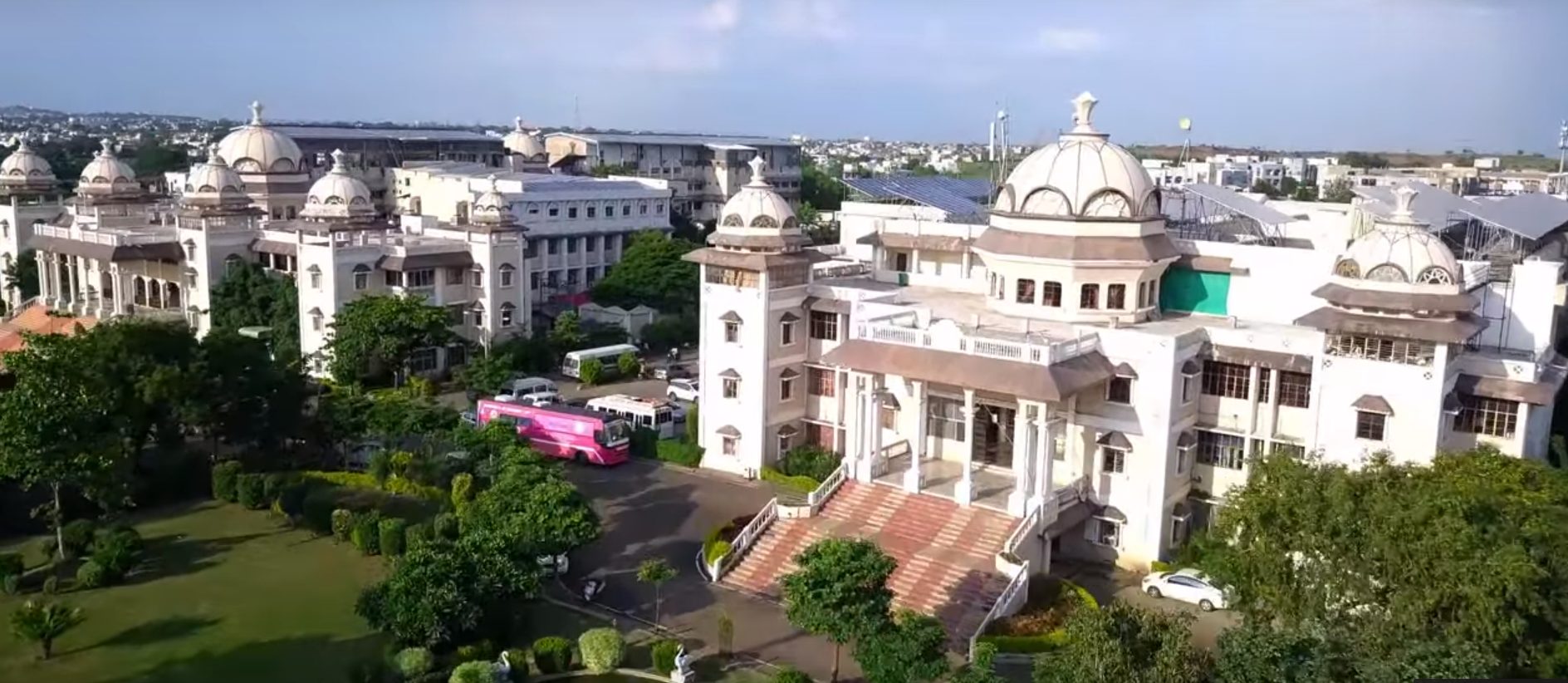
Ph.D. in Neuro Rehabilitation at Datta Meghe Institute of Medical Sciences
The Doctor of Philosophy in Neuro Rehabilitation offered by Datta Meghe Institute of Medical Sciences (DMIMS) stands as a beacon for aspiring researchers who wish to blend clinical expertise with cutting‑edge neuroscience. This program nurtures innovative thinking, equips candidates with advanced research methodologies, and opens doors to leadership roles in academia, hospitals, and rehabilitation centers worldwide.
Eligibility Criteria for Ph.D. in Neuro Rehabilitation at Datta Meghe Institute of Medical Sciences
- Master’s degree (M.Sc., M.Phil., M.D., or equivalent) in Neuro Rehabilitation, Physiotherapy, Occupational Therapy, Neuroscience, or related health sciences.
- Minimum aggregate of 55% (or CGPA 6.0/10) in the qualifying postgraduate program.
- Qualified in a national-level entrance test (NET/SET) or Datta Meghe’s own Ph.D. entrance examination.
- Proficiency in English (minimum IELTS 6.0 or equivalent) for international candidates.
Entrance Exam for Ph.D. in Neuro Rehabilitation at Datta Meghe Institute of Medical Sciences
The entrance assessment evaluates the candidate’s grasp of core neuroscience, research methodology, and statistical analysis. The exam pattern includes:
- Written Test: 100 multiple‑choice questions covering neuro anatomy, physiotherapy principles, and research design.
- Viva‑Voce: 30‑minute oral interview to assess research interests, critical thinking, and communication skills.
Candidates who hold a valid UGC‑NET or CSIR‑NET qualification are exempted from the written test and directly proceed to the interview stage.
Fee Structure for Ph.D. in Neuro Rehabilitation at Datta Meghe Institute of Medical Sciences
| Component | Annual Fee (INR) | Notes |
|---|---|---|
| Tuition & Laboratory Charges | 85,000 | Includes access to neuro‑rehab labs and digital resources. |
| Research Materials & Consumables | 30,000 | Estimated cost for clinical trials and equipment usage. |
| Examination & Evaluation Fees | 12,000 | Per semester assessment fee. |
| Library & E‑Resources Subscription | 5,000 | Unlimited access to journals, databases, and e‑books. |
| Total Approximate Annual Cost | 1,32,000 | Excluding scholarships and external funding. |
Admission Process for Ph.D. in Neuro Rehabilitation at Datta Meghe Institute of Medical Sciences
- Online Application: Submit the application through the official DMIMS portal with scanned copies of academic certificates.
- Document Verification: Upload eligibility proof, entrance exam scorecard, and research proposal abstract.
- Entrance Examination / Interview: Appear for the written test (if applicable) followed by a viva‑voce.
- Selection & Offer Letter: Successful candidates receive an admission offer detailing fee payment schedule and registration steps.
- Enrollment: Pay the first-year fee, complete enrollment formalities, and commence orientation.
Ph.D. Subjects and Specializations in Neuro Rehabilitation at Datta Meghe Institute of Medical Sciences
Students can tailor their doctoral research across a range of interdisciplinary specializations, including:
- Neuro‑Physiotherapy and Motor Recovery
- Cognitive Rehabilitation and Neuropsychology
- Assistive Technology and Robotics in Rehabilitation
- Neuroplasticity and Functional Imaging
- Stroke Rehabilitation Strategies
- Spinal Cord Injury Management
Research Areas in Neuro Rehabilitation at Datta Meghe Institute of Medical Sciences
DMIMS promotes research that bridges theory and practice. Core research domains comprise:
- Clinical trials on emerging neuro‑rehabilitation protocols.
- Development of wearable sensors for real‑time gait analysis.
- Artificial intelligence applications in personalized therapy planning.
- Longitudinal studies on post‑stroke quality of life.
- Neuro‑pharmacological interventions to enhance neuroplasticity.
- Community‑based rehabilitation models for rural populations.
Documents Required for Ph.D. in Neuro Rehabilitation at Datta Meghe Institute of Medical Sciences
| Document | Format | Remarks |
|---|---|---|
| Academic Transcripts (Graduation & Post‑Graduation) | PDF, scanned copy | Must be attested by the issuing university. |
| Entrance Exam Scorecard (NET/SET or DMIMS) | Valid for the current academic year. | |
| Research Proposal (1500‑2000 words) | DOCX or PDF | Outline objectives, methodology, and expected outcomes. |
| Curriculum Vitae | Highlight publications, projects, and clinical experience. | |
| Letter of Recommendation (2) | From academicians or senior clinicians. | |
| Proof of Identity (Aadhar/Passport) | Government‑issued ID. |
Datta Meghe Institute of Medical Sciences Ph.D. Syllabus for Neuro Rehabilitation
The doctoral curriculum blends coursework with intensive research. Key modules include:
- Advanced Neuroanatomy and Physiology
- Research Methodology and Biostatistics
- Neuro‑Imaging Techniques
- Clinical Rehabilitation Practices
- Ethics in Clinical Research
- Seminar Series: Emerging Trends in Neuro‑Rehab
After completing the coursework, candidates embark on a supervised research project culminating in a dissertation defended before a panel of experts.
How To Apply for Ph.D. in Neuro Rehabilitation at Datta Meghe Institute of Medical Sciences
Follow these streamlined steps to submit your application:
- Visit the official DMIMS website and navigate to the “Ph.D. Admissions” section.
- Create a user account and fill in personal and academic details.
- Upload all required documents (as per the table above).
- Pay the non‑refundable application fee of INR 3,000 via net banking or UPI.
- Submit the application and note the generated reference number for future correspondence.
- Monitor your email for invitations to the entrance test or interview.
Career Scope and Job Opportunities After Ph.D. in Neuro Rehabilitation from Datta Meghe Institute of Medical Sciences
Graduates emerge as leaders in both clinical and academic arenas. Potential career pathways include:
- Assistant/Associate Professor in medical universities.
- Senior Research Scientist in government or private research labs.
- Clinical Director of Neuro‑Rehabilitation Units in tertiary hospitals.
- Consultant for NGOs focusing on disability rehabilitation.
- Product Development Manager for assistive technology firms.
- Policy Analyst for health ministries and international health agencies.
According to recent industry reports, the demand for neuro‑rehabilitation specialists is projected to grow by 12% annually over the next decade, making this Ph.D. a high‑impact investment.
Scholarship for Ph.D. in Neuro Rehabilitation at Datata Meghe Institute of Medical Sciences
Several merit‑based financial aids are available to deserving candidates:
- DMIMS Research Fellowship: Full tuition waiver and a monthly stipend of INR 25,000 for two years.
- UGC‑JRF (Junior Research Fellowship): Competitive national scholarship supporting research expenses.
- AICTE/ICMR Grants: Project‑specific funding for interdisciplinary studies.
- Corporate Sponsored Scholarships: Partnerships with medical device manufacturers.
Applicants are encouraged to apply for scholarships concurrently with their admission application to maximize financial support.
FAQs Regarding Ph.D. in Neuro Rehabilitation at Datta Meghe Institute of Medical Sciences
- Is work experience mandatory for admission?
- No. While clinical experience strengthens the profile, it is not a mandatory requirement.
- What is the typical duration of the program?
- The Ph.D. is designed to be completed within 3‑4 years, subject to research progress and publication requirements.
- Can I pursue the degree part‑time?
- Yes, DMIMS offers a part‑time mode for working professionals, with a flexible schedule for coursework and research.
- Are there opportunities for international collaborations?
- Absolutely. The institute has MoUs with several foreign universities, enabling joint research projects and exchange programs.
- How many publications are required for thesis submission?
- At least two articles in peer‑reviewed international journals are recommended, in addition to conference presentations.
For personalized assistance with your thesis, data analysis, or research paper, explore our professional services:
Thesis and Dissertation Writing Services
Research Data Analysis Services




