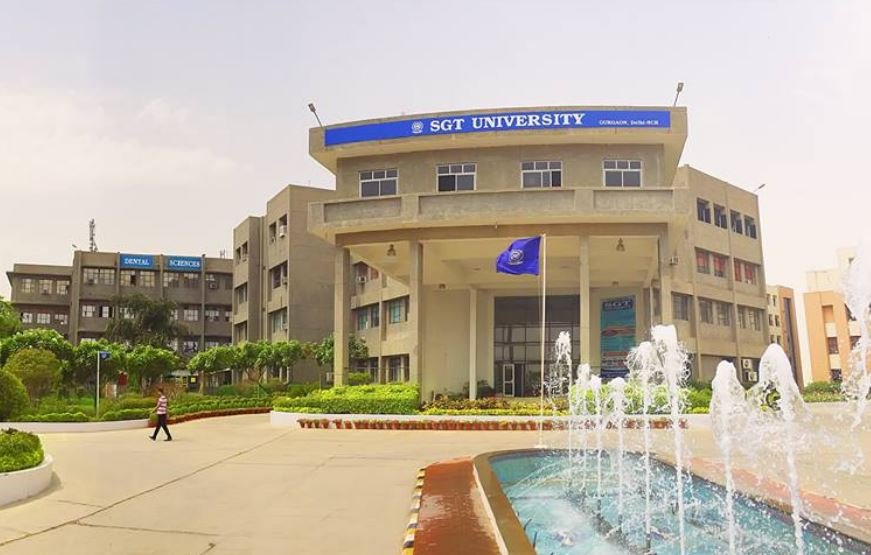
Ph.D. in Neuro Science from Shree Guru Gobind Singh Tricentenary University: Eligibility, Entrance Exam, Fee Structure, Admission Process, Subjects, Research Areas, Syllabus, Scholarship & Career Scope
Introduction about Ph.D. in Neuro Science at Shree Guru Gobind Singh Tricentenary University
The pursuit of a doctoral degree in Neuro Science at Shree Guru Gobind Singh Tricentenary University offers a unique blend of cutting‑edge research, interdisciplinary collaboration, and a supportive academic environment. Designed for seasoned professionals and scholars, the program nurtures innovative thinking, equips candidates with advanced laboratory techniques, and paves the way for leadership roles in academia, industry, and healthcare.
Eligibility Criteria for Ph.D. in Neuro Science at Shree Guru Gobind Singh Tricentenary University
- Master’s degree (M.Sc., M.Tech., M.Phil.) in Neuroscience, Biology, Psychology, Biomedical Engineering, or a closely related field with a minimum of 55% aggregate (or CGPA 6.0 on a 10‑point scale).
- Valid GATE/NET score in a relevant discipline is preferred but not mandatory.
- Applicants must have a strong research background demonstrated through publications, conference presentations, or project work.
- English language proficiency (IELTS ≥ 6.5 or TOEFL ≥ 80) for candidates whose undergraduate medium was not English.
Entrance Exam for Ph.D. in Neuro Science at Shree Guru Gobind Singh Tricentenary University
The university conducts a two‑stage entrance assessment:
- Written Test – 100 multiple‑choice questions covering fundamental neuroscience, research methodology, statistics, and ethics.
- Interview & Presentation – Candidates present a 10‑minute research proposal followed by a panel interview evaluating conceptual clarity and originality.
Preparation resources, sample papers, and a detailed syllabus are available on the university’s official portal.
Fee Structure for Ph.D. in Neuro Science at Shree Guru Gobind Singh Tricentenary University
| Component | Annual Amount (INR) | Notes |
|---|---|---|
| Tuition Fee | 85,000 | Inclusive of lab access and library resources. |
| Examination & Evaluation Fee | 12,000 | Paid at the end of each academic year. |
| Research Material & Consumables | 15,000 | Estimated average for bench work. |
| Miscellaneous (Internet, ID Card, etc.) | 5,000 | One‑time payment. |
| Total Approx. Per Year | 1,17,000 |
Admission Process for Ph.D. in Neuro Science at Shree Guru Gobind Singh Tricentenary University
- Online application through the university’s admission portal.
- Upload scanned copies of academic transcripts, proof of identity, and research portfolio.
- Pay the non‑refundable application fee (INR 2,000).
- Appear for the written test and subsequent interview.
- Receive the admission offer letter; confirm acceptance by paying the first year’s tuition fee.
- Complete registration, obtain the student ID, and commence orientation.
Ph.D. Subjects and Specializations in Neuro Science at Shree Guru Gobind Singh Tricentenary University
Students can tailor their doctorate across several cutting‑edge tracks:
- Cognitive Neuroscience
- Neuropharmacology
- Neuroimaging & Computational Modeling
- Neurogenetics
- Neuroengineering & Brain‑Computer Interfaces
- Clinical Neuroscience & Neurorehabilitation
Research Areas in Neuro Science at Shree Guru Gobind Singh Tricentenary University
Faculty expertise and state‑of‑the‑art facilities empower research in:
- Synaptic Plasticity and Memory Formation
- Neurodegenerative Disorders (Alzheimer’s, Parkinson’s)
- Neuroinflammation and Immune‑Brain Interactions
- Neurodevelopmental Disorders (Autism Spectrum, ADHD)
- Artificial Intelligence for Neural Data Analysis
- Neuroethical Implications of Emerging Technologies
Documents Required for Ph.D. in Neuro Science at Shree Guru Gobind Singh Tricentenary University
| Document | Format | Remarks |
|---|---|---|
| Academic Transcripts (10‑2, Graduation, Post‑Graduation) | PDF (scanned) | Official sealed copies acceptable. |
| Research Proposal (2‑3 pages) | Should reflect originality and feasibility. | |
| Curriculum Vitae | Include publications, conferences, and work experience. | |
| Proof of English Proficiency | IELTS, TOEFL, or equivalent. | |
| Identity Proof (Aadhaar/Passport) | Valid government‑issued ID. |
Shree Guru Gobind Singh Tricentenary University Ph.D. Syllabus for Neuro Science
The syllabus is structured into core modules, electives, and research milestones:
- Core Modules (Year 1): Advanced Cellular Neurobiology, Research Methodology, Statistics for Neuroscience, Neuroethics.
- Electives (Year 2‑3): Choose two from Neuropharmacology, Neuroimaging Techniques, Computational Neuroscience, Clinical Neuropsychology.
- Research Milestones: Literature Review, Experiment Design, Data Collection, Thesis Writing, Publication Submission.
How To Apply for Ph.D. in Neuro Science at Shree Guru Gobind Singh Tricentenary University
Follow these streamlined steps to submit a successful application:
- Visit the official Ph.D. Neuro Science admission page and click “Apply Now”.
- Create a user profile and fill in personal details.
- Upload the required documents (refer to the “Documents Required” table).
- Enter your research proposal and select your preferred specialization.
- Pay the application fee via the integrated payment gateway.
- Submit and note the application reference number for future correspondence.
Career Scope and Job Opportunities After Ph.D. in Neuro Science from Shree Guru Gobind Singh Tricentenary University
Graduates emerge as highly sought‑after experts in both academic and industry settings. Potential career trajectories include:
- Assistant/Associate Professor or Research Scientist at premier universities and institutes.
- Lead Investigator in pharmaceutical and biotech firms focusing on neuro‑drug discovery.
- Neuroinformatics Engineer developing AI‑driven analytical platforms.
- Clinical Research Manager overseeing trials for neurological disorders.
- Policy Advisor on neuro‑ethics for governmental and non‑governmental organizations.
According to recent industry surveys, the average salary for Ph.D. holders in neuroscience ranges from INR 12 Lakhs to INR 30 Lakhs per annum, with rapid growth potential in emerging biotech hubs.
Scholarship for Ph.D. in Neuro Science at Shree Guru Gobind Singh Tricentenary University
The university offers merit‑based and need‑based scholarships to support deserving candidates:
- UGC‑JF (Junior Research Fellowship) – Full tuition waiver + monthly stipend.
- University Merit Scholarship – 50% reduction on tuition for students with ≥75% in Master’s.
- Industry Sponsored Fellowships – Partnerships with biotech firms offering project‑based funding.
Applicants can also explore external funding through national research councils, which often collaborate with the university’s research office.
FAQs Regarding Ph.D. in Neuro Science at Shree Guru Gobind Singh Tricentenary University
- Q: Can I pursue the Ph.D. part‑time while working?
- Yes. The university offers a flexible part‑time mode allowing up to six years to complete the program, provided you meet the research milestones.
- Q: Is publishing a research paper mandatory for thesis submission?
- At least one peer‑reviewed article in a recognized journal is required before the final defense.
- Q: Are there opportunities for international collaborations?
- Absolutely. The university has MoUs with several overseas institutes, facilitating joint projects, exchange visits, and co‑authored publications.
- Q: How does the university support dissertation writing?
- Students can access professional Thesis and Dissertation Writing Services and receive mentorship from experienced faculty throughout the writing process.
- Q: What statistical support is available for my research?
- Our Research Data Analysis Services team assists with experimental design, data cleaning, and advanced analysis techniques.
- Q: Can I get help with publishing my research paper?
- Yes, the university’s writing centre collaborates with Research Paper Writing Services to polish manuscripts for high‑impact journals.
- Q: I need to design a questionnaire for my study. Is there support?
- Our campus resource center partners with Questionnaire Design and Development</




