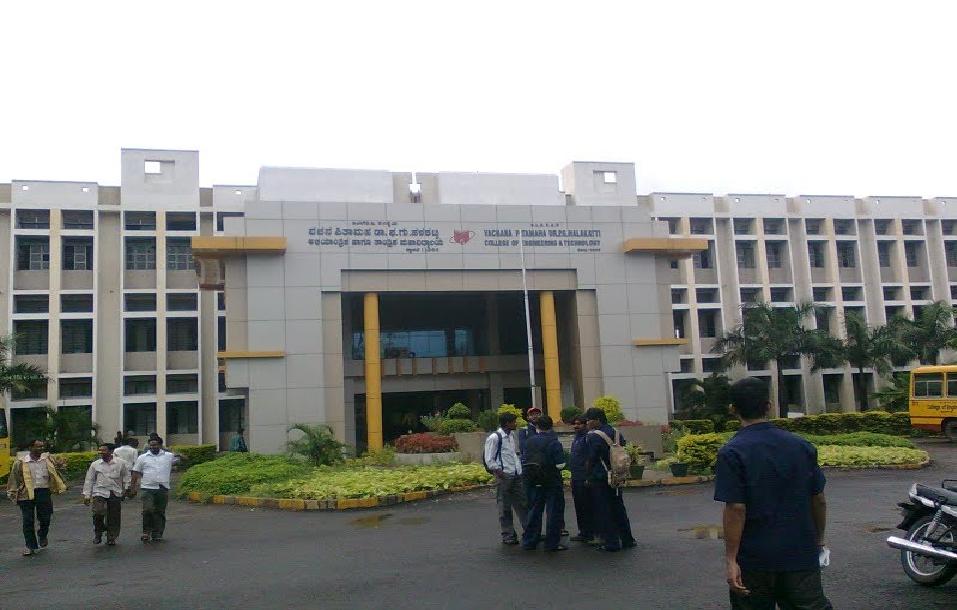
Ph.D. in Physiology from BLDE University: Eligibility, Entrance Exam, Fee Structure, Admission Process, Subjects, Research Areas, Syllabus, Scholarship & Career Scope
Introduction about Ph.D. in Physiology at BLDE University
The Doctor of Philosophy (Ph.D.) in Physiology at BLDE University is designed for aspiring researchers and academicians who wish to deepen their expertise in cellular, molecular, and systemic physiology. This rigorous doctoral program combines advanced coursework, cutting?edge laboratory work, and original research, empowering candidates to contribute novel insights to human health, disease mechanisms, and biomedical innovation. Whether you aim to pursue a career in academia, industry R&D, or public health policy, BLDE?s interdisciplinary environment and state?of?the?art facilities provide the ideal platform for scientific excellence.
Ph.D Admission 2026-2027 & Writing Support Services by Shiksha Research
Eligibility Criteria for Ph.D. in Physiology at BLDE University
Prospective candidates must meet the following eligibility requirements:
- Master?s degree (M.Sc., M.Phil., or equivalent) in Physiology, Biomedical Sciences, or a closely related discipline with a minimum aggregate of 55% (or 5.0 CGPA on a 10?point scale).
- For candidates holding a Bachelor?s degree (B.Sc.) in Physiological Sciences, a minimum of 60% (or 6.0 CGPA) and a valid national-level entrance examination score are mandatory.
- Proficiency in English (minimum IELTS 6.0 or TOEFL iBT 80) for international students.
- Candidates must have a valid GATE/UGC NET score, or must clear BLDE University?s own entrance test.
Entrance Exam for Ph.D. in Physiology at BLDE University
The entrance examination evaluates both theoretical knowledge and research aptitude. The test structure includes:
- Section A ? Core Physiology (90 minutes): Multiple?choice questions covering cellular physiology, neurophysiology, endocrine system, and integrative physiology.
- Section B ? Research Methodology (60 minutes): Questions on statistics, experimental design, literature review, and ethical considerations.
- Section C ? Viva?Voce (30 minutes): An interview with faculty members to assess motivation, research interests, and communication skills.
Applicants may also submit a research proposal (max 1500 words) as part of the assessment. For detailed guidance on crafting a compelling proposal, explore our PhD Topic Selection and Proposal Assistance service.
Fee Structure for Ph.D. in Physiology at BLDE University
| Fee Component | Annual Amount (INR) | Notes |
|---|---|---|
| Tuition Fee | ? 75,000 | Applicable for each academic year (minimum 3 years) |
| Laboratory & Practical Charges | ? 20,000 | Includes consumables, equipment usage, and safety training |
| Library & Resource Access | ? 5,000 | Digital and physical resources, journal subscriptions |
| Examination & Evaluation Fee | ? 8,000 | Mid?term and final assessments |
| Miscellaneous (Student Services, ID Card, etc.) | ? 2,000 | One?time payment |
| Total Approximate Cost per Year | ? 1,10,000 |
Scholarships, research grants, and teaching assistantships can substantially reduce the financial burden. Learn about funding options in the ?Scholarship? section below.
Admission Process for Ph.D. in Physiology at BLDE University
- Online Application: Submit the digital application form via the university portal, upload academic transcripts, and pay the non?refundable application fee of ? 2,500.
- Entrance Examination: Appear for the written test and viva?voce as per the schedule communicated after application submission.
- Document Verification: Present original certificates, identity proof, and research proposal at the campus admission office.
- Selection Committee Interview: Final interview with the Department of Physiology?s faculty panel.
- Admission Offer: Receive the official admission letter, fee structure, and enrollment instructions.
- Enrollment & Orientation: Complete fee payment, receive university ID, and attend a mandatory orientation program.
Need help navigating the admission paperwork? Our PhD Admission Assistance team can streamline the entire process for you.
Ph.D. Subjects and Specializations in Physiology at BLDE University
Students can choose from a variety of specialization tracks, each aligned with emerging research trends:
- Cardiovascular Physiology
- Neurophysiology & Cognitive Neuroscience
- Endocrinology and Metabolic Disorders
- Respiratory & Pulmonary Physiology
- Exercise & Sports Physiology
- Reproductive Physiology
- Systems Biology & Computational Physiology
Research Areas in Physiology at BLDE University
BLDE University?s Department of Physiology emphasizes interdisciplinary research that bridges basic science and translational applications. Key research domains include:
- Signal Transduction Pathways: Investigating molecular mechanisms underlying cellular communication.
- Stress Physiology: Understanding physiological responses to environmental and psychological stressors.
- Metabolic Syndrome: Exploring the interplay between genetics, diet, and lifestyle in obesity and diabetes.
- Neurodegenerative Diseases: Studying pathophysiology of Alzheimer?s, Parkinson?s, and related disorders.
- Innovative Imaging Techniques: Applying high?resolution microscopy and functional MRI in physiological research.
- Bioinformatics & Systems Modeling: Integrating large?scale datasets to predict physiological outcomes.
Documents Required for Ph.D. in Physiology at BLDE University
| Document | Format | Remarks |
|---|---|---|
| Academic Transcripts (Post?Graduate) | PDF (Scanned) | Attested copy required |
| Degree Certificate (M.Sc./M.Phil.) | Original and photocopy | |
| Entrance Exam Scorecard | GATE/UGC NET or BLDE test | |
| Research Proposal (max 1500 words) | DOCX or PDF | Include objectives, methodology, and bibliography |
| Curriculum Vitae (CV) | Highlight publications, conferences, and projects | |
| Proof of English Proficiency | IELTS/TOEFL or university?issued certificate | |
| Identity Proof (Aadhar/Passport) | Government?issued ID |
For assistance with editing and refining your CV or proposal, consider our Editing and Proofreading Services.
BLDE University Ph.D. Syllabus for Physiology
The doctoral curriculum is structured into three phases: coursework, comprehensive examination, and dissertation research.
- Year 1 ? Core Coursework (24 Credits):
- Advanced Cellular Physiology
- Systems Physiology
- Research Methodology & Biostatistics
- Ethics in Biomedical Research
- Scientific Writing & Communication
- Year 2 ? Elective Modules (12 Credits): Choose two electives aligned with your specialization, e.g., Neurophysiology, Endocrine Disorders, or Computational Modeling.
- Year 2?3 ? Comprehensive Examination: Written and oral exams evaluating mastery of core concepts.
- Year 3?5 ? Dissertation Research: Original research project, data analysis, manuscript preparation, and defense.
How To Apply for Ph.D. in Physiology at BLDE University
Follow these step?by?step instructions to submit a successful application:
- Visit the official BLDE University admissions portal and create a user account.
- Fill out the online application form, select ?Ph.D. ? Physiology,? and upload the required documents (see the Documents Required table).
- Pay the ? 2,500 application fee through the secured payment gateway.
- Schedule your entrance exam date and download the admit card.
- Prepare for the written test using the syllabus mentioned above; practice sample questions from previous years.
- Attend the exam, followed by the viva?voce interview.
- After successful completion of the selection process, download the admission offer, pay the first?year fees, and register for the orientation program.
Career Scope and Job Opportunities After Ph.D. in Physiology from BLDE University
Graduates of the Ph.D. program in Physiology are highly sought after in both academia and industry. Typical career trajectories include:
- Academic Positions: Assistant Professor, Associate Professor, or Research Scientist in universities and research institutes.
- Industry R&D: Senior Scientist roles in pharmaceutical companies, biotech firms, and medical device manufacturers.
- Clinical Research: Clinical trial design, regulatory affairs, and translational research in hospitals and CROs.
- Public Health & Policy: Advisory roles in governmental health agencies, NGOs, and think tanks focusing on health policy.
- Entrepreneurship: Founding biotech startups or consulting firms specializing in physiological diagnostics. </




