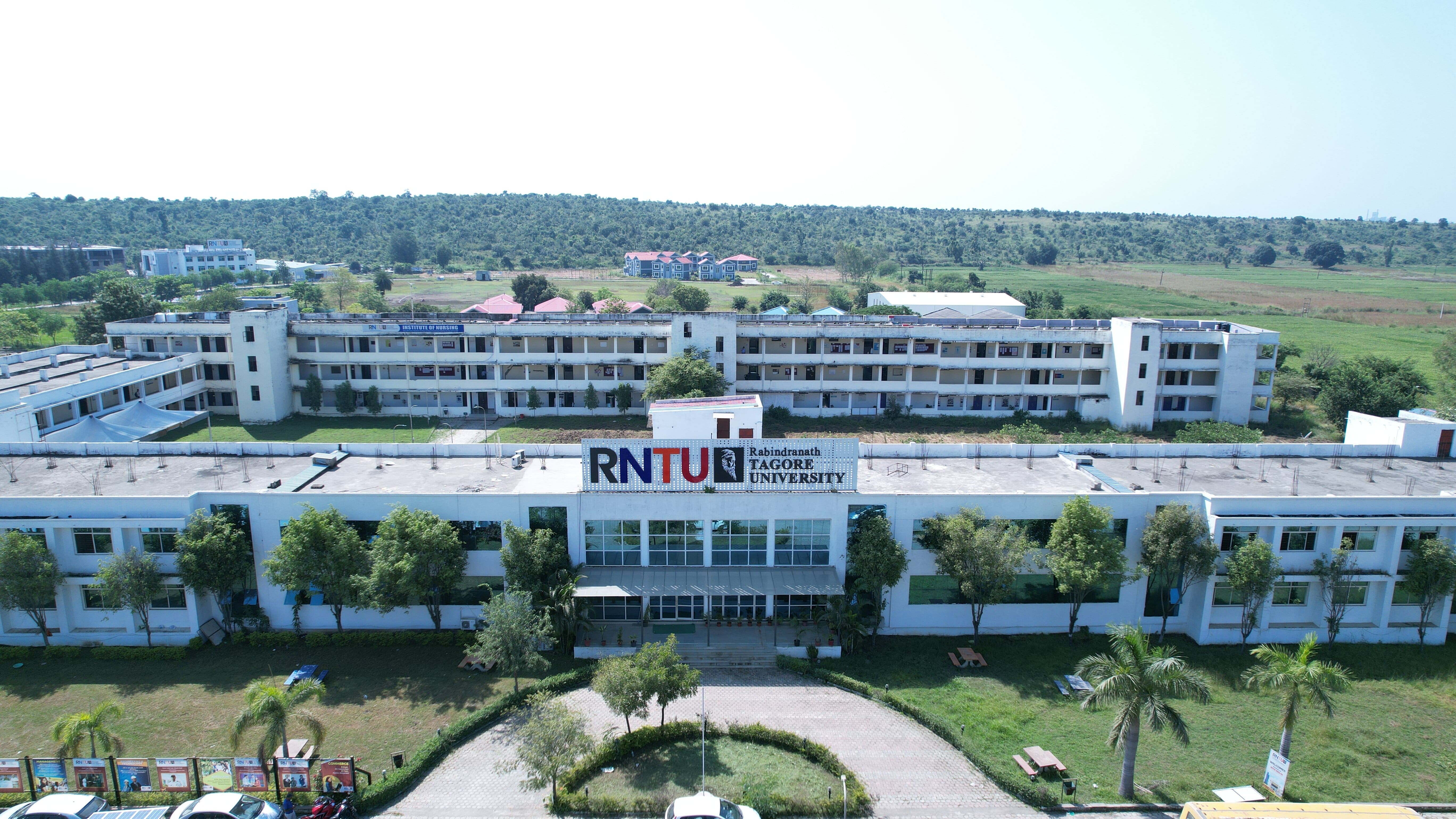
Ph.D. in Physiotherapy from Rabindranath Tagore University: Eligibility, Admission, Fee, Syllabus & Career
Introduction about Ph.D. in Physiotherapy at Rabindranath Tagore University
Rabindranath Tagore University (RTU) is renowned for its commitment to research excellence and interdisciplinary learning. The Ph.D. in Physiotherapy offered by RTU is designed for aspiring scholars and clinicians who wish to contribute to advanced physiotherapy research, evidence‑based practice, and innovative therapeutic techniques. This doctoral program blends rigorous coursework, cutting‑edge laboratory work, and supervised research, empowering candidates to become thought leaders in the field of rehabilitation science.
Eligibility Criteria for Ph.D. in Physiotherapy at Rabindranath Tagore University
- Master’s degree (M.Sc., MPT, or equivalent) in Physiotherapy, Rehabilitation Sciences, or related health sciences with a minimum of 55% aggregate.
- Valid GATE/NET score in Physiotherapy or allied health sciences (preferred but not mandatory).
- Demonstrated research interest through a statement of purpose (SOP) and at least one research paper or conference presentation.
- English language proficiency – IELTS 6.0 or TOEFL iBT 80 (for international candidates).
- Minimum age: No upper age limit; candidates must meet the academic standards.
Entrance Exam for Ph.D. in Physiotherapy at Rabindranath Tagore University
RTU conducts its own entrance examination, the RTU Ph.D. Aptitude Test (RPAT), which assesses:
- Fundamental concepts of physiotherapy and allied health sciences.
- Research methodology, statistics, and scientific writing.
- Analytical reasoning and problem‑solving abilities.
Candidates who have cleared national-level examinations such as GATE or NET may be exempted from RPAT. The test is held twice a year (June and December) and is administered online.
Fee Structure for Ph.D. in Physiotherapy at Rabindranath Tagore University
| Component | Annual Fee (INR) | Notes |
|---|---|---|
| Tuition & Laboratory Charges | 1,20,000 | Includes access to all research labs and libraries. |
| Research Project Grant (per semester) | 35,000 | Allocated for data collection, consumables, and software. |
| Annual Registration & Examination Fee | 12,500 | Covers administrative services and evaluation. |
| Miscellaneous (Sports, Health, etc.) | 7,500 | Optional but recommended for holistic development. |
| Total Approximate Annual Cost | 1,75,000 | Subject to revision each academic year. |
Admission Process for Ph.D. in Physiotherapy at Rabindranath Tagore University
Follow these streamlined steps to secure a seat in the Ph.D. program:
- Online Application: Fill out the RTU portal application form and upload required documents.
- Document Verification: The admissions office validates academic records, entrance scores, and English proficiency.
- Entrance Examination or Interview: Appear for RPAT or attend a virtual interview if exempted.
- Selection & Offer Letter: Successful candidates receive an official admission letter via email.
- Fee Payment & Enrollment: Pay the first year’s fees and complete enrollment formalities.
Ph.D. Subjects and Specializations in Physiotherapy at Rabindranath Tagore University
RTU offers a spectrum of specializations to align with emerging trends and industry demands:
- Neurorehabilitation and Stroke Management
- Sports Physiotherapy and Performance Optimization
- Geriatric Physiotherapy and Age‑Related Disorders
- Pediatric Physiotherapy and Developmental Disabilities
- Cardiopulmonary Rehabilitation
- Musculoskeletal Disorders and Manual Therapy
Research Areas in Physiotherapy at Rabindranath Tagore University
Doctoral scholars can pursue research in cutting‑edge domains such as:
- Biomechanical analysis of gait and movement patterns.
- Impact of tele‑rehabilitation and digital health platforms.
- Regenerative medicine and stem‑cell therapy in musculoskeletal injuries.
- Effectiveness of virtual reality (VR) in pain management.
- Community‑based interventions for chronic disease prevention.
- Health economics of physiotherapy services.
Documents Required for Ph.D. in Physiotherapy at Rabindranath Tagore University
| Document | Format | Remarks |
|---|---|---|
| Academic Transcripts (10+2, B.Sc./BPT, M.Sc./MPT) | PDF (Scanned) | Original seal and signature required. |
| GATE/NET Score Card (if applicable) | Valid for the current admission cycle. | |
| Research Proposal (2,000‑2,500 words) | DOCX or PDF | Outline objectives, methodology, and expected outcomes. |
| Statement of Purpose (SOP) | Highlight motivation, career goals, and research interests. | |
| Curriculum Vitae (CV) | Include publications, conferences, and work experience. | |
| English Proficiency Certificate (IELTS/TOEFL) | Only for non‑English medium graduates. |
Rabindranath Tagore University Ph.D. Syllabus for Physiotherapy
The doctoral syllabus is structured into three phases:
- Core Coursework (Year 1): Advanced research methodology, statistics for health sciences, ethics in clinical research, and specialty‑specific seminars.
- Comprehensive Examination (End of Year 1): Written and oral tests to assess mastery of core concepts.
- Dissertation Research (Years 2‑4): Original investigation, data collection, analysis, publication of at least two peer‑reviewed articles, and final thesis defense.
How To Apply for Ph.D. in Physiotherapy at Rabindranath Tagore University
Ready to embark on your research journey? Follow this quick application checklist:
- Visit the official RTU admissions portal and create an account.
- Complete the online application form with personal, academic, and contact details.
- Upload all required documents (see “Documents Required” table).
- Pay the non‑refundable application fee of INR 2,500 via net banking or UPI.
- Submit the application and note the generated Application ID for future correspondence.
For any technical assistance, the RTU support desk is available 24/7.
Career Scope and Job Opportunities After Ph.D. in Physiotherapy from Rabindranath Tagore University
Graduates of the Ph.D. program enjoy diverse and rewarding career pathways:
- Academic Positions: Assistant Professor, Associate Professor, or Dean in universities and research institutes.
- Clinical Leadership: Director of Rehabilitation Services, Chief Physiotherapist in hospitals or sports academies.
- Research & Development: Principal Investigator in government or private research labs, R&D specialist for medical device companies.
- Policy & Consultancy: Health policy analyst, consultant for NGOs, and advisor for governmental health programs.
- Entrepreneurship: Founder of physiotherapy clinics, tele‑rehabilitation platforms, or health tech startups.
Scholarship for Ph.D. in Physiotherapy at Rabindranath Tagore University
RTU offers merit‑based and need‑based scholarships to support outstanding candidates:
- RTU Academic Excellence Scholarship: 50% tuition waiver for top 10% of applicants.
- National Research Fellowship (NRF): Funded by the Ministry of Health for projects aligned with national health priorities.
- Industry‑Sponsored Grants: Partnerships with physiotherapy equipment manufacturers provide research grants and stipends.
- Financial Aid for Economically Disadvantaged Students: Full tuition waiver and living allowance based on income proof.
FAQs Regarding Ph.D. in Physiotherapy at Rabindranath Tagore University
- Q1: How long does the Ph.D. program take?
- The full‑time program typically spans 4 years, including coursework, comprehensive exams, and dissertation research.
- Q2: Can I enroll part‑time while working?
- Yes, RTU offers a flexible part‑time option extending the duration to a maximum of 6 years.
- Q3: Is there a provision for publishing research papers?
- Students are required to publish at least two peer‑reviewed articles before thesis submission, and the university provides open‑access journal support.
- Q4: Are there collaborations with international universities?
- RTU maintains MoUs with several foreign institutions, enabling joint supervision and exchange programs.
- Q5: What is the minimum qualifying rank in GATE/NET for exemption?
- A rank within the top 30% of the respective




