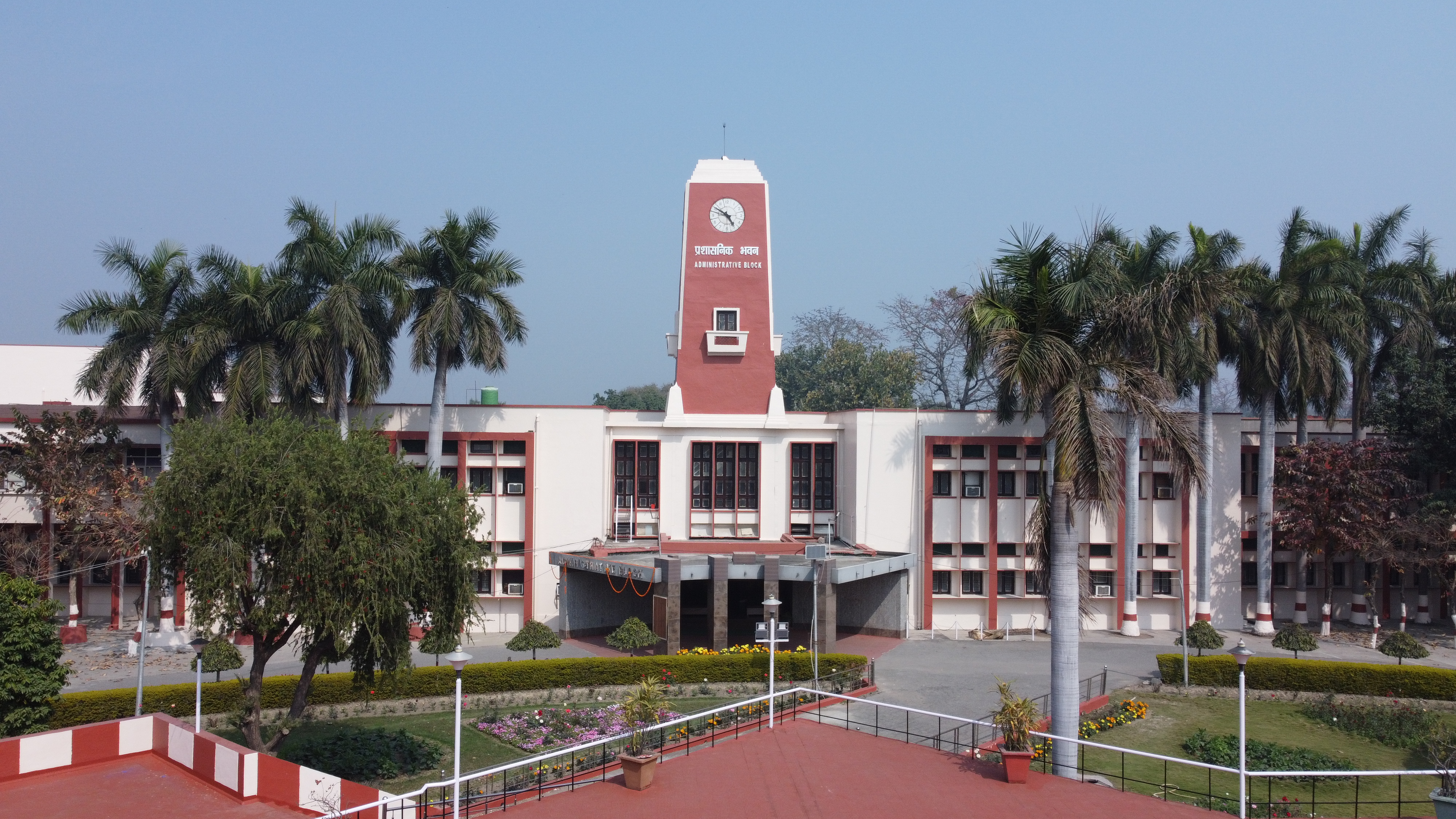
Ph.D. in Plant Physiology at G.B. Pant University
Introduction about Ph.D. in Plant Physiology at G.B. Pant University
The Doctor of Philosophy (Ph.D.) in Plant Physiology at G.B. Pant University stands as a beacon for aspiring scientists who wish to delve deep into the molecular, biochemical, and ecological mechanisms that govern plant life. With a legacy of agricultural innovation and a campus equipped with state‑of‑the‑art laboratories, the program nurtures talent, fuels curiosity, and transforms research aspirations into groundbreaking discoveries. Whether you aim to contribute to sustainable agriculture, climate‑resilient crops, or fundamental plant science, this doctoral journey offers a rigorous curriculum, mentorship from renowned faculty, and access to extensive field stations across the Indo‑Gangetic plains.
Eligibility Criteria for Ph.D. in Plant Physiology at G.B. Pant University
Prospective candidates must satisfy the following minimum requirements:
- A Master’s degree (M.Sc., M.Tech., or equivalent) in Plant Physiology, Botany, Agricultural Sciences, or a closely related discipline with at least 55% aggregate marks (or CGPA 6.5/10).
- Qualifying national-level entrance test scores such as UGC‑NET, CSIR‑UGC NET, or JRF in Plant Sciences.
- Research aptitude demonstrated through a well‑crafted Statement of Purpose (SOP) and a detailed research proposal.
- English language proficiency (minimum IELTS 6.0 or TOEFL iBT 80) for international candidates.
Entrance Exam for Ph.D. in Plant Physiology at G.B. Pant University
G.B. Pant University accepts scores from the following national level examinations:
- UGC‑NET (Life Sciences – Botany).
- CSIR‑UGC NET (Biological Sciences).
- JRF (Junior Research Fellowship) in Plant Biology.
Candidates who have not qualified for these exams can appear for the university’s own Ph.D. entrance test, which assesses core knowledge in plant physiology, research methodology, and analytical skills.
Fee Structure for Ph.D. in Plant Physiology at G.B. Pant University
| Component | Annual Fee (INR) | Total (4‑Year Program) |
|---|---|---|
| Tuition & Laboratory Charges | 45,000 | 180,000 |
| Library & Digital Resource Access | 5,000 | 20,000 |
| Examination & Evaluation Fees | 8,000 | 32,000 |
| Campus Facility & Student Services | 7,000 | 28,000 |
| Total Estimated Cost | 65,000 | 260,000 |
Admission Process for Ph.D. in Plant Physiology at G.B. Pant University
The admission workflow is designed to be transparent and candidate‑friendly:
- Online Application: Submit the application form through the university’s portal along with the required documents.
- Entrance Examination: Appear for the selected national‑level exam or the university’s own test.
- Interview & Proposal Review: Shortlisted candidates are invited for a personal interview and a detailed discussion of their research proposal.
- Final Selection: Admission offers are extended based on academic merit, research potential, and interview performance.
- Enrollment & Registration: Complete fee payment, register for courses, and commence the doctoral program.
Ph.D. Subjects and Specializations in Plant Physiology at G.B. Pant University
The doctoral curriculum offers flexibility to specialize in emerging domains such as:
- Plant Stress Physiology – Drought, salinity, and temperature resilience.
- Photosynthetic Efficiency and Bioenergy Crops.
- Signal Transduction and Hormonal Regulation.
- Metabolomics and Systems Biology of Plants.
- Plant–Microbe Interactions and Phytopathology.
Students can align their research with faculty expertise to create a niche that contributes to both academia and industry.
Research Areas in Plant Physiology at G.B. Pant University
The university’s research ecosystem encourages interdisciplinary collaborations across the following focus areas:
- Climate‑adaptive crop improvement.
- Functional genomics of stress response genes.
- Phytoremediation and soil health.
- Precision agriculture using remote sensing.
- Biofortification and nutritional quality enhancement.
With access to advanced growth chambers, metabolite profiling facilities, and field stations, doctoral candidates can conduct high‑impact research that aligns with national agricultural priorities.
Documents Required for Ph.D. in Plant Physiology at G.B. Pant University
| Document | Details | Format |
|---|---|---|
| Academic Transcripts | Certificates of B.Sc. and M.Sc. with marksheets | PDF (max 2 MB each) |
| Entrance Exam Score Card | UGC‑NET / CSIR‑NET / JRF or university test | |
| Research Proposal | 2‑3 pages outlining objectives, methodology, and expected outcomes | |
| Curriculum Vitae (CV) | Academic and research experience, publications, and conferences | |
| Letter of Recommendation | Two letters from academicians or industry experts | |
| Identity Proof | Aadhaar Card / Passport |
G.B. Pant University Ph.D. Syllabus for Plant Physiology
The syllabus is structured into core modules, elective courses, and research work:
- Core Modules: Advanced Plant Biochemistry, Plant Molecular Physiology, Research Methodology, Statistics for Biological Sciences.
- Electives (choose any two): Plant Genetic Engineering, Environmental Physiology, Plant Nutrition, Bioinformatics in Plant Science.
- Research Component: Original thesis work, publication of at least two peer‑reviewed articles, and presentation at national/international conferences.
How To Apply for Ph.D. in Plant Physiology at G.B. Pant University
Follow these steps to submit a successful application:
- Visit the official university admission portal.
- Register using a valid email address and create a secure password.
- Fill in personal, academic, and contact details.
- Upload all required documents (see the documents table above).
- Pay the non‑refundable application fee online.
- Submit the application and note the generated application ID for future correspondence.
After submission, monitor your email for examination schedules or interview invitations.
Career Scope and Job Opportunities After Ph.D. in Plant Physiology from G.B. Pant University
A doctorate in Plant Physiology opens doors to diverse roles such as:
- Research Scientist in agricultural biotech firms (e.g., seed development, crop protection).
- Faculty positions in universities and research institutes.
- Post‑doctoral fellowships at national labs (ICAR, CSIR) and international research centers.
- Policy analyst for governmental agencies shaping agri‑environmental strategies.
- Consultant for NGOs and international organizations focusing on food security and climate‑smart agriculture.
According to recent placement data, 78% of Ph.D. graduates secure relevant employment within six months of graduation, with starting salaries ranging from INR 7 Lakhs to INR 12 Lakhs per annum.
Scholarship for Ph.D. in Plant Physiology at G.B. Pant University
Various funding options are available to support deserving candidates:
- ICAR Junior Research Fellowship (JRF): Full tuition waiver plus a monthly stipend of INR 31,000.
- CSIR‑NET Fellowship: Annual stipend of INR 31,000 and contingency grant for research consumables.
- University Merit Scholarship: Based on academic excellence, covering 50% of tuition fees.
- External Fellowships: Opportunities from DST, INSPIRE, and international bodies such as the Commonwealth Scholarship.
Applicants are encouraged to mention their funding requirements in the SOP to facilitate early consideration.
FAQs Regarding Ph.D. in Plant Physiology at G.B. Pant University
- What is the minimum duration to complete the Ph.D.?
- The program is designed for a minimum of four years, but extensions are possible based on research progress.
- Can I pursue the Ph.D. part‑time while working?
- Yes, G.B. Pant University offers a part‑time option for working professionals, subject to approval by the department.
- Is there a provision for collaborative research with industry?
- Absolutely. The university maintains MoUs with leading agri‑tech




