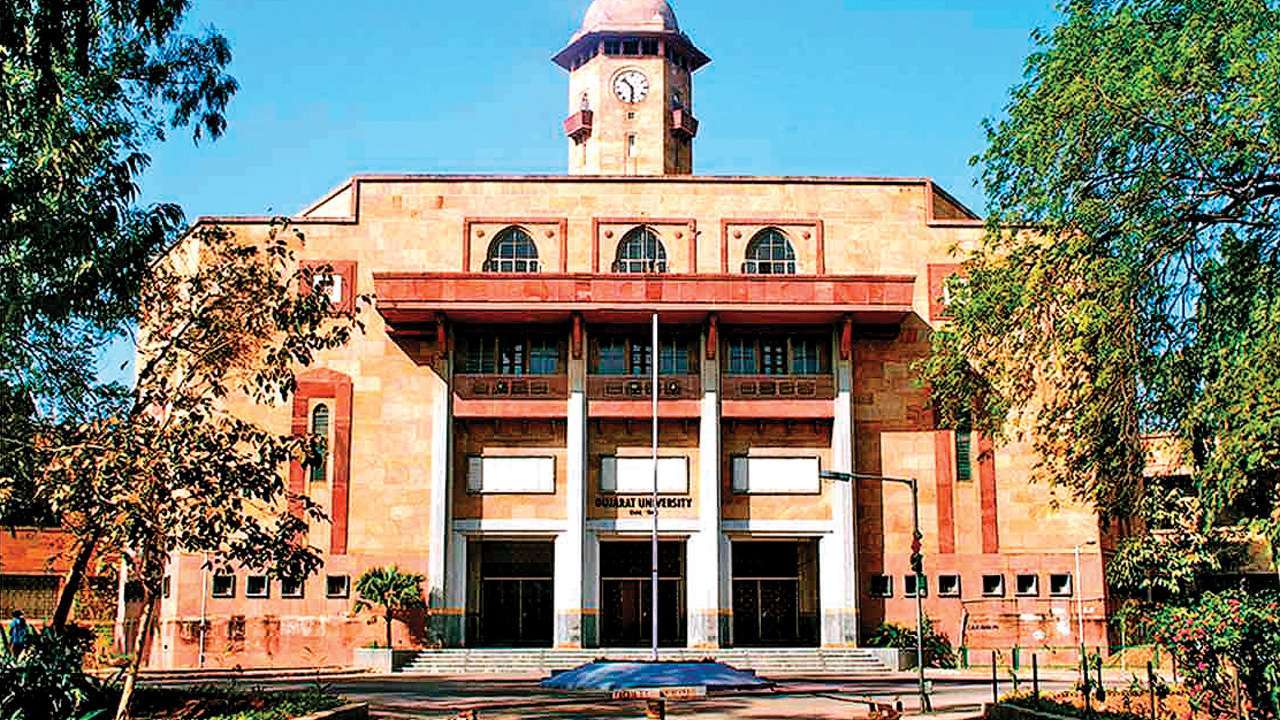
Ph.D. in Prakrit from Gujarat University: A Comprehensive Guide
Introduction about Ph.D. in Prakrit at Gujarat University
Embarking on a Ph.D. in Prakrit at Gujarat University is more than an academic pursuit; it is a profound journey into the linguistic and cultural heritage of India. Prakrit, the middle Indo-Aryan language, serves as a vital key to unlocking the treasures of ancient Jaina literature, epigraphy, and history. Gujarat University, known for its academic rigour and legacy, provides an intellectually stimulating environment for scholars dedicated to preserving and analyzing these ancient dialects. Whether you are aiming to contribute to historical linguistics or delve into manuscript studies, this program equips you with the scholarly tools to excel. For those at the beginning of their doctoral journey, seeking expert guidance in Thesis and Dissertation Writing Services can provide the structural foundation required for such a specialized field.
Ph.D Admission 2026-2027 & Writing Support Services by Shiksha Research
Eligibility Criteria for Ph.D. in Prakrit at Gujarat University
To be eligible for the Ph.D. program, candidates must hold a Master?s degree in Prakrit or a related discipline (such as Sanskrit, Linguistics, or Indology) from a recognized university with at least 55% aggregate marks (or an equivalent grade). A relaxation of 5% is generally provided for candidates belonging to SC/ST/OBC/Differently-abled categories as per UGC guidelines. Candidates who have cleared UGC-NET/JRF or SLET are preferred as they may be exempted from the university entrance test.
Entrance Exam for Ph.D. in Prakrit at Gujarat University
Gujarat University conducts an entrance examination for Ph.D. applicants to assess their research aptitude and subject knowledge. The exam typically consists of two sections: Research Methodology and the specific subject of Prakrit language and literature. Success in this exam is a prerequisite for the interview process. If your research methodology involves empirical or philological data, utilizing Research Data Analysis Services can ensure your findings are presented with maximum impact.
Fee Structure for Ph.D. in Prakrit at Gujarat University
The fee structure is designed to be affordable while reflecting the administrative and laboratory costs associated with doctoral research. Please note that exact figures are subject to change based on university notifications.
| Category | Estimated Annual Fee (INR) |
|---|---|
| Registration/Application Fee | 1,500 - 2,500 |
| Course Work Fee | 10,000 - 15,000 |
| Annual Research/Laboratory Fee | 5,000 - 8,000 |
| Thesis Submission Fee | 5,000 - 10,000 |
Admission Process for Ph.D. in Prakrit at Gujarat University
The admission process involves a series of steps: online registration, appearing for the entrance examination, and a personal interview or viva-voce where candidates must present their research proposal. Shortlisted candidates are then allocated to supervisors based on their area of interest and the availability of faculty specializations.
Ph.D. Subjects and Specializations in Prakrit at Gujarat University
Students in this program explore specialized modules including:
- Prakrit Grammar and Linguistics (Pali, Ardhamagadhi, Maharashtri)
- Ancient Indian Epigraphy and Paleography
- Jaina Canonical Literature
- Comparative Literature in Apabhramsa
- Manuscriptology and Textual Criticism
Research Areas in Prakrit at Gujarat University
Research aspirants can delve into diverse fields such as socio-historical analysis of ancient Prakrit texts, digital archiving of rare manuscripts, or the evolution of grammar in the medieval period. Engaging in Research Paper Writing Services early in your program can help you refine your arguments and publish your preliminary research in indexed international journals.
Documents Required for Ph.D. in Prakrit at Gujarat University
Candidates must ensure the following documents are ready for the admission portal:
- Master?s Degree Certificate and Marksheets
- UGC-NET/JRF or Entrance Test Scorecard
- Research Proposal (Hard and Soft copy)
- Identity Proof (Aadhar/Passport)
- Caste and Income Certificates (if applicable)
Gujarat University Ph.D. Syllabus for Prakrit
The syllabus includes a mandatory course-work phase comprising Research Methodology, Computer Applications in Humanities, and a specialized paper on Prakrit literature. Candidates focusing on field studies may need help with Questionnaire Design and Development if their research requires surveys of ancient text preservation institutions or linguistic interviews.
How To Apply for Ph.D. in Prakrit at Gujarat University
Visit the official Gujarat University website, register as a new user, fill in the application form, upload scanned copies of required documents, and pay the application fee online through the payment portal. Ensure that all details are accurate to avoid rejection during the verification stage.
Career Scope and Job Opportunities After Ph.D. in Prakrit from Gujarat University
A Ph.D. in Prakrit opens doors to prestigious careers in academia, museum curation, archival management, and translation work. Graduates can serve as Assistant Professors, research scientists in linguistic institutes, or editors of ancient manuscripts. The analytical skills acquired during the degree are highly valued in the cultural sector and government-led language preservation initiatives.
Scholarship for Ph.D. in Prakrit at Gujarat University
Gujarat University provides various fellowship options, including the JRF scholarship for UGC-NET qualified candidates and state-level research fellowships for eligible students based on merit and category. These financial aids help scholars focus entirely on their research objectives without the burden of financial constraints.
FAQs Regarding Ph.D. in Prakrit at Gujarat University
Q: Can I pursue this Ph.D. as a working professional?
A: Yes, Gujarat University offers part-time Ph.D. options for professionals who meet the stringent residency and research requirements.
Q: Is there any exemption from the entrance exam?
A: Yes, candidates who have qualified for UGC-NET (including JRF), SLET, or M.Phil. degrees are generally exempted from the entrance test.
Q: How long does the program take to complete?
A: A minimum of three years is required, including the mandatory course-work duration, though it may extend depending on the complexity of the research.




