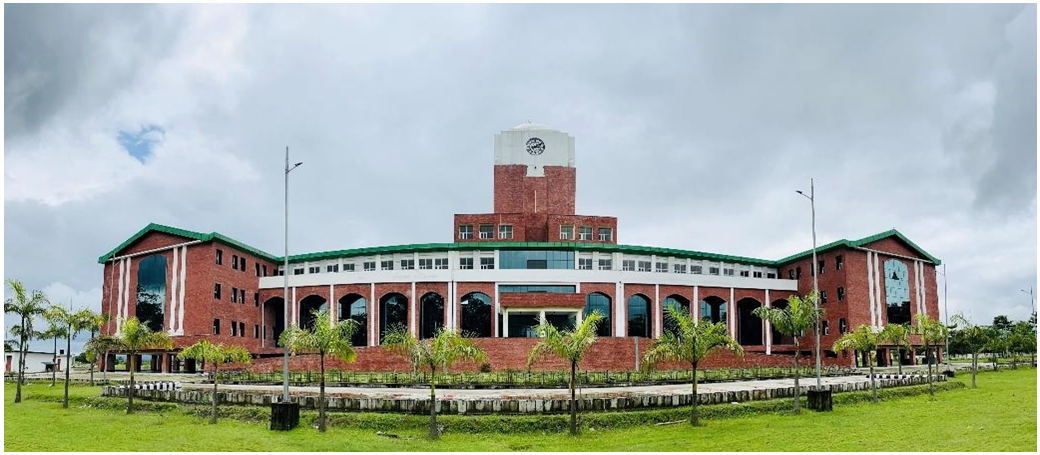
Ph.D. in Processing and Food Engineering from Indian Agricultural Research Institute: A Gateway to Innovation
Introduction about Ph.D. in Processing and Food Engineering at Indian Agricultural Research Institute
The pursuit of a Ph.D. in Processing and Food Engineering at the Indian Agricultural Research Institute (IARI), Pusa, is a prestigious milestone for researchers dedicated to transforming the agricultural landscape. As a premier institution for agricultural research, IARI provides an ecosystem that fosters innovation in post-harvest technology, food safety, and value addition. Professionals choosing this path are not merely students; they are architects of the future, working to reduce food loss and improve nutritional security through cutting-edge chemical and biological engineering principles.
Embarking on this academic journey requires a blend of rigor and creativity. If you find the complexities of doctoral research overwhelming, you might consider professional support such as Thesis and Dissertation Writing Services to ensure your scholarly contributions meet global standards.
Eligibility Criteria for Ph.D. in Processing and Food Engineering at Indian Agricultural Research Institute
To qualify for the doctoral program at IARI, candidates must hold a Master?s degree in Agricultural Engineering (Processing and Food Engineering) or related fields with a minimum OGPA (Overall Grade Point Average) or percentage prescribed by the IARI Academic Council. Generally, a minimum of 60% marks or equivalent CGPA in the Master's degree is required for General/OBC candidates, with necessary relaxations for SC/ST/PwD categories in accordance with ICAR regulations.
Entrance Exam for Ph.D. in Processing and Food Engineering at Indian Agricultural Research Institute
Admissions are primarily conducted through the All India Competitive Examination administered by the Indian Council of Agricultural Research (ICAR-AICE-JRF/SRF). This competitive exam evaluates the candidate?s technical proficiency, current research trends in food processing, and general agricultural knowledge. Success in this exam is highly competitive given the institute?s esteemed reputation.
Fee Structure for Ph.D. in Processing and Food Engineering at Indian Agricultural Research Institute
IARI is known for its affordable yet high-quality education. The fee structure typically covers registration, coursework, and laboratory facilities. Below is a representative summary of the fee components:
| Fee Component | Approximate Annual Fee (INR) |
|---|---|
| Tuition Fee | 15,000 - 20,000 |
| Library & Laboratory Fees | 5,000 - 8,000 |
| Hostel & Mess Charges | Subject to actual consumption |
| Total (Approx) | 25,000 - 30,000 |
Admission Process for Ph.D. in Processing and Food Engineering at Indian Agricultural Research Institute
The admission process involves the ICAR-AICE entrance exam, followed by centralized counseling. Candidates are shortlisted based on their entrance scores and invited for an interview or academic verification process at IARI. Selection is merit-based, considering both academic records and the performance in the entrance examination.
Ph.D. Subjects and Specializations in Processing and Food Engineering at Indian Agricultural Research Institute
Students engage in advanced coursework involving transport phenomena, food packaging technology, rheology of food materials, and thermodynamics. Specializations often revolve around drying technology, crop processing, dairy engineering, and the development of energy-efficient food processing machinery.
Research Areas in Processing and Food Engineering at Indian Agricultural Research Institute
Research at IARI is at the forefront of engineering science. Key areas include non-thermal processing, nanotechnology in food packaging, sensor-based food quality analysis, and the development of sustainable food supply chains. For candidates managing vast datasets in their experimental phases, utilizing Research Data Analysis Services is often a strategic move to ensure valid and reproducible results.
Documents Required for Ph.D. in Processing and Food Engineering at Indian Agricultural Research Institute
Prospective students must organize their documentation well in advance to avoid last-minute delays. Required documents include:
- Master's Degree Provisional/Original Certificate
- Academic transcripts of Bachelor's and Master's degrees
- ICAR-AICE Scorecard
- Category Certificate (if applicable)
- Passport-sized photographs
- Research Proposal (often required for the interview stage)
Indian Agricultural Research Institute Ph.D. Syllabus for Processing and Food Engineering
The curriculum is designed to balance theoretical depth with practical application. It includes modules on advanced statistics, modeling and simulation of food systems, food plant design, and advanced instrumentation. When conducting surveys or experimental studies, students may often require Questionnaire Design and Development support to ensure their research methodology is sound.
How To Apply for Ph.D. in Processing and Food Engineering at Indian Agricultural Research Institute
Applications must be submitted via the official ICAR-IARI portals during the notification window. Candidates are advised to monitor the official IARI website regularly, fill out the online application, upload the necessary credentials, and pay the registration fee before the deadline.
Career Scope and Job Opportunities After Ph.D. in Processing and Food Engineering from Indian Agricultural Research Institute
The career trajectory for IARI graduates is stellar. Opportunities exist in the food processing industry, academia, government research agencies (like CSIR/ICAR), and international development organizations. Graduates often transition into roles as Chief Technology Officers (CTO), Lead Researchers, or Senior Consultants in the food and beverage sector. For those aiming to publish their findings in high-impact journals, seeking professional Research Paper Writing Services can significantly enhance the visibility of their academic work.
Scholarship for Ph.D. in Processing and Food Engineering at Indian Agricultural Research Institute
IARI provides numerous financial avenues for doctoral candidates. The most prominent is the ICAR-SRF (Senior Research Fellowship), awarded based on the entrance rank. Additionally, various government schemes like the INSPIRE Fellowship or project-based assistantships are available to support scholars throughout their research tenure.
FAQs Regarding Ph.D. in Processing and Food Engineering at Indian Agricultural Research Institute
Q1: Is work experience mandatory for IARI Ph.D. admissions?
No, work experience is not mandatory, though it is preferred in certain professional research contexts.
Q2: Can I pursue this program part-time?
The Ph.D. program at IARI is primarily a full-time, residential research program.
Q3: Does IARI provide hostel accommodation?
Yes, IARI provides on-campus hostel facilities for Ph.D. scholars, subject to availability.




