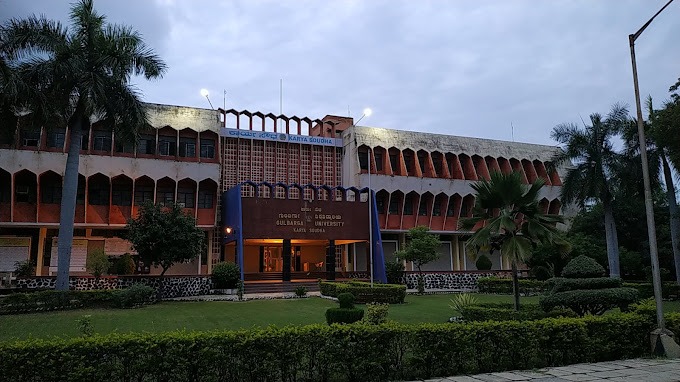
Introduction about Ph.D. in Psychology at Gulbarga University
Embarking on a Ph.D. in Psychology at Gulbarga University is more than just an academic pursuit; it is a transformative journey toward becoming a thought leader in the study of the human mind and behavior. Located in Kalaburagi, Karnataka, Gulbarga University (GUK) has established itself as a premier destination for higher research, fostering an environment where curiosity meets rigorous scientific inquiry. For professionals looking to elevate their clinical, academic, or organizational careers, this doctoral program offers a robust platform to contribute original findings to the global psychological community. Whether your passion lies in clinical interventions, cognitive neuroscience, or social behavior, this program empowers you to transcend traditional boundaries and innovate solutions for modern mental health challenges.
Ph.D Admission 2026-2027 & Writing Support Services by Shiksha Research
Eligibility Criteria for Ph.D. in Psychology at Gulbarga University
To maintain high standards of research excellence, Gulbarga University mandates specific eligibility criteria for aspiring doctoral scholars. Applicants must possess a Master?s degree in Psychology (M.A. or M.Sc.) from a recognized university. A minimum aggregate of 55% marks (or an equivalent grade B in the UGC 7-point scale) is required for general category candidates. Recognizing the importance of inclusivity, a relaxation of 5% is granted to candidates belonging to SC/ST/OBC (non-creamy layer) and differently-abled categories, bringing their required minimum to 50%. Furthermore, professionals who have already cleared national-level examinations like UGC-NET, JRF, or SLET are highly encouraged to apply, as they often receive merit-based advantages during the selection process.
Entrance Exam for Ph.D. in Psychology at Gulbarga University
The gateway to the doctoral program at Gulbarga University is the Ph.D. Entrance Test (PET), conducted annually. This examination is designed to assess the candidate?s aptitude for advanced research and their fundamental understanding of psychological theories. The exam typically consists of two parts: Research Methodology and Subject-Specific Knowledge (Psychology). Candidates aiming for top scores often seek professional assistance for Questionnaire Design and Development to better understand data collection tools which are frequently tested in the methodology section. It is important to note that candidates who have qualified for UGC-NET (including JRF), UGC-CSIR NET, SLET, or GATE are generally exempted from the entrance test but must still appear for the personal interview rounds.
Fee Structure for Ph.D. in Psychology at Gulbarga University
Gulbarga University offers a highly competitive and affordable fee structure compared to private institutions, ensuring that financial constraints do not hinder intellectual growth. The fees vary slightly based on the candidate's category and whether they are internal or external scholars. Below is an approximate breakdown of the costs involved:
| Fee Component | Estimated Amount (General) | Estimated Amount (SC/ST/Cat-I) |
|---|---|---|
| Registration Fee (One-time) | ?5,000 - ?8,000 | ?2,500 - ?4,000 |
| Annual Tuition Fee | ?10,000 - ?15,000 | ?5,000 - ?7,500 |
| Laboratory/Library Fee | ?3,000 - ?5,000 | ?1,500 - ?2,500 |
| Coursework Exam Fee | ?2,000 - ?4,000 | ?1,000 - ?2,000 |
| Thesis Submission Fee | ?10,000 - ?12,000 | ?5,000 - ?6,000 |
Admission Process for Ph.D. in Psychology at Gulbarga University
The admission process is a meticulous multi-stage journey designed to identify the most promising researchers. It begins with an official notification on the university website, followed by the submission of online applications. After the Entrance Test, shortlisted candidates are invited for a Presentation-cum-Interview before the Departmental Research Committee (DRC). During this interview, the candidate?s research interest and competence are evaluated. The final selection is based on a combined score of the entrance exam and the interview performance. Once selected, candidates must complete a mandatory six-month coursework period, which is the foundation of their doctoral journey. Scholars often utilize Thesis and Dissertation Writing Services at this stage to refine their initial research proposals and ensure they meet global academic standards.
Ph.D. Subjects and Specializations in Psychology at Gulbarga University
Psychology is a diverse field, and Gulbarga University provides a wide array of specializations that allow scholars to tailor their research to their specific professional goals. Key areas of focus include:
- Clinical Psychology: Focus on mental health disorders, diagnostics, and therapeutic interventions.
- Organizational Behavior: Studying workplace dynamics, leadership, and human resource development.
- Counseling Psychology: Researching guidance and counseling techniques for schools, families, and rehabilitation centers.
- Social Psychology: Exploring the impact of social structures on individual behavior and community health.
- Cognitive Psychology: Investigating memory, perception, problem-solving, and linguistic processes.
Research Areas in Psychology at Gulbarga University
Gulbarga University encourages interdisciplinary research that addresses local and national societal needs. Scholars are currently exploring innovative research areas such as the psychological impact of digital technology on youth, mental health challenges in rural North Karnataka, geriatric psychology, and the effectiveness of mindfulness-based cognitive therapy. The university?s labs are equipped to support empirical studies, where students are trained in advanced statistical tools. Many scholars find it beneficial to collaborate with Research Data Analysis Services to manage complex datasets and ensure the statistical validity of their findings.
Documents Required for Ph.D. in Psychology at Gulbarga University
Candidates must ensure they have the following documents ready at the time of application and interview:
- Post-Graduate Degree Certificate and Marksheets (M.A./M.Sc. Psychology).
- Undergraduate Degree Certificate.
- Transfer Certificate (TC) and Migration Certificate.
- Caste and Income Certificate (if applicable for reservation).
- UGC-NET/JRF/SLET Qualification Certificates (if applicable).
- A detailed Research Proposal (Synopsis) of the proposed study.
- No Objection Certificate (NOC) if the candidate is currently employed.
- Passport-size photographs and valid Government ID (Aadhar/Voter ID).
Gulbarga University Ph.D. Syllabus for Psychology
The Ph.D. syllabus at Gulbarga University is divided into a rigorous Coursework phase and the subsequent Research phase. The Coursework component is mandatory and typically includes:
- Paper I: Research Methodology: Ethics in research, quantitative and qualitative research designs, and sampling techniques.
- Paper II: Advanced Psychological Theories: A deep dive into contemporary theories relevant to the candidate?s area of research.
- Paper III: Statistics and Computer Applications: Mastery over SPSS, R-programming, and other data interpretation tools.
- Paper IV: Review of Literature: Submitting a comprehensive review of existing studies related to the chosen research topic.
How To Apply for Ph.D. in Psychology at Gulbarga University
Applying for a Ph.D. requires careful attention to deadlines. Follow these steps for a successful application:
- Visit the official Gulbarga University website regularly to check for Ph.D. admission notifications.
- Download the application form or fill it out online as per the instructions.
- Pay the application fee through the prescribed online payment gateway or challan.
- Upload/submit the required documents along with a preliminary research outline.
- Appear for the Entrance Test (if not exempt) and stay updated on the interview schedule.
- Finalize your guide/supervisor after the department confirms your selection.
Career Scope and Job Opportunities After Ph.D. in Psychology from Gulbarga University
Earning a doctorate in Psychology opens doors to prestigious and high-impact career paths. Graduates are highly sought after in academia as Assistant Professors and Researchers. Beyond the classroom, Ph.D. holders can work as Clinical Psychologists, Forensic Experts, or Child Development Consultants in healthcare settings. In the corporate world, they excel as HR Strategists and Organizational Development Consultants. For those interested in the publishing world, leveraging Research Paper Writing Services during their Ph.D. helps in building a strong publication profile, which is essential for securing high-ranking research positions in international think tanks and policy-making bodies.
Scholarship for Ph.D. in Psychology at Gulbarga University
Financial support is available to meritorious and deserving scholars at Gulbarga University. The university facilitates various scholarships, including the Junior Research Fellowship (JRF) for NET qualifiers and the Rajiv Gandhi National Fellowship for SC/ST candidates. Additionally, state-specific scholarships like the Karnataka State Research Fellowship and university-funded departmental fellowships are available for full-time researchers. These stipends are designed to cover living expenses and research-related costs, allowing scholars to focus entirely on their intellectual contributions.
FAQs Regarding Ph.D. in Psychology at Gulbarga University
1. Can I do a Ph.D. in Psychology part-time at Gulbarga University?
Yes, the university offers both full-time and part-time Ph.D. tracks, especially for working professionals and teachers, provided they meet the specific requirements and provide an NOC from their employer.
2. Is there an age limit for applying to the Ph.D. program?
Generally, there is no upper age limit for pursuing a Ph.D. at Gulbarga University, making it an ideal choice for professionals looking to enhance their credentials later in their careers.
3. How long does it take to complete the Ph.D.?
The minimum duration is three years, including coursework, and the maximum is usually six years, with provisions for extensions under certain circumstances.
4. Does the university provide assistance in finding a research supervisor?
Yes, during the interview process and departmental counseling, the university helps match students with supervisors based on their research interests and the availability of seats under the guide.




