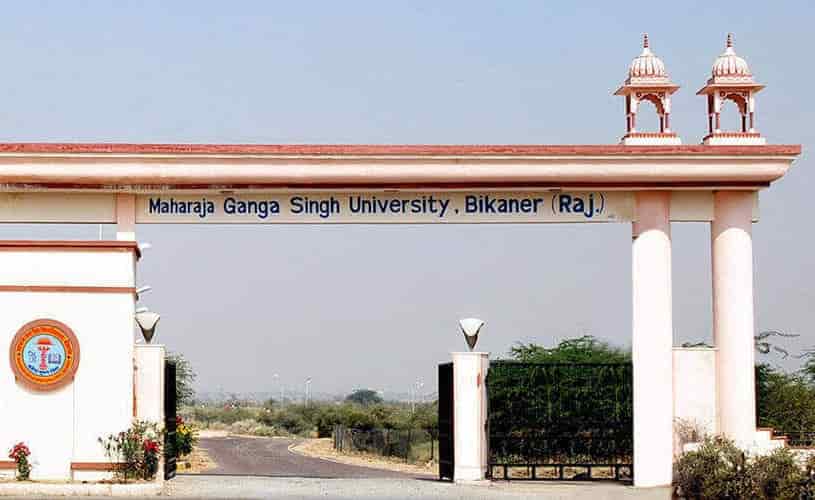
Introduction about Ph.D. in Sanskrit at Maharaja Ganga Singh University
Embarking on a Ph.D. in Sanskrit at Maharaja Ganga Singh University (MGSU), Bikaner, is more than just an academic pursuit; it is a profound journey into the heart of human civilization. Sanskrit, often hailed as the "Mother of all Languages," carries the weight of millennia of wisdom, ranging from the spiritual insights of the Vedas to the intricate logic of Nyaya and the breathtaking aesthetics of classical Kavya. For the dedicated professional and the passionate scholar, MGSU provides a vibrant ecosystem where traditional erudition meets modern research methodologies. By choosing to pursue doctoral studies here, you are not merely earning a degree; you are becoming a custodian of a heritage that documented the first whispers of science, philosophy, and linguistics. This journey will challenge your intellect, refine your perspective, and empower you to contribute original insights to the global treasury of knowledge.
Ph.D Admission 2026-2027 & Writing Support Services by Shiksha Research
Eligibility Criteria for Ph.D. in Sanskrit at Maharaja Ganga Singh University
To walk the path of advanced research in Sanskrit at MGSU, candidates must meet specific academic standards. The university seeks individuals who have demonstrated consistent academic excellence and a deep-seated commitment to the language. Generally, candidates must hold a Master?s degree (M.A. in Sanskrit or Acharya) from a recognized university. A minimum of 55% marks in the aggregate is required for general category candidates, while a relaxation of 5% (bringing it down to 50%) is provided for SC, ST, OBC (non-creamy layer), and PwD candidates. Furthermore, those who have cleared national-level examinations like UGC-NET (including JRF) often find themselves at a distinct advantage during the selection process. This rigorous eligibility framework ensures that the research community at MGSU consists of scholars capable of handling the complexities of ancient texts and modern analytical frameworks.
Entrance Exam for Ph.D. in Sanskrit at Maharaja Ganga Singh University
The gateway to becoming a doctoral scholar at MGSU is the Maharaja Ganga Singh University Ph.D. Combined Entrance Test (MPCET). This examination is designed to evaluate both the candidate?s depth of knowledge in Sanskrit and their aptitude for systematic research. The paper typically consists of two parts: the first focuses on Research Methodology, and the second delves into the core subject of Sanskrit. Success in this exam requires a strategic approach, often necessitating the study of previous research trends. For those aiming to publish high-quality preliminary findings during their preparation, utilizing professional Research Paper Writing Services can provide valuable insights into the standard of academic writing expected at the doctoral level. Candidates who have qualified for JRF are often exempted from the entrance test but must still participate in the subsequent interview rounds.
Fee Structure for Ph.D. in Sanskrit at Maharaja Ganga Singh University
The fee structure at Maharaja Ganga Singh University is designed to be accessible while maintaining the high standards of a state university. It is structured to cover academic resources, administrative support, and research supervision. Below is an approximate breakdown of the costs associated with the Ph.D. program in Sanskrit:
| Fee Head | Approximate Amount (INR) | Frequency |
|---|---|---|
| Application/Registration Fee | ?2,000 - ?3,000 | One-time |
| Course Work Fee | ?5,000 - ?10,000 | One-time |
| Annual Tuition Fee | ?8,000 - ?15,000 | Yearly |
| Library & IT Services | ?2,000 | Yearly |
| Thesis Submission Fee | ?10,000 - ?15,000 | At the time of submission |
Note: Fees are subject to change per university notifications. It is advisable to check the official MGSU portal for the most current figures.
Admission Process for Ph.D. in Sanskrit at Maharaja Ganga Singh University
The admission process at MGSU is transparent and merit-based, ensuring that the most deserving candidates find their place in the research departments. It begins with an official notification for the MPCET, followed by the online application phase. After the entrance exam, candidates are shortlisted based on their scores. The final stage is an interview/viva-voce conducted by the Departmental Research Committee. During this interview, candidates must present their research interest and demonstrate their suitability for the program. Successfully navigating this process leads to provisional registration and the commencement of mandatory course work, which lays the foundation for your future thesis. To ensure your research design is robust from day one, consulting experts in Questionnaire Design and Development can be highly beneficial for scholars focusing on linguistic surveys or modern reception of Sanskrit texts.
Ph.D. Subjects and Specializations in Sanskrit at Maharaja Ganga Singh University
At MGSU, the Department of Sanskrit offers a wide array of specializations, allowing scholars to focus on their specific areas of passion. Whether you are drawn to the technical precision of grammar or the spiritual depths of the Upanishads, the university offers expert guidance. Some of the prominent specializations include:
- Sahitya (Literature): Study of classical Sanskrit drama, poetry, and prose.
- Vyakarana (Grammar): Deep dive into Paninian linguistics and modern philology.
- Darshana (Philosophy): Analysis of the six systems of Indian philosophy (Sankhya, Yoga, Nyaya, Vaisheshika, Mimamsa, and Vedanta).
- Veda and Arsha Sahitya: Exploration of Vedic hymns, Brahmanas, and Aranyakas.
- Dharmashastra and Puranas: Research into ancient Indian law and mythological narratives.
Research Areas in Sanskrit at Maharaja Ganga Singh University
The research landscape at MGSU in the field of Sanskrit is vast and incredibly relevant to contemporary intellectual discourse. Scholars are encouraged to look beyond traditional boundaries and explore interdisciplinary themes. Research often involves the critical edition of manuscripts, the philosophical analysis of ethics in the modern world, or the comparative study of Sanskrit and modern Indo-Aryan languages. For those handling vast amounts of textual evidence or comparative linguistic datasets, professional Research Data Analysis Services can help in deriving meaningful patterns from complex philological information. The goal is to produce original work that bridges the gap between ancient wisdom and modern inquiry.
Documents Required for Ph.D. in Sanskrit at Maharaja Ganga Singh University
Preparation is key to a smooth application experience. Ensure you have the following documents ready for verification:
- Post-Graduate Degree and Marksheets (M.A./Acharya).
- Undergraduate Degree and Marksheets.
- NET/JRF Certificate (if applicable).
- Transfer Certificate and Migration Certificate.
- Category Certificate (SC/ST/OBC/EWS) if claiming reservation.
- Experience Certificate (for working professionals).
- Valid ID Proof (Aadhar, Passport, etc.).
- Passport-sized photographs.
- Proposed Research Synopsis (Initial Draft).
Maharaja Ganga Singh University Ph.D. Syllabus for Sanskrit
The syllabus for the Ph.D. program is divided into two major components. The first part is the **Course Work**, which covers Research Methodology, encompassing both general research ethics and specific Sanskrit research techniques like manuscriptology (Lipi-vigyan) and text criticism. The second part is the **Specialized Subject Core**, where the scholar masters their chosen field of study. This involves reading original texts in their primary form, understanding commentaries (Bhashyas), and reviewing existing literature. The syllabus is designed to transform a student into an independent researcher capable of defending their arguments against rigorous academic scrutiny.
How To Apply for Ph.D. in Sanskrit at Maharaja Ganga Singh University
Applying for a Ph.D. at MGSU is a streamlined digital process. Candidates must visit the official university website when the admission window opens. After registering with a valid email and mobile number, follow these steps:
- Fill out the online application form with personal and academic details.
- Upload scanned copies of required documents in the specified format.
- Pay the application fee through the integrated online payment gateway.
- Download the admit card once it is released for the MPCET.
- Prepare your research proposal diligently. If you find the drafting process overwhelming, professional Thesis and Dissertation Writing Services can assist in structuring your thoughts to meet the specific academic standards of the university.
Career Scope and Job Opportunities After Ph.D. in Sanskrit from Maharaja Ganga Singh University
A Ph.D. in Sanskrit opens doors to many fulfilling career paths. In an era where Indian heritage is gaining global attention, the demand for Sanskrit experts is on the rise. Graduates can pursue careers as:
- Academicians: Professors and Lecturers in Universities and Colleges.
- Researchers: Working with organizations like ICHR, ICPR, or international Indic study centers.
- Manuscriptologists: Preserving and translating ancient scripts in national archives or museums.
- Content Experts: Working with media houses, publishing firms, or spiritual organizations for authentic interpretations.
- Civil Services: Sanskrit is a popular and scoring optional subject in UPSC and various State PSC exams.
- Translation Services: High demand for translating legal, medical, and philosophical texts into global languages.
Scholarship for Ph.D. in Sanskrit at Maharaja Ganga Singh University
Financial constraints should never hinder the pursuit of truth. At Maharaja Ganga Singh University, various scholarship opportunities are available for Ph.D. scholars. Those who have qualified for the Junior Research Fellowship (JRF) receive a substantial monthly stipend from the UGC. Additionally, several state government scholarships and university-specific merit fellowships are available for meritorious students belonging to economically weaker or reserved sections. Research scholars are also encouraged to apply for various fellowships offered by the Ministry of Culture and other national bodies dedicated to the promotion of Sanskrit and Classical Indian studies.
FAQs Regarding Ph.D. in Sanskrit at Maharaja Ganga Singh University
Q1: Is MGSU a recognized university for a Ph.D. in Sanskrit?
A: Yes, Maharaja Ganga Singh University is a state university recognized by the UGC, making its doctoral degrees valid for all academic and professional purposes across India and abroad.
Q2: Can I pursue a Ph.D. in Sanskrit part-time?
A: MGSU primarily offers full-time Ph.D. programs. However, for working professionals, certain relaxations may apply as per the latest UGC ordinances and university statutes regarding residency requirements.
Q3: How important is the interview stage?
A: The interview is crucial. It assesses your research vision, your command over the subject, and the feasibility of your proposed research topic.
Q4: What is the duration of the Ph.D. program?
A: The duration is typically a minimum of three years and a maximum of six years, including the period spent on course work.
Q5: Can I choose an interdisciplinary topic for my research?
A: Yes, MGSU encourages interdisciplinary research that connects Sanskrit with Modern Science, Psychology, Law, or Linguistics, provided you have a co-supervisor from the relevant department if needed.
Transform your passion for the ancient world into a pioneering career at Maharaja Ganga Singh University. Your journey into the depths of Sanskrit begins here!




