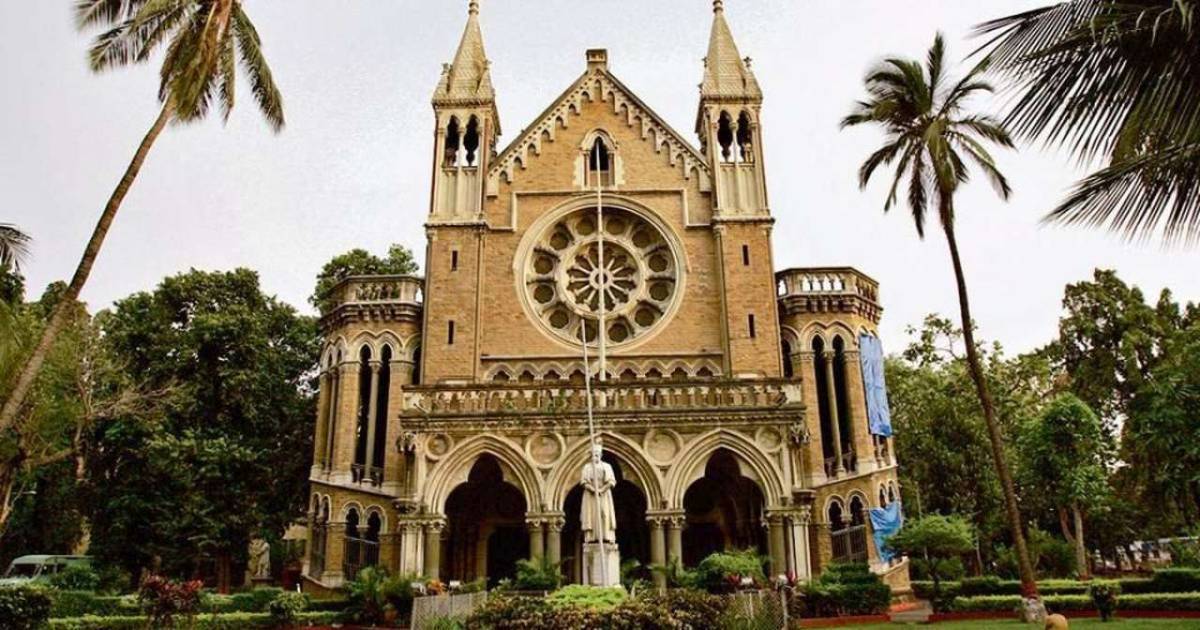
Ph.D. in Sanskrit from Mumbai University: Eligibility, Entrance Exam, Fee Structure, Admission Process, Subjects, Research Areas, Syllabus, Scholarship & Career Scope
Introduction about Ph.D. in Sanskrit at Mumbai University
Embarking on a doctoral journey in Sanskrit at Mumbai University opens a gateway to preserving India’s ancient linguistic heritage while shaping contemporary scholarship. This prestigious program blends rigorous research methodology with deep textual analysis, empowering scholars to contribute original insights into classical literature, philosophy, linguistics, and cultural studies. Whether you aspire to become a university professor, a research analyst, or a policy advisor in cultural preservation, a Ph.D. in Sanskrit from Mumbai University equips you with the scholarly credibility and critical acumen needed to excel.
Eligibility Criteria for Ph.D. in Sanskrit at Mumbai University
Prospective candidates must meet the following minimum requirements:
- Master’s degree (M.A.) in Sanskrit or a related discipline with at least 55% aggregate marks (50% for SC/ST candidates).
- Cleared the university‑prescribed entrance examination or possess a valid national level qualification (e.g., UGC‑NET, CSIR‑NET) in Sanskrit.
- For candidates with a research‑oriented Master’s thesis, a minimum of 5 publications in recognized journals may be considered in lieu of the entrance test.
- Age limit: No upper age restriction, though candidates must demonstrate the physical and intellectual capacity to undertake full‑time research.
Entrance Exam for Ph.D. in Sanskrit at Mumbai University
The entrance test evaluates both subject expertise and research aptitude. The exam pattern typically includes:
- Paper I – Sanskrit Language & Literature (100 marks): Classical grammar, poetics, epic narratives, and contemporary criticism.
- Paper II – Research Methodology & General Knowledge (50 marks): Research design, statistical tools, ethics, and current affairs related to Indian heritage.
- Duration: 2 hours for each paper, conducted offline at designated university centers.
- Selection: Candidates scoring above the cut‑off are shortlisted for a personal interview and proposal evaluation.
Fee Structure for Ph.D. in Sanskrit at Mumbai University
| Fee Component | Amount (INR) | Remarks |
|---|---|---|
| Application & Processing Fee | 2,500 | Non‑refundable, payable online |
| Entrance Examination Fee | 1,200 | Includes provisional assessment |
| Annual Tuition & Laboratory Charges | 12,000 per year | Standard for all humanities Ph.D. programmes |
| Thesis Submission & Evaluation Fee | 4,000 | One‑time fee payable at final submission |
| Miscellaneous (Library, Workshops, etc.) | 3,000 | Approximate average per annum |
| Total Approximate Cost (3‑year programme) | 45,700 | Subject to annual revisions |
Admission Process for Ph.D. in Sanskrit at Mumbai University
The admission workflow is streamlined to ensure transparency:
- Online Application: Fill the web‑based form on the university portal, upload scanned documents, and pay the application fee.
- Document Verification: University officials verify academic transcripts, degree certificates, and any qualifying exam scores.
- Entrance Examination: Appear for the written test at the allotted centre.
- Interview & Proposal Review: Shortlisted candidates present a research proposal and undergo a personal interview with the department’s faculty panel.
- Admission Offer: Successful candidates receive an official offer letter and are required to confirm acceptance within 15 days.
- Registration & Enrollment: Complete the registration formalities, submit the first semester fee, and obtain a university ID.
Ph.D. Subjects and Specializations in Sanskrit at Mumbai University
Students can tailor their research across several thematic specializations:
- Vedic Studies & Rituals
- Classical Sanskrit Poetics (Alankara Shastra)
- Epigraphic & Manuscriptology
- Sanskrit Linguistics & Grammar (Vyakarana)
- Philosophical Traditions (Darshanas) in Sanskrit
- Comparative Literature & Translation Studies
Research Areas in Sanskrit at Mumbai University
The university encourages interdisciplinary exploration, including:
- Digital preservation of palm‑leaf manuscripts.
- Computational linguistics for Sanskrit text analysis.
- Intersection of Sanskrit literature with modern environmental ethics.
- Gender studies within ancient Sanskrit narratives.
- Philosophical dialogues between Sanskrit and contemporary thought.
Documents Required for Ph.D. in Sanskrit at Mumbai University
| Document | Format | Notes |
|---|---|---|
| Copy of Master’s Degree Certificate | PDF (max 2 MB) | Must be attested by the issuing university. |
| Academic Transcripts (M.A.) | Include semester‑wise marks. | |
| Entrance Exam Score Card | UGC‑NET/CSIR‑NET or university‑conducted test. | |
| Research Proposal (5‑10 pages) | DOCX or PDF | Clearly state objectives, methodology, and bibliography. |
| Curriculum Vitae (CV) | Highlight publications, conferences, and teaching experience. | |
| Identity Proof (Aadhaar / Passport) | Government‑issued ID. |
Mumbai University Ph.D. Syllabus for Sanskrit
The doctoral curriculum is divided into two phases:
- Coursework (Year 1): Advanced seminars on textual criticism, research methodology, and specialized electives based on the chosen specialization.
- Research Phase (Years 2‑3): Independent dissertation work under the guidance of a supervising professor, supplemented by periodic progress reviews.
Core coursework modules typically include:
- Critical Editions and Textual Transmission
- Advanced Sanskrit Grammar and Syntax
- Philosophical Texts: Comparative Analysis
- Digital Humanities in Sanskrit Studies
- Research Ethics and Publication Standards
How To Apply for Ph.D. in Sanskrit at Mumbai University
Follow these step‑by‑step instructions to submit a successful application:
- Visit the official Mumbai University admissions portal and create a new user account.
- Fill in personal details, academic history, and upload the required documents (refer to the Documents Required table).
- Select “Ph.D. – Sanskrit” as the program and pay the ₹2,500 application fee via net banking or UPI.
- After submission, download the confirmation receipt and keep the application ID handy for future correspondence.
- Prepare for the entrance examination using the university’s recommended reading list, which includes Vyakarana Madhyama, Alankara Shastra, and recent research journals.
- Post‑exam, log into the portal to view your result, schedule the interview, and upload the final research proposal.
- Upon clearance, accept the admission offer, pay the first semester fee, and enrol for the university’s orientation programme.
Career Scope and Job Opportunities After Ph.D. in Sanskrit from Mumbai University
A doctorate in Sanskrit unlocks a spectrum of rewarding careers:
- Academic Positions: Lectureship, Assistant Professor, and tenured Professor roles in universities across India and abroad.
- Research Institutes: Positions at the Indian Council of Historical Research (ICHR), National Mission for Manuscripts, and cultural heritage NGOs.
- Publishing & Editorial Work: Editing classical texts, curating scholarly series, and contributing to academic journals.
- Digital Humanities: Developing Sanskrit corpora, AI‑driven translation tools, and online learning platforms.
- Government & Policy: Advisory roles in ministries of Culture, Education, and Tourism, focusing on language preservation.
- Corporate Sector: Content creation, linguistic consultancy, and knowledge‑management roles in media and publishing houses.
The interdisciplinary skill set—critical analysis, research design, and cultural insight—makes Ph.D. graduates highly sought after in both academic and non‑academic arenas.
Scholarship for Ph.D. in Sanskrit at Mumbai University
Financial assistance is available through several channels:
- University Merit Scholarship: Up to 50% tuition waiver for top‑ranked candidates based on entrance exam scores.
- UGC‑JRF (Junior Research Fellowship): Annual stipend of ₹31,000 plus contingency grants, awarded after a national level eligibility test.
- State Government Grants: Maharashtra scholarships for SC/ST/OBC candidates covering living expenses.
- External Fellowships: Opportunities from the Ministry of Culture, INSA, and private foundations dedicated to Sanskrit studies.
Applicants are encouraged to explore the Editing and Proofreading Services offered by partner institutions to refine their research proposals and increase scholarship success rates.
FAQs Regarding Ph.D. in Sanskrit at Mumbai University
- Q: Can a candidate with a B.A. in Sanskrit directly enroll in the Ph.D. programme?
- A: No. A Master’s degree (M.A.) in Sanskrit or a closely related field is mandatory for eligibility.
- Q: Is there a part‑time option for working professionals?
- A: Mumbai University currently offers only a full‑time regime for Ph.D. in Sanskrit. However, flexible research timelines can be negotiated with the supervising faculty.
- Q: How long does the admission process typically take?</




