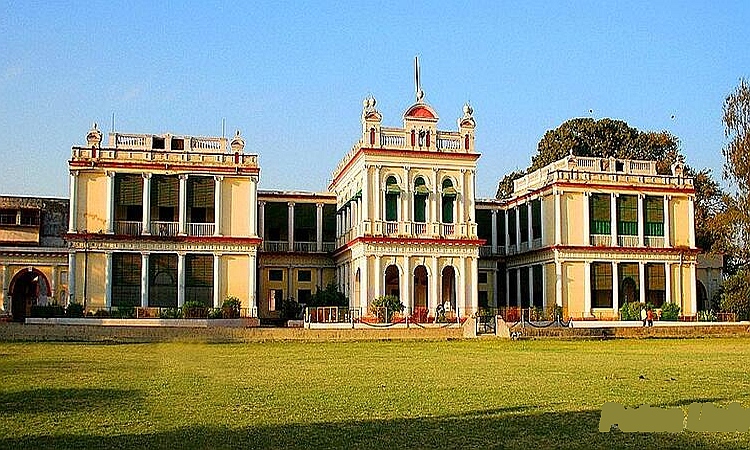
Ph.D. in Sanskrit from Patna University: Eligibility, Entrance Exam, Fee Structure, Admission Process, Subjects, Research Areas, Syllabus, Scholarship & Career Scope
Introduction about Ph.D. in Sanskrit at Patna University
Patna University, one of the oldest higher‑education institutions in Bihar, offers a distinguished Ph.D. in Sanskrit that blends classical wisdom with modern research methodologies. Designed for scholars, academicians, and professionals seeking to deepen their expertise, the program nurtures critical thinking, linguistic precision, and interdisciplinary exploration. Aspiring candidates will discover a vibrant academic ecosystem, renowned faculty, and a rich repository of ancient manuscripts that empower them to contribute meaningfully to the global discourse on Sanskrit studies.
Ph.D Admission 2026-2027 & Writing Support Services by Shiksha Research
Eligibility Criteria for Ph.D. in Sanskrit at Patna University
- Master’s degree in Sanskrit or a related discipline with at least 55% marks (50% for SC/ST candidates).
- Valid NET/JRF, UGC-CSIR, or any other recognized national eligibility test is preferred but not mandatory.
- Candidates must possess a research proposal that aligns with the university’s focus areas.
- Minimum age limit: No upper age restriction; candidates must be physically and mentally fit to undertake research.
Entrance Exam for Ph.D. in Sanskrit at Patna University
Patna University conducts its own entrance examination for Ph.D. aspirants. The exam evaluates:
- Core knowledge of Sanskrit grammar, literature, and philosophy.
- Research aptitude, including methodology and critical analysis.
- English language proficiency for academic writing.
The test comprises written papers and an interview. Successful candidates receive a merit‑based invitation for the subsequent admission steps.
Fee Structure for Ph.D. in Sanskrit at Patna University
| Category | Annual Fee (INR) | Notes |
|---|---|---|
| General | 8,500 | Includes tuition, library, and registration. |
| SC/ST/PWD | 4,250 | 50% concession on the general fee. |
| Scholarship/Assistantship Recipients | 0 | Full fee waiver upon award of the scholarship. |
Fees are payable annually and are subject to revision as per university regulations.
Admission Process for Ph.D. in Sanskrit at Patna University
- Online application submission through the university portal.
- Upload scanned copies of academic transcripts, research proposal, and identity proof.
- Pay the non‑refundable application fee.
- Appear for the entrance examination and subsequent interview.
- Receive the admission offer letter after merit list publication.
- Register for courses, pay the first installment of the fee, and commence research work.
For candidates seeking professional assistance with their research documentation, the following services can be valuable:
Ph.D. Subjects and Specializations in Sanskrit at Patna University
Students can specialize in one of the following domains:
- Vedic Studies and Rituals
- Classical Sanskrit Literature (Mahakavyas, Natakas, etc.)
- Epigraphy and Inscriptions
- Linguistics and Philology
- Philosophy (Darshanas) and Theology
- Comparative Indo‑Aryan Studies
Research Areas in Sanskrit at Patna University
Patna University encourages interdisciplinary research that bridges traditional Sanskrit scholarship with contemporary fields. Prominent research areas include:
- Digital preservation of palm‑leaf manuscripts.
- Sanskrit computational linguistics and Natural Language Processing.
- Yoga, Ayurveda, and traditional Indian sciences.
- Historical linguistics and language evolution.
- Translation studies and cross‑cultural literary analysis.
- Environmental ethics in Vedic texts.
Documents Required for Ph.D. in Sanskrit at Patna University
| Document | Format | Remarks |
|---|---|---|
| Filled Application Form | Signed and dated. | |
| Mark sheets & Degree certificates | Scanned copies | Originals to be produced on request. |
| Research Proposal (max 2,000 words) | DOCX or PDF | Should include objectives, methodology, and bibliography. |
| Curriculum Vitae | Highlight publications, conferences, and teaching experience. | |
| Identity Proof (Aadhar/Passport) | Valid government‑issued ID. | |
| Proof of NET/JRF (if applicable) | Optional but gives merit advantage. |
Patna University Ph.D. Syllabus for Sanskrit
The syllabus is structured to develop scholarly depth and research competence. Core components include:
- Advanced Sanskrit Grammar (Vyakarana)
- Literary Criticism (Alankara Shastra)
- Research Methodology and Academic Writing
- Epigraphy, Paleography, and Manuscriptology
- Specialized electives based on chosen specialization (e.g., Vedic Sciences, Computational Sanskrit)
Students also enroll in periodic seminars, workshops, and conferences to stay abreast of emerging trends.
How To Apply for Ph.D. in Sanskrit at Patna University
Follow these steps to submit a successful application:
- Visit the official Patna University website and navigate to the “Ph.D. Admissions” portal.
- Register using a valid email address and create a secure password.
- Complete the online application form, ensuring all mandatory fields are filled.
- Upload the required documents (see “Documents Required” table).
- Pay the application fee through the secure online gateway.
- Submit the application and note the reference number for future correspondence.
- Monitor the portal for notifications regarding the entrance exam schedule and result declaration.
Career Scope and Job Opportunities After Ph.D. in Sanskrit from Patna University
Graduates with a Ph.D. in Sanskrit enjoy diverse career pathways:
- Academia: Lecturer, Assistant Professor, Associate Professor, or Professor in universities and colleges across India and abroad.
- Research Institutes: Positions at the Indian Council of Historical Research, Sahitya Akademi, and various cultural heritage organizations.
- Digital Humanities: Roles in digitization projects, corpus development, and language technology firms focusing on Sanskrit NLP.
- Publishing: Editorial and translation work for academic journals, publishing houses, and governmental bodies.
- Government & Public Service: Advisory roles in the Ministry of Culture, Indian Archives, and state language departments.
- Consultancy: Expert consultancy for cultural tourism, heritage management, and educational content development.
The interdisciplinary nature of Sanskrit research also opens doors to collaborations in philosophy, environmental studies, and even artificial intelligence.
Scholarship for Ph.D. in Sanskrit at Patna University
Patna University offers several financial aid options to support deserving scholars:
- University Merit Scholarship: Covers full tuition and provides a monthly stipend.
- UGC‑JRF/NET Stipend: Eligible candidates receive a research grant as per UGC norms.
- State Government Fellowship: Reserved for candidates belonging to Bihar, with additional benefits for SC/ST categories.
- External Grants: Opportunities through the Ministry of Education, ICSSR, and private cultural foundations.
Application for scholarships is typically synchronized with the admission cycle; candidates should submit required financial documents along with their admission file.
FAQs Regarding Ph.D. in Sanskrit at Patna University
- What is the minimum duration to complete the Ph.D. program?
- Normally, 3‑4 years for full‑time candidates. Part‑time candidates may take up to 6 years, subject to university approval.
- Can I pursue the Ph.D. while working in a professional role?
- Yes, Patna University offers a part‑time mode that allows working professionals to conduct research with flexible timelines.
- Is there a provision for foreign nationals to apply?
- Foreign scholars are welcome. They must meet the same academic criteria and obtain a valid study visa. English‑




