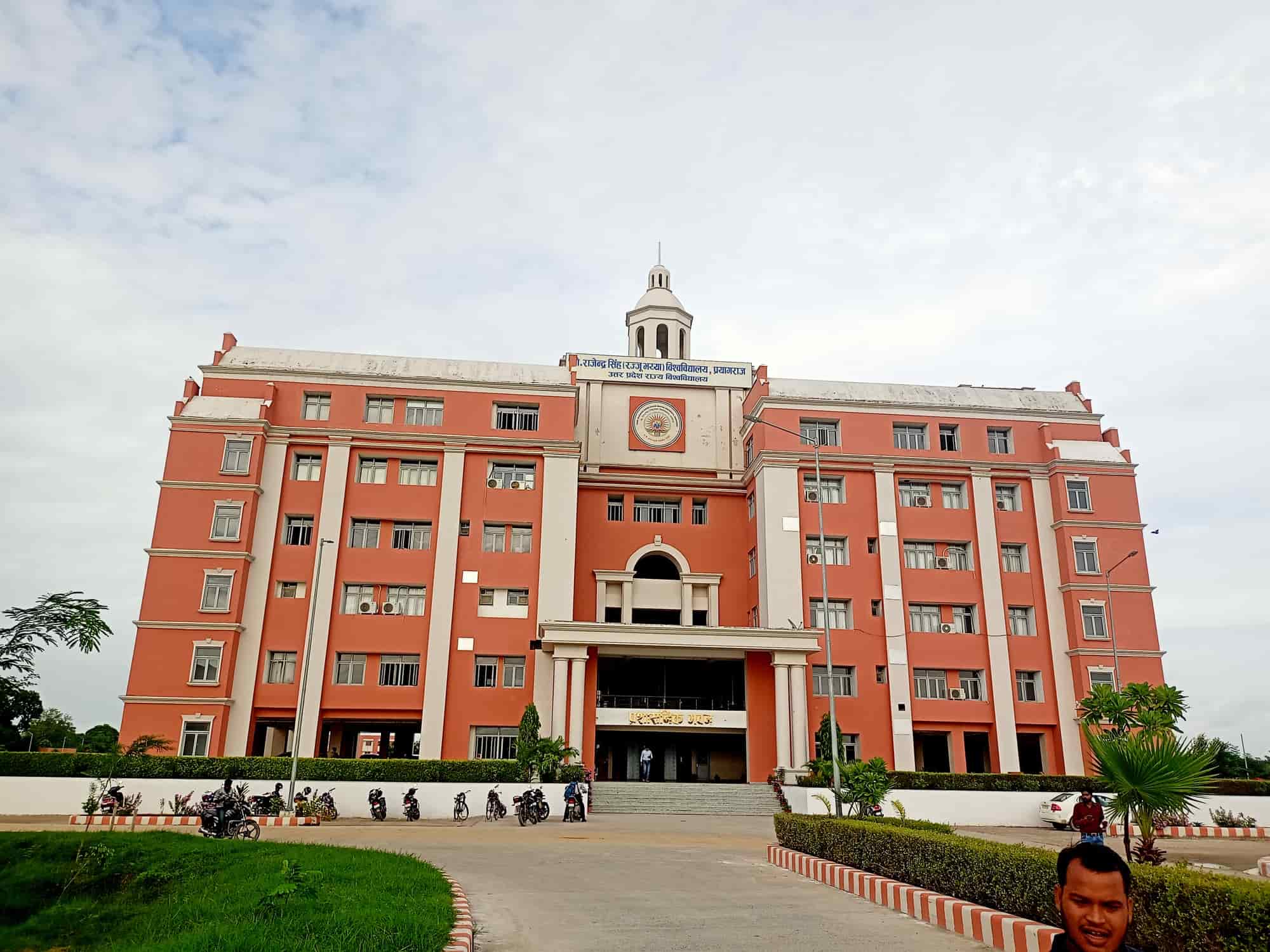
Introduction about Ph.D. in Sanskrit at Rajendra University
Embarking on a doctoral journey in Sanskrit at Rajendra University opens a gateway to profound scholarly exploration, cultural preservation, and academic leadership. This inspirational program is meticulously crafted for professionals who aspire to advance research, contribute to ancient literary heritage, and shape the future of classical studies.
Eligibility Criteria for Ph.D. in Sanskrit at Rajendra University
- Master’s degree in Sanskrit or related discipline with a minimum of 55% aggregate (or 5.0 CGPA on a 10‑point scale).
- Qualified in the University’s Ph.D. entrance test or any national level test (UGC‑NET, CSIR‑NET) recognized by Rajendra University.
- Candidates must possess a valid score in English language proficiency (if the medium of instruction was not English).
- Professional experience in teaching or research adds merit but is not mandatory.
Entrance Exam for Ph.D. in Sanskrit at Rajendra University
The entrance examination is designed to evaluate candidates’ depth of knowledge, analytical ability, and research potential in Sanskrit studies. The test comprises:
- Paper‑I: General Aptitude, Research Methodology, and English (50 marks).
- Paper‑II: Core Sanskrit subjects – Vedic Studies, Classical Literature, Linguistics, Philosophy (100 marks).
After the written test, a personal interview and a presentation of the research proposal are conducted to assess suitability for doctoral research.
Fee Structure for Ph.D. in Sanskrit at Rajendra University
| Category | Annual Fee (INR) |
|---|---|
| Tuition & Examination Fee | 15,000 |
| Library & Laboratory Access | 3,000 |
| Registration & Administrative Charges | 2,000 |
| Annual Scholarship (if awarded) | -5,000 |
| Total (Estimated) | 15,000 |
Admission Process for Ph.D. in Sanskrit at Rajendra University
- Online application submission through the university portal.
- Upload scanned copies of academic certificates, ID proof, and passport‑size photograph.
- Pay the application fee (INR 1,500) via net banking or credit card.
- Qualified candidates receive a hall‑ticket for the entrance exam.
- Post‑exam, shortlisted candidates are invited for interview and proposal presentation.
- Final admission is granted through an official offer letter.
Ph.D. Subjects and Specializations in Sanskrit at Rajendra University
Rajendra University offers a diverse range of specializations to align with contemporary research demands:
- Vedic Literature and Ritual Studies
- Classical Sanskrit Poetry and Drama
- Comparative Philology and Linguistics
- Philosophical Texts (Darśana, Mīmāṃsā)
- Manuscriptology and Digital Preservation
- Interdisciplinary Studies – Sanskrit & Modern Sciences
Research Areas in Sanskrit at Rajendra University
Prominent research domains include:
- Critical edition of ancient manuscripts
- Computational linguistics for Sanskrit
- Indology and cultural exchange studies
- Sanskrit pedagogy and curriculum development
- Eco‑philosophy in Vedic texts
- Translation studies and comparative literature
Documents Required for Ph.D. in Sanskrit at Rajendra University
| Document | Requirement |
|---|---|
| Academic Transcripts (M.A. Sanskrit) | Original + Certified Copy |
| Entrance Exam Scorecard | UGC‑NET/CSIR‑NET or University Test |
| Research Proposal (2,000 words) | Typed, signed by guide (if identified) |
| Identity Proof (Aadhaar / Passport) | Scanned PDF |
| Recent Photograph | Passport‑size, JPEG format |
Rajendra University Ph.D. Syllabus for Sanskrit
The syllabus is structured into three phases:
- Phase I (Coursework): Research Methodology, Advanced Sanskrit Grammar, Textual Criticism, Digital Humanities.
- Phase II (Comprehensive Exams): Written exams covering chosen specialization and interdisciplinary modules.
- Phase III (Thesis): Original research, thesis submission, and viva‑voce examination.
How To Apply for Ph.D. in Sanskrit at Rajendra University
Start by visiting the official university portal and selecting “Ph.D. Admissions – Sanskrit”. Follow the step‑by‑step guide, ensuring all required documents are uploaded. After submission, monitor your email for exam notifications and interview invitations.
Career Scope and Job Opportunities After Ph.D. in Sanskrit from Rajendra University
A doctorate in Sanskrit equips professionals for a spectrum of rewarding careers:
- University faculty (Lecturer, Associate Professor, Professor)
- Senior researcher in national research institutes (e.g., CSIR, IGNCA)
- Curator or archivist in museums and libraries handling Sanskrit manuscripts
- Content expert for publishing houses and translation agencies
- Policy advisor for cultural preservation and heritage projects
- Consultant for digital humanities and language technology firms
Scholarship for Ph.D. in Sanskrit at Rajendra University
Rajendra University offers merit‑based scholarships and financial aid to outstanding candidates:
- University Excellence Scholarship – INR 5,000 per annum.
- National Fellowship (UGC‑JRF) for eligible scholars.
- Research Grant for fieldwork and manuscript digitization.
Applicants are encouraged to explore Editing and Proofreading Services to polish their research proposals, PhD Topic Selection and Proposal Assistance for a compelling research plan, and PhD Admission Assistance for comprehensive support throughout the application journey.
FAQs Regarding Ph.D. in Sanskrit at Rajendra University
- What is the minimum age limit for admission?
- There is no age restriction; however, candidates must meet the academic eligibility criteria.
- Can I pursue the Ph.D. part‑time while working?
- Yes, the university provides flexible part‑time options for working professionals.
- Is prior research experience mandatory?
- No, but having research exposure strengthens the application and may aid in securing a scholarship.
- How long does the Ph.D. program typically take?
- The normal duration is 3‑4 years, subject to successful completion of coursework, exams, and thesis submission.
- Are there any collaborations with international universities?
- Rajendra University has MoUs with several foreign institutions facilitating joint research and exchange programs.
For additional support, consider availing Research Publication Support, Honorary Doctorate Programs, and Patent Filing and Support Services to further enhance your academic portfolio.




