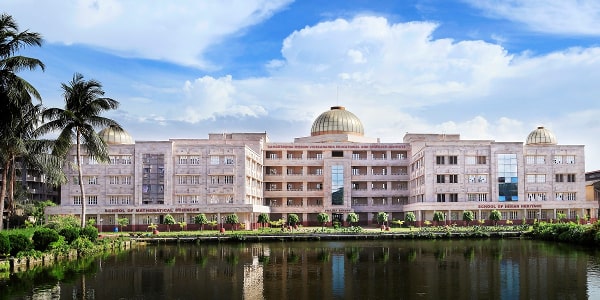
Introduction about Ph.D. in Sanskrit at Ravenshaw University
Ravenshaw University, a historic institution in Odisha, has emerged as a premier destination for scholars dedicated to exploring the depth of Sanskrit literature, linguistics, and cultural heritage. The Ph.D. in Sanskrit program is meticulously designed to nurture academic excellence, foster interdisciplinary research, and empower professionals to become thought‑leaders in classical studies, comparative linguistics, and contemporary applications of ancient wisdom.
Eligibility Criteria for Ph.D. in Sanskrit at Ravenshaw University
Prospective candidates must meet the following baseline requirements:
- A Master’s degree (M.A.) in Sanskrit or a related discipline such as Indian Philosophy, Linguistics, or Comparative Literature with a minimum of 55% aggregate (or 5.0 CGPA on a 10‑point scale).
- For candidates holding a Ph.D. in a different subject, a minimum of 3 years of post‑doctoral research experience is essential.
- Qualifying the University‑conducted Entrance Examination or the National Eligibility Test (NET) in Sanskrit.
- Demonstrated research aptitude through a well‑crafted research proposal and endorsements from two recognized academicians.
Entrance Exam for Ph.D. in Sanskrit at Ravenshaw University
The entrance assessment evaluates both subject knowledge and research potential. It comprises:
- Written Test (100 marks): Includes questions on Vedic literature, Classical Sanskrit grammar, Indian philosophical schools, and modern methodologies in textual criticism.
- Interview (50 marks): A panel of senior scholars probes the candidate’s research proposal, analytical skills, and alignment with the university’s research agenda.
Candidates may also gain admission through a valid score in UGC‑NET/SLET for Sanskrit, which waives the written component.
Fee Structure for Ph.D. in Sanskrit at Ravenshaw University
| Component | Annual Fee (INR) | Notes |
|---|---|---|
| Tuition & Examination Fees | 18,000 | Payable at the start of each academic year. |
| Library & Laboratory Access | 4,000 | Includes digital repository access. |
| Research Material Grant | 12,000 | One‑time allocation for manuscript procurement. |
| Miscellaneous (Sports, Health, etc.) | 2,000 | Optional, varies per student. |
| Total Approximate Cost (per year) | 36,000 | Subject to revision each academic session. |
Admission Process for Ph.D. in Sanskrit at Ravenshaw University
Admission is a systematic, transparent process that spans four key phases:
- Online Application: Submit the digital form via the university portal, upload academic transcripts, and pay the non‑refundable application fee of INR 1,500.
- Document Verification: The Admissions Office reviews originals of certificates, mark sheets, and the research proposal.
- Entrance Examination & Interview: Eligible candidates are invited to sit for the written test followed by a personal interview.
- Final Selection & Offer Letter: Successful applicants receive an official admission letter with details on fee payment deadlines and registration procedures.
Ph.D. Subjects and Specializations in Sanskrit at Ravenshaw University
The program offers a spectrum of specializations tailored to emerging scholarly interests:
- Vedic Studies & Ancient Rituals
- Classical Sanskrit Poetry & Drama
- Pan‑Indian Comparative Linguistics
- Philosophical Texts (Mīmāṃsā, Nyāya, Vedānta)
- Digital Humanities & Sanskrit Computing
- Manuscriptology & Textual Criticism
- Translational Studies and Contemporary Applications
Research Areas in Sanskrit at Ravenshaw University
Ravenshaw’s faculty are actively engaged in the following cutting‑edge research domains:
- Epigraphy & Inscriptions
- Analysis of stone inscriptions to reconstruct regional histories.
- Computational Linguistics
- Development of Sanskrit parsers and corpora for AI applications.
- Inter‑faith Dialogues
- Comparative studies of Sanskrit scriptures with other religious texts.
- Eco‑Philosophy in Vedic Literature
- Exploring ancient ecological wisdom for modern sustainability.
- Gender Studies in Classical Texts
- Critical examination of women’s representation across epochs.
Documents Required for Ph.D. in Sanskrit at Ravenshaw University
| Document | Format | Remarks |
|---|---|---|
| Academic Transcripts (M.A.) | PDF (Scanned) | Must be attested by the issuing university. |
| Research Proposal (10‑12 pages) | DOCX or PDF | Include objectives, methodology, and expected outcomes. |
| Two Recommendation Letters | PDF (Signed) | From recognized scholars in Sanskrit or related fields. |
| NET/UGC Scorecard (if applicable) | Original scorecard issued by CSIR/UGC. | |
| Identity Proof (Aadhar/Passport) | Valid, government‑issued document. |
Ravenshaw University Ph.D. Syllabus for Sanskrit
The syllabus is structured to blend rigorous coursework with intensive research. Core modules include:
- Advanced Sanskrit Grammar (Vyākaraṇa)
- Critical Editions and Textual Criticism
- Research Methodology in Humanities
- Interdisciplinary Seminars (Philosophy, History, Computer Science)
- Publication and Academic Writing Workshops
Each semester culminates in a formative assessment, while the final year is devoted entirely to thesis development under the mentorship of a dedicated guide.
How To Apply for Ph.D. in Sanskrit at Ravenshaw University
Follow these concise steps to secure your seat:
- Visit the official Ravenshaw University admissions portal.
- Register using a valid email address and create a password.
- Fill in personal and academic details, upload the required documents, and pay the INR 1,500 application fee.
- Submit the research proposal and wait for an email confirmation of eligibility for the entrance test.
- Attend the written examination, appear for the interview, and monitor the result portal for your selection status.
- Upon acceptance, complete fee payment, obtain your university ID, and register for the first semester.
Career Scope and Job Opportunities After Ph.D. in Sanskrit from Ravenshaw University
A doctorate in Sanskrit opens a diverse array of professional pathways:
- Academic Positions: Assistant Professor, Associate Professor, and Head of Department roles in universities across India and abroad.
- Research Fellowships: Positions funded by CSIR, UGC, and international cultural institutions.
- Digital Humanities: Development of language technologies, AI‑driven translation tools, and corpus management.
- Publishing & Editorial Work: Editing classical text series, curating academic journals, and authoring specialized monographs.
- Cultural Preservation: Working with museums, archives, and UNESCO projects to safeguard manuscript heritage.
- Consultancy: Providing expertise for legal, diplomatic, and policy‑making bodies on cultural heritage matters.
Scholarship for Ph.D. in Sanskrit at Ravenshaw University
Ravenshaw University, in collaboration with the Ministry of Education and several private trusts, offers merit‑based and need‑based scholarships:
- University Merit Scholarship: Covers 100% of tuition for top 10% of candidates.
- National Fellowship (UGC‑JRF): Annual stipend of INR 31,000 plus contingency.
- State Government Stipend: INR 23,000 per month for eligible Odisha residents.
- Research Grant for Manuscript Acquisition: Up to INR 1,00,000 per project.
Applicants must submit the scholarship application alongside their admission documents. Detailed guidelines are available on the university’s scholarship portal.
FAQs Regarding Ph.D. in Sanskrit at Ravenshaw University
- Q1: What is the minimum duration for completing the Ph.D.?
- A: The program is designed for a minimum of 3 years, extendable up to 5 years based on research progress.
- Q2: Can I pursue the Ph.D. part‑time while working?
- A: Yes, Ravenshaw offers a flexible part‑time mode for working professionals, with evening seminars and online supervision.
- Q3: Is there a requirement for language proficiency besides Sanskrit?
- A: While Sanskrit is the primary medium, proficiency in English is essential for publishing and attending international conferences.
- Q4: Are there opportunities for fieldwork or internships?
- A: The university has tie‑ups with the Archaeological Survey of India and several cultural NGOs that facilitate field research and internships.
- Q5: How does the university support thesis publication?
- A: The department provides editorial assistance, open‑access publishing subsidies, and organizes an annual “Sanskrit Research Conference” for thesis presentation.
Professional Support Services
While preparing your application and thesis, you may consider leveraging specialized academic services:
- Thesis and Dissertation Writing Services
- <a href="https




