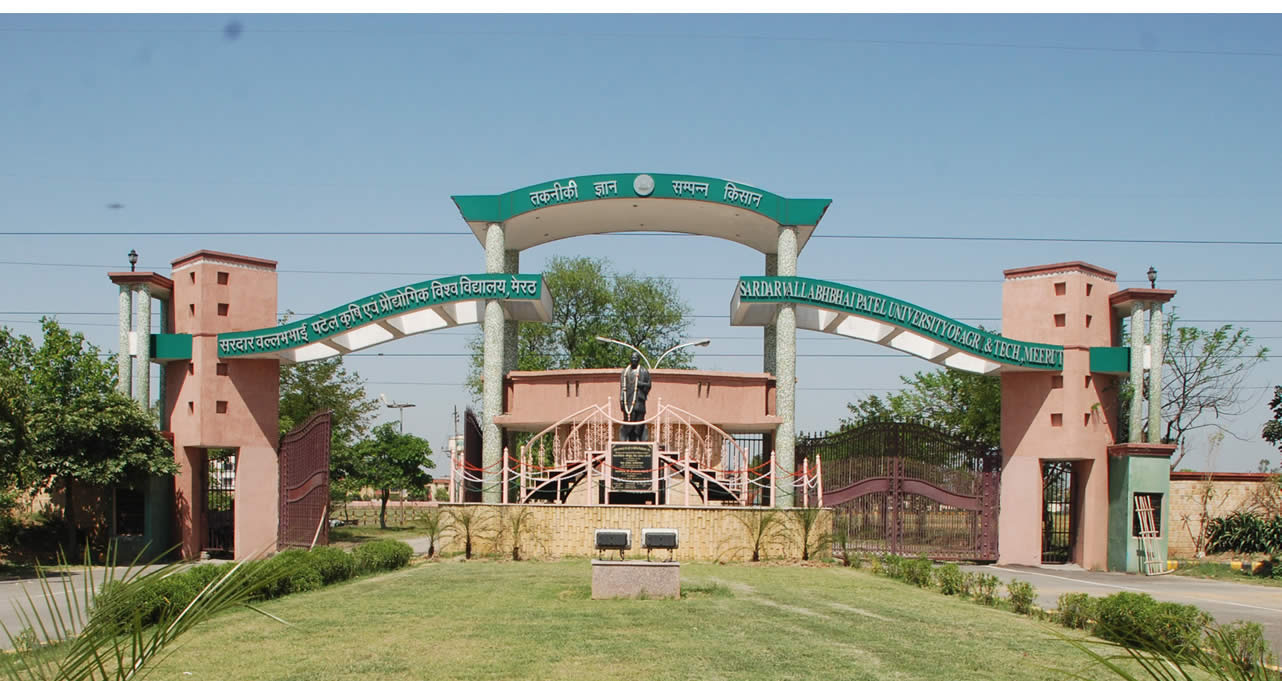
Ph.D. in Social Science at Sardar Patel University of Police, Security & Criminal Justice
Embark on a transformative academic journey with a Ph.D. in Social Science from Sardar Patel University of Police, Security & Criminal Justice. Designed for seasoned professionals, this doctoral program blends rigorous research methodology with real‑world applications in policing, security, and criminal justice, empowering scholars to influence policy, drive innovation, and lead change.
Eligibility Criteria for Ph.D. in Social Science at Sardar Patel University of Police, Security & Criminal Justice
- Master’s degree (or equivalent) in Social Science, Criminology, Sociology, Psychology, Public Administration, or related fields with a minimum of 55% aggregate (or 5.0 CGPA on a 10‑point scale).
- Qualified NET, GATE, UGC‑CSIR, or other recognized national eligibility tests (mandatory for direct admission).
- For candidates without a national test score, a rigorous university‑level entrance examination and interview are required.
- Age limit: No upper age restriction, but candidates must be physically and mentally fit to undertake research duties.
- Professional experience in police services, security agencies, or related governmental bodies is highly desirable.
Entrance Exam for Ph.D. in Social Science at Sardar Patel University of Police, Security & Criminal Justice
The university conducts a two‑stage entrance process:
- Written Test: 100‑minute objective test covering Research Methodology, Statistics, Theory of Social Sciences, and Current Issues in Police & Security.
- Interview & Presentation: Candidates present a research proposal, followed by a viva‑voce assessing analytical depth and alignment with the university’s research priorities.
Preparation resources and sample papers are available on the university’s official portal.
Fee Structure for Ph.D. in Social Science at Sardar Patel University of Police, Security & Criminal Justice
| Fee Component | Amount (INR) |
|---|---|
| Application & Registration Fee | ₹ 2,500 |
| Annual Tuition & Laboratory Fee | ₹ 25,000 |
| Research Material & Data Acquisition Grant (per year) | ₹ 10,000 |
| Library & Digital Resource Access | ₹ 5,000 |
| Total Estimated Cost (3‑Year Programme) | ₹ 108,500 |
Fee waivers are available for candidates who secure merit‑based scholarships or receive sponsorship from government security agencies.
Admission Process for Ph.D. in Social Science at Sardar Patel University of Police, Security & Criminal Justice
- Online Application Submission through the university’s admission portal.
- Upload scanned copies of academic transcripts, NET/GATE scorecard, and identity proof.
- Pay the non‑refundable application fee.
- Appear for the written entrance test (if applicable).
- Successful candidates are invited for the interview and research proposal presentation.
- Final admission letter issued after verification of documents and payment of the first year’s tuition.
For personalized guidance, explore PhD Admission Assistance services.
Ph.D. Subjects and Specializations in Social Science at Sardar Patel University of Police, Security & Criminal Justice
- Criminology & Criminal Justice
- Police Sociology & Community Policing
- Security Studies & Counter‑Terrorism
- Public Policy & Governance
- Human Rights & Legal Sociology
- Behavioural Science in Law Enforcement
Research Areas in Social Science at Sardar Patel University of Police, Security & Criminal Justice
Faculty and doctoral candidates collaborate on cutting‑edge research topics such as:
- Impact of community policing on crime reduction in urban India.
- Data‑driven predictive policing models using AI and machine learning.
- Gender dynamics and safety in public spaces.
- Effectiveness of rehabilitation programmes for convicted offenders.
- Cyber‑security policies and legal frameworks for digital policing.
- Cross‑border terrorism and collaborative security mechanisms.
Students may also avail Research Publication Support to disseminate findings in reputed journals.
Documents Required for Ph.D. in Social Science at Sardar Patel University of Police, Security & Criminal Justice
| Document | Details |
|---|---|
| Completed Application Form | Online submission with a digital signature. |
| Academic Transcripts | Mark sheets of Bachelor’s and Master’s degrees (original + photocopy). |
| Eligibility Test Scorecard | NET/GATE/UGC‑CSIR or university‑conducted test result. |
| Research Proposal (2,000‑3,000 words) | Outline of research problem, objectives, methodology, and expected outcomes. |
| Curriculum Vitae | Professional experience, publications, and certifications. |
| Identity Proof | Aadhaar card, passport, or driving licence. |
| Experience Certificates (if any) | Relevant service records from police or security agencies. |
| Letter of Recommendation (2) | From academic supervisors or senior officials. |
For assistance in compiling a flawless application package, consider Editing and Proofreading Services.
Sardar Patel University of Police, Security & Criminal Justice Ph.D. Syllabus for Social Science
The syllabus is structured across three academic years, each comprising core courses, electives, and a research component:
- Year 1 – Foundation: Research Methodology, Advanced Statistics, Ethics in Criminal Justice, Elective I (choose from Criminology Theory, Cyber‑Security Policy).
- Year 2 – Specialization: Seminar Series, Elective II (e.g., Community Policing, Human Rights Law), Data Analysis Workshop, Drafting of Chapter I.
- Year 3 – Dissertation: Fieldwork, Data Collection, Writing of Chapters II‑IV, Submission and Defense of the Ph.D. thesis.
Students are encouraged to integrate interdisciplinary perspectives and leverage the university’s state‑of‑the‑art research labs.
How To Apply for Ph.D. in Social Science at Sardar Patel University of Police, Security & Criminal Justice
Follow these step‑by‑step instructions to submit a successful application:
- Visit the official admission portal and create a new user account.
- Fill in personal, academic, and professional details accurately.
- Upload scanned copies of all required documents (PDF format, max 2 MB each).
- Pay the application fee via net banking or credit/debit card.
- Submit the completed form and note the application reference number.
- Monitor your email for the eligibility test schedule or interview invitation.
Need guidance on selecting a research topic and drafting a proposal? Explore PhD Topic Selection and Proposal Assistance.
Career Scope and Job Opportunities After Ph.D. in Social Science from Sardar Patel University of Police, Security & Criminal Justice
Graduates enjoy a broad spectrum of career pathways, including:
- Senior Research Scientist in national security think‑tanks.
- Policy Analyst for Ministry of Home Affairs, NITI Aayog, or international NGOs.
- Professor or Head of Department in universities and police academies.
- Strategic Advisor for law‑enforcement agencies and private security firms.
- Consultant for crime prevention projects funded by World Bank or UNODC.
- Leadership roles in forensic data analytics and cyber‑crime investigation units.
Many alumni also pursue post‑doctoral fellowships and publish seminal works that shape contemporary policing strategies.
Scholarship for Ph.D. in Social Science at Sardar Patel University of Police, Security & Criminal Justice
The university, in collaboration with central and state agencies, offers several financial aid options:
- Merit‑Based Scholarship: Up to 50% tuition waiver for top 10% of qualifiers.
- Research Grant: Annual stipend of ₹ 12,000 for fieldwork and data acquisition.
- Defense Service Scholarship: Full tuition exemption for serving police personnel.
- External Fellowships: Opportunities through UGC‑JRF, CSIR‑NET, and international scholarships.
Application for scholarships is concurrent with the admission process. Keep an eye on official notifications for deadlines.
FAQs Regarding Ph.D. in Social Science at Sardar Patel University of Police, Security & Criminal Justice
- Can a working police officer pursue this Ph.D. part‑time?
- Yes. The university offers a flexible part‑time mode with extended timelines for active service members. <dt




