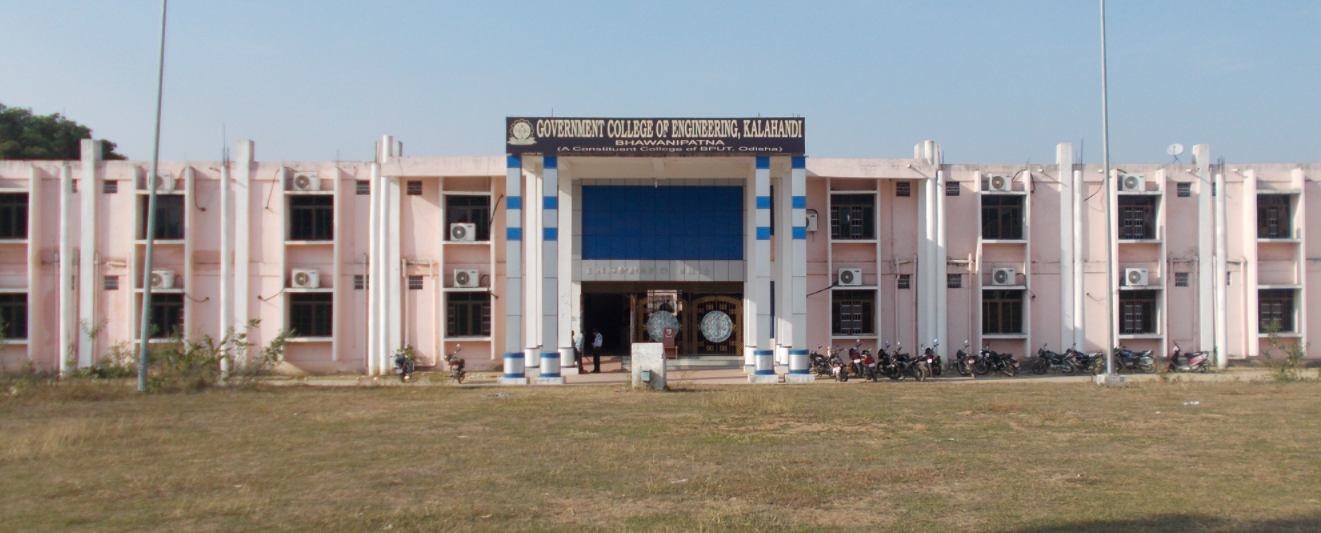
Ph.D. in Sociology from Kalahandi University: Eligibility, Entrance Exam, Fee Structure, Admission Process, Subjects, Research Areas, Syllabus, Scholarship & Career Scope
Introduction about Ph.D. in Sociology at Kalahandi University
The Doctor of Philosophy in Sociology offered by Kalahandi University is a gateway for scholars who aspire to shape social theory, influence public policy, and drive transformative research across diverse communities. This program blends rigorous methodological training with interdisciplinary perspectives, empowering professionals to explore complex social phenomena—from rural development and gender studies to urbanization and digital societies. With a strong emphasis on original research, the Ph.D. in Sociology equips graduates with the analytical depth and scholarly credibility needed to become thought leaders, academic mentors, and strategic consultants in both public and private sectors.
Eligibility Criteria for Ph.D. in Sociology at Kalahandi University
Prospective candidates must satisfy the following baseline requirements:
- Possess a Master’s degree in Sociology or a closely related discipline (e.g., Anthropology, Social Work, Development Studies) from a recognized university.
- Secure a minimum of 55% aggregate marks (50% for SC/ST/OBC candidates).
- Demonstrate proficiency in research methodology through a published research paper, conference presentation, or relevant work experience.
- Meet the age limit criteria (if any) stipulated by the university’s academic council.
Entrance Exam for Ph.D. in Sociology at Kalahandi University
Kalahandi University conducts a two‑stage entrance evaluation:
- Written Test: A 100‑minute objective‑type exam covering research design, statistical analysis, sociological theory, and current social issues.
- Interview & Viva‑voce: Candidates present a research proposal, followed by a panel interview assessing conceptual clarity, feasibility, and originality.
Preparation resources such as past papers, recommended reading lists, and mock tests are available on the university’s official portal.
Fee Structure for Ph.D. in Sociology at Kalahandi University
| Fee Component | Amount (INR) | Notes |
|---|---|---|
| Application Processing Fee | 2,000 | Non‑refundable, payable online |
| Course Registration & Examination Fee | 15,000 per year | Includes assessment and library charges |
| Research Materials & Lab Access | 5,000 (estimated) | Variable based on project needs |
| Annual Miscellaneous Charges | 3,000 | Student activity and welfare fund |
| Total Approximate Cost (3‑year program) | 66,000 | Excluding scholarships and external grants |
Admission Process for Ph.D. in Sociology at Kalahandi University
The admission timeline follows a structured sequence:
- Online Application Submission – Fill the digital form, upload academic transcripts, research proposal, and two academic references.
- Document Verification – University officials verify authenticity of certificates and eligibility criteria.
- Entrance Examination – Candidates appear for the written test at designated centers.
- Interview & Viva – Shortlisted applicants present their research ideas before a specialist panel.
- Final Merit List Publication – Selections are announced on the university website.
- Admission Confirmation – Successful candidates pay the registration fee and receive a formal offer letter.
Throughout the process, applicants are encouraged to consult the PhD Admission Assistance service for personalized guidance.
Ph.D. Subjects and Specializations in Sociology at Kalahandi University
While the overarching degree is a Ph.D. in Sociology, students can tailor their research within the following specializations:
- Rural Development & Agrarian Studies
- Gender, Sexuality, and Feminist Theory
- Urban Sociology & Migration
- Education Sociology
- Health and Medical Sociology
- Digital Societies and Media Studies
- Social Policy and Governance
Research Areas in Sociology at Kalahandi University
Faculty expertise and regional relevance shape the research agenda. Key focus areas include:
- Impact of Climate Change on Tribal Communities
- Social Stratification and Caste Dynamics in Odisha
- Women’s Empowerment through Micro‑Finance Initiatives
- Urban Informal Settlements and Housing Policies
- Digital Inclusion and the Rural‑Urban Knowledge Gap
- Public Health Behaviour during Pandemics
- Education Equity and Rural School Performance
Documents Required for Ph.D. in Sociology at Kalahandi University
| Document | Format | Remarks |
|---|---|---|
| Application Form (online) | Signed electronically | |
| Academic Transcripts (Post‑Graduation) | PDF/Scanned | Certified copy required |
| Research Proposal (≤ 1500 words) | Include objectives, methodology, and literature review | |
| Two Letters of Recommendation | From academicians or industry experts | |
| Identity Proof (Aadhar/Passport) | Valid government ID | |
| Category Certificate (if applicable) | SC/ST/OBC certificate |
Kalahandi University Ph.D. Syllabus for Sociology
The syllabus is designed to build a strong theoretical foundation before moving into specialized research work. Core modules include:
- Advanced Sociological Theory
- Qualitative & Quantitative Research Methods
- Statistical Software Applications (SPSS, R)
- Ethics in Social Research
- Seminars on Contemporary Social Issues
- Dissertation Writing Workshops
How To Apply for Ph.D. in Sociology at Kalahandi University
Follow these step‑by‑step instructions to submit a successful application:
- Visit the official university admissions portal and register a new user account.
- Complete the online application form, ensuring all fields are accurately filled.
- Upload scanned copies of the required documents (see table above).
- Pay the non‑refundable processing fee through the secure gateway.
- Submit a concise research proposal (maximum 1500 words) that aligns with one of the listed specializations.
- Schedule your entrance examination date and keep track of the interview invitation.
- After selection, confirm your admission by paying the registration fee and signing the enrollment agreement.
For assistance with proposal drafting, consider the PhD Topic Selection and Proposal Assistance service.
Career Scope and Job Opportunities After Ph.D. in Sociology from Kalahandi University
Graduates enjoy a broad spectrum of career pathways:
- Academic Positions – Lecturer, Assistant Professor, Associate Professor, or Dean in universities and colleges.
- Research Institutions – Senior Research Fellow, Project Lead, or Policy Analyst in think tanks, NGOs, and international agencies.
- Government & Public Sector – Roles in planning commissions, social welfare departments, and census bureaus.
- Corporate Social Responsibility (CSR) – Managerial roles overseeing community development and impact assessment for multinational corporations.
- Consultancy – Independent advisor for social impact studies, market research, and program evaluation.
- Publishing & Media – Editorial positions, content strategy, and expert commentary for academic journals and media outlets.
Scholarship for Ph.D. in Sociology at Kalahandi University
Financial support is available through multiple channels:
- University Merit Scholarships – 50% tuition waiver for candidates with a first‑class distinction in their Master’s degree.
- Government Fellowships – UGC NET, CSIR JRF, and state-sponsored research fellowships.
- External Grants – Funding from international agencies such as UNDP, WHO, and World Bank for project‑aligned research.
- Industry Sponsored Scholarships – Partnerships with corporates offering stipends for research relevant to social innovation.
Students can leverage the Editing and Proofreading Services to polish scholarship applications and research manuscripts.
FAQs Regarding Ph.D. in Sociology at Kalahandi University
- 1. What is the minimum qualifying score in the entrance exam?
- The cutoff varies yearly; typically, a score of 55% is required for general candidates, with a 5% relaxation for reserved categories.
- 2. Can I pursue the Ph.D. part‑time while working?
- Yes, Kalahandi University offers a flexible part‑time mode for working professionals, provided they meet the attendance and research submission deadlines.
- 3. How long does it take to complete the Ph.D.?
- The standard duration is three years, extendable up to five years subject to satisfactory progress reports.
- 4. Is




