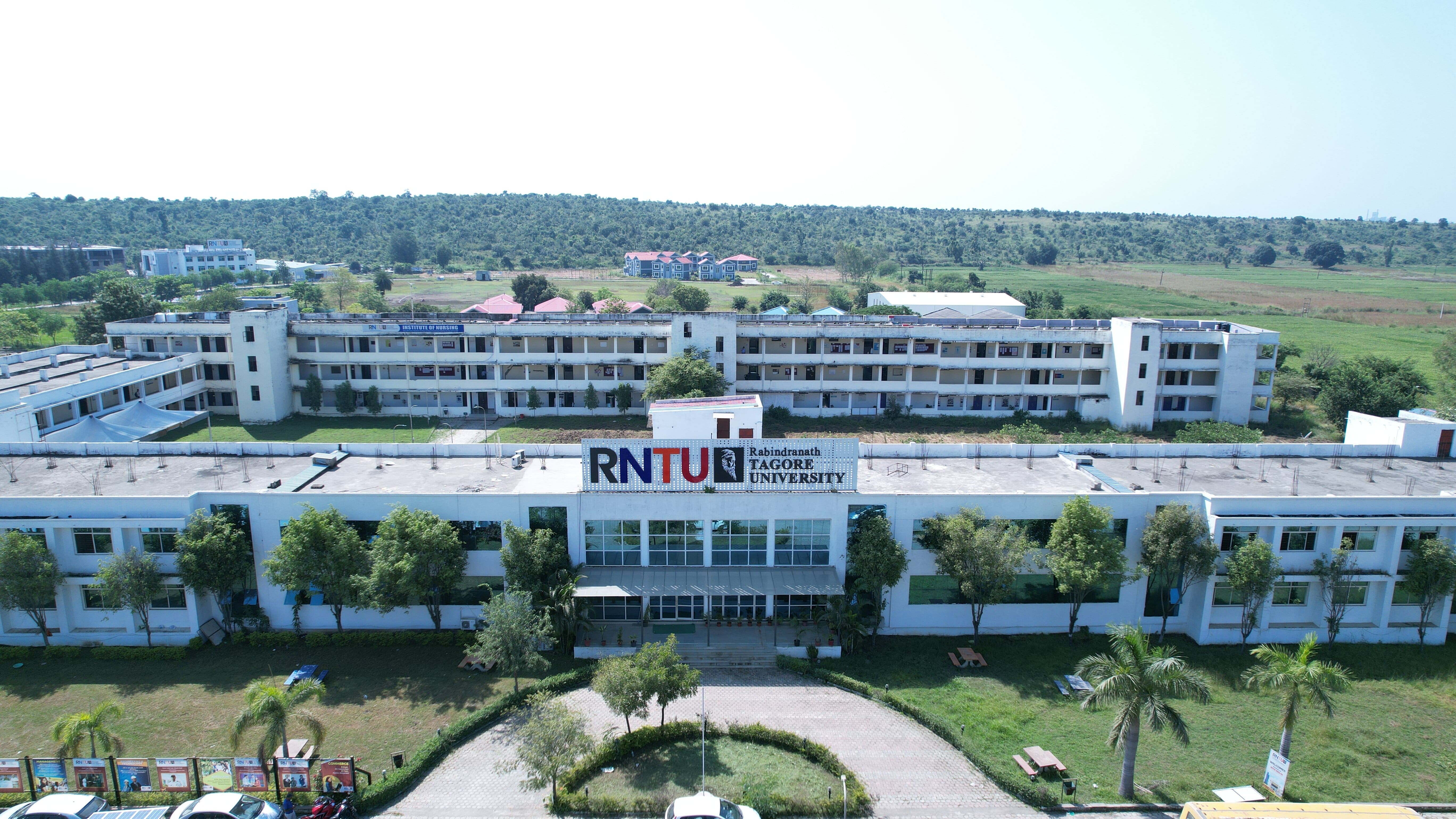
Ph.D. in Sociology from Rabindranath Tagore University: Eligibility, Admission, Fee, Syllabus & Career
Introduction about Ph.D. in Sociology at Rabindranath Tagore University
The Doctor of Philosophy (Ph.D.) in Sociology at Rabindranath Tagore University is a research‑intensive programme designed for scholars who aspire to become thought leaders in social sciences. Rooted in the legacy of Rabindranath Tagore’s humanistic philosophy, the curriculum blends rigorous quantitative methods with critical qualitative inquiry. This programme not only equips you with advanced theoretical frameworks but also nurtures the ability to influence public policy, drive community development, and contribute to academic scholarship at a global level.
Eligibility Criteria for Ph.D. in Sociology at Rabindranath Tagore University
- A Master’s degree (M.A./M.Sc.) in Sociology or a closely related discipline with a minimum of 55% aggregate.
- Valid GATE, UGC‑NET, or any other recognized national level exam score (optional but advantageous).
- Research proposal outlining the intended area of study, objectives, and methodology.
- Professional experience in social research, NGOs, or academia is considered a plus.
- English language proficiency (IELTS/TOEFL) for international candidates.
Entrance Exam for Ph.D. in Sociology at Rabindranath Tagore University
The university conducts a two‑stage entrance evaluation:
- Written Test – 60 marks, covering research methodology, sociological theory, and statistical analysis.
- Personal Interview – 40 marks, assessing research aptitude, communication skills, and alignment with the university’s vision.
Candidates who have cleared UGC‑NET or GATE in Sociology are exempted from the written test and directly qualify for the interview.
Fee Structure for Ph.D. in Sociology at Rabindranath Tagore University
| Fee Component | Amount (INR) | Notes |
|---|---|---|
| Admission & Registration Fee | 15,000 | One‑time payment |
| Annual Tuition Fee | 45,000 | Payable at the beginning of each academic year |
| Research Material & Lab Charges | 10,000 | Estimated per year |
| Examination & Evaluation Fee | 5,000 | Per semester |
| Miscellaneous (Library, Sports, etc.) | 5,000 | Annual |
| Total Approximate Cost (4‑Year Programme) | 260,000 | Excluding scholarships and waivers |
Admission Process for Ph.D. in Sociology at Rabindranath Tagore University
The admission cycle spans six months, ensuring ample time for preparation and documentation. Follow these steps to secure a seat:
- Online Application – Visit the university portal, fill in personal and academic details, and upload required documents.
- Upload Research Proposal – A concise 2,000‑word proposal is mandatory.
- Pay Application Fee – INR 2,500 (non‑refundable).
- Entrance Examination & Interview – Eligible candidates are shortlisted and notified via email.
- Document Verification – Submit original certificates for verification at the university office.
- Final Admission Offer – Accepted candidates receive an admission letter and can proceed with fee payment.
Ph.D. Subjects and Specializations in Sociology at Rabindranath Tagore University
While the overarching degree is a Ph.D. in Sociology, students can specialize in any of the following emerging domains:
- Rural Development and Agrarian Studies
- Urban Sociology and Migration
- Gender, Identity & Social Justice
- Social Policy and Welfare Systems
- Digital Cultures and Media Sociology
- Environmental Sociology and Climate Change
Research Areas in Sociology at Rabindranath Tagore University
The university’s research ecosystem encourages interdisciplinary collaboration. Core research areas include:
- Social Inequality and Stratification
- Public Health and Social Determinants
- Education Sociology
- Political Sociology and Governance
- Community Resilience and Disaster Management
- Globalization and Cultural Transformations
Students are also supported to undertake fieldwork in partnership with NGOs, government agencies, and international research bodies.
Documents Required for Ph.D. in Sociology at Rabindranath Tagore University
| Document | Details | Format |
|---|---|---|
| Academic Transcripts | Certified copies of all semesters | PDF (max 2 MB) |
| Degree Certificates | Original degree and provisional certificate | PDF (max 2 MB) |
| Research Proposal | Title, objectives, literature review, methodology | DOCX or PDF |
| Entrance Exam Score Card (if applicable) | UGC‑NET / GATE / other recognized exam | |
| Curriculum Vitae | Professional and academic achievements | |
| Identity Proof | Aadhaar / Passport | |
| Photographs | Recent passport‑size color photos | JPEG (300 KB) |
Rabindranath Tagore University Ph.D. Syllabus for Sociology
The syllabus is structured into three phases:
- Coursework (Year 1) – Core modules such as Advanced Research Methods, Theories of Social Change, and Statistical Analysis for Social Sciences.
- Comprehensive Examination (End of Year 2) – Written and oral assessments covering all coursework and the proposed research area.
- Dissertation (Years 3‑4) – Original research leading to a doctoral thesis, followed by a viva‑voce.
Elective modules can be chosen from interdisciplinary fields like Thesis and Dissertation Writing Services, Research Data Analysis Services, Research Paper Writing Services, and Questionnaire Design and Development to enhance methodological expertise.
How To Apply for Ph.D. in Sociology at Rabindranath Tagore University
Applying is straightforward:
- Visit the official university admissions portal.
- Register using your email address and create a secure password.
- Fill out the application form with accurate academic and personal details.
- Upload the required documents as per the table above.
- Pay the non‑refundable application fee via net‑banking or credit card.
- Submit the form and note the application reference number for future correspondence.
After submission, you will receive a confirmation email with instructions for the entrance test schedule.
Career Scope and Job Opportunities After Ph.D. in Sociology from Rabindranath Tagore University
A Ph.D. in Sociology opens doors to a diverse array of careers:
- Academic Positions – Assistant Professor, Associate Professor, or Department Head in universities worldwide.
- Research Institutions – Senior Research Fellowships at think‑tanks, NGOs, and government research bodies.
- Policy & Advisory Roles – Social policy analyst, public affairs consultant, or advisory board member for international agencies.
- Corporate Sector – Organizational sociologist, HR analytics specialist, or corporate social responsibility (CSR) strategist.
- International Development – Programme manager for UN agencies, World Bank, or bilateral development projects.
Graduates often publish in high‑impact journals, present at global conferences, and contribute to evidence‑based policymaking.
Scholarship for Ph.D. in Sociology at Rabindranath Tagore University
The university offers merit‑based and need‑based scholarships:
- Rabindranath Tagore Merit Scholarship – Up to 50% tuition waiver for top 10% of applicants.
- Research Grant Programme – Funding for fieldwork, data collection, and conference participation.
- External Fellowships – Assistance in applying for UGC‑JRF, CSIR, and other government fellowships.
Applicants must submit a separate scholarship application along with their Ph.D. admission form.
FAQs Regarding Ph.D. in Sociology at Rabindranath Tagore University
- What is the minimum duration to complete the Ph.D.?
- The programme is designed for four years, but exceptional candidates may finish in three years after a successful comprehensive exam.
- Can I pursue the Ph.D. part‑time while working?
- Yes, the university offers a flexible part‑time mode with evening seminars and weekend workshops.
- Is there a provision for industry‑linked research projects?
- Absolutely. The university’s Industry‑Academic Collaboration Cell facilitates joint projects with corporates and NGOs.
- How many publications are required before submitting the thesis?
- While not mandatory, at least two peer‑reviewed journal articles are highly recommended to strengthen the dissertation.
- Do international students need to clear any additional test?
- International candidates must provide proof of English proficiency (IELTS ≥




