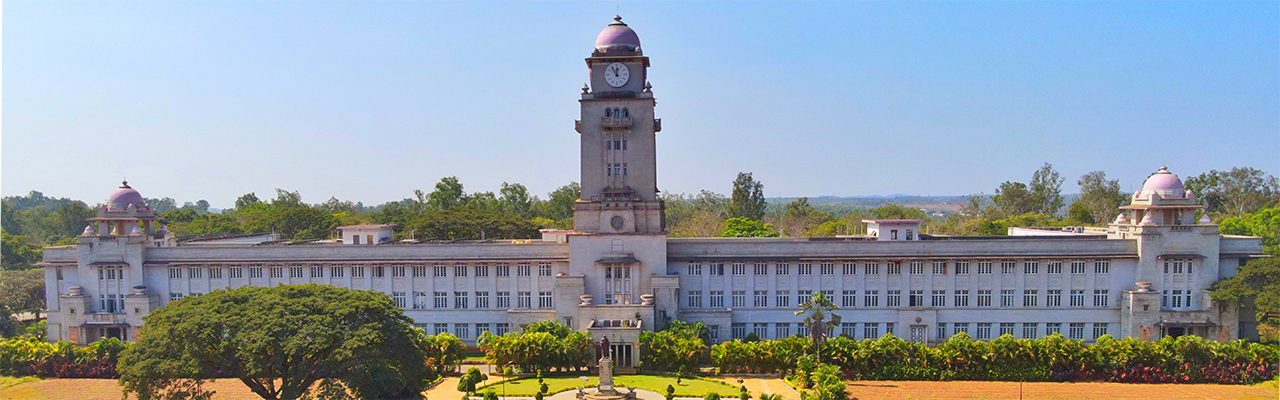
Introduction about Ph.D. in Yoga at Karnataka University
Embarking on a Doctor of Philosophy in Yoga at Karnataka University offers a transformative journey for professionals who aspire to blend scholarly rigor with the ancient wisdom of yoga. This program nurtures visionary researchers, educators, and industry leaders capable of advancing yoga science, therapeutic practices, and global wellness strategies. With a curriculum grounded in interdisciplinary research, state‑of‑the‑art facilities, and mentorship from eminent scholars, graduates emerge as pioneers shaping the future of holistic health.
Eligibility Criteria for Ph.D. in Yoga at Karnataka University
Prospective candidates must satisfy the following prerequisites:
- Hold a Master’s degree (M.A./M.Sc./M.Tech.) in Yoga, Physical Education, Ayurveda, or a related discipline with a minimum aggregate of 55% (50% for SC/ST).
- Qualified in the Karnataka University Ph.D. entrance examination or possess a valid national-level NET/SET qualification.
- Demonstrated proficiency in English (reading, writing, and speaking) as the medium of instruction.
- For lateral entry, a Post‑Graduate Diploma in Yoga Therapy with a minimum of 60% may be considered.
Entrance Exam for Ph.D. in Yoga at Karnataka University
The entrance assessment evaluates both theoretical knowledge and research aptitude. The exam pattern includes:
- Written Test (100 marks): 50% subject‑specific questions, 30% research methodology, 20% general aptitude.
- Interview (30 marks): Assessment of research proposal, academic background, and communication skills.
- Eligibility for the interview is granted to candidates scoring at least 45% in the written test.
Preparation resources, mock papers, and past year question banks are available on the university’s official portal.
Fee Structure for Ph.D. in Yoga at Karnataka University
| Component | Amount (INR) | Notes |
|---|---|---|
| Application Fee | 2,000 | Non‑refundable, payable online |
| Admission Fee (First Year) | 25,000 | Includes library & lab access |
| Annual Tuition (Subsequent Years) | 20,000 | Discounted for SC/ST candidates |
| Exam & Evaluation Charges | 5,000 | Per semester |
| Miscellaneous (Printing, Certification) | 3,000 | Estimated yearly |
Students may avail of fee waivers through merit scholarships, research grants, or industry sponsorships.
Admission Process for Ph.D. in Yoga at Karnataka University
The streamlined admission workflow comprises the following steps:
- Online Registration: Create an account on the university’s admission portal and upload scanned copies of academic certificates.
- Submission of Research Proposal: Present a concise 1500‑word proposal outlining objectives, methodology, and expected outcomes.
- Entrance Examination: Appear for the written test followed by the interview for shortlisted candidates.
- Document Verification: Attend the campus verification session with original certificates and ID proof.
- Final Offer Letter: Receive an admission letter via email after successful clearance.
For guidance on proposal drafting, consider our PhD Topic Selection and Proposal Assistance service.
Ph.D. Subjects and Specializations in Yoga at Karnataka University
The program offers diverse specializations to align with emerging industry and academic trends:
- Yoga Therapy and Clinical Applications
- Yoga Philosophy and Sanskrit Literature
- Sports Science & Performance Yoga
- Yoga Psychology and Mindfulness
- Integrative Health & Preventive Medicine
- Digital Yoga & Technological Innovations
Research Areas in Yoga at Karnataka University
Faculty mentors guide doctoral candidates across a spectrum of cutting‑edge research domains, including:
- Biomechanical analysis of asanas and their impact on musculoskeletal health.
- Neurocognitive effects of pranayama on stress resilience.
- Yoga‑based interventions for chronic diseases (diabetes, hypertension, arthritis).
- Comparative studies of traditional yoga texts and contemporary wellness models.
- Evidence‑based evaluation of yoga curricula in school education.
- Development of virtual reality tools for immersive yoga training.
Documents Required for Ph.D. in Yoga at Karnataka University
| Document | Format | Remarks |
|---|---|---|
| Academic Transcripts (10‑12, UG, PG) | PDF (Scanned) | Originals for verification |
| NET/SET Scorecard (if applicable) | Valid for 2 years | |
| Research Proposal | Word Document | Maximum 1500 words |
| Identity Proof (Aadhaar / Passport) | Government issued | |
| Photographs (Passport Size) | JPEG | 4 recent images |
| Experience Certificate (if any) | Relevant to yoga/health |
Ensure that all documents are clear, legible, and uploaded before the deadline to avoid processing delays.
Karnataka University Ph.D. Syllabus for Yoga
The comprehensive syllabus spans eight semesters and integrates coursework, research, and practical components:
- Core Modules: Research Methodology, Advanced Yoga Philosophy, Statistics for Health Sciences, Ethics in Research.
- Elective Streams: Yoga Therapy, Sports Yoga, Yoga Psychology, Digital Media in Yoga.
- Practical Workshops: Clinical Practicum, Community Outreach, Laboratory Techniques.
- Thesis Development: Proposal writing, Data collection, Analysis, Publication.
- Seminars & Conferences: Participation in national and international forums.
How To Apply for Ph.D. in Yoga at Karnataka University
Follow this step‑by‑step guide to submit a successful application:
- Visit the official Karnataka University Ph.D. Yoga portal and click “Apply Now”.
- Complete the registration form, providing personal and academic details.
- Upload the required documents (as listed above) and pay the non‑refundable application fee.
- Enter your research proposal in the dedicated textbox; keep it concise and impactful.
- Submit the application and note the acknowledgment number for future correspondence.
Need professional assistance with the entire admission journey? Our PhD Admission Assistance team can streamline the process for you.
Career Scope and Job Opportunities After Ph.D. in Yoga from Karnataka University
A doctorate in Yoga opens doors to a multitude of rewarding career pathways:
- Academic Positions: Lecturer, Assistant Professor, Head of Department in universities and yoga institutes.
- Research Roles: Senior Scientist in research hospitals, government health agencies, or private R&D labs.
- Clinical Practice: Founder of yoga therapy clinics, consultant for rehabilitation centers.
- Corporate Wellness: Designing evidence‑based wellness programs for multinational corporations.
- Policy & Advocacy: Contributing to national health policies and UNESCO yoga heritage projects.
- Entrepreneurship: Launching digital platforms, mobile apps, or publishing houses focused on yoga education.
Enhance your research visibility with our Research Publication Support service.
Scholarship for Ph.D. in Yoga at Karnataka University
Financial aid options are designed to attract bright minds:
- Karnataka University Merit Scholarship: 50% tuition waiver for top 10% rankers.
- UGC Junior Research Fellowship (JRF): Annual stipend of INR 31,000 plus contingency.
- State Government Sponsored Scholarships: Reserved categories enjoy full fee remission.
- Industry Sponsored Fellowships: Partnerships with wellness brands offering project‑based funding.
For personalized scholarship counseling, explore our Editing and Proofreading Services to perfect your application essays.
FAQs Regarding Ph.D. in Yoga at Karnataka University
- Q: Can a candidate with an MSc in Physical Education apply for this Ph.D.?
- A: Yes, provided the candidate meets the minimum 55% aggregate and clears the entrance exam or possesses a valid NET/SET qualification.
- Q: How long does it take to complete the Ph.D. in Yoga?
- A: The typical duration is 3‑4 years, depending on research progress and thesis submission timelines.
- Q: Is there a provision for part‑time study?
- A: Karnataka University offers a part‑time option for working professionals, with a flexible semester schedule.
- Q: What is the role of the university’s Yoga Research Centre?
- A: The centre provides state‑of‑the‑art labs, access to clinical populations, and collaborative projects with international institutions.
- Q: Can international students enroll?
- A:




