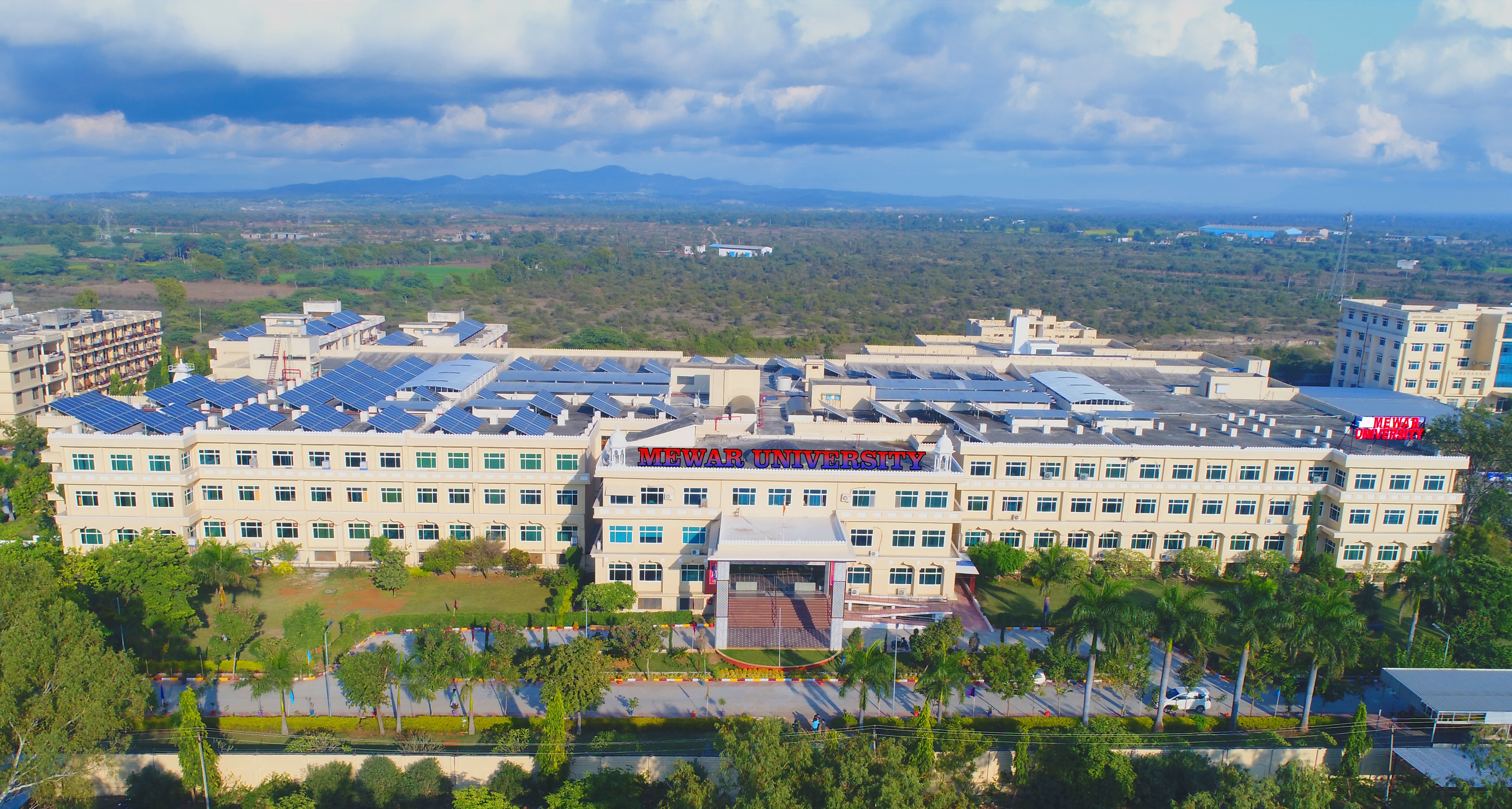
Ph.D. in Yoga from Mewar University: Eligibility, Entrance Exam, Fee Structure, Admission Process, Subjects, Research Areas, Syllabus, Scholarship & Career Scope
Introduction about Ph.D. in Yoga at Mewar University
Embarking on a doctoral journey in yoga at Mewar University offers professionals a unique blend of ancient wisdom and cutting‑edge research. This program is designed for scholars, healthcare practitioners, educators, and wellness entrepreneurs who aspire to deepen their expertise, contribute original knowledge, and become leaders in the global yoga community. With a curriculum that emphasizes scientific rigor, interdisciplinary collaboration, and practical application, graduates emerge equipped to influence policy, teach at premier institutions, and innovate therapeutic modalities.
Ph.D Admission 2026-2027 & Writing Support Services by Shiksha Research
Eligibility Criteria for Ph.D. in Yoga at Mewar University
- Master’s degree (M.Sc., M.A., M.Phil.) in Yoga, Physical Education, Kinesiology, Ayurveda, or a related discipline with a minimum aggregate of 55% (50% for reserved categories).
- For candidates holding a B.Sc./B.A. in Yoga or allied fields, a minimum of 3 years of professional experience (research, teaching, or clinical) is required.
- Candidates must have qualified the National Eligibility Test (NET) or a similar recognized research qualification, or be willing to appear for the university’s entrance test.
- Age limit: No upper age limit; however, candidates should be able to complete the program within the stipulated period (maximum 5 years).
Entrance Exam for Ph.D. in Yoga at Mewar University
The entrance examination evaluates both theoretical knowledge and research aptitude. It comprises:
- Written Test (100 marks): Sections on Yoga Philosophy, Anatomy & Physiology, Research Methodology, and Current Trends in Yoga Therapy.
- Interview (20 marks): Assessment of research proposal, motivation, and communication skills.
Preparation resources include previous year papers, standard textbooks on yoga science, and peer‑reviewed journals. Candidates are encouraged to explore Thesis and Dissertation Writing Services to refine their proposal before the interview.
Fee Structure for Ph.D. in Yoga at Mewar University
| Component | Amount (INR) |
|---|---|
| Application & Registration Fee | 2,500 |
| Entrance Examination Fee | 3,000 |
| Annual Tuition Fee (per year) | 45,000 |
| Laboratory & Resource Charges | 10,000 |
| Miscellaneous (Library, Internet, etc.) | 5,000 |
| Total Approximate Cost (5 years) | 2,67,500 |
Fee waivers are available for meritorious candidates and those who secure external fellowships. For data‑driven financial planning, consider consulting Research Data Analysis Services.
Admission Process for Ph.D. in Yoga at Mewar University
- Online Application: Fill the web form, upload scanned documents, and pay the application fee.
- Document Verification: The university’s admissions office validates certificates and marksheets.
- Entrance Examination: Appear for the written test and interview as scheduled.
- Provisional Admission: Candidates clearing the exam receive a provisional admission letter pending final approval.
- Final Confirmation: Submission of the signed declaration, fee receipt, and acceptance of the research supervisor’s terms.
Ph.D. Subjects and Specializations in Yoga at Mewar University
- Yoga Therapy and Clinical Applications
- Yoga Philosophy and Sanskrit Literature
- Yoga Psychology and Mental Health
- Sports Science & Yoga Integration
- Yoga Education and Curriculum Development
- Ayurvedic Yoga Synergy
Research Areas in Yoga at Mewar University
The university encourages interdisciplinary projects such as:
- Effectiveness of yoga interventions in chronic disease management.
- Neurophysiological impacts of pranayama on stress response.
- Comparative studies of classical yoga texts and modern wellness models.
- Development of evidence‑based yoga curricula for schools.
- Biomechanics of asanas and injury prevention.
Students seeking assistance with manuscript preparation can explore Research Paper Writing Services to ensure publication‑ready quality.
Documents Required for Ph.D. in Yoga at Mewar University
| Document | Details |
|---|---|
| Academic Transcripts | Certified copies of all postgraduate and undergraduate marksheets. |
| Proof of NET/SET Qualification | If applicable; otherwise, a declaration of intent to appear. |
| Research Proposal | 2‑3 page outline describing objectives, methodology, and expected outcomes. |
| Identity Proof | Aadhar card, passport, or driving license. |
| Experience Certificates | For candidates with professional background in yoga/healthcare. |
| Photographs | Recent passport‑size (2) photos. |
Mewar University Ph.D. Syllabus for Yoga
The syllabus is structured into three phases:
- Phase I (Coursework – 1 year): Core modules on Research Methodology, Advanced Yoga Philosophy, Biostatistics, and Ethics in Research.
- Phase II (Comprehensive Exams – 6 months): Written and oral exams covering all coursework and selected specialization topics.
- Phase III (Thesis – 3.5 years): Original research, data collection, analysis, and dissertation writing.
How To Apply for Ph.D. in Yoga at Mewar University
Follow these step‑by‑step instructions:
- Visit the official Mewar University admissions portal.
- Register with a valid email address and create a password.
- Complete the online application form, ensuring accurate entry of academic and personal details.
- Upload scanned copies of required documents (see the Documents Required table).
- Pay the non‑refundable application fee via net banking, credit/debit card, or UPI.
- Submit the form and note the application reference number for future correspondence.
- Prepare for the entrance exam using recommended reading lists and past papers.
For a polished questionnaire to assess your research readiness, consider using Questionnaire Design and Development.
Career Scope and Job Opportunities After Ph.D. in Yoga from Mewar University
Graduates enjoy a wide array of professional pathways:
- Academic Positions: Lecturer, Assistant Professor, or Head of Department in universities and yoga colleges.
- Clinical & Therapeutic Roles: Senior yoga therapist in hospitals, rehabilitation centers, and wellness resorts.
- Research & Development: Principal Investigator in government or private research labs focusing on integrative health.
- Policy & Consultancy: Advisor to health ministries, NGOs, and corporate wellness programs.
- Entrepreneurship: Founder of evidence‑based yoga studios, digital platforms, or publishing houses.
Scholarship for Ph.D. in Yoga at Mewar University
Mewar University offers merit‑based scholarships covering up to 50% of tuition fees. Additional funding sources include:
- UGC‑JRF (Junior Research Fellowship) and SRF (Senior Research Fellowship).
- State government fellowships for candidates from designated regions.
- Private trusts and corporate CSR scholarships focused on health and wellness research.
Applicants should submit a scholarship application concurrently with the admission form, attaching academic certificates and a statement of purpose.
FAQs Regarding Ph.D. in Yoga at Mewar University
1. What is the minimum duration to complete the Ph.D. in Yoga?
The program is designed for a total of 5 years, including 1 year of coursework, 6 months for comprehensive exams, and up to 3.5 years for thesis submission.
2. Can a candidate with a background in physiotherapy enroll in this Ph.D.?
Yes, candidates with a Master’s degree in Physiotherapy or related allied health fields are eligible, provided they meet the minimum percentage criteria and have a genuine interest in yoga research.
3. Is there a provision for part‑time registration?
Mewar University primarily offers full‑time enrollment for the Ph.D. in Yoga to maintain research intensity, but exceptional cases may be considered on a case‑by‑case basis.
4. How many research publications are required for thesis submission?
At least two papers in peer‑reviewed journals are recommended, although the university evaluates the overall quality and relevance of the research rather than a fixed count.
5. Do international students need to clear the entrance exam?
International candidates with a recognized equivalent qualification may be exempted from the entrance test but must still satisfy the interview and proposal evaluation components.




