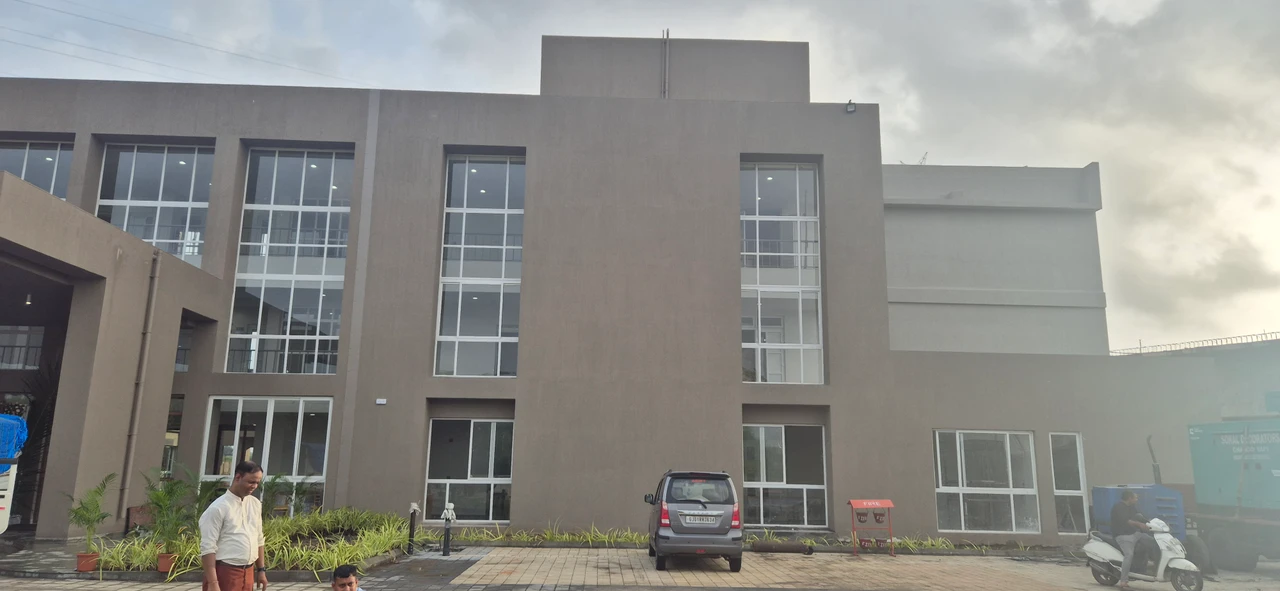
Introduction about Ph.D. in Yoga at Plastindia International University
Plastindia International University (PIU) has emerged as a pioneering institution for higher education in holistic wellness, offering a Ph.D. in Yoga that blends ancient wisdom with modern scientific inquiry. The program is designed for seasoned professionals—teachers, therapists, researchers, and health‑care leaders—who aspire to advance yoga scholarship, develop evidence‑based interventions, and influence policy at national and international levels. By integrating rigorous research methodology with deep experiential practice, the doctorate cultivates scholars capable of driving transformative change in the fields of Yoga therapy, Yoga education, and preventive health.
Eligibility Criteria for Ph.D. in Yoga at Plastindia International University
- Master’s degree (M.A., M.Sc., M.Pharma, M.Ed., etc.) in Yoga, Physical Education, Ayurveda, Sports Science, Psychology, or any allied discipline with a minimum of 55% aggregate (or equivalent CGPA).
- Valid score in a recognized national entrance test (e.g., UGC NET, GATE, or PIU’s own Yoga Entrance Exam).
- Minimum of two years of professional experience in yoga instruction, research, or clinical practice is strongly preferred.
- English language proficiency (IELTS 6.0 or TOEFL 80) for candidates whose prior education was not in English.
Entrance Exam for Ph.D. in Yoga at Plastindia International University
The entrance assessment comprises two stages:
- Written Test (120 minutes): Objective and descriptive questions covering anatomy, physiology, yoga philosophy, research methods, and statistics.
- Interview & VIVA (30 minutes): Evaluation of research proposal, teaching aptitude, and alignment with PIU’s research vision.
Applicants may also be exempted from the written test if they hold a UGC NET/CSIR NET qualification with a qualifying score.
Fee Structure for Ph.D. in Yoga at Plastindia International University
| Fee Component | Amount (INR) | Details |
|---|---|---|
| Admission & Registration Fee | ₹ 15,000 | One‑time payment, refundable upon withdrawal within 15 days. |
| Annual Tuition Fee | ₹ 85,000 | Inclusive of lecture, lab, and library access. |
| Research Project Grant | ₹ 40,000 | Allocated for fieldwork, instrumentation, and data collection. |
| Miscellaneous Charges | ₹ 10,000 | Includes health insurance, counseling, and student activity fees. |
| Total Approximate Cost (3‑Year Program) | ₹ 3,45,000 |
Admission Process for Ph.D. in Yoga at Plastindia International University
- Complete the online application form on the university portal.
- Upload scanned copies of academic transcripts, entrance test scores, and experience certificates.
- Pay the non‑refundable application fee of ₹ 5,000.
- Appear for the written test (or submit NET/CSIR score).
- Attend the interview/VIVA; receive a provisional merit list.
- Accept the admission offer, submit the required documents, and pay the admission fee.
- Register for the semester and begin the orientation program.
Ph.D. Subjects and Specializations in Yoga at Plastindia International University
Students can tailor their doctoral research around one of the following specializations:
- Yoga Therapy and Clinical Applications
- Yoga Philosophy and Comparative Studies
- Yoga Biomechanics and Sports Performance
- Yoga Psychology and Mindfulness
- Yoga Education and Curriculum Development
- Integrative Yoga Medicine
Research Areas in Yoga at Plastindia International University
PIU’s research ecosystem encourages interdisciplinary studies. Current focal areas include:
- Effectiveness of yoga interventions for chronic diseases (diabetes, hypertension, arthritis).
- Neurocognitive impacts of meditation and pranayama.
- Biomechanical analysis of asanas for injury prevention.
- Yoga‑based stress reduction in corporate settings.
- Pedagogical models for teacher training programs.
- Integration of yoga with conventional physiotherapy.
Documents Required for Ph.D. in Yoga at Plastindia International University
| Document | Format | Remarks |
|---|---|---|
| Academic Transcripts & Mark Sheets (Post‑Graduation) | PDF (Scanned) | Certified copy required. |
| Entrance Exam Scorecard (UGC NET / PIU Yoga Exam) | Valid for the current admission cycle. | |
| Curriculum Vitae (CV) | Highlight research experience and publications. | |
| Letter of Intent / Research Proposal (1500‑2000 words) | DOCX or PDF | Should align with PIU’s research themes. |
| Experience Certificates (if applicable) | From previous employers or yoga institutes. | |
| Passport‑size Photograph | JPEG (300 KB max) | White background. |
Plastindia International University Ph.D. Syllabus for Yoga
The doctoral curriculum is divided into three phases:
- Core Coursework (Year 1) – Advanced research methodology, statistics for health sciences, yoga philosophy, and ethics.
- Specialization Modules (Year 2) – Choose two elective streams aligned with your research focus (e.g., Clinical Yoga Therapy, Yoga & Neuroscience).
- Dissertation Phase (Year 3) – Original research, manuscript preparation, and defense.
Each semester includes a blend of seminars, practical workshops, and peer‑review sessions aimed at fostering scholarly rigor and reflective practice.
How To Apply for Ph.D. in Yoga at Plastindia International University
Prospective candidates should follow these steps:
- Visit the official PIU admissions portal and create a new user account.
- Select “Ph.D. – Yoga” from the program dropdown.
- Fill in personal, academic, and professional details accurately.
- Upload the documents listed in the “Documents Required” section.
- Pay the application fee via net banking or credit card.
- Submit the application and note the generated application ID for future reference.
- Monitor email for exam schedule, interview invitation, and admission status.
Career Scope and Job Opportunities After Ph.D. in Yoga from Plastindia International University
A doctorate in Yoga opens doors to a diverse portfolio of high‑impact roles:
- Academic Positions: Assistant/Associate Professor, Department Head, Curriculum Designer in universities and research institutes.
- Clinical & Therapeutic Roles: Senior Yoga Therapist, Clinical Director in hospitals, wellness centers, and integrative health clinics.
- Research & Development: Principal Investigator, Project Manager, or Research Scientist in government bodies (e.g., AYUSH, ICMR) and private R&D labs.
- Policy & Consultancy: Advisor to health ministries, NGOs, and corporate wellness programs.
- Entrepreneurship: Founder of evidence‑based yoga studios, digital health platforms, or publishing houses for scholarly yoga literature.
According to recent industry surveys, the demand for qualified yoga researchers has grown by 28% over the past five years, reflecting a robust career outlook.
Scholarship for Ph.D. in Yoga at Plastindia International University
PIU offers merit‑based and need‑based scholarships to support deserving candidates:
- Merit Scholarship: Up to 50% tuition waiver for top 10% of merit list.
- Research Grant Scholarship: Additional ₹ 20,000 per annum for projects aligning with national health priorities.
- Economic Assistance: Full tuition remission for candidates from economically weaker sections, subject to approval.
Applicants must submit a separate scholarship application alongside the admission form, including a statement of purpose and proof of financial status.
FAQs Regarding Ph.D. in Yoga at Plastindia International University
- Q1: What is the minimum duration to complete the Ph.D. in Yoga?
- A: The program is structured for three academic years (six semesters), but an extension of up to one year is permissible with valid reasons.
- Q2: Can working professionals pursue the doctorate part‑time?
- A: Yes. PIU offers a flexible part‑time mode with evening seminars and online coursework for eligible candidates.
- Q3: Is there a requirement for publishing research papers before enrollment?
- A: Publication is not mandatory for admission, but having at least one peer‑reviewed article strengthens the application.
- Q4: Are foreign nationals eligible?
- A: International applicants are welcomed; they must meet the same academic standards and provide English proficiency scores.
- Q5: What support does the university provide for field research?
- A: PIU’s dedicated Yoga Research Center offers laboratory access, data analysis software, and mentorship from senior faculty.




