






The Bachelor of Medicine, Bachelor of Surgery (MBBS) is a professional undergraduate degree in medicine and surgery granted to students who have completed the necessary training in the discipline. The program normally lasts 5-6 years, depending on the region and institution, and includes both theoretical study and practical clinical training. Students acquire a wide range of medical areas, including anatomy, physiology, pharmacology, and pathology, as well as gain practical experience in hospitals and clinics. MBBS graduates have the ability to practice medicine, specialize, or further their studies through postgraduate degrees in a variety of medical specialties. They must also pass licensure exams before they may practice lawfully.

Adichunchanagiri University
Adichunchanagiri University Admission Open
M.D. in Pathology
Doctor of Medicine (M.D.) in Pathology is a 3-year postgraduate program designed to provide advanced education and training in the study of diseases. This course encompasses various aspects o...
M.D. in Pathology
×Doctor of Medicine (M.D.) in Pathology is a 3-year postgraduate program designed to provide advanced education and training in the study of diseases. This course encompasses various aspects of pathology, including anatomical pathology, clinical pathology, and molecular pathology, equipping students with the skills to diagnose diseases through laboratory analysis and examination of tissues. The curriculum typically includes lectures, hands-on training, research projects, and clinical rotations in diagnostic laboratories. Graduates are prepared for roles in hospitals, research institutions, and academia, where they contribute to improving patient care through accurate disease diagnosis and management.
M.D. in Microbiology
Doctor of Medicine (M.D.) in Microbiology is a postgraduate program focused on the study of microorganisms and their impact on human health. This program typically spans 3 years and enco...
M.D. in Microbiology
×Doctor of Medicine (M.D.) in Microbiology is a postgraduate program focused on the study of microorganisms and their impact on human health. This program typically spans 3 years and encompasses coursework, practical training, and research in areas such as bacteriology, virology, mycology, and immunology. Students learn diagnostic techniques, laboratory management, and infection control measures, preparing them for careers in clinical microbiology, research, and public health. The curriculum often includes rotations in clinical settings, allowing students to apply their knowledge in real-world scenarios. Graduates are equipped to contribute significantly to disease diagnosis, treatment, and prevention strategies.

M.D. in Community Medicine
M.D. in Community Medicine is a 3-year postgraduate program focused on the prevention, diagnosis, and management of health issues affecting communities. This course emphasizes public health princip...
M.D. in Community Medicine
×M.D. in Community Medicine is a 3-year postgraduate program focused on the prevention, diagnosis, and management of health issues affecting communities. This course emphasizes public health principles, epidemiology, biostatistics, health policy, and social medicine. Students engage in research, fieldwork, and community engagement to understand and address health disparities and promote health equity. The curriculum typically includes theoretical coursework, practical training, and hands-on experience in public health settings. Graduates are prepared to work in various settings, including government health departments, NGOs, and academic institutions, contributing to community health initiatives and health systems management.
M.D. in Pharmacology
Doctor of Medicine (M.D.) in Pharmacology is a specialized postgraduate degree that typically spans 3 years. This program focuses on the study of drugs, their mechanisms of action, therapeutic...
M.D. in Pharmacology
×Doctor of Medicine (M.D.) in Pharmacology is a specialized postgraduate degree that typically spans 3 years. This program focuses on the study of drugs, their mechanisms of action, therapeutic uses, and potential side effects. Students delve into pharmacokinetics, pharmacodynamics, toxicology, and clinical pharmacology, gaining both theoretical knowledge and practical skills through laboratory work and clinical rotations. The curriculum often includes research methodologies, allowing students to engage in original research projects. Graduates are equipped for careers in academia, research, clinical practice, or regulatory affairs, making significant contributions to the field of medicine and drug development.
M.D. in Radio Diagnosis
M.D. in Radio Diagnosis is a postgraduate medical degree focusing on the study and application of diagnostic imaging techniques, including X-rays, CT scans, MRI, and ultrasound. Typically spa...
M.D. in Radio Diagnosis
×M.D. in Radio Diagnosis is a postgraduate medical degree focusing on the study and application of diagnostic imaging techniques, including X-rays, CT scans, MRI, and ultrasound. Typically spanning 3 years, the program combines theoretical coursework with extensive clinical training, enabling students to interpret imaging results and contribute to patient management. Coursework covers anatomy, radiological physics, imaging techniques, and interventional radiology. Graduates often pursue careers as radiologists in hospitals, clinics, and diagnostic centers, playing a crucial role in diagnosing diseases and guiding treatment plans. This specialization is vital for enhancing patient care through advanced imaging technologies.
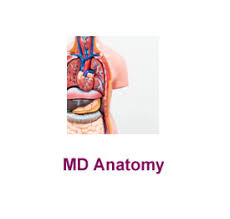
M.D. in Anatomy
Doctor of Medicine (M.D.) in Anatomy is a specialized postgraduate degree program that studies the structure of the human body. The education normally lasts 3 years and includes both the...
M.D. in Anatomy
×Doctor of Medicine (M.D.) in Anatomy is a specialized postgraduate degree program that studies the structure of the human body. The education normally lasts 3 years and includes both theoretical knowledge and practical skills. Students study advanced anatomical sciences such as gross anatomy, histology, and neuroanatomy, in addition to clinical applications. The program frequently includes practical dissection, imaging methods, and research procedures, which prepare graduates for positions in medical education, research, or clinical practice. Successful completion enables learners to bring major contributions to the fields of medicine, surgery, and healthcare by improving their understanding of human anatomy and its relationship to health and illness.
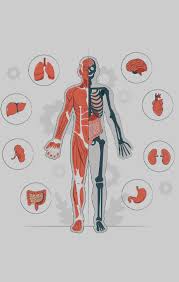
M.D. in Physiology
M.D. in Physiology is a postgraduate medical degree focusing on the study of the functions and mechanisms in the human body. Typically, this course lasts for 3 years and is designed for medica...
M.D. in Physiology
×M.D. in Physiology is a postgraduate medical degree focusing on the study of the functions and mechanisms in the human body. Typically, this course lasts for 3 years and is designed for medical graduates seeking advanced knowledge in physiological processes, research methodologies, and clinical applications. The curriculum includes in-depth topics such as cellular physiology, neurophysiology, and endocrine physiology, combined with hands-on training in laboratories. Graduates are equipped for careers in academia, research, and clinical practice, contributing to advancements in medical science and patient care. They may also pursue further specialization or research opportunities in related fields.
M.D. in Biochemistry
Doctor of Medicine (M.D.) in Biochemistry is a postgraduate program that typically spans 3 years. This course focuses on the biochemical principles underlying human health and disease, integrating...
M.D. in Biochemistry
×Doctor of Medicine (M.D.) in Biochemistry is a postgraduate program that typically spans 3 years. This course focuses on the biochemical principles underlying human health and disease, integrating molecular biology, genetics, and metabolism. Students engage in rigorous coursework, laboratory research, and clinical applications, preparing them for various careers in medical research, diagnostics, and academia. The curriculum often includes topics such as enzymology, metabolic pathways, and biochemical analysis techniques. Graduates are equipped with the knowledge and skills necessary to contribute to advancements in medical science, diagnostics, and therapeutic strategies, and may pursue further specialization in related fields.
M.S. in Ophthalmology
Master of Science (M.S.) in Ophthalmology is a specialist postgraduate degree focused on eye illnesses, vision care, and surgical procedures. This study, which typically lasts 2-3 years, integrates...
M.S. in Ophthalmology
×Master of Science (M.S.) in Ophthalmology is a specialist postgraduate degree focused on eye illnesses, vision care, and surgical procedures. This study, which typically lasts 2-3 years, integrates theoretical knowledge with practical experience in clinical settings. Students learn about numerous ocular conditions, diagnostic techniques, and treatment choices, including surgical interventions. The curriculum frequently includes courses in anatomy, physiology, and pathology of the eye, as well as hands-on practice in clinics and hospitals. Graduates are prepared to work in clinical practice, research, or academia, helping to enhance eye care and vision science.
M.D. in Psychiatry
Doctor of Medicine (M.D.) in Psychiatry is a specialized postgraduate program that typically spans 3 years. This course focuses on the diagnosis, treatment, and prevention of mental health di...
M.D. in Psychiatry
×Doctor of Medicine (M.D.) in Psychiatry is a specialized postgraduate program that typically spans 3 years. This course focuses on the diagnosis, treatment, and prevention of mental health disorders. Students undergo rigorous training that includes clinical rotations in various settings, exposure to different psychiatric conditions, and practical experience with patients. The curriculum encompasses topics such as psychopharmacology, psychotherapy, neurobiology, and ethical issues in psychiatry. Graduates are equipped to assess and manage complex psychiatric cases and are prepared for board certification. The program is essential for those aiming to become licensed psychiatrists and contribute to mental health care.
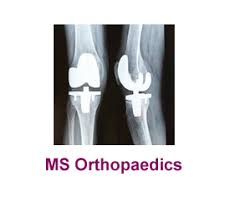
M.S. in Orthopedics
Master of Science (M.S.) in Orthopedics is a specialized postgraduate program designed to enhance the knowledge and skills of medical professionals in the field of orthopedic surgery and musculoske...
M.S. in Orthopedics
×Master of Science (M.S.) in Orthopedics is a specialized postgraduate program designed to enhance the knowledge and skills of medical professionals in the field of orthopedic surgery and musculoskeletal disorders. Typically lasting 2-3 years, the curriculum covers advanced topics such as biomechanics, joint replacement, sports medicine, trauma management, and pediatric orthopedics. Students engage in clinical training, hands-on workshops, and research projects, focusing on the diagnosis, treatment, and rehabilitation of orthopedic conditions. Graduates are prepared for clinical practice, academic roles, or further specialization in orthopedic surgery, enhancing their contributions to patient care and the medical community.
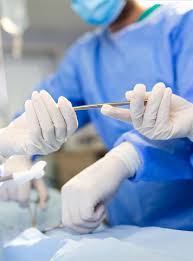
M.S. in Surgery
Master of Science (M.S.) in Surgery typically spans 2 to 3 years, focusing on advanced surgical techniques, clinical practice, and research methodologies. This program prepares medical graduates fo...
M.S. in Surgery
×Master of Science (M.S.) in Surgery typically spans 2 to 3 years, focusing on advanced surgical techniques, clinical practice, and research methodologies. This program prepares medical graduates for careers in surgical fields, emphasizing both theoretical knowledge and practical skills. Coursework often includes anatomy, surgical pathology, surgical techniques, and patient management, alongside hands-on training in surgical settings. Students engage in research projects to explore innovative surgical practices and contribute to the medical community. Graduates may pursue specializations in areas like orthopedic, cardiovascular, or general surgery, enhancing their expertise for future roles in healthcare settings or academic institutions.

M.S. in Obstetrics & Gynaecology
Master of Science (M.S.) in Obstetrics and Gynaecology is a postgraduate program designed for medical professionals seeking advanced knowledge in women's health. Typically spanning 3 years...
M.S. in Obstetrics & Gynaecology
×Master of Science (M.S.) in Obstetrics and Gynaecology is a postgraduate program designed for medical professionals seeking advanced knowledge in women's health. Typically spanning 3 years, the curriculum combines theoretical coursework with extensive practical training in clinical settings. Students learn about reproductive health, prenatal care, childbirth, and various gynecological conditions. The program emphasizes evidence-based practices, surgical techniques, and patient management, preparing graduates for roles in hospitals, clinics, or academia. Upon completion, candidates may pursue certifications and specializations, contributing to the field of obstetrics and gynecology through research, patient care, and health advocacy.
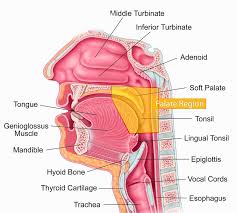
M.S. in Ear, Nose And Throat
Master of Science (M.S.) in Ear, Nose, and Throat (ENT) typically spans 2 - 3 years and focuses on the diagnosis and management of conditions affecting the head and neck. The program combines...
M.S. in Ear, Nose And Throat
×Master of Science (M.S.) in Ear, Nose, and Throat (ENT) typically spans 2 - 3 years and focuses on the diagnosis and management of conditions affecting the head and neck. The program combines theoretical coursework with practical clinical training, encompassing subjects such as otology, rhinology, laryngology, and head and neck surgery. Students learn advanced diagnostic techniques, surgical procedures, and treatment methodologies for various ENT disorders. Additionally, the curriculum may include research components, preparing graduates for academic, clinical, or research careers in otolaryngology. This degree equips healthcare professionals with specialized knowledge and skills to enhance patient care in ENT practice.
M.D. in Forensic Medicine
A 4- year PG medical degree, M.D. (Forensic Medicine), teaches doctors how to use scientific and medical knowledge to criminal and judicial investigations. Pathology, toxicology...
M.D. in Forensic Medicine
×A 4- year PG medical degree, M.D. (Forensic Medicine), teaches doctors how to use scientific and medical knowledge to criminal and judicial investigations. Pathology, toxicology, crime scene analysis, and expert witness testimony are among the subjects in the program. Students get practical training in forensic reporting, evidence gathering, and autopsy procedures. In order to help law enforcement and the legal system ascertain the cause and manner of death in criminal situations, graduates of this school frequently find employment as medical examiners, coroners, or forensic consultants. The interdisciplinary structure of the course gives students the specific abilities they need to close the gap between law and medicine.
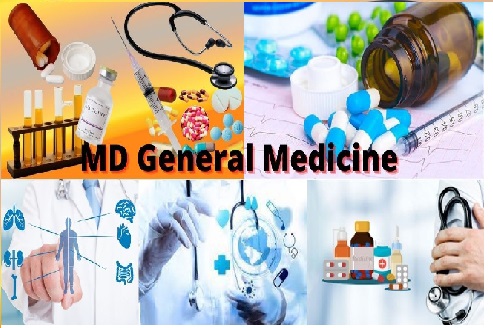
M.D. in General Medicine
A 4-year postgraduate medical degree that offers thorough instruction in the diagnosis, management, and treatment of a broad range of medical disorders is the M.D. (Doctor of Medicine) in General M...
M.D. in General Medicine
×A 4-year postgraduate medical degree that offers thorough instruction in the diagnosis, management, and treatment of a broad range of medical disorders is the M.D. (Doctor of Medicine) in General Medicine. Along with clinical rotations in specialties like internal medicine, pediatrics, surgery, and emergency care, the curriculum teaches the basics of medicine. Graduates of this program are eligible to work as primary care doctors, providing emergency, inpatient, and outpatient treatment to patients of all ages and backgrounds. In the majority of nations, obtaining an M.D. degree is the typical prerequisite for becoming a certified medical practitioner.

M.D. in Paediatrics
A 4-year postgraduate medical degree,M.D. in Paediatrics, prepares doctors to focus on treating newborns, kids, and teenagers. Child development, pediatric illnesses and disorders, neonatal ca...
M.D. in Paediatrics
×A 4-year postgraduate medical degree,M.D. in Paediatrics, prepares doctors to focus on treating newborns, kids, and teenagers. Child development, pediatric illnesses and disorders, neonatal care, and pediatric emergency medicine are among the subjects covered over here. To obtain practical experience, students finish clinical rotations in a range of pediatric subspecialties. Graduates of this degree are eligible to serve as pediatricians, offering complete medical treatment to young patients from birth through adolescence, in clinics, hospitals, private offices, or community health settings.

M.D. in Dermatology
A 4-year postgraduate medical degree called an M.D. in Dermatology prepares doctors to specialize in the diagnosis and management of conditions affecting the skin, hair, and nails. Dermatopathology...
M.D. in Dermatology
×A 4-year postgraduate medical degree called an M.D. in Dermatology prepares doctors to specialize in the diagnosis and management of conditions affecting the skin, hair, and nails. Dermatopathology, pediatric dermatology, cosmetic dermatology, and dermatologic surgery are among the subjects covered in the program. To obtain practical experience, students finish clinical rotations in both surgical and medical dermatology. Graduates of this program are eligible to work as board-certified dermatologists in private practices, hospitals, and outpatient clinics, offering patients with a variety of dermatological problems comprehensive care.

M.D. in Anaesthesiology
A 4-year postgraduate medical degree called an M.D. in Anesthesiology prepares doctors to specialize in managing patients' vital functions during obstetric, surgical, and other medical operatio...
M.D. in Anaesthesiology
×A 4-year postgraduate medical degree called an M.D. in Anesthesiology prepares doctors to specialize in managing patients' vital functions during obstetric, surgical, and other medical operations as well as administering anesthetic. Critical care, pharmacology, physiology, pain management, and perioperative medicine are among the subjects covered in the program. In order to acquire the skills necessary to safely administer anesthesia, assess patient status, and intervene as necessary, students undergo extensive clinical rotations in a variety of anesthesia subspecialties. This program's graduates are eligible to work as anesthesiologists in surgery centers, hospitals, and other medical facilities.
POPULAR COURSES
(D.ED(TCH))
A.N.M.
Acharya - Navyavyakarna
Acharya - Phalita Jyotisha
Acharya - Sanskrit Sahitya
Acharya - Siddhanta Jyotisha
Adobe Photoshop
Advance Certificate Course in Beauty Therapy
Advance Certificate Course in Cosmetology
Advance Certificate Course in Hair Dressing
Advance Certificate Course in Makeup Artistry
Advance certificate Course in Nail Technology
Advance Diploma in Anesthesia Technology
Advance Diploma In Child Guidance And Counselling
Advance Diploma in Dialysis Technology
Advance Diploma in Disciples India
Advance Diploma in Fashion Design & Technology
Advance Diploma in Industrial Safety
Advance Diploma In Insurance Sales
Advance Diploma in Interior Designing
Advance Diploma in Journalism & Mass Communication
Advance Diploma in Medical Lab Technology
Advance Diploma in Operation Theatre Technology
Advance Diploma in Radiology & Imaging Technology
Advance Diploma of Proficiency in French
Advance Diploma of Proficiency in German
Advance Diploma of Proficiency in Russian
Advanced Certificate in Medical Microbiology Laboratory Technology (ACMMLT)
Advanced Certified Software Developer
Advanced Diploma in 3D Printing Technology
Advanced Diploma in Animation
Advanced Diploma in Aviation, Hospitality and Tourism
Advanced Diploma in Computer Application
Advanced Diploma in Computer Software, System Analysis & Application
Advanced Diploma in Data Science
Advanced Diploma in Hardware And Networking
Advanced Diploma in Information Technology
Advanced Diploma in Machine Learning
Advanced Diploma in Multimedia Programming
Advanced Diploma in Networking
Advanced Diploma in Sound Recording Technology
Advanced Diploma in Textile Design
Advanced Diploma in Vastu and Jyotish
Agriculture & Allied Services
Agriculture & Horticulture
Agriculture & Live Stock Production
Agriculture Technology
AHDP Diploma In Animal Husbandry Program
Arogyamitra
Artificial Intelligence And Machine Learning
Automobile Technology
B,Com. in Computer Application
B. Sc. Hons. in Anaesthesia & Operation Theatre Technology
B. Sc. Hons. in Emergency Medical Technology
B. Sc. Hons.in Medical Laboratory Technology
B. Sc. in Hospitality and Tourism Management
B. Tech. in Fisheries Engineering
B. Tech. in Leather technology
B.A. General
B.A. B.Ed.
Popular Stream
State
Andaman and Nicobar Island (UT)
Andaman and Nicobar Islands
Andhra Pradesh
Arunachal Pradesh
Assam
Bihar
Chandigarh
Chandigarh (UT)
Chhattisgarh
Dadra and Nagar
Dadra and Nagar Haveli
Dadra and Nagar Haveli (UT)
Daman and Diu
Daman and Diu (UT)
Delhi
Delhi (NCT)
Donets'k
Goa
Gujarat
Gujarat
Haryana
Himachal Pradesh
Jammu and Kashmir
Jammu and Kashmir(UT)
Jharkhand
jjj
Karnataka
Kerala
Ladakh(UT)
Lakshadweep
LAKSHADWEEP (UT)
Madhya Pradesh
Maharashtra
Manipur
Meghalaya
Mizoram
Nagaland
Niigata
Odisha
Puducherry