.png)






An M.Sc. in Biochemistry is normally a 2-year postgraduate study that studies the chemical processes that occur within and affect living organisms. The curriculum includes advanced themes in molecular biology, enzymology, metabolism, and structural biology. Students participate in laboratory work, research projects, and frequently write a thesis. This degree prepares graduates for professions in research, pharmaceuticals, biotechnology, or advanced academic studies such as Ph.D. programs. The degree stresses the critical thinking, experimental design, and data analysis skills required for modern biochemistry research and applications.
Andhra University
M.Sc. in Microbiology
M.Sc. in Microbiology is usually a 2-year postgraduate program that focuses on the study of microbes and their effects on various elements of life. The program includes sophisticated areas such mic...
M.Sc. in Microbiology
×M.Sc. in Microbiology is usually a 2-year postgraduate program that focuses on the study of microbes and their effects on various elements of life. The program includes sophisticated areas such microbial genetics, immunology, virology, and environmental microbiology. Students work in laboratories, complete research projects, and often write a thesis. This degree prepares students for employment in research, healthcare, biotechnology, and environmental sciences, with opportunities in academia, industry, and government.
M.Sc. in Biotechnology
M.Sc. in Biotechnology is normally a 2-year postgraduate degree that integrates biology, technology, and engineering concepts. This interdisciplinary course focuses on using biological system...
M.Sc. in Biotechnology
×M.Sc. in Biotechnology is normally a 2-year postgraduate degree that integrates biology, technology, and engineering concepts. This interdisciplinary course focuses on using biological systems to create novel goods and processes. Students develop skills in genetic engineering, molecular biology, bioinformatics, and bioprocess technology. The curriculum frequently involves laboratory work, research projects, and industry internships, which prepare graduates for positions in pharmaceutical, agricultural, and environmental sectors, as well as academic research.
M.Sc. in Zoology
The Master of Science (M.Sc.) in Zoology is a 2-year postgraduate degree that aims to provide advanced knowledge and research abilities in animal biology and other elements of animal life. The curr...
M.Sc. in Zoology
×The Master of Science (M.Sc.) in Zoology is a 2-year postgraduate degree that aims to provide advanced knowledge and research abilities in animal biology and other elements of animal life. The curriculum includes disciplines such as animal physiology, ecology, evolution, and taxonomy. Students engaged in both theoretical and practical laboratory work to enhance their understanding of animal behavior, conservation, and biodiversity. Research projects are frequently a key component of the program, allowing students to investigate specialized areas under the supervision of expert teachers. Graduates are ready for positions in research, education, wildlife conservation, and environmental management.

M.Sc. in Mathematics
M.Sc. (Master of Science) in Mathematics is a 2-year postgraduate program that provides advanced training in various branches of mathematics, including algebra, analysis, topology, and comput...
M.Sc. in Mathematics
×M.Sc. (Master of Science) in Mathematics is a 2-year postgraduate program that provides advanced training in various branches of mathematics, including algebra, analysis, topology, and computational mathematics. The curriculum covers both theoretical and applied aspects, allowing students to develop strong analytical and problem-solving skills. Graduates of this program can pursue careers in academia, research institutions, financial organizations, data analytics firms, and government agencies. Admission is typically based on performance in a national-level entrance exam, followed by an interview process. The M.Sc. in Mathematics equips students with the knowledge and expertise to contribute to the advancement of mathematical sciences and their applications in diverse fields.
M.Sc. in Physics
The M.Sc. (Master of Science) in Physics is a 2-year postgraduate degree that provides advanced study in a variety of physics disciplines, including classical mechanics, quantum mechanics, electrom...
M.Sc. in Physics
×The M.Sc. (Master of Science) in Physics is a 2-year postgraduate degree that provides advanced study in a variety of physics disciplines, including classical mechanics, quantum mechanics, electromagnetism, and statistics. The program blends academic instruction with practical laboratory experiments and research projects. Graduates of this program can work in academia, research institutes, the semiconductor industry, renewable energy industries, and government organizations. Admission is often determined by performance on a national-level admission exam, followed by an interview. The M.Sc. in Physics program provides students with the knowledge, analytical abilities, and experimental experience necessary to enhance scientific research and technological innovation.

M.Sc. in Food And Nutrition
M.Sc. in Food and Nutrition is a 2-year postgraduate program that provides advanced training in the science of food, nutrition, and their impact on human health. The curriculum covers topics...
M.Sc. in Food And Nutrition
×M.Sc. in Food and Nutrition is a 2-year postgraduate program that provides advanced training in the science of food, nutrition, and their impact on human health. The curriculum covers topics such as food chemistry, nutritional biochemistry, clinical nutrition, and community nutrition. Students gain expertise in designing and evaluating nutritional interventions, conducting research, and translating scientific findings into practical applications. Graduates of this program are equipped to work as nutritionists, dietitians, or researchers in healthcare, food industries, and government organizations, contributing to the promotion of healthy eating habits and the prevention of nutrition-related diseases.
M.Sc. in Botany
Master of Science (M.Sc.) in Botany is a postgraduate program typically spanning 2 years, focusing on the study of plant biology, including physiology, ecology, taxonomy, and genetics. This co...
M.Sc. in Botany
×Master of Science (M.Sc.) in Botany is a postgraduate program typically spanning 2 years, focusing on the study of plant biology, including physiology, ecology, taxonomy, and genetics. This course is designed to equip students with advanced knowledge and practical skills in plant science, emphasizing both theoretical concepts and laboratory techniques. Students engage in various topics such as plant physiology, phytochemistry, and plant biotechnology, alongside fieldwork and research projects. Graduates are prepared for careers in academia, research, environmental conservation, agriculture, and various industries related to plant science and biotechnology, contributing to sustainable practices and biodiversity conservation.

M.Sc. in Electronics & Instrumentation
M.Sc. in Electronics and Instrumentation is a postgraduate program that typically spans 2 years, focusing on advanced topics in electronics, control systems, and instrumentation technolo...
M.Sc. in Electronics & Instrumentation
×M.Sc. in Electronics and Instrumentation is a postgraduate program that typically spans 2 years, focusing on advanced topics in electronics, control systems, and instrumentation technologies. The curriculum includes subjects such as digital electronics, signal processing, control theory, sensors and transducers, and embedded systems. Students acquire practical experience through laboratory sessions and projects, fostering practical skills in designing and implementing electronic systems. The program also emphasizes research methodologies, preparing graduates for careers in various industries, including automation, telecommunications, and biomedical engineering, or for further studies in doctoral programs. Graduates are equipped to tackle complex engineering challenges in diverse fields.

M.Sc. in Environmental Sciences
M.Sc. in Environmental Sciences, where we bridge the gap between formal education and practical skills acquisition...
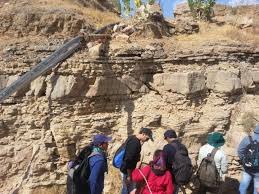
M.Sc. in Geology
Master of Science (M.Sc.) in Geology is a 2-year postgraduate program that delves into the study of Earth’s materials, processes, and history. This course covers a range of topics, including...
M.Sc. in Geology
×Master of Science (M.Sc.) in Geology is a 2-year postgraduate program that delves into the study of Earth’s materials, processes, and history. This course covers a range of topics, including mineralogy, petrology, paleontology, geomorphology, and environmental geology. Students gain hands-on experience through fieldwork and laboratory work, utilizing advanced techniques and technologies like GIS and remote sensing. The curriculum often includes research projects that encourage critical thinking and problem-solving skills. Graduates are well-prepared for careers in environmental consulting, natural resource management, and academia, contributing to sustainable practices and the understanding of geological phenomena.
M.Sc. in Statistics
Master of Science (M.Sc.) in Statistics is a 2-year postgraduate program that provides advanced training in statistical theory, methods, and applications. The curriculum typically covers topi...
M.Sc. in Statistics
×Master of Science (M.Sc.) in Statistics is a 2-year postgraduate program that provides advanced training in statistical theory, methods, and applications. The curriculum typically covers topics such as probability theory, statistical inference, regression analysis, experimental design, and multivariate analysis. Students learn to apply statistical techniques to solve real-world problems in various fields, including economics, healthcare, and social sciences. The program often includes practical components, such as projects and internships, to enhance analytical skills and software proficiency in statistical tools like R and Python. Graduates are well-equipped for careers in data analysis, research, and academia.
M.Sc. in Organic Chemistry
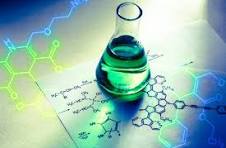
M.Sc. in Organic Chemistry is a two-year postgraduate program that aims to provide extensive knowledge and research experience in organic chemical processes, mechanisms, and synthesis. The curricul...
M.Sc. in Organic Chemistry
×M.Sc. in Organic Chemistry is a two-year postgraduate program that aims to provide extensive knowledge and research experience in organic chemical processes, mechanisms, and synthesis. The curriculum often includes topics such as organic reaction processes, stereochemistry, medicinal chemistry, natural products, and advanced spectroscopic techniques. Students acquire hands-on experience in the laboratory and are encouraged to pursue research projects that culminate in a thesis. This curriculum equips graduates to work in academics, pharmaceuticals, petrochemicals, and research institutions. Admission normally necessitates a Bachelor's degree in Chemistry or a similar subject, with a solid background in organic chemistry.

M.Sc. in Analytical Chemistry
M.Sc. in Analytical Chemistry is a postgraduate program that typically spans 2 years. This course focuses on advanced analytical techniques and methodologies used to identify and quantif...
M.Sc. in Analytical Chemistry
×M.Sc. in Analytical Chemistry is a postgraduate program that typically spans 2 years. This course focuses on advanced analytical techniques and methodologies used to identify and quantify chemical substances in various fields such as pharmaceuticals, environmental science, and forensics. Students gain in-depth knowledge of instrumental analysis, chromatographic techniques, spectroscopy, and mass spectrometry. The curriculum is designed to provide both theoretical understanding and practical laboratory experience, preparing students for roles in research, industry, or academia. Emphasis is placed on problem-solving, data analysis, and the application of modern analytical techniques to complex chemical problems. Graduates of the program are equipped with the skills necessary to contribute to the development and optimization of analytical processes across diverse industries.

M.Sc. in Inorganic Chemistry
M.Sc. in Inorganic Chemistry is a 2-year postgraduate program for students who want to study inorganic compounds in depth, including their structures, characteristics, and applications. The c...
M.Sc. in Inorganic Chemistry
×M.Sc. in Inorganic Chemistry is a 2-year postgraduate program for students who want to study inorganic compounds in depth, including their structures, characteristics, and applications. The course teaches a thorough understanding of coordination chemistry, organometallics, bioinorganic chemistry, and solid-state chemistry. Laboratory sessions, research projects, and seminars help students develop both theoretical knowledge and practical abilities. The curriculum incorporates contemporary analytical techniques and computer technologies for chemical analysis. Graduates may pursue professions in research, pharmaceuticals, material science, or academia. Admission normally requires a bachelor's degree in chemistry or a related subject, though eligibility requirements vary by university. The curriculum prepares students to tackle real-world industry problems and contribute to chemical sciences advances.
M.Sc. in Marine Sciences
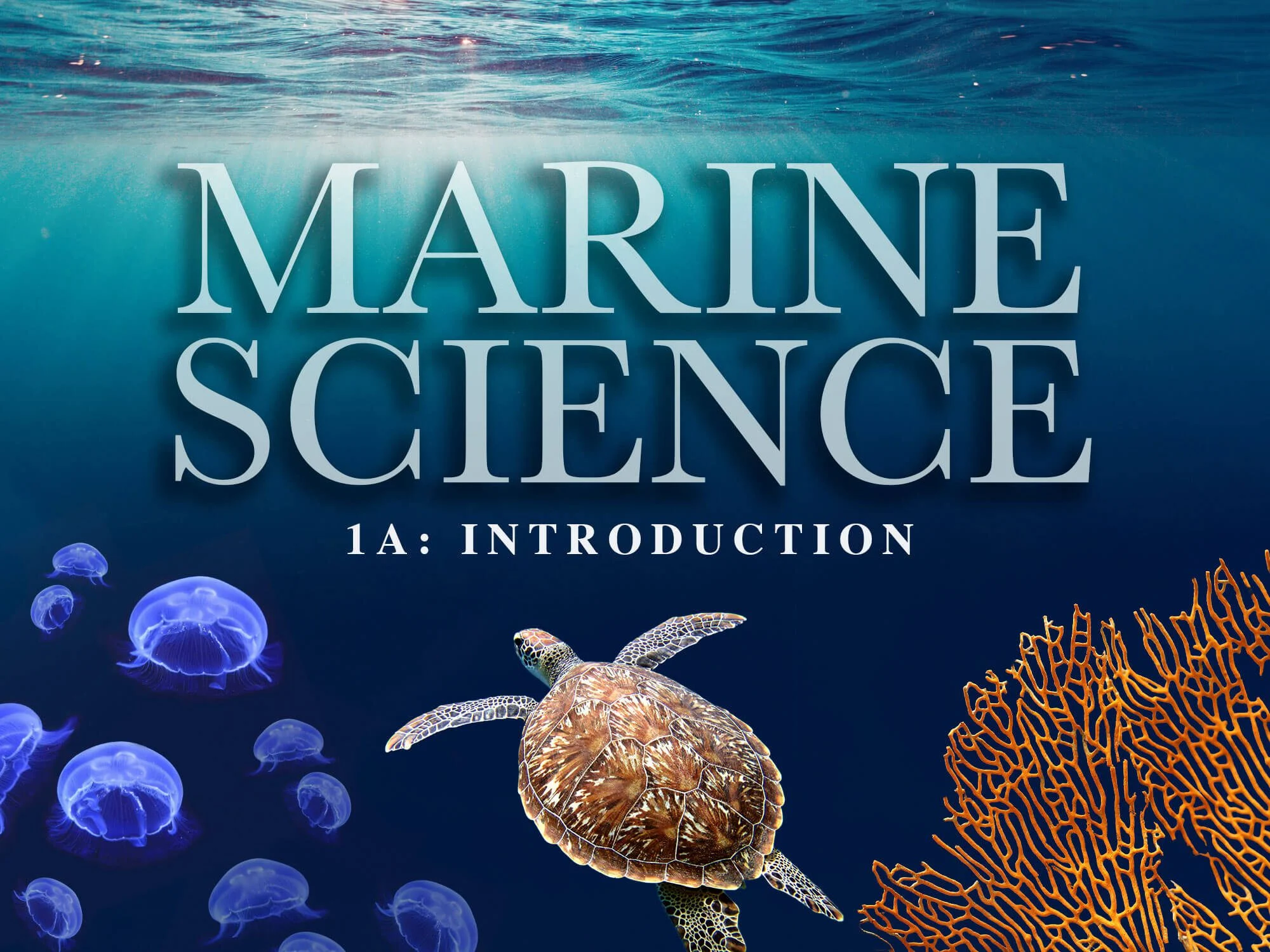
M.Sc. in Marine Sciences is a comprehensive postgraduate program designed to provide students with an in-depth understanding of the ocean's physical, biological, chemical, and geological proces...
M.Sc. in Marine Sciences
×M.Sc. in Marine Sciences is a comprehensive postgraduate program designed to provide students with an in-depth understanding of the ocean's physical, biological, chemical, and geological processes. Typically spanning 2 years, this program covers topics such as marine ecology, oceanography, marine conservation, and environmental science. Students are equipped with both theoretical knowledge and practical skills through laboratory work, field research, and data analysis. The course prepares graduates for careers in marine research, environmental consultancy, conservation organizations, and governmental agencies. With a focus on interdisciplinary learning, students explore the impact of human activities on marine ecosystems and are trained to develop sustainable solutions for preserving marine environments. The program may also offer specialization in areas like marine biotechnology or marine policy.
M.Sc. in Applied Mathematics
M.Sc. in Applied Mathematics is a postgraduate program designed to provide students with advanced knowledge and skills in mathematical modeling, computational techniques, and problem-solving....
M.Sc. in Applied Mathematics
×M.Sc. in Applied Mathematics is a postgraduate program designed to provide students with advanced knowledge and skills in mathematical modeling, computational techniques, and problem-solving. Typically spanning 1 - 2 years, this course covers areas such as differential equations, statistical analysis, numerical methods, optimization, and mathematical physics, equipping students to tackle real-world challenges in industries like finance, engineering, technology, and data science. The program emphasizes practical application of mathematical concepts through projects, research, and internships, preparing graduates for careers in academia, research institutions, or private sector roles. Admission generally requires a background in mathematics or a related field, and students may engage in both theoretical and hands-on learning to deepen their understanding of mathematical theories and their real-world applications.
M.Sc. in Applied Geology
Master of Science (M.Sc.) in Applied Geology is a postgraduate program designed to provide students with advanced knowledge and practical skills in the field of geology. Typically spanning 2 y...
M.Sc. in Applied Geology
×Master of Science (M.Sc.) in Applied Geology is a postgraduate program designed to provide students with advanced knowledge and practical skills in the field of geology. Typically spanning 2 years, this program focuses on various aspects of the Earth sciences, including mineralogy, petrology, geophysics, environmental geology, and geochemistry. Students are trained to analyze geological data, use modern geological tools, and understand the geological processes that shape the Earth. The curriculum combines theoretical knowledge with hands-on experience through fieldwork, laboratory experiments, and research projects. Graduates are prepared for careers in industries such as mining, environmental consulting, natural resource management, and geological surveying, contributing to solving real-world problems related to the Earth and its resources.

M.Sc. in Geography
Master of Science (M.Sc.) in Geography is a postgraduate program typically spanning 2 years. This course delves into advanced concepts of physical, human, and environmental geography, providing a c...
M.Sc. in Geography
×Master of Science (M.Sc.) in Geography is a postgraduate program typically spanning 2 years. This course delves into advanced concepts of physical, human, and environmental geography, providing a comprehensive understanding of spatial patterns, processes, and relationships. Students explore topics such as geomorphology, climatology, GIS (Geographic Information Systems), urban and rural planning, environmental management, and sustainable development. The program combines theoretical knowledge with practical applications, including fieldwork and research projects. Graduates are prepared for careers in academia, urban planning, environmental consulting, disaster management, and geospatial technology. Eligibility usually requires a bachelor's degree in geography or a related field, and the curriculum fosters critical thinking and analytical skills to address contemporary geographical challenges.
M.Sc. Tech.(Geophysics)
M.Sc. Tech. (Master of Science in Technology) is a specialized postgraduate course that blends advanced technology and science. Typically, it has a duration of 2 years, divided into 4 semester...
M.Sc. Tech.(Geophysics)
×M.Sc. Tech. (Master of Science in Technology) is a specialized postgraduate course that blends advanced technology and science. Typically, it has a duration of 2 years, divided into 4 semesters. This course is designed for students who wish to delve deeper into the technical and scientific aspects of various fields like computer science, electrical engineering, biotechnology, and materials science. It provides a comprehensive understanding of theoretical concepts, alongside practical skills to tackle real-world challenges in the technology sector. M.Sc. Tech. programs often involve research, projects, and internships to ensure that students gain hands-on experience. Graduates can pursue careers in academia, research, tech industries, or continue to further specialization through Ph.D. studies.
M.Sc. in Molecular And Human Genetics
M.Sc. in Molecular and Human Genetics is a 2-year postgraduate program that focuses on the study of genetic principles and their applications to human health and disease. The course covers a...
M.Sc. in Molecular And Human Genetics
×M.Sc. in Molecular and Human Genetics is a 2-year postgraduate program that focuses on the study of genetic principles and their applications to human health and disease. The course covers a wide range of topics, including molecular biology, genetic engineering, genomics, and bioinformatics, providing students with a deep understanding of human genetics and its impact on medicine. Students learn advanced laboratory techniques, diagnostic tools, and research methodologies. The program prepares graduates for careers in genetic counseling, clinical genetics, research, and biotechnology. This degree is ideal for those interested in pursuing research or clinical roles in genetics, offering a strong foundation for further study in molecular biology or medical genetics.
M.Sc. in Coastal Aquaculture & Marine Biotechnology
M.Sc. in Coastal Aquaculture & Marine Biotechnology is a specialized postgraduate course that typically spans 2 years. This program focuses on the study of marine ecosystems, coastal aquac...
M.Sc. in Coastal Aquaculture & Marine Biotechnology
×M.Sc. in Coastal Aquaculture & Marine Biotechnology is a specialized postgraduate course that typically spans 2 years. This program focuses on the study of marine ecosystems, coastal aquaculture, and biotechnological innovations in the marine environment. Students gain advanced knowledge in marine biology, aquaculture techniques, molecular biology, and the sustainable use of marine resources. The curriculum is designed to equip graduates with the skills needed to address challenges in marine conservation, aquaculture management, and biotechnology. Practical training and research projects form a significant part of the program, allowing students to develop hands-on experience in marine laboratories and aquaculture farms. Graduates are well-prepared for careers in marine research, environmental consulting, aquaculture industries, and biotechnology firms.
M.Sc. in Chemistry with Physical Chemistry as Specilization
M.Sc. in Chemistry with Physical Chemistry as a specialization is a 2-year postgraduate program designed to provide in-depth knowledge of physical chemistry principles and their applications....
M.Sc. in Chemistry with Physical Chemistry as Specilization
×M.Sc. in Chemistry with Physical Chemistry as a specialization is a 2-year postgraduate program designed to provide in-depth knowledge of physical chemistry principles and their applications. This course covers various topics such as thermodynamics, quantum chemistry, kinetics, spectroscopy, and surface science. Students will also explore the mathematical and computational techniques used to understand chemical phenomena. The program is structured to enhance both theoretical understanding and practical skills through laboratory work and research projects. Graduates are well-prepared for careers in academia, research, and industries such as pharmaceuticals, materials science, and environmental chemistry. This course equips students with critical thinking and problem-solving skills essential for advancing in the field of chemistry.
M.Sc. in Nuclear Physics
M.Sc. in Nuclear Physics is a postgraduate program that typically spans 2 years, offering in-depth knowledge and training in the principles of nuclear physics and its applications. The c...
M.Sc. in Nuclear Physics
×M.Sc. in Nuclear Physics is a postgraduate program that typically spans 2 years, offering in-depth knowledge and training in the principles of nuclear physics and its applications. The course covers various topics, including atomic structure, radiation physics, nuclear reactions, particle physics, and advanced laboratory techniques. Students gain hands-on experience with state-of-the-art equipment and conduct research in areas such as nuclear energy, medical physics, and radiation protection. The curriculum combines theoretical learning with practical exposure, preparing graduates for careers in research, industry, and academia. Graduates of this program can pursue opportunities in nuclear power plants, research institutions, government agencies, and healthcare sectors, focusing on areas like radiology and nuclear medicine.
M.Sc. in Meteorology
Master of Science (M.Sc.) in Meteorology is a specialized postgraduate program that typically spans 2 years, focusing on the study of weather, climate, and atmospheric processes. The cou...
M.Sc. in Meteorology
×Master of Science (M.Sc.) in Meteorology is a specialized postgraduate program that typically spans 2 years, focusing on the study of weather, climate, and atmospheric processes. The course covers a range of topics, including atmospheric dynamics, climate change, weather forecasting, hydrometeorology, remote sensing, and the use of advanced technologies in meteorology. Students gain practical experience through laboratory work, field studies, and internships, preparing them for careers in government agencies, research organizations, environmental consulting firms, and the private sector. The program emphasizes both theoretical knowledge and hands-on skills in data analysis, modeling, and forecasting, equipping graduates to tackle global challenges related to weather prediction and climate change. Strong analytical and computational skills are crucial for success in this field.
M.Sc. in Marine Bio-Technology
M.Sc. in Marine Bio-Technology is a specialized postgraduate program designed to provide students with advanced knowledge and skills in the field of marine biology, biotechnology, and their applica...
M.Sc. in Marine Bio-Technology
×M.Sc. in Marine Bio-Technology is a specialized postgraduate program designed to provide students with advanced knowledge and skills in the field of marine biology, biotechnology, and their applications in marine environments. Typically lasting 2 years, this course integrates the study of marine organisms, ecosystems, and biotechnology techniques to address environmental and industrial challenges. Students gain hands-on experience in research, exploring topics like marine genetics, aquaculture, environmental conservation, and marine pharmaceuticals. Graduates are well-prepared for careers in research institutions, marine conservation, aquaculture industries, and biotechnology firms. The program is ideal for individuals passionate about marine life and its sustainable exploitation, with opportunities for further research or professional work in both the public and private sectors.
M.Sc. in Physical Oceanography
M.Sc. in Physical Oceanography is a postgraduate program that typically spans 2 years, focusing on the study of physical processes in the oceans. This course covers a range of topics, includin...
M.Sc. in Physical Oceanography
×M.Sc. in Physical Oceanography is a postgraduate program that typically spans 2 years, focusing on the study of physical processes in the oceans. This course covers a range of topics, including ocean circulation, waves, tides, climate dynamics, and the interaction between the atmosphere and the ocean. Students gain hands-on experience in data analysis, modeling, and fieldwork, preparing them for research roles or careers in environmental consulting, oceanography, and marine resource management. The program integrates both theoretical knowledge and practical skills, equipping graduates to understand and address global challenges such as climate change and marine pollution. Advanced study and research projects in physical oceanography help students contribute to scientific understanding and innovation in the field.
