





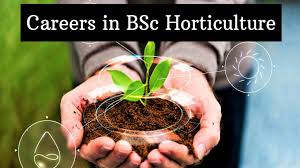
B.Sc. Horticulture is an undergraduate 3 year agricultural science and technology curriculum. It focuses on the science of growing plants for food, beauty, and environmental reasons. This degree blends technical understanding with a love of plant aesthetics. It focuses on the sustainable cultivation of fruits, vegetables, flowers, herbs, and ornamental plants. The program aims to provide students with a thorough understanding of plant biology, cultivation practices, and crop production technologies.

Assam Agricultural University
Assam Agricultural University Admission Open
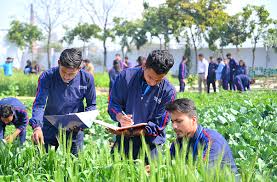
M.Sc. in Agriculture
A M.Sc. in Agriculture is a 2-year postgraduate degree that dives deep into advanced farming techniques, crop science, and sustainable agricultural practices. Students learn about plant breedi...
M.Sc. in Agriculture
×A M.Sc. in Agriculture is a 2-year postgraduate degree that dives deep into advanced farming techniques, crop science, and sustainable agricultural practices. Students learn about plant breeding, soil management, pest control, and agricultural economics. It prepares graduates for careers in agricultural research, farm management, agribusiness, or agricultural policy-making. This advanced degree equips students with the knowledge and skills needed to address complex agricultural challenges and contribute to the development of sustainable food production systems
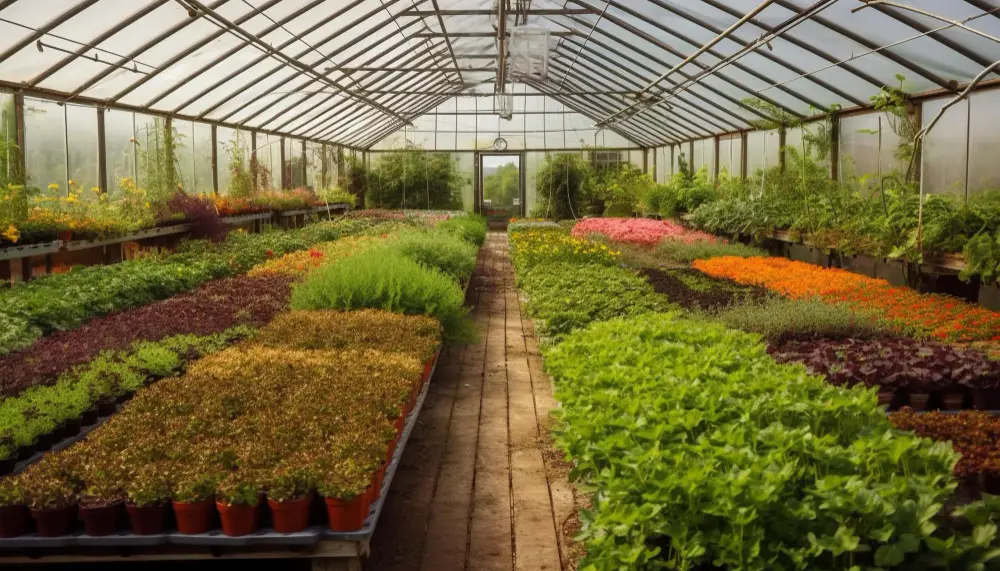
M.Sc. in Horticulture
An M.Sc. in Horticulture is a 2-year advanced degree program that dives deep into the science of growing and managing fruits, vegetables, flowers, and ornamental plants. Students learn about plant...
M.Sc. in Horticulture
×An M.Sc. in Horticulture is a 2-year advanced degree program that dives deep into the science of growing and managing fruits, vegetables, flowers, and ornamental plants. Students learn about plant breeding, pest management, sustainable farming practices, and the latest technologies in crop production. The course combines classroom learning with hands-on experience in gardens and greenhouses. This advanced degree equips students with in-depth knowledge and practical skills to contribute to the evolving field of horticulture, addressing challenges like food security, climate change adaptation, and sustainable agriculture.
B.Tech. in Agriculture Engineering.
B.Tech. in Agricultural Engineering is a 4-year undergraduate program that combines principles of engineering with agricultural sciences. Students learn to design and develop innovative solutions f...
B.Tech. in Agriculture Engineering.
×B.Tech. in Agricultural Engineering is a 4-year undergraduate program that combines principles of engineering with agricultural sciences. Students learn to design and develop innovative solutions for farming, food processing, and rural development. The curriculum covers subjects like soil and water conservation, farm machinery, post-harvest technology, and precision agriculture. Graduates are equipped to tackle challenges in sustainable agriculture, mechanization, and agri-business management, contributing to improved agricultural productivity and food security.
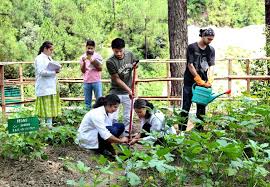
B.Sc. Hons. in Agriculture
B.Sc. Hons. in Agriculture is normally a 4-year undergraduate program that equips students with in-depth knowledge and practical skills in agricultural sciences. The curriculum includes crop scienc...
B.Sc. Hons. in Agriculture
×B.Sc. Hons. in Agriculture is normally a 4-year undergraduate program that equips students with in-depth knowledge and practical skills in agricultural sciences. The curriculum includes crop science, soil science, animal husbandry, agricultural economics, plant pathology, and agricultural engineering. Students learn about sustainable farming practices, agricultural biotechnology, and farm management. The program frequently incorporates laboratory work, field trips, and internships to give students hands-on experience. Graduates prepare to face global concerns in food security, sustainable agriculture, and environmental conservation.
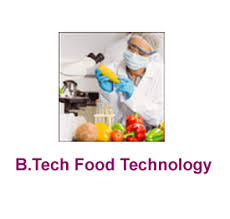
B.Tech. in Food Technology
B.Tech. in Food Technology is a 4-year undergraduate degree that provides students with the information and abilities essential to innovate in the food sector. Typically, the curriculum includes fo...
B.Tech. in Food Technology
×B.Tech. in Food Technology is a 4-year undergraduate degree that provides students with the information and abilities essential to innovate in the food sector. Typically, the curriculum includes food chemistry, microbiology, processing techniques, quality control, and food engineering. Students investigate about food preservation, packaging, and safety laws while also investigating emerging trends such as functional foods and sustainable production methods. The program frequently incorporates laboratory work, industrial training, and research projects to give students hands-on experience. Graduates are equipped for positions in food manufacturing, product development, quality assurance, and R&D. This degree provides opportunities in the food business, government organizations, and research institutions, addressing the expanding global demand for safe, nutritious, and sustainable food products.
M.Tech. in Food Technology
The M.Tech. in Food Technology is a 2-year postgraduate degree that teaches advanced food processing, preservation, and quality control methods. The curriculum includes topics including food engine...
M.Tech. in Food Technology
×The M.Tech. in Food Technology is a 2-year postgraduate degree that teaches advanced food processing, preservation, and quality control methods. The curriculum includes topics including food engineering, microbiology, packaging, and food safety legislation. Students acquire practical experience through laboratory sessions, pilot plant operations, and industrial internships. Graduates of this program have the skills to serve as food technologists, product development managers, quality assurance specialists, and research scientists in the growing food processing industry, as well as research institutes and government bodies responsible for food safety and standards.
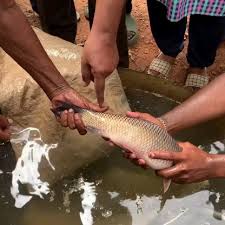
B.Sc. in Fisheries
A Bachelor of Science (B.Sc.) in Fisheries is a 4-year undergraduate curriculum that specializes in aquatic ecosystems, fish biology, and sustainable fisheries management. The curriculum encompasse...
B.Sc. in Fisheries
×A Bachelor of Science (B.Sc.) in Fisheries is a 4-year undergraduate curriculum that specializes in aquatic ecosystems, fish biology, and sustainable fisheries management. The curriculum encompasses courses such as ichthyology, aquaculture, marine ecology, fish nutrition, and fisheries economics. Students acquire practical experience through lab work, field studies, and internships. The program also focuses on conservation techniques, environmental legislation, and the use of technology in modern fisheries. Graduates have the ability to work in fisheries management, aquaculture, marine research, environmental consultancy, and government organizations. This degree provides a solid basis for people who seek to contribute to sustainable fishing techniques and the conservation of aquatic resources.
M.Sc. in Fisheries
M.Sc. in Fisheries is normally a 2-year postgraduate degree that focuses on the scientific study of aquatic ecosystems, fish biology, and sustainable fisheries management. Aquaculture, marine...
M.Sc. in Fisheries
×M.Sc. in Fisheries is normally a 2-year postgraduate degree that focuses on the scientific study of aquatic ecosystems, fish biology, and sustainable fisheries management. Aquaculture, marine ecology, fish population dynamics, and fisheries economics are common topics covered in the curriculum. Students acquire practical experience through fieldwork, laboratory research, and data analysis. The curriculum typically concludes with a thesis or research project, allowing students to specialize in fields such as conservation, aquaculture technology, or fisheries policy. Graduates are ready for positions in fisheries management, the aquaculture industry, environmental consulting, and research organizations. This degree is essential for those who want to contribute to sustainable fishing methods and the preservation of aquatic biodiversity in the face of global threats such as overfishing and climate change.
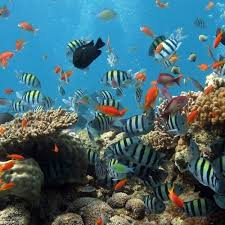
B.Sc. Hons. in Fisheries
Bachelor of Science Honours in Fisheries typically involves a 4-year undergraduate curriculum that studies aquatic ecosystems, fish biology, and sustainable fisheries management. The curricul...
B.Sc. Hons. in Fisheries
×Bachelor of Science Honours in Fisheries typically involves a 4-year undergraduate curriculum that studies aquatic ecosystems, fish biology, and sustainable fisheries management. The curriculum includes courses such as ichthyology, aquaculture, marine ecology, fish nutrition, and fisheries economics. Students acquire hands-on knowledge through lab work, field investigations, and research projects. The program also focuses on conservation methods, environmental impact assessments, and the use of technology in modern fisheries. Graduates are equipped to work in fisheries management, aquaculture, marine research, environmental consultancy, and government organizations. This degree gives a solid basis for individuals wishing to pursue graduate studies in marine biology, oceanography, or fisheries science.
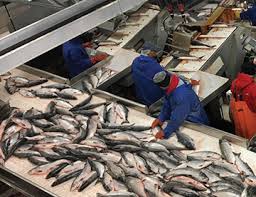
M.Sc. Hons. in Fisheries
M.Sc. Hons. in Fisheries is a 2-year postgraduate program designed for students interested in aquatic ecosystems and sustainable fisheries management. This comprehensive course includes aquaculture...
M.Sc. Hons. in Fisheries
×M.Sc. Hons. in Fisheries is a 2-year postgraduate program designed for students interested in aquatic ecosystems and sustainable fisheries management. This comprehensive course includes aquaculture, fish biology, oceanography, fisheries economics, and marine ecology. Students study on both theoretical and practical areas of fisheries science, such as fieldwork, laboratory research, and data analysis. Fish population dynamics, aquatic resource management, fishing technology, and environmental impact assessment are common topics included in the curriculum. Graduates are particularly well-suited for positions in fisheries research, aquaculture, marine conservation, and government agencies in charge of fisheries management. This advanced degree also lays a solid foundation for students looking to pursue doctoral study in relevant subjects.

Certificate Course in Fisheries Engineering
The Certificate Course in Fisheries Engineering is designed to equip students with essential knowledge and skills related to the engineering aspects of fisheries management and aquaculture. Typical...
Certificate Course in Fisheries Engineering
×The Certificate Course in Fisheries Engineering is designed to equip students with essential knowledge and skills related to the engineering aspects of fisheries management and aquaculture. Typically lasting 6 months, this course covers topics such as fish farming techniques, aquatic ecosystem management, fish feed technology, and sustainable fishing practices. Students will acquire hands-on experience through practical sessions and fieldwork, enhancing their understanding of fisheries infrastructure, equipment design, and maintenance. Ideal for those seeking to enter the fisheries sector or enhance their existing skills, the course prepares graduates for roles in aquaculture, fisheries management, and environmental conservation.
MBA in Agriculture Business Management
The 2-year postgraduate Master of Business Administration (MBA) in Agriculture Business Management curriculum blends fundamental business concepts with in-depth understanding of agriculture i...
MBA in Agriculture Business Management
×The 2-year postgraduate Master of Business Administration (MBA) in Agriculture Business Management curriculum blends fundamental business concepts with in-depth understanding of agriculture industry. Agribusiness economics, supply chain management, agricultural marketing, and rural development are just a few of the topics covered in this extensive course. Students gain knowledge about agribusiness-specific sustainable practices, financial management, and strategic planning. Case studies, industrial projects, and occasionally internships with agribusiness companies or agricultural cooperatives are also part of the curriculum. Graduates are ready for leadership positions in government organizations, food processing businesses, rural banks, or agricultural enterprises. Curriculum prepares students to tackle issues in food security, agricultural technology, and sustainable farming methods by emphasizing innovation, entrepreneurship, and global perspectives.
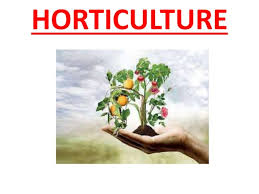
B.Sc. Hons. in Horticulture
B.Sc. Hons. in Horticulture is a specialized undergraduate degree that teaches the science and art of growing fruits, vegetables, flowers, and ornamental plants. This program typically lasts \3-4 y...
B.Sc. Hons. in Horticulture
×B.Sc. Hons. in Horticulture is a specialized undergraduate degree that teaches the science and art of growing fruits, vegetables, flowers, and ornamental plants. This program typically lasts \3-4 years and provides students with in-depth understanding of plant breeding, soil management, pest control, landscaping, and sustainable agriculture methods. It combines theoretical knowledge with practical experience via laboratory work, field excursions, and internships. Graduates are equipped to work in the horticultural industry, agribusiness, landscape design, research, and government or non-governmental organizations. To meet today's agricultural concerns, the course highlights current methods such as hydroponics, tissue culture, and organic farming.
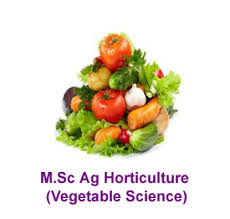
M.Sc. Hons. in Horticulture
M.Sc. (Hons.) in Horticulture is a postgraduate program focused on advanced studies in the cultivation, production, and management of fruits, vegetables, flowers, and other horticultural crops. It...
M.Sc. Hons. in Horticulture
×M.Sc. (Hons.) in Horticulture is a postgraduate program focused on advanced studies in the cultivation, production, and management of fruits, vegetables, flowers, and other horticultural crops. It typically spans 2 years, divided into four semesters, and provides students with in-depth knowledge of plant biology, soil science, pest management, biotechnology, and sustainable farming practices. The course also covers plant breeding, post-harvest technology, landscape gardening, and orchard management. Graduates are prepared for careers in research, agriculture, farming, food production, and horticultural industries. Practical exposure and research projects are integral components of the curriculum to develop specialized expertise in the field.
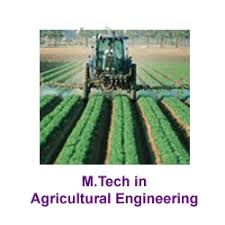
M.Tech. in Agriculture Engineering
M.Tech. in Agricultural Engineering is a 2-year postgraduate program designed to equip students with advanced knowledge and skills in agricultural machinery, irrigation systems, soil and water cons...
M.Tech. in Agriculture Engineering
×M.Tech. in Agricultural Engineering is a 2-year postgraduate program designed to equip students with advanced knowledge and skills in agricultural machinery, irrigation systems, soil and water conservation, and food processing technologies. This course focuses on the application of engineering principles to solve challenges in agriculture, promoting sustainable farming practices and improving productivity. Students explore subjects like precision farming, renewable energy in agriculture, and agricultural automation. The program also includes research opportunities, preparing graduates for careers in academia, research institutions, agribusiness, and government agencies, contributing to the advancement of agricultural technology and innovation.

M.Sc. in Agricultural Biotechnology
M.Sc. in Agricultural Biotechnology is a specialized program that combines advanced knowledge of biotechnology with agricultural sciences to improve crop production, pest control, and food security...
M.Sc. in Agricultural Biotechnology
×M.Sc. in Agricultural Biotechnology is a specialized program that combines advanced knowledge of biotechnology with agricultural sciences to improve crop production, pest control, and food security. The course typically spans 2 years, divided into 4 semesters. It covers subjects such as genetic engineering, plant biotechnology, molecular biology, bioinformatics, and crop improvement techniques. Students gain practical experience through laboratory work, research projects, and internships. Graduates are prepared for careers in research, academia, government agencies, and the agricultural industry, where they contribute to developing sustainable agricultural solutions and enhancing food production through biotechnological innovations.

B.Sc. in Agricultural Biotechnology
B.Sc. in Agricultural Biotechnology is a 4-year undergraduate program that combines the principles of biology, technology, and agriculture to enhance crop production, pest resistance, and sustainab...
B.Sc. in Agricultural Biotechnology
×B.Sc. in Agricultural Biotechnology is a 4-year undergraduate program that combines the principles of biology, technology, and agriculture to enhance crop production, pest resistance, and sustainable farming practices. The course covers subjects like molecular biology, genetics, plant biotechnology, soil science, and bioinformatics, with a focus on applying scientific innovations to improve agricultural productivity. Students also gain practical experience through laboratory work and internships. Graduates can pursue careers in research, agriculture industries, environmental consulting, and biotechnology companies. This program prepares individuals for contributing to advancements in food security, sustainability, and agricultural innovation.
POPULAR COURSES
(D.ED(TCH))
A.N.M.
Acharya - Navyavyakarna
Acharya - Phalita Jyotisha
Acharya - Sanskrit Sahitya
Acharya - Siddhanta Jyotisha
Adobe Photoshop
Advance Certificate Course in Beauty Therapy
Advance Certificate Course in Cosmetology
Advance Certificate Course in Hair Dressing
Advance Certificate Course in Makeup Artistry
Advance certificate Course in Nail Technology
Advance Diploma in Anesthesia Technology
Advance Diploma In Child Guidance And Counselling
Advance Diploma in Dialysis Technology
Advance Diploma in Disciples India
Advance Diploma in Fashion Design & Technology
Advance Diploma in Industrial Safety
Advance Diploma In Insurance Sales
Advance Diploma in Interior Designing
Advance Diploma in Journalism & Mass Communication
Advance Diploma in Medical Lab Technology
Advance Diploma in Operation Theatre Technology
Advance Diploma in Radiology & Imaging Technology
Advance Diploma of Proficiency in French
Advance Diploma of Proficiency in German
Advance Diploma of Proficiency in Russian
Advanced Certificate in Medical Microbiology Laboratory Technology (ACMMLT)
Advanced Certified Software Developer
Advanced Diploma in 3D Printing Technology
Advanced Diploma in Animation
Advanced Diploma in Aviation, Hospitality and Tourism
Advanced Diploma in Computer Application
Advanced Diploma in Computer Software, System Analysis & Application
Advanced Diploma in Data Science
Advanced Diploma in Hardware And Networking
Advanced Diploma in Information Technology
Advanced Diploma in Machine Learning
Advanced Diploma in Multimedia Programming
Advanced Diploma in Networking
Advanced Diploma in Sound Recording Technology
Advanced Diploma in Textile Design
Advanced Diploma in Vastu and Jyotish
Agriculture & Allied Services
Agriculture & Horticulture
Agriculture & Live Stock Production
Agriculture Technology
AHDP Diploma In Animal Husbandry Program
Arogyamitra
Artificial Intelligence And Machine Learning
Automobile Technology
B,Com. in Computer Application
B. Sc. Hons. in Anaesthesia & Operation Theatre Technology
B. Sc. Hons. in Emergency Medical Technology
B. Sc. Hons.in Medical Laboratory Technology
B. Sc. in Hospitality and Tourism Management
B. Tech. in Fisheries Engineering
B. Tech. in Leather technology
B.A. General
B.A. B.Ed.
Popular Stream
State
Andaman and Nicobar Island (UT)
Andaman and Nicobar Islands
Andhra Pradesh
Arunachal Pradesh
Assam
Bihar
Chandigarh
Chandigarh (UT)
Chhattisgarh
Dadra and Nagar
Dadra and Nagar Haveli
Dadra and Nagar Haveli (UT)
Daman and Diu
Daman and Diu (UT)
Delhi
Delhi (NCT)
Donets'k
Goa
Gujarat
Gujarat
Haryana
Himachal Pradesh
Jammu and Kashmir
Jammu and Kashmir(UT)
Jharkhand
jjj
Karnataka
Kerala
Ladakh(UT)
Lakshadweep
LAKSHADWEEP (UT)
Madhya Pradesh
Maharashtra
Manipur
Meghalaya
Mizoram
Nagaland
Niigata
Odisha
Puducherry