
Ph.D. in architecture usually takes 3-5 years to complete, depending on the curriculum and research specialization. This postgraduate degree focuses on unique research and theoretical investigation in architectural studies. Candidates specialize in fields such as sustainable design, urban planning, architectural history, and emerging construction technologies. The curriculum often includes coursework, rigorous tests, and a dissertation that adds new understanding to the topic. Students learn advanced critical thinking, research methods, and academic writing abilities. Graduates can pursue various professions in academia, research institutions, or high-level roles within architectural firms. This degree equips students to be thought leaders and innovators in architectural theory and practice.

Bharati Vidyapeeth
Bharati Vidyapeeth Admission Open

Ph.D. in Economics
Ph.D. in Economics takes approximately 4-6 years to complete, depending on the program and individual success. The degree requires advanced study of economic theory, quantitative methods, and speci...
Ph.D. in Economics
×Ph.D. in Economics takes approximately 4-6 years to complete, depending on the program and individual success. The degree requires advanced study of economic theory, quantitative methods, and specific subjects such as macroeconomics, microeconomics, econometrics, and development economics. Students complete demanding coursework, thorough tests, and original research, culminating in a PhD dissertation. This degree provides different career positions in academia, research institutes, government agencies, and the business sector that require advanced economic analysis. Data analysis, mathematical modeling, critical thinking, and the capacity to undertake independent study on complicated economic issues are all important abilities learned.

Ph.D. in Commerce
The Ph.D. in Commerce is a required 4-5 year advanced research degree program that gives comprehensive training in the theory, research methodologies, and practical applications of numerous bu...
Ph.D. in Commerce
×The Ph.D. in Commerce is a required 4-5 year advanced research degree program that gives comprehensive training in the theory, research methodologies, and practical applications of numerous business and management fields. The program includes in-depth study of accounting, finance, marketing, human resources, operations, and strategy. Independent research projects, scholarly publications, and collaborations with industry and academia help students develop expertise in identifying and investigating complex business problems, designing innovative solutions, and contributing to the advancement of knowledge in the dynamic and multifaceted field of business. Graduates of this program have the opportunity to work as business researchers, consultants, policymakers, and faculty members in universities, research institutions, and major corporations.

Ph.D. in Computer Science
Ph.D. in computer science usually takes 4-6 years to complete, depending on the coursework and research progress. This advanced degree emphasizes producing unique research in a specific field...
Ph.D. in Computer Science
× Ph.D. in computer science usually takes 4-6 years to complete, depending on the coursework and research progress. This advanced degree emphasizes producing unique research in a specific field of computer science, such as artificial intelligence, cybersecurity, or algorithms. Students undergo advanced courses, take thorough tests, and produce a dissertation based on their research findings. The curriculum trains participants in critical thinking, problem solving, and innovative technology development. Graduates frequently pursue careers in academia, research institutions, or managerial positions in the technology business. A Ph.D. in Computer Science necessitates devotion, intellectual curiosity, and the capacity to bring novel information to the area.

Ph.D. in Mechanical Engineering
Ph.D. in Mechanical Engineering takes around 4-6 years to complete, depending on the university and research project. This advanced degree focuses on developing cutting-edge knowledge in fields suc...
Ph.D. in Mechanical Engineering
×Ph.D. in Mechanical Engineering takes around 4-6 years to complete, depending on the university and research project. This advanced degree focuses on developing cutting-edge knowledge in fields such as robotics, thermodynamics, fluid mechanics, materials science, and control systems. Students take challenging courses, perform unique research, and complete a PhD dissertation. The curriculum promotes problem-solving, critical thinking, and innovative abilities, preparing graduates to take on leadership roles in academia, industry, or research organizations. Ph.D. candidates usually collaborate on interdisciplinary projects, publish in peer-reviewed journals, and give presentations at conferences, all of which contribute to growth in sectors such as renewable energy, aerospace, automotive engineering, and biomedical devices.

Ph.D. in Electrical Engineering
Ph.D. in Electrical Engineering generally requires 4-6 years to complete, depending on a master's degree. This advanced degree emphasizes cutting-edge research and specific fields like signal p...
Ph.D. in Electrical Engineering
×Ph.D. in Electrical Engineering generally requires 4-6 years to complete, depending on a master's degree. This advanced degree emphasizes cutting-edge research and specific fields like signal processing, power systems, and telecommunications. Candidates take challenging courses, perform distinctive research, and defend a dissertation. Advanced mathematics, electromagnetic theory, and computer engineering are common topics in the curriculum. Graduates possess the skills for job opportunities in academia, research institutes, and high-tech business organizations. This degree desires strong analytical abilities, creativity, and tenacity. It provides opportunity to contribute to technological developments and solve complicated engineering challenges, making it a lucrative career path for those who enjoy innovation in electrical systems and technology.

Ph.D. in Civil Engineering
A Ph.D. in Civil Engineering typically requires 3-5 years to complete, depending on the university and research area. This graduate degree program emphasizes particular fields such as structural en...
Ph.D. in Civil Engineering
×A Ph.D. in Civil Engineering typically requires 3-5 years to complete, depending on the university and research area. This graduate degree program emphasizes particular fields such as structural engineering, geotechnical engineering, transportation systems, environmental engineering, and water resource management. Students take difficult courses, do unique research, and write a doctoral thesis that adds new understanding to the area. The program of study addresses advanced analytical abilities, research approaches, and problem-solving techniques applicable to difficult civil engineering tasks. Graduates are prepared for managerial roles in academia, research institutes, government agencies, or the commercial sector, where they can drive innovation in building infrastructure, sustainability, and urban planning.

Ph.D. in Food And Nutrition
Ph.D. in Food and Nutrition usually takes3-5 years to complete, depending on the curriculum and research requirements. This graduate degree program promotes in-depth study and distinctive research...
Ph.D. in Food And Nutrition
×Ph.D. in Food and Nutrition usually takes3-5 years to complete, depending on the curriculum and research requirements. This graduate degree program promotes in-depth study and distinctive research in fields such as nutritional metabolism, food science, public health nutrition, and dietary interventions. Students acquire skills in research methods, statistical analysis, and scientific writing. In addition to specific nutrition subjects, the curriculum often involves advanced training in biochemistry, physiology, and epidemiology. Candidates are expected to do independent research, culminating in a doctoral dissertation that improves knowledge in the regulation. Graduates are prepared to pursue careers in academia, research institutes, government agencies, or industry, where they can direct nutrition research, formulate policy, or innovate in food science and technology.

Ph.D. in Law
The highest academic degree in legal studies is the Ph.D. in Law, generally requires 3-5 years to complete. This challenging program emphasizes advanced legal research, theory, and scholarly...
Ph.D. in Law
×The highest academic degree in legal studies is the Ph.D. in Law, generally requires 3-5 years to complete. This challenging program emphasizes advanced legal research, theory, and scholarly writing. Candidates select a specific topic of law for a comprehensive study and innovative contribution to legal knowledge. The curriculum consists of coursework, comprehensive exams, and the production of a doctoral dissertation with faculty supervision. Students acquire knowledge of legal analysis, research methods, and academic writing. A Ph.D. in Law prepares graduates for a position in academia, legal research, policymaking, or senior positions in law firms and organizations. Admission generally requires an elementary law degree (J.D. or LL.M.) along with suitable experience.

Ph.D. in Management
Ph.D. in Management typically requires 4-6 years to complete, depending on the university and the student's progress. This postgraduate degree program focuses on enhancing awareness of manageme...
Ph.D. in Management
×Ph.D. in Management typically requires 4-6 years to complete, depending on the university and the student's progress. This postgraduate degree program focuses on enhancing awareness of management theory, research methods, and organizational behavior. Students pursue demanding coursework, thorough tests, and original research, culminating in a PhD dissertation. Strategic management, leadership, organizational psychology, and advanced statistics are common themes in the curriculum. Graduates are equipped for jobs in academia, research institutions, or high-level consultancy positions. The curriculum demands a good academic background, which typically includes a master's degree, and stresses critical thinking, analytical skills, and the ability to contribute new information to the field of management.

Ph.D. in Biotechnology
Ph.D. in Biotechnology is an advanced research degree that involves biology, technology, and engineering. It generally takes 4-6 years to complete. The curriculum focuses on discovering innovative...
Ph.D. in Biotechnology
×Ph.D. in Biotechnology is an advanced research degree that involves biology, technology, and engineering. It generally takes 4-6 years to complete. The curriculum focuses on discovering innovative solutions to healthcare, agricultural businesses, and environmental issues. Students engage in intensive coursework, laboratory research, and frequent collaborations with industry partners. Genetic engineering, bioinformatics, molecular biology, and bioprocess engineering are all significant study fields. Candidates have to do original research, publish in peer-reviewed publications, and defend their doctoral thesis. This degree prepares graduates for managerial positions in academia, research institutes, pharmaceutical businesses, and biotech startups, advancing disciplines such as medication development, sustainable agriculture, and biofuel production.

Ph.D. in Chemistry
Ph.D. in Chemistry takes around 4-6 years to complete, depending on the research project and institution. This doctoral program emphasizes distinctive research in certain areas of chemistry, such a...
Ph.D. in Chemistry
×Ph.D. in Chemistry takes around 4-6 years to complete, depending on the research project and institution. This doctoral program emphasizes distinctive research in certain areas of chemistry, such as organic, inorganic, physical, or analytical chemistry. Students pursue more advanced courses, perform substantial laboratory research, and develop a dissertation based on their findings. The program includes generating hypotheses, designing experiments, analyzing data, and bringing new knowledge to the field. Ph.D. candidates frequently interact with other experts, give presentation at conferences, and publish articles in scientific publications. This degree equips graduates with job opportunities in academia, industry research, government laboratories, and other scientific fields that require advanced chemical skills.
Ph.D. in Microbiology
Ph.D. in Microbiology usually takes 4-6 years to complete which involves extensive research on microorganisms, their interactions, and their impact on various ecosystems. The academic program inclu...
Ph.D. in Microbiology
×Ph.D. in Microbiology usually takes 4-6 years to complete which involves extensive research on microorganisms, their interactions, and their impact on various ecosystems. The academic program includes advanced coursework, laboratory research, and a dissertation. Students research bacterial genetics, virology, immunology, and microbial ecology. They acquire experts in cutting-edge procedures such as gene sequencing, bioinformatics, and microscopy. This degree prepares graduates for professions in academia, biotechnology, pharmaceuticals, and public health, granting them the skills they need to address global issues such as antibiotic resistance and new infectious diseases.

Ph.D. in Nursing
The Doctor of Philosophy (Ph.D.) in Nursing is the highest academic degree in the nursing sector, taking around 4-5 years to complete. This research-focused curriculum develops nurses to work in ac...
Ph.D. in Nursing
×The Doctor of Philosophy (Ph.D.) in Nursing is the highest academic degree in the nursing sector, taking around 4-5 years to complete. This research-focused curriculum develops nurses to work in academia, research, and advanced clinical practice. Nursing theory, research methodologies, statistics, and a specialized area of study are all encompassed in the coursework. Ph.D. candidates prepare an original dissertation that provides new information to the nursing field. Graduates of Ph.D. in Nursing schools are prepared to conduct nursing research, shape healthcare policy, educate future nurses, and drive clinical innovation. The degree qualifies for professions such as nurse scientist, professor, head of nursing research, and chief nursing officer.

Ph.D. in Radiology & Imaging Technology
The Doctor of Philosophy (Ph.D.) in Radiology & Imaging Technology is a rigorous 4-5 year research-focused doctoral program designed to nurture the next generation of medical imaging scientists...
Ph.D. in Radiology & Imaging Technology
×The Doctor of Philosophy (Ph.D.) in Radiology & Imaging Technology is a rigorous 4-5 year research-focused doctoral program designed to nurture the next generation of medical imaging scientists and technologists. The academic program includes complex topics in radiological physics, imaging modalities, image processing, and biomedical informatics. Ph.D. applicants do unique research, which culminates in the submission of a doctoral dissertation that contributes significantly to the area. Graduates have the knowledge to work as radiological scientists, medical imaging researchers, university instructors, and R&D professionals in hospitals, government organizations, and the commercial sector. The degree equips students with highly specialized technical knowledge and research abilities to drive innovation in diagnostic and therapeutic imaging applications.

Ph.D. in Physiotherapy
Doctor of Philosophy (Ph.D.) in Physiotherapy is a challenging 4-6 year research-focused doctoral program that develops students to become physical therapy leaders. The curriculum emphasizes advanc...
Ph.D. in Physiotherapy
×Doctor of Philosophy (Ph.D.) in Physiotherapy is a challenging 4-6 year research-focused doctoral program that develops students to become physical therapy leaders. The curriculum emphasizes advanced topics such as musculoskeletal biomechanics, neurophysiology, exercise physiology, and research methods. Ph.D. candidates perform distinctive laboratory and clinical research, culminating in the submission of a doctoral dissertation that contributes significantly to our understanding of human mobility, injury prevention, and rehabilitation. Graduates have the opportunity to work as physiotherapist researchers, university professors, consultants, and policymakers in hospitals, private clinics, government organizations, and academic settings. The Ph.D. in Physiotherapy program equips students with the specific knowledge required to advance the science of physical therapy and improve patient outcomes.

Ph.D. in Pharmaceutics
Doctor of Philosophy (Ph.D.) in Pharmaceutics is a rigorous 5-7 year research-focused doctoral program that provides students to serve as leading specialists in the development and improvement of d...
Ph.D. in Pharmaceutics
×Doctor of Philosophy (Ph.D.) in Pharmaceutics is a rigorous 5-7 year research-focused doctoral program that provides students to serve as leading specialists in the development and improvement of drug delivery systems. The program includes advanced topics in pharmaceutical sciences such as pharmacokinetics, medication development, manufacturing methods, and regulatory issues. Ph.D. candidates perform original laboratory and clinical research, culminating in the submission of a doctoral dissertation which contributes significantly to the field of pharmaceutics. Graduates have been trained for positions as pharmaceutical scientists, university instructors, regulatory advisors, and R&D professionals in the pharmaceutical business. The Ph.D. in Pharmaceutics program equips students with the specific knowledge required to revolutionize drug delivery methods, improve patient outcomes, and impact the future of pharmaceutical product development.

Ph.D. in Pharmacy
Doctor of Philosophy (Ph.D.) in Pharmaceutics is a rigorous 5-7 year research-focused doctoral program that provides students to serve as leading specialists in the development and improvemen...
Ph.D. in Pharmacy
×Doctor of Philosophy (Ph.D.) in Pharmaceutics is a rigorous 5-7 year research-focused doctoral program that provides students to serve as leading specialists in the development and improvement of drug delivery systems. The program includes advanced topics in pharmaceutical sciences such as pharmacokinetics, medication development, manufacturing methods, and regulatory issues. Ph.D. candidates perform original laboratory and clinical research, culminating in the submission of a doctoral dissertation which contributes significantly to the field of pharmaceutics. Graduates have been trained for positions as pharmaceutical scientists, university instructors, regulatory advisors, and R&D professionals in the pharmaceutical business. The Ph.D. in Pharmaceutics program equips students with the specific knowledge required to revolutionize drug delivery methods, improve patient outcomes, and impact the future of pharmaceutical product development.
Ph.D. in Commerce
The Ph.D. in Commerce is a required 4-5 year advanced research degree program that gives comprehensive training in the theory, research methodologies, and practical applications of numerous bu...
Ph.D. in Commerce
×The Ph.D. in Commerce is a required 4-5 year advanced research degree program that gives comprehensive training in the theory, research methodologies, and practical applications of numerous business and management fields. The program includes in-depth study of accounting, finance, marketing, human resources, operations, and strategy. Independent research projects, scholarly publications, and collaborations with industry and academia help students develop expertise in identifying and investigating complex business problems, designing innovative solutions, and contributing to the advancement of knowledge in the dynamic and multifaceted field of business. Graduates of this program have the opportunity to work as business researchers, consultants, policymakers, and faculty members in universities, research institutions, and major corporations.
Ph.D. in Management
Ph.D. in Management typically requires 4-6 years to complete, depending on the university and the student's progress. This postgraduate degree program focuses on enhancing awareness of manageme...
Ph.D. in Management
×Ph.D. in Management typically requires 4-6 years to complete, depending on the university and the student's progress. This postgraduate degree program focuses on enhancing awareness of management theory, research methods, and organizational behavior. Students pursue demanding coursework, thorough tests, and original research, culminating in a PhD dissertation. Strategic management, leadership, organizational psychology, and advanced statistics are common themes in the curriculum. Graduates are equipped for jobs in academia, research institutions, or high-level consultancy positions. The curriculum demands a good academic background, which typically includes a master's degree, and stresses critical thinking, analytical skills, and the ability to contribute new information to the field of management.

Ph.D. in Library & information Science
Ph.D. in Library & Information Science is a rigorous 4-5 year advanced research degree program that provides extensive training in information management theory, research techniques, and practi...
Ph.D. in Library & information Science
×Ph.D. in Library & Information Science is a rigorous 4-5 year advanced research degree program that provides extensive training in information management theory, research techniques, and practical applications, as well as knowledge organization and digitalization. The program includes in-depth study of topics including information retrieval, data analytics, user experience, and information policy. Independent research projects, scholarly publications, and collaborations with industry and academia help students develop expertise in identifying complex information-related challenges, designing innovative solutions, and contributing to knowledge advancement in the dynamic and interdisciplinary field of library and information science. Graduates of this program have the ability to work as information scientists, digital librarians, data curators, and faculty members at universities, research institutions, and leading information organizations.

Ph.D. in Physical Education
Ph.D. in Physical Education requires 4-5 year advanced research degree program that covers the theory, methods for research, and practical applications of human movement sciences. The course o...
Ph.D. in Physical Education
×Ph.D. in Physical Education requires 4-5 year advanced research degree program that covers the theory, methods for research, and practical applications of human movement sciences. The course of study includes in-depth studies in exercise physiology, sports psychology, biomechanics, and physical activity promotion. Independent research projects, scholarly publications, and collaborations with sports organizations and public health agencies help students develop expertise in identifying complex challenges in physical activity, exercise, and human performance, designing innovative solutions, and contributing to the advancement of knowledge in the dynamic field of physical education. Graduates of this program have the skills to work as physical activity researchers, sports scientists, public health advisors, and faculty members at universities, research institutions, and leading sports organizations.

Ph.D. in Oral Pathology And Microbiology
Ph.D. in Oral Pathology and Microbiology normally takes 3-5 years to complete, depending on the institution and research objectives. This postgraduate degree program focuses on disorders of the ora...
Ph.D. in Oral Pathology And Microbiology
×Ph.D. in Oral Pathology and Microbiology normally takes 3-5 years to complete, depending on the institution and research objectives. This postgraduate degree program focuses on disorders of the oral cavity, jaw, and adjacent structures, as well as the bacteria that cause these conditions. Students conduct substantial research, lab work, and clinical observations. The program includes topics such as oral histology, immunology, molecular biology, and sophisticated diagnostic procedures. Candidates are expected to do original research, publish in peer-reviewed publications, and defend their dissertations. This degree equips graduates to work in academia, research institutes, or specialized clinical practice, helping to enhance oral health diagnostics and treatments.

Ph.D. in Pediatric & Preventive Dentistry
Ph.D. in Pediatric & Preventive Dentistry is an advanced research-focused degree typically lasting 3-5 years. This program combines intensive study in pediatric oral health, preventive strategi...
Ph.D. in Pediatric & Preventive Dentistry
×Ph.D. in Pediatric & Preventive Dentistry is an advanced research-focused degree typically lasting 3-5 years. This program combines intensive study in pediatric oral health, preventive strategies, and cutting-edge research methodologies. Candidates delve into topics such as early childhood caries, behavior management, special needs dentistry, and public health dentistry. The curriculum includes advanced coursework, clinical training, teaching experiences, and a significant research component culminating in a dissertation. Students develop expertise in conducting original research, analyzing complex data, and contributing to evidence-based practices in children's oral health. Graduates are prepared for careers in academia, research institutions, or leadership roles in pediatric dental organizations, advancing the field of pediatric and preventive dentistry.

Ph.D. in Periodontology
Ph.D. in Periodontology is an advanced doctoral program typically lasting 3-5 years, focusing on the study and treatment of periodontal diseases and oral health. This research-intensive degree comb...
Ph.D. in Periodontology
×Ph.D. in Periodontology is an advanced doctoral program typically lasting 3-5 years, focusing on the study and treatment of periodontal diseases and oral health. This research-intensive degree combines clinical training with in-depth scientific investigation, preparing graduates for academic, research, or specialized clinical roles. Students engage in advanced coursework, conduct original research, and often participate in teaching. The curriculum covers topics such as periodontal pathology, regenerative techniques, implantology, and evidence-based dentistry. Candidates usually need a dental degree and may require specialty training in periodontology. Upon completion, graduates are equipped to contribute to the field through research, education, and advanced clinical practice.

Ph.D in Health Education
Ph.D. in Health Education typically takes 3-5 years to complete, depending on the institution and the student's pace. This advanced degree program focuses on developing expertise in health prom...
Ph.D in Health Education
×Ph.D. in Health Education typically takes 3-5 years to complete, depending on the institution and the student's pace. This advanced degree program focuses on developing expertise in health promotion, disease prevention, and community health interventions. Students engage in rigorous coursework covering research methodologies, health behavior theories, program planning, and evaluation. The curriculum often includes topics such as epidemiology, biostatistics, and health policy. Candidates are required to conduct original research, culminating in a dissertation that contributes new knowledge to the field. Graduates are prepared for careers in academia, public health agencies, healthcare organizations, or research institutions, where they can lead health education initiatives, conduct research, and shape health policies.

Ph.D. in Environmental Science
Ph.D. in Environmental Science normally lasts 3-5 years and focuses on advanced study on key environmental challenges. The program includes difficult courses in ecological theory, enviro...
Ph.D. in Environmental Science
×Ph.D. in Environmental Science normally lasts 3-5 years and focuses on advanced study on key environmental challenges. The program includes difficult courses in ecological theory, environmental policy, sustainability, and advanced research methods. Students conduct original research, which frequently includes fieldwork, data analysis, and interdisciplinary cooperation, culminating in a dissertation that adds to the body of knowledge in the discipline. Candidates may study climate change, conservation biology, environmental chemistry, or ecosystem management. The curriculum prepares graduates for positions in academia, government agencies, non-profit organizations, and the commercial sector, with an emphasis on practical solutions to environmental issues.
Ph.D. in Medical Biochemistry
A Ph.D. in Medical Biochemistry explores the chemical processes that take place in the human body and is an advanced research degree that lasts 4-5 years. In-depth courses in physiology, molec...
Ph.D. in Medical Biochemistry
×A Ph.D. in Medical Biochemistry explores the chemical processes that take place in the human body and is an advanced research degree that lasts 4-5 years. In-depth courses in physiology, molecular biology, and biochemistry are combined with a rigorous research project in this program. Students become proficient in methods such as chromatography, bioinformatics, and spectroscopy to explore the biochemical processes that underlie both health and illness. Graduates are equipped for jobs in government organizations, biotechnology, pharmaceutical research, or academia where they can help create novel medical treatments, diagnostics, and therapies. Students gain critical thinking, problem-solving, and communication abilities that are highly regarded in the medical sciences thanks to the demanding curriculum and individual research project.

Ph.D. in Medical Microbiology
A doctorate degree in medical microbiology, which focuses on research, normally takes approximately 4-6 years to finish. Advanced training in the study of microbes, their interactions with hos...
Ph.D. in Medical Microbiology
×A doctorate degree in medical microbiology, which focuses on research, normally takes approximately 4-6 years to finish. Advanced training in the study of microbes, their interactions with hosts, and their role in illness is offered by the program. Microbial pathogenesis, immunology, epidemiology, and laboratory procedures are among the subjects covered in the coursework. Students show their proficiency in a particular field of medical microbiology by conducting original research, publishing findings, and defending a dissertation. Graduates are equipped for jobs in public health, academia, pharmaceutical and biotech research, and other domains that need proficiency in the identification, management, and prevention of infectious illnesses.

Ph.D. in Medical Physiology
A Ph.D. program in medical physiology, which lasts from 4-6 years, offers advanced instruction in the study of the human body's typical processes and activities. Topics including organ sys...
Ph.D. in Medical Physiology
×A Ph.D. program in medical physiology, which lasts from 4-6 years, offers advanced instruction in the study of the human body's typical processes and activities. Topics including organ system function, cellular and molecular physiology, and the integration of physiological processes are all covered in the curriculum. Graduates can go on to work in academia, research, or the pharmaceutical sector, advancing medical knowledge and creating novel cures and treatments.
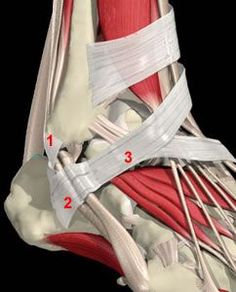
Ph.D. in Medical Anatomy
The average time to earn a Ph.D. i.e., doctoral degree,in medical anatomy is 4-6 years. With a focus on medical applications, the curriculum emphasizes the advanced study of the human bo...
Ph.D. in Medical Anatomy
×The average time to earn a Ph.D. i.e., doctoral degree,in medical anatomy is 4-6 years. With a focus on medical applications, the curriculum emphasizes the advanced study of the human body's structure and function. Gross anatomy, histology, embryology, and neuroanatomy are among the subjects covered in the coursework. In order to contribute something new to the area, students also carry out original research and finish a dissertation. Alumni of this degree frequently go on to work in specialized healthcare positions requiring in-depth anatomical knowledge, academia, or medical research.

Ph.D. in Hospital Administration
Advanced training in healthcare management, policy, and administration is offered via a 4-5 year Ph.D. degree in Hospital Administration. Organizational behavior, quality improvement, strategi...
Ph.D. in Hospital Administration
×Advanced training in healthcare management, policy, and administration is offered via a 4-5 year Ph.D. degree in Hospital Administration. Organizational behavior, quality improvement, strategic planning, and healthcare economics are among the subjects covered in the curriculum. In addition, learners finish a dissertation and carry out unique research. Graduates frequently go on to hold executive positions in government organizations, healthcare systems, hospitals, or consulting firms, where they use their knowledge to enhance patient outcomes and streamline healthcare operations.

Ph.D. in Computer Application
Advanced computer science research, software development, and computing technology applications are the main topics of a Ph.D. in Computer Applications, which normally takes 3-5years to finish. Art...
Ph.D. in Computer Application
×Advanced computer science research, software development, and computing technology applications are the main topics of a Ph.D. in Computer Applications, which normally takes 3-5years to finish. Artificial intelligence, machine learning, data science, computer networks, and human-computer interaction are among the topics covered in the program's coursework. A dissertation that adds to the field's body of knowledge follows. Students investigate novel approaches to practical issues in areas like computational theory, algorithm creation, and system optimization. A solid foundation in computer science or a comparable discipline is typically required for admission. Graduates work in high-level positions in the tech sector, research institutes, or academia.
Ph.D. in Chemical Engineering
A Ph.D. in Chemical Engineering is a research-oriented program that focuses on using chemical principles to design, develop, and optimize chemical, material, and energy-based processes. The program...
Ph.D. in Chemical Engineering
×A Ph.D. in Chemical Engineering is a research-oriented program that focuses on using chemical principles to design, develop, and optimize chemical, material, and energy-based processes. The program typically lasts 3-5 years and covers topics like as thermodynamics, fluid mechanics, process control, reaction engineering, materials science, and nanotechnology. Students perform original research to address complicated engineering issues, improve industrial processes, and create new materials or energy solutions. The curriculum covers advanced chemical engineering topics, research methodology, and culminates in a dissertation. Graduates frequently pursue positions in academia, research institutions, or sectors including pharmaceuticals, petrochemicals, energy, and manufacturing.

Ph.D. in Electronics Engineering
Ph.D. in Electronics Engineering is a research-oriented program that covers advanced themes in the design, development, and application of electronic systems and devices. The program typically last...
Ph.D. in Electronics Engineering
×Ph.D. in Electronics Engineering is a research-oriented program that covers advanced themes in the design, development, and application of electronic systems and devices. The program typically lasts 3 to 5 years and covers topics such as semiconductor technology, signal processing, communications systems, microelectronics, control systems, embedded systems, and nanotechnology. Students do original research to tackle hard technical challenges, create new technologies, and improve current electronic systems. The curriculum involves advanced coursework and research technique, culminating in a dissertation based on original research. Graduates frequently pursue positions in academia, research organizations, or sectors including telecommunications, electronics manufacturing, and technology development.

Ph.D. in Obstetrics & Gynaecology
Ph.D. in Obstetrics & Gynaecology is a research-based program that aims to further knowledge of women's health, including pregnancy, delivery, and reproductive system problems. The program...
Ph.D. in Obstetrics & Gynaecology
×Ph.D. in Obstetrics & Gynaecology is a research-based program that aims to further knowledge of women's health, including pregnancy, delivery, and reproductive system problems. The program typically lasts 3 to 5 years and covers topics such as maternal-fetal medicine, reproductive endocrinology, gynecological oncology, fertility treatments, and obstetric problems. Students conduct clinical and laboratory-based research to improve healthcare practices, create new medicines, and address issues in women's health. The program includes medical science courses, research methodology, and a dissertation based on unique research. Graduates frequently pursue professions in academic research, healthcare facilities, and medical practice.

Ph.D. in Pharmacology
Ph.D. in Pharmacology is a research-based program that investigates pharmaceuticals, their effects on the human body, and therapeutic possibilities. The program typically lasts 3-5 years and c...
Ph.D. in Pharmacology
×Ph.D. in Pharmacology is a research-based program that investigates pharmaceuticals, their effects on the human body, and therapeutic possibilities. The program typically lasts 3-5 years and covers topics such as drug mechanisms, toxicology, pharmacokinetics, pharmacodynamics, and drug development. Students perform unique research to examine how medications interact with biological systems, focusing on the molecular and physiological impacts of diverse substances. The program comprises courses in biochemistry, physiology, and drug chemistry, as well as research methodology and a dissertation. Graduates frequently pursue positions in academic research, the pharmaceutical sector, regulatory agencies, and healthcare.

Ph.D. in Psychiatry
Ph.D. in Psychiatry is a research-intensive program that focuses on the scientific study of mental health disorders, their causes, and treatments. Typically lasting 3 to 5 years, the program covers...
Ph.D. in Psychiatry
×Ph.D. in Psychiatry is a research-intensive program that focuses on the scientific study of mental health disorders, their causes, and treatments. Typically lasting 3 to 5 years, the program covers topics such as neurobiology, psychopharmacology, clinical psychology, mental health assessment, and therapeutic interventions. Students engage in research to explore the biological, psychological, and social factors influencing mental illness, as well as the development of innovative treatments. The program includes coursework, research methodology, clinical training, and culminates in a dissertation. Graduates often pursue careers in academic research, clinical practice, or psychiatric healthcare institutions, contributing to the advancement of mental health care.

Ph.D. in Surgery
Ph.D. in Surgery is a research-intensive program that seeks to advance knowledge of surgical procedures, techniques, and innovations. Typically lasting 3 to 5 years, the curriculum entails extensiv...
Ph.D. in Surgery
×Ph.D. in Surgery is a research-intensive program that seeks to advance knowledge of surgical procedures, techniques, and innovations. Typically lasting 3 to 5 years, the curriculum entails extensive research in fields like as surgical anatomy, surgical pathology, minimally invasive surgery, transplant surgery, and the creation of novel medical technology. Students do both laboratory and clinical research to investigate surgery results, novel treatment options, and healthcare systems. The program culminates with a dissertation that advances surgical knowledge. Graduates frequently seek professions in academic research, teaching, surgical practice, and healthcare innovation.

Ph.D. in Community Medicine
Ph.D. in Community Medicine is a research-based program that provides students with advanced knowledge of public health, epidemiology, and social medicine. The program, which usually lasts 3 to 5 y...
Ph.D. in Community Medicine
×Ph.D. in Community Medicine is a research-based program that provides students with advanced knowledge of public health, epidemiology, and social medicine. The program, which usually lasts 3 to 5 years, covers topics like health policy, preventive medicine, global health, healthcare management, and environmental health. Students do both academic coursework and practical research, with the goal of improving community health outcomes. The dissertation is an important component of the program, as it addresses real-world public health challenges. Graduates frequently pursue positions in academia, healthcare leadership, government or non-government organizations, and public health research.
Ph.D. in Nanotechnology
Ph.D. in Nanotechnology is a graduate research program that focuses on the study and application of nanomaterials and nanoscale processes. The program, which typically lasts 3-5 years, combines phy...
Ph.D. in Nanotechnology
×Ph.D. in Nanotechnology is a graduate research program that focuses on the study and application of nanomaterials and nanoscale processes. The program, which typically lasts 3-5 years, combines physics, chemistry, biology, and engineering to investigate the unique features of nanomaterials. Students do original research on issues such as nanomaterials production, nanofabrication techniques, nanomedicine, nanoelectronics, energy storage, and environmental applications. The program frequently includes a combination of experimental laboratory work, computational modeling, and interdisciplinary research. Graduates of this degree may pursue professions in academia, research institutes, pharmaceutical and biotech businesses, electronics, renewable energy, or materials science. Admission usually requires a Master's degree in physics, chemistry, materials science, or a related discipline, with a solid background in nanotechnology principles and research methodologies.

Ph.D. in Pharmaceutical Chemistry
Ph.D. in Pharmaceutical Chemistry is a specialized study degree that studies the design, synthesis, and analysis of chemical substances used in medications. The curriculum typically lasts 3-5 years...
Ph.D. in Pharmaceutical Chemistry
×Ph.D. in Pharmaceutical Chemistry is a specialized study degree that studies the design, synthesis, and analysis of chemical substances used in medications. The curriculum typically lasts 3-5 years and covers medicinal chemistry, drug development, pharmacokinetics, drug delivery systems, bioorganic chemistry, and pharmaceutical analysis. Students conduct unique research to create new therapeutic agents, investigate the molecular interactions of pharmaceuticals and biological systems, and enhance drug formulation procedures. The program frequently employs both laboratory-based investigations and computational tools to generate and test prospective medication candidates. Graduates of this school often work in academia, the pharmaceutical and biotechnology sectors, regulatory bodies, or drug research businesses. Admission normally requires a Master's degree in chemistry, pharmaceutical sciences, or a similar discipline, with strong laboratory skills,research, and analytical skills.

Ph.D. in Public Health
Ph.D. in Public Health is an advanced research degree focused on developing expertise in public health practices, epidemiology, and health policy. Typically completed in 3 - 5 years, the program co...
Ph.D. in Public Health
×Ph.D. in Public Health is an advanced research degree focused on developing expertise in public health practices, epidemiology, and health policy. Typically completed in 3 - 5 years, the program combines rigorous coursework with original research, allowing candidates to specialize in areas like epidemiology, health systems, global health, or biostatistics. Students are trained in advanced methodologies for assessing health outcomes, managing public health initiatives, and addressing health disparities. Graduates are prepared for careers in academia, research institutions, government health agencies, or NGOs, where they can influence health policy, lead public health programs, and conduct impactful research.

Ph.D. in Audiology & Speech Language Pathology
Ph.D. in Audiology & Speech Language Pathology is an advanced research-focused degree typically lasting 4-6 years. This program combines an in-depth study of communication disorders with rigoro...
Ph.D. in Audiology & Speech Language Pathology
×Ph.D. in Audiology & Speech Language Pathology is an advanced research-focused degree typically lasting 4-6 years. This program combines an in-depth study of communication disorders with rigorous research methodology. Students explore areas such as speech production, language development, hearing science, and swallowing disorders. The curriculum includes advanced coursework, clinical practica, and original research culminating in a dissertation. Graduates are prepared for careers in academia, research institutions, or high-level clinical positions. This degree often requires a master's in a related field for admission and may offer specializations in areas like neuroscience of communication or bilingual language disorders.

Ph.D. in Medical and Health Science
Ph.D. in Medical and Health Science is a research-intensive program that typically spans 3-5 years, focusing on advancing knowledge in medical sciences, healthcare delivery, and public health. This...
Ph.D. in Medical and Health Science
×Ph.D. in Medical and Health Science is a research-intensive program that typically spans 3-5 years, focusing on advancing knowledge in medical sciences, healthcare delivery, and public health. This program emphasizes original research, often involving clinical or biomedical studies, public health analysis, or healthcare policy development. Students work under faculty mentorship, gaining expertise in research methodologies, critical analysis, and scientific writing. Ph.D. candidates often specialize in areas such as epidemiology, molecular medicine, or health systems management. Graduates contribute to academia, healthcare research institutions, or governmental health agencies, helping to improve health outcomes through innovative solutions and evidence-based practices.

Ph.D. in Computer Engineering and Networking
Ph.D. in Computer Engineering and Networking is an advanced research degree that focuses on computer systems, network topologies, cybersecurity, and emerging technologies like cloud computing and I...
Ph.D. in Computer Engineering and Networking
×Ph.D. in Computer Engineering and Networking is an advanced research degree that focuses on computer systems, network topologies, cybersecurity, and emerging technologies like cloud computing and IoT. The curriculum typically lasts 3-5 years with challenging coursework, extensive exams, and an original research dissertation. Candidates study about network protocols, wireless communications, distributed systems, and machine learning applications in networking. Graduates are equipped to work in academia, research institutions, or industries that focus on innovation and technology. The program demands a master's degree in a comparable discipline, good analytical skills, and a desire to advance the field via effective research.

Ph.D. in Orthopaedics
Ph.D. in Orthopaedics is a specialized research degree focused on the study of musculoskeletal health, injury treatment, and orthopedic advancements. Typically completed in 3 to 5 years, this...
Ph.D. in Orthopaedics
×Ph.D. in Orthopaedics is a specialized research degree focused on the study of musculoskeletal health, injury treatment, and orthopedic advancements. Typically completed in 3 to 5 years, this program provides in-depth training in biomechanics, regenerative medicine, surgical techniques, and rehabilitation. Candidates undertake rigorous research, often working on projects to develop innovative treatments, improve surgical outcomes, and advance prosthetic and implant technologies. Graduates are equipped for careers in academic research, clinical development, and orthopedic innovation, aiming to improve patient mobility, reduce recovery times, and enhance the effectiveness of treatments for bone, joint, and muscle disorders.
4o

Ph.D. in General Medicine
Ph.D. in General Medicine is an advanced research degree that focuses on discovering and expanding knowledge in internal medicine, diagnostics, and patient care for a variety of medical disorders....
Ph.D. in General Medicine
×Ph.D. in General Medicine is an advanced research degree that focuses on discovering and expanding knowledge in internal medicine, diagnostics, and patient care for a variety of medical disorders. The curriculum typically lasts 3-5 years and includes extensive training in research methodology, clinical trials, and in-depth study of fields such as cardiology, endocrinology, infectious diseases, and others. Students perform original research, which frequently seeks to improve diagnostic tools, treatment regimens, and healthcare outcomes. Graduates are well-prepared to work in academic research, clinical practice development, and healthcare leadership, helping to promote medical knowledge and patient-centered treatment.

Ph.D. in Dravyaguna
Ph.D. in Dravyaguna studies the qualities, uses, and therapeutic applications of Ayurvedic medicinal plants and substances. Dravyaguna, a central branch of Ayurvedic medicine, focuses on the identi...
Ph.D. in Dravyaguna
×Ph.D. in Dravyaguna studies the qualities, uses, and therapeutic applications of Ayurvedic medicinal plants and substances. Dravyaguna, a central branch of Ayurvedic medicine, focuses on the identification, classification, and therapeutic characteristics of herbs, minerals, and other natural substances utilized in therapies. The program, which typically lasts 3-5 years, includes courses in Ayurvedic pharmacology, botany, biochemistry, and pharmacognosy as well as significant research. Students investigate the therapeutic actions of plant-based medications, their pharmacological features, and their application in modern medicine. Graduates are equipped for positions in academia, Ayurvedic research, the herbal pharmaceutical industry, and healthcare, all of which help to promote traditional medicine and validate it scientifically.
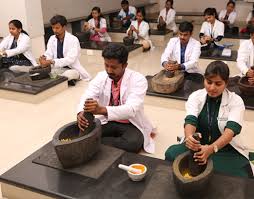
Ph.D. in Rasashastra and Bhaishajya Kalpana
Ph.D. in Rasashastra and Bhaishajya Kalpana focuses on the study of botanical, mineral, and metallic compounds utilized in traditional medicine, as well as historic Ayurvedic medicinal formul...
Ph.D. in Rasashastra and Bhaishajya Kalpana
× Ph.D. in Rasashastra and Bhaishajya Kalpana focuses on the study of botanical, mineral, and metallic compounds utilized in traditional medicine, as well as historic Ayurvedic medicinal formulation procedures. Rasashastra is concerned with the preparation, purification, and therapeutic application of minerals and metals, whereas Bhaishajya Kalpana is concerned with the formulation and manufacture of medicinal items. The program, which typically lasts 3-5 years, integrates courses in Ayurvedic pharmacology, chemistry, and traditional medicine with intensive research. Students study the synthesis of Ayurvedic medicines, quality control, and their therapeutic applications. Graduates are equipped for positions in academia, Ayurvedic research, pharmaceutical firms, or healthcare, all of which aim to advance traditional medicine and integrate it with current scientific procedures.

Ph.D. in Prosthodontics and Crown and Bridge
PhD in Prosthodontics and Crown and Bridge focuses on the restoration and replacement of teeth using modern dental prosthetics such as crowns, bridges, dentures, and implants. The program, wh...
Ph.D. in Prosthodontics and Crown and Bridge
×PhD in Prosthodontics and Crown and Bridge focuses on the restoration and replacement of teeth using modern dental prosthetics such as crowns, bridges, dentures, and implants. The program, which typically lasts 3 to 5 years, includes instruction in dental materials, occlusion, biomaterials, and clinical procedures as well as intensive restorative dentistry research. Students learn about the design and production of fixed and detachable prostheses, implantology, and advances in prosthetic technology. Graduates are prepared to work in academia, clinical practice, and research, helping to promote prosthodontic practices, improve patient outcomes, and create new materials and technology for dental restoration.

Ph.D. in Oral Medicine and Radiology
Ph.D. in Oral Medicine and Radiology focuses on the diagnosis and treatment of oral disorders, with a particular emphasis on the use of radiographic techniques for diagnosis and planning. The...
Ph.D. in Oral Medicine and Radiology
× Ph.D. in Oral Medicine and Radiology focuses on the diagnosis and treatment of oral disorders, with a particular emphasis on the use of radiographic techniques for diagnosis and planning. The program typically lasts 3 to 5 years and includes courses in oral pathology, radiographic imaging, clinical medicine, and diagnostic procedures, as well as original research. Students learn about medical picture interpretation, modern diagnostic tools, and how to address problems such as oral cancer, TMJ disorders, and systemic diseases with oral symptoms. Graduates are well-prepared for positions in academia, clinical practice, and research, where they can help enhance diagnostic imaging and oral healthcare.

Ph.D. in Dentofacial Orthopaedics
Ph.D. in Dentofacial Orthopaedics focuses on the diagnosis and treatment of malocclusions and skeletal abnormalities of the face and jaw. The program, which typically lasts 3-5 years, in...
Ph.D. in Dentofacial Orthopaedics
×Ph.D. in Dentofacial Orthopaedics focuses on the diagnosis and treatment of malocclusions and skeletal abnormalities of the face and jaw. The program, which typically lasts 3-5 years, integrates instruction in orthodontics, craniofacial growth, biomechanics, and surgical intervention with significant research. Students study jaw development, face growth patterns, skeletal abnormalities, and the combination of orthodontics and orthopaedic therapy. Graduates of the program are prepared for jobs in academia, research, or specialized clinical practice, where they will advance knowledge of facial anatomy, improve treatment approaches, and contribute to breakthroughs in the diagnosis and management of complicated dentofacial disorders.
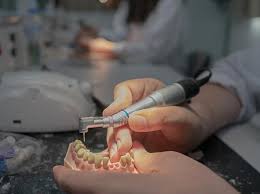
Ph.D. in Orthodontics
Ph.D. in Orthodontics is a research-intensive program that investigates the diagnosis, prevention, and treatment of dental and facial abnormalities. The program typically lasts 3 to 5 years a...
Ph.D. in Orthodontics
× Ph.D. in Orthodontics is a research-intensive program that investigates the diagnosis, prevention, and treatment of dental and facial abnormalities. The program typically lasts 3 to 5 years and includes courses in orthodontic theory, craniofacial development, biomechanics, and dental materials, as well as unique clinical and laboratory research. Students study growth trends, orthodontic appliances, craniofacial anomalies, and advances in digital orthodontics. Graduates are prepared for jobs in academia, research, or specialized orthodontic practice, where they can help to innovate treatment procedures, improve patient outcomes, and advance knowledge in orthodontics and dental care.

Ph.D. in Conservative Dentistry and Endodontics
Ph.D. in Conservative Dentistry and Endodontics is a highly specialized research degree that focuses on tooth preservation and restoration, as well as the diagnosis and treatment of dental pu...
Ph.D. in Conservative Dentistry and Endodontics
× Ph.D. in Conservative Dentistry and Endodontics is a highly specialized research degree that focuses on tooth preservation and restoration, as well as the diagnosis and treatment of dental pulp and root canal illnesses. The program typically lasts 3 to 5 years and includes instruction in dental materials, oral pathology, advanced endodontic procedures, and restorative dentistry, as well as original research. Students learn about tooth preservation techniques, root canal therapy advances, and the creation of novel materials and technologies in endodontics. Graduates are prepared to work in academia, clinical research, or specialty dentistry practice, helping to develop patient care and dental technologies.
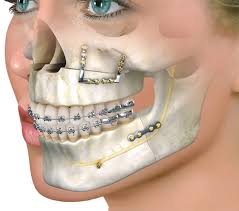
Ph.D. in Oral and Maxillofacial Surgery
Ph.D. in Oral and Maxillofacial Surgery focuses on sophisticated research and clinical skills in surgical procedures for the mouth, jaws, face, and neck. The program normally lasts 3-5 y...
Ph.D. in Oral and Maxillofacial Surgery
× Ph.D. in Oral and Maxillofacial Surgery focuses on sophisticated research and clinical skills in surgical procedures for the mouth, jaws, face, and neck. The program normally lasts 3-5 years and includes education in surgical methods, anatomy, pathology, and patient care, as well as hands-on clinical training. Students learn about complex topics such as craniofacial reconstruction, trauma management, dental implants, and oral cancer treatments. Innovative surgical approaches, pain treatment, and healing strategies may all be part of the research. Graduates have the opportunity to work in academic research, advanced clinical practice, or specialized surgical roles in hospitals and dental facilities.

Ph.D. in Pharmaceutical Biotechnology
A Ph.D. in Pharmaceutical Biotechnology is a research-oriented degree that combines pharmaceutical sciences and biotechnology to create novel medications, treatments, and diagnostic instruments. Th...
Ph.D. in Pharmaceutical Biotechnology
×A Ph.D. in Pharmaceutical Biotechnology is a research-oriented degree that combines pharmaceutical sciences and biotechnology to create novel medications, treatments, and diagnostic instruments. The program, which usually lasts 3-5 years, covers topics like genetic engineering, drug development, molecular biology, and biopharmaceutical manufacturing. Students carry out cutting-edge studies into the potential uses of therapeutic proteins, vaccines, and gene therapies in the treatment of illnesses. Graduates can work in academia, research facilities, or pharmaceutical corporations, advancing biotechnology in drug development, upgrading pharmaceutical manufacturing processes, and improving healthcare solutions.

Ph.D. in Kaumarbhritya
The Ayurvedic approach to child health, growth, and development is the main subject of a Ph.D. program in Kaumarbhritya (Pediatrics in Ayurveda). The program, which is usually finished in 3-5 ...
Ph.D. in Kaumarbhritya
×The Ayurvedic approach to child health, growth, and development is the main subject of a Ph.D. program in Kaumarbhritya (Pediatrics in Ayurveda). The program, which is usually finished in 3-5 years, covers a thorough examination of pediatric diseases, vaccinations, nutrition, and the use of Ayurvedic medicine to treat childhood illnesses. Ayurvedic treatments, herbal remedies, and lifestyle choices for newborns, kids, and teenagers are all covered in the research. By fusing traditional Ayurvedic knowledge with contemporary pediatric care to improve children's health and well-being, graduates are equipped for careers as Ayurvedic physicians, researchers, or educators, furthering the discipline.

Ph.D. in Kaya Chikitsa
Internal medicine from an Ayurvedic perspective is the focus of a Ph.D. program in Kaya Chikitsa (Ayurvedic General Medicine). It entails extensive study of disease diagnosis, therapy, and manageme...
Ph.D. in Kaya Chikitsa
×Internal medicine from an Ayurvedic perspective is the focus of a Ph.D. program in Kaya Chikitsa (Ayurvedic General Medicine). It entails extensive study of disease diagnosis, therapy, and management with an emphasis on disorders affecting different body systems and lasts for roughly 3-5 years. Research on Ayurvedic treatment approaches, such as herbal medication, food, and lifestyle changes based on individual doshas (body types), is a major focus of the program. Graduates acquire proficiency in providing holistic therapy to address chronic conditions and promote wellness. Opportunities for employment include positions as researchers, educators, and Ayurvedic practitioners who use evidence-based Ayurvedic treatments to support integrative healthcare.

Ph.D. in Kriya Shareera
Understanding the human body's processes and functions in accordance with Ayurvedic principles is the main goal of a Ph.D. program in Kriya Shareera (Ayurvedic Physiology). This program, which...
Ph.D. in Kriya Shareera
×Understanding the human body's processes and functions in accordance with Ayurvedic principles is the main goal of a Ph.D. program in Kriya Shareera (Ayurvedic Physiology). This program, which usually lasts 3-5 years, examines ideas such dosha, dhatu, and mala (body humors, tissues, and waste products) and how they contribute to health maintenance. Students do study on the physiological facets of Ayurveda, such as metabolism, digestion, and how lifestyle choices affect physiological processes. Graduates are equipped to work as researchers, teachers, or Ayurvedic practitioners, furthering our knowledge of Ayurvedic physiology in integrative and holistic medicine.
Ph.D. in Panchakarma
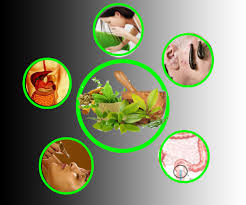
The advanced doctoral degree known as a Ph.D. in Panchakarma focuses on the five main cleansing techniques that are part of the Ayurvedic detoxification and rejuvenation treatments known as Panchak...
Ph.D. in Panchakarma
×The advanced doctoral degree known as a Ph.D. in Panchakarma focuses on the five main cleansing techniques that are part of the Ayurvedic detoxification and rejuvenation treatments known as Panchakarma. The program, which lasts roughly 3-5 years, includes a thorough examination of detoxification procedures, dosha balancing, and customized therapies including Raktamokshana (bloodletting), Basti (enema), Nasya (nasal therapy), Virechana (purgation), and Vamana (emesis). Research into the therapeutic advantages, novel procedures, and impacts of Panchakarma on a range of medical diseases is conducted by candidates. Graduates frequently support Ayurvedic wellness practices in integrated medicine and healthcare as Ayurvedic doctors, researchers, or educators.

Ph.D. in Prasuti Tantra and Stree Roga
Women's health, reproductive care, pregnancy, and childbirth from an Ayurvedic perspective are the main topics of a Ph.D. program in Prasuti Tantra and Stree Roga (Ayurvedic Obstetrics and Gyne...
Ph.D. in Prasuti Tantra and Stree Roga
×Women's health, reproductive care, pregnancy, and childbirth from an Ayurvedic perspective are the main topics of a Ph.D. program in Prasuti Tantra and Stree Roga (Ayurvedic Obstetrics and Gynecology). The program, which usually lasts 3-5 years, covers gynecological problems, pregnancy care, Ayurvedic fertility and maternal health treatments, and a thorough study of female anatomy. Traditional medicines, prenatal and postnatal care, and holistic approaches to female health are all included in the research. Graduates are equipped to work as Ayurvedic professionals, researchers, or instructors, promoting Ayurvedic methods in obstetrics and women's health and furthering integrative healthcare.

Ph.D. in Shalakya Tantra
A Ph.D. program in Shalakya Tantra (Ayurvedic Ophthalmology and ENT) is a cutting-edge research program that uses Ayurvedic principles to diagnose and treat conditions affecting the eyes, ears, nos...
Ph.D. in Shalakya Tantra
×A Ph.D. program in Shalakya Tantra (Ayurvedic Ophthalmology and ENT) is a cutting-edge research program that uses Ayurvedic principles to diagnose and treat conditions affecting the eyes, ears, nose, throat, and head. This PhD program, which lasts 3-5 years, combines practical training in therapies like Nasya (nasal therapy) and Netra Tarpana (eye rejuvenation) with an in-depth study of old Ayurvedic texts. Integrative medicine benefits from research that focuses on conventional diagnostic techniques and Ayurvedic therapies for sensory organs. Graduates can work as academics, researchers, or Ayurvedic specialists, expanding the application of Shalakya Tantra in holistic medicine.

Ph.D. in Shalya Tantra
Ph.D. in Shalya Tantra (Ayurvedic Surgery) is a specialized doctoral program that blends traditional knowledge with contemporary surgical methods, emphasizing Ayurvedic surgical techniques an...
Ph.D. in Shalya Tantra
×Ph.D. in Shalya Tantra (Ayurvedic Surgery) is a specialized doctoral program that blends traditional knowledge with contemporary surgical methods, emphasizing Ayurvedic surgical techniques and procedures. According to Ayurvedic writings, the program, which usually lasts 3-5 years, entails a thorough study of surgical ideas, diagnostic techniques, treatment protocols, and post-surgical care. Candidates get practical experience with both conventional and non-surgical treatments, such as Kshar Sutra (alkaline thread therapy) and Agnikarma (thermal cautery). Graduates can contribute to the development of Ayurvedic medicine and its incorporation into contemporary healthcare procedures by working as Ayurvedic surgeons, researchers, or lecturers.
Ph.D. in Sharir Rachna
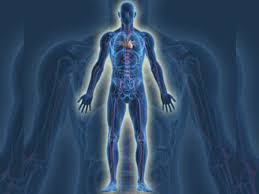
Advanced study of human body systems and structures are the main subject of Ph.D. program in Sharir Rachna (Human Anatomy), which is a research-intensive curriculum. This 3-5 year doctoral pr...
Ph.D. in Sharir Rachna
×Advanced study of human body systems and structures are the main subject of Ph.D. program in Sharir Rachna (Human Anatomy), which is a research-intensive curriculum. This 3-5 year doctoral program includes training in anatomy, histology, neuroanatomy, and physiology in addition to a significant amount of laboratory and research work. Through dissection, imaging, and molecular biology, candidates develop their skills in anatomical analysis, advancing medical research. Graduates are well-suited for jobs in academia, research facilities, or the biomedical sector, where they can promote improvements in anatomical education and health sciences by serving as professors of anatomy, medical researchers, or consultants.

Ph.D. in Swastha Vritta
Ph.D. in Swastha Vritta emphasizes wellness, lifestyle management, and preventive healthcare with an Ayurvedic foundation. Usually lasting 3-5 years, this PhD program blends rigorous research...
Ph.D. in Swastha Vritta
×Ph.D. in Swastha Vritta emphasizes wellness, lifestyle management, and preventive healthcare with an Ayurvedic foundation. Usually lasting 3-5 years, this PhD program blends rigorous research with real-world applications in enhancing health through detoxification, food, exercise, and mental well-being. Students study how lifestyle decisions affect general health by delving into Ayurvedic scriptures, contemporary health science, and integrative medicine. Graduates of the program are equipped to work in the wellness, research, and public health sectors. In order to solve global health issues, doctoral candidates frequently do novel research that connects traditional knowledge with modern medical procedures.

Ph.D. in Medical Pharmacology
The study of medications and how they affect biological systems is the main focus of Ph.D. in medical pharmacology, which normally takes 3-5 years to finish. Advanced courses on pharmaco...
Ph.D. in Medical Pharmacology
×The study of medications and how they affect biological systems is the main focus of Ph.D. in medical pharmacology, which normally takes 3-5 years to finish. Advanced courses on pharmacodynamics, pharmacokinetics, drug design, molecular pharmacology, and toxicology are also part of the program. Through laboratory research, students study medication processes, clinical uses, and disease treatment approaches. The curriculum is made to give students the tools they need to work in clinical, academic, or industrial research settings. Graduates frequently work at research institutes, pharmaceutical businesses, or healthcare settings, contributing to drug discovery, personalized medicine, and pharmacological breakthroughs.
Ph.D. in Optometry
A Ph.D. in Optometry is an advanced research-based program focusing on the scientific study of vision, ocular health, and visual disorders. The course typically spans 3-5 years and emphasizes resea...
Ph.D. in Optometry
×A Ph.D. in Optometry is an advanced research-based program focusing on the scientific study of vision, ocular health, and visual disorders. The course typically spans 3-5 years and emphasizes research in areas like ocular diseases, vision correction, refractive surgery, and public health optometry. Students engage in comprehensive research methodologies, clinical trials, and data analysis, contributing to the advancement of eye care. This program is ideal for individuals seeking careers in academia, clinical research, or advanced practice in optometry. Graduates often become leaders in optometric education, policy development, and innovations in eye health technology.

Ph.D. in Otorhinolaryngology
Ph.D. in Otorhinolaryngology (ENT) is a specialized research-focused program that typically lasts 3 -5 years, depending on the country and institution. It aims to deepen knowledge in areas such as...
Ph.D. in Otorhinolaryngology
×Ph.D. in Otorhinolaryngology (ENT) is a specialized research-focused program that typically lasts 3 -5 years, depending on the country and institution. It aims to deepen knowledge in areas such as hearing disorders, voice and speech issues, and diseases affecting the ears, nose, and throat. Students engage in advanced clinical research, exploring topics like surgical techniques, diagnostic methods, and treatment innovations. The program includes coursework in anatomy, pathology, and audiology, along with significant hands-on clinical training. Graduates contribute to advancements in medical treatments, therapies, and surgical interventions within the field of Otorhinolaryngology.

Ph.D. in Neonatology
Ph.D. in Neonatology is a specialized research-based program focused on the study of neonatal care, including the management of premature infants, birth defects, and developmental disorders. The co...
Ph.D. in Neonatology
×Ph.D. in Neonatology is a specialized research-based program focused on the study of neonatal care, including the management of premature infants, birth defects, and developmental disorders. The course typically spans 3 - 5 years, depending on the institution and research progress. It involves advanced coursework in neonatal physiology, pathophysiology, and critical care, combined with extensive research in areas like neonatal nutrition, respiratory disorders, and infection management. Students are trained in conducting independent research, publishing findings, and contributing to advancements in neonatal medicine. Graduates are prepared for academic, clinical, or research roles in healthcare institutions, universities, and medical organizations.
Ph.D. in Rheumatology
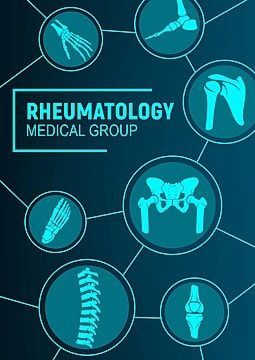
Ph.D. in Rheumatology focuses on advanced research in the diagnosis, treatment, and management of autoimmune and inflammatory diseases that affect the joints, muscles, and bones. This program typic...
Ph.D. in Rheumatology
×Ph.D. in Rheumatology focuses on advanced research in the diagnosis, treatment, and management of autoimmune and inflammatory diseases that affect the joints, muscles, and bones. This program typically spans 3 - 5 years and involves rigorous academic coursework, clinical training, and hands-on research in molecular biology, immunology, and disease pathophysiology. Students contribute to the development of new treatments and diagnostic techniques for conditions such as rheumatoid arthritis, lupus, and osteoarthritis. Graduates can pursue careers in academia, research institutes, or clinical practice, specializing in rheumatologic conditions and contributing to medical advancements in this field.
Ph.D. in Critical Care Medicine
Ph.D. in Critical Care Medicine is a research-focused program designed for healthcare professionals aiming to deepen their knowledge and expertise in intensive care, trauma, and life-support manage...
Ph.D. in Critical Care Medicine
×Ph.D. in Critical Care Medicine is a research-focused program designed for healthcare professionals aiming to deepen their knowledge and expertise in intensive care, trauma, and life-support management. This doctoral course typically spans 3 - 5 years, depending on the institution and the research progress. The program emphasizes advanced clinical research, patient care in critical conditions, and innovations in life-saving technologies. Students explore areas like respiratory failure, organ support, sepsis, and neurocritical care. Graduates are prepared for roles in academia, healthcare leadership, and specialized clinical research, contributing to the advancement of critical care practices and patient outcomes.

Ph.D. in Ayurved Samitha and Siddhant
Ph.D. in Ayurved Samitha and Siddhant focuses on the principles and foundational texts of Ayurveda, with a deep dive into the classical Ayurvedic scriptures. The program explores the philosophical...
Ph.D. in Ayurved Samitha and Siddhant
×Ph.D. in Ayurved Samitha and Siddhant focuses on the principles and foundational texts of Ayurveda, with a deep dive into the classical Ayurvedic scriptures. The program explores the philosophical concepts, diagnostic methods, treatment strategies, and therapeutic formulations outlined in these ancient texts. Students are expected to engage in research that bridges traditional knowledge with contemporary scientific understanding. Typically spanning 3-5 years, this doctoral program includes coursework, research work, and thesis submission. Candidates are trained to critically analyze Ayurvedic literature and contribute new insights to the field. The program is suited for those aiming for academic, clinical, or research careers in Ayurveda.

Ph.D. in Homoeopathic Repertory
Ph.D. in Homoeopathic Repertory focuses on advanced research in the field of homeopathy, specifically the study and application of homeopathic repertories, which are essential for selecting remedie...
Ph.D. in Homoeopathic Repertory
×Ph.D. in Homoeopathic Repertory focuses on advanced research in the field of homeopathy, specifically the study and application of homeopathic repertories, which are essential for selecting remedies based on symptoms. This course typically spans 3 -5 years and involves in-depth study of homeopathic philosophy, materia medica, and case-taking methods, alongside extensive research in repertory development and refinement. Candidates learn to analyze, interpret, and critique various repertories, developing new approaches to remedy selection. The program is designed for homeopathic practitioners, researchers, and educators aiming to contribute to the scientific advancement of homeopathy through evidence-based practices.

Ph.D. in Homoeopathic Pharmacy
The Homoeopathy University in Jaipur, India, offers a 3 - 6 year PhD degree in homeopathic pharmacy. A BHMS degree and an M.D. in homeopathy are prerequisites for eligibility, with a minimum s...
Ph.D. in Homoeopathic Pharmacy
×The Homoeopathy University in Jaipur, India, offers a 3 - 6 year PhD degree in homeopathic pharmacy. A BHMS degree and an M.D. in homeopathy are prerequisites for eligibility, with a minimum score of 50% for candidates who are SC, ST, OBC, or differently abled. 19 places in various specializations are available, and admission is determined by an entrance exam. The average yearly price of the program is 1,50,000 Indian rupees. To assist the Ph.D. scholars in their study, the institution hosts seminars with prominent homoeopathic professionals, administers a teaching hospital, and has research facilities.

Ph.D. in Quality Assurance Techniques
The Ph.D. in Quality Assurance Techniques is a 4 - 5 year full-time graduate program that offers sophisticated coursework in statistical process control, Six Sigma methodology, quality managem...
Ph.D. in Quality Assurance Techniques
×The Ph.D. in Quality Assurance Techniques is a 4 - 5 year full-time graduate program that offers sophisticated coursework in statistical process control, Six Sigma methodology, quality management principles, and applied research in quality management techniques spanning industries. It prepares graduates for leadership positions in quality engineering, management, and improvement of organizations through an original dissertation that contributes to the field's corpus of knowledge.

Ph.D. in Drug Regulatory Affairs
The legislative processes and standards for the creation, evaluation, and approval of pharmaceutical medications and medical items are the main focus of a Ph.D. program in drug regulatory affairs....
Ph.D. in Drug Regulatory Affairs
×The legislative processes and standards for the creation, evaluation, and approval of pharmaceutical medications and medical items are the main focus of a Ph.D. program in drug regulatory affairs. The curriculum, which is offered by universities like Temple University and the University of Southern California, usually takes 4 - 5 years to finish and covers subjects like global regulatory affairs, pharmacovigilance, quality assurance, and regulatory science. Graduates of these programs have the knowledge to hold senior roles in academia, government organizations, and the pharmaceutical sector, where they will be responsible for managing the strategic management and adherence to regulations of regulated products for a majority of their professional lives.

Ph.D. in Geo-Informatics
Usually taking 4 - 6 years to finish, a Ph.D. in Geo-Informatics is a research-focused degree. In order to build advanced abilities in geographic information systems (GIS), modeling, satellite...
Ph.D. in Geo-Informatics
×Usually taking 4 - 6 years to finish, a Ph.D. in Geo-Informatics is a research-focused degree. In order to build advanced abilities in geographic information systems (GIS), modeling, satellite imagery, and spatial data analysis, the curriculum integrates geography, information science, and technology. Spatial statistics, programming, cartography, and geospatial databases are among those that are addressed in the coursework. An unique research project that significantly advances the field of geo-informatics forms the basis of the degree. Graduates are equipped for positions working on complex spatial information problems in academia, government institutions, private businesses, and research groups.

Ph.D. in Biostatistics
The median length of time required to finish a Ph.D. in biostatistics is 4 - 6 years. It entails comprehensive training in the use of statistical techniques in biological and medical research....
Ph.D. in Biostatistics
×The median length of time required to finish a Ph.D. in biostatistics is 4 - 6 years. It entails comprehensive training in the use of statistical techniques in biological and medical research. Probability theory, statistical inference, survival analysis, and mathematical biology are among the subjects covered in the coursework. An independently conducted dissertation that significantly advances the subject of biostatistics is the program's capstone. Graduates are equipped for positions in government, business, academia, and research institutions where they use their knowledge to examine intricate biological mechanisms and contribute to medical assessment.