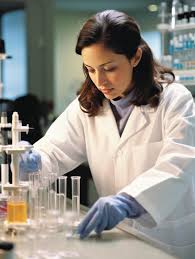
A Ph.D. in Biochemistry normally takes 4-6 years to complete, with a concentration on the chemical processes found within and related to living organisms. This advanced degree needs intensive laboratory research, data analysis, and the creation of a unique thesis. Students analyze molecular biology, enzymology, and cellular metabolism. The program often involves coursework, teaching assistantships, and the publication of research publications. Graduates have the ability to pursue careers in academia, pharmaceutical research, biotechnology, and allied fields. The doctoral program develops critical thinking, problem-solving abilities, and the ability to design and conduct autonomous research, resulting in important contributions to the field of biochemistry and related life sciences.
.jpg)
Bihar Animal Sciences University
Bihar Animal Sciences University Admission Open
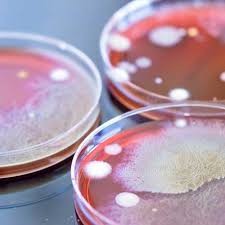
Ph.D. in Microbiology
Ph.D. in Microbiology usually takes 4-6 years to complete which involves extensive research on microorganisms, their interactions, and their impact on various ecosystems. The academic program inclu...
Ph.D. in Microbiology
×Ph.D. in Microbiology usually takes 4-6 years to complete which involves extensive research on microorganisms, their interactions, and their impact on various ecosystems. The academic program includes advanced coursework, laboratory research, and a dissertation. Students research bacterial genetics, virology, immunology, and microbial ecology. They acquire experts in cutting-edge procedures such as gene sequencing, bioinformatics, and microscopy. This degree prepares graduates for professions in academia, biotechnology, pharmaceuticals, and public health, granting them the skills they need to address global issues such as antibiotic resistance and new infectious diseases.

Ph.D. in Library & information Science
Ph.D. in Library & Information Science is a rigorous 4-5 year advanced research degree program that provides extensive training in information management theory, research techniques, and practi...
Ph.D. in Library & information Science
×Ph.D. in Library & Information Science is a rigorous 4-5 year advanced research degree program that provides extensive training in information management theory, research techniques, and practical applications, as well as knowledge organization and digitalization. The program includes in-depth study of topics including information retrieval, data analytics, user experience, and information policy. Independent research projects, scholarly publications, and collaborations with industry and academia help students develop expertise in identifying complex information-related challenges, designing innovative solutions, and contributing to knowledge advancement in the dynamic and interdisciplinary field of library and information science. Graduates of this program have the ability to work as information scientists, digital librarians, data curators, and faculty members at universities, research institutions, and leading information organizations.
Ph.D. in Toxicology
Ph.D. in Toxicology typically takes 3 - 5 years to complete and focuses on the study of harmful substances and their effects on living organisms. The program encompasses a range of disciplines, inc...
Ph.D. in Toxicology
×Ph.D. in Toxicology typically takes 3 - 5 years to complete and focuses on the study of harmful substances and their effects on living organisms. The program encompasses a range of disciplines, including biology, chemistry, pharmacology, and environmental science. Students engage in advanced coursework, and laboratory research, and often complete a dissertation based on original research in areas such as drug toxicity, environmental toxicology, or risk assessment. This degree prepares graduates for careers in academia, industry, regulatory agencies, or public health, where they contribute to understanding and mitigating the risks associated with toxic substances.

Ph.D. in Obstetrics & Gynaecology
Ph.D. in Obstetrics & Gynaecology is a research-based program that aims to further knowledge of women's health, including pregnancy, delivery, and reproductive system problems. The program...
Ph.D. in Obstetrics & Gynaecology
×Ph.D. in Obstetrics & Gynaecology is a research-based program that aims to further knowledge of women's health, including pregnancy, delivery, and reproductive system problems. The program typically lasts 3 to 5 years and covers topics such as maternal-fetal medicine, reproductive endocrinology, gynecological oncology, fertility treatments, and obstetric problems. Students conduct clinical and laboratory-based research to improve healthcare practices, create new medicines, and address issues in women's health. The program includes medical science courses, research methodology, and a dissertation based on unique research. Graduates frequently pursue professions in academic research, healthcare facilities, and medical practice.

Ph.D. in Pharmacology
Ph.D. in Pharmacology is a research-based program that investigates pharmaceuticals, their effects on the human body, and therapeutic possibilities. The program typically lasts 3-5 years and c...
Ph.D. in Pharmacology
×Ph.D. in Pharmacology is a research-based program that investigates pharmaceuticals, their effects on the human body, and therapeutic possibilities. The program typically lasts 3-5 years and covers topics such as drug mechanisms, toxicology, pharmacokinetics, pharmacodynamics, and drug development. Students perform unique research to examine how medications interact with biological systems, focusing on the molecular and physiological impacts of diverse substances. The program comprises courses in biochemistry, physiology, and drug chemistry, as well as research methodology and a dissertation. Graduates frequently pursue positions in academic research, the pharmaceutical sector, regulatory agencies, and healthcare.
Ph.D. in Animal Genetics And Breeding
Ph.D. in Animal Genetics and Breeding focuses on the use of genetic ideas and breeding techniques to improve the quality, productivity, and health of livestock and companion animals. The cour...
Ph.D. in Animal Genetics And Breeding
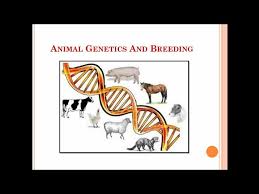
× Ph.D. in Animal Genetics and Breeding focuses on the use of genetic ideas and breeding techniques to improve the quality, productivity, and health of livestock and companion animals. The course of study, which typically lasts 3-5 years, integrates courses in molecular genetics, genomics, animal breeding tactics, and reproductive technology with original research. Students learn about genetic selection, gene mapping, heredity, and the role of genetics in illness resistance and performance attributes. Graduates are prepared to work in academia, research, breeding programs, or agricultural sectors, helping to enhance livestock improvement, conservation genetics, and the establishment of high-performance animal populations.
Ph.D. in Animal Nutrition
Ph.D. in Animal Nutrition investigates animal diets, digestive processes, and the impact of nutrients in growth, reproduction, and overall health. The program, which typically lasts 3-5 ...
Ph.D. in Animal Nutrition
×Ph.D. in Animal Nutrition investigates animal diets, digestive processes, and the impact of nutrients in growth, reproduction, and overall health. The program, which typically lasts 3-5 years, integrates training in biochemistry, physiology, feed composition, and metabolic studies with original research. Students investigate food metabolism, the effect of nutrition on animal performance, and the development of long-term and cost-effective feeding methods for varied species. Graduates are prepared to work in academia, research, the animal feed industry, or agricultural organizations, helping to improve animal health, productivity, and sustainable farming techniques.

Ph.D. in Livestock Products Technology
Ph.D. in Livestock Products Technology studies the science and technology that underpins the production, processing, and quality control of animal-based goods such as meat, milk, eggs, and le...
Ph.D. in Livestock Products Technology
× Ph.D. in Livestock Products Technology studies the science and technology that underpins the production, processing, and quality control of animal-based goods such as meat, milk, eggs, and leather. The program typically lasts 3 to 5 years and includes instruction in food science, biochemistry, microbiology, and animal husbandry as well as extensive research. Students learn about meat and dairy processing, food safety, quality assurance, and new ways to preserve and enhance livestock products. Graduates are prepared to work in academia, the food industry, government regulatory agencies, and research organizations, helping to promote food safety, sustainability, and the creation of new livestock-based products.
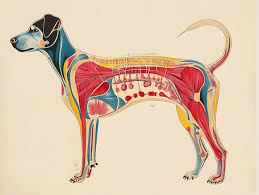
Ph.D. in Veterinary Anatomy
Ph.D. in Veterinary Anatomy studies the structure and function of animal organs, tissues, and systems, offering a thorough understanding of comparative anatomy, histology, and developmental biology...
Ph.D. in Veterinary Anatomy
×Ph.D. in Veterinary Anatomy studies the structure and function of animal organs, tissues, and systems, offering a thorough understanding of comparative anatomy, histology, and developmental biology. The degree typically lasts 3 to 5 years and includes courses in anatomy, physiology, embryology, and neuroanatomy as well as extensive research. Students study anatomical distinctions across species, organ system development, and the relationship between structure and function in veterinary medicine. Graduates are prepared to work in academia, research institutions, and veterinary practice, helping to advance surgical techniques, diagnostics, and the creation of new veterinary therapies and instructional approaches.

Ph.D. in Veterinary And Animal Husbandry Extension Education
Ph.D. in Veterinary and Animal Husbandry Extension Education aims to improve the spread of information and best practices in veterinary care and animal husbandry in rural communities. The curriculu...
Ph.D. in Veterinary And Animal Husbandry Extension Education
×Ph.D. in Veterinary and Animal Husbandry Extension Education aims to improve the spread of information and best practices in veterinary care and animal husbandry in rural communities. The curriculum, which typically lasts 3-5 years, integrates courses in extension techniques, agricultural education, veterinary sciences, and rural development with field research. Students learn about animal health management, livestock production methods, community engagement, and the role of extension services in increasing agricultural output. Graduates are prepared for positions in academia, government agencies, non-governmental organizations (NGOs), and rural development groups, where they can help develop and implement successful teaching programs to promote sustainable animal husbandry methods.
Ph.D. in Veterinary Physiology
Ph.D. in Veterinary Physiology studies physiological processes in animals, including as the function of organs, tissues, and biological systems. The program, which typically lasts 3-5 ye...
Ph.D. in Veterinary Physiology
× Ph.D. in Veterinary Physiology studies physiological processes in animals, including as the function of organs, tissues, and biological systems. The program, which typically lasts 3-5 years, integrates courses in anatomy, biochemistry, endocrinology, and molecular biology with extensive research. Students study cardiovascular physiology, respiratory systems, reproductive health, and metabolic regulation in veterinary species. Research may also include comparative physiology and the effects of environmental stressors on animal health. Graduates are prepared to work in academia, research institutions, or veterinary medicine, helping to promote animal health, disease prevention, and clinical treatments.

Ph.D. in Veterinary Public Health And Epidemiology
Ph.D. in Veterinary Public Health And Epidemiology, where we bridge the gap between formal education and practical skills acquisition...
Ph.D. in Dairy Microbiology
Ph.D. in Dairy Microbiology specializes in the study of microorganisms found in dairy products, particularly their function in fermentation, spoilage, and food safety. The program lasts 3 to 5 year...
Ph.D. in Dairy Microbiology
×Ph.D. in Dairy Microbiology specializes in the study of microorganisms found in dairy products, particularly their function in fermentation, spoilage, and food safety. The program lasts 3 to 5 years and includes instruction in microbiology, molecular biology, food safety, and biotechnology, as well as hands-on research. Students look into the microbiological elements of milk and dairy product production, quality control, and preservation methods. Key themes include bacterial cultures in cheese and yogurt, dairy diseases, and probiotic research. Graduates are prepared to work in academia, food industries, research organizations, and regulatory agencies, helping to advance dairy microbiology, food safety, and product development.
Ph.D. in Dairy Chemistry
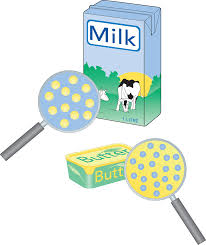
Ph.D. in Dairy Chemistry studies the chemical composition, characteristics, and processes of dairy products. The program typically lasts 3 to 5 years and includes advanced training in organic...
Ph.D. in Dairy Chemistry
×Ph.D. in Dairy Chemistry studies the chemical composition, characteristics, and processes of dairy products. The program typically lasts 3 to 5 years and includes advanced training in organic chemistry, analytical techniques, food science, and biochemistry, as well as original research. Students investigate the molecular structure of milk components, chemical reactions occurring during dairy processing, and how they affect product quality, flavor, and nutrition. Milk proteins, lipids, enzymes, and the chemistry of fermentation in dairy products such as cheese and yogurt are among the topics under investigation. Graduates are equipped for positions in academia, food industries, research institutes, and quality control, which advance breakthroughs in dairy product creation and processing.
Ph.D. in Dairy Technology
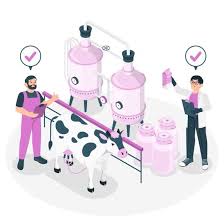
Ph.D. in Dairy Technology examines the scientific and technological aspects of milk and dairy product production, processing, and preservation. The program typically lasts 3 to 5 years and in...
Ph.D. in Dairy Technology
×Ph.D. in Dairy Technology examines the scientific and technological aspects of milk and dairy product production, processing, and preservation. The program typically lasts 3 to 5 years and includes instruction in food science, microbiology, biochemistry, and engineering as well as extensive research. Students learn about dairy fermentation, product development, quality control, and packaging and storage innovations. They also investigate the effects of dairy processing on nutritional value and safety. Graduates are prepared to work in academia, research institutes, dairy production firms, and the food industry, helping to promote dairy processing technology, product development, and dairy sector sustainability.
Ph.D. in Dairy Engineering
Ph.D. in Dairy Engineering is a doctoral research program that focuses on the application of engineering ideas to the dairy sector. The program normally lasts three to five years and includes...
Ph.D. in Dairy Engineering
×Ph.D. in Dairy Engineering is a doctoral research program that focuses on the application of engineering ideas to the dairy sector. The program normally lasts three to five years and includes classes in food processing, thermal systems, dairy equipment design, and automation. Students do research on enhancing dairy output, processing efficiency, quality control, and sustainability in dairy systems. Refrigeration, waste management, and the development of novel technology for milk preservation and product innovation are all possible topics. Graduates are prepared to work in academia, dairy engineering enterprises, and the food sector, helping to promote technology that improves dairy production and processing efficiency.
Ph.D. in Fisheries Science
The average time to finish a Ph.D. in Fisheries Science is 4 - 6 years. Advanced coursework in subjects including fish biology, aquaculture, fisheries management, and marine ecology is p...
Ph.D. in Fisheries Science
×The average time to finish a Ph.D. in Fisheries Science is 4 - 6 years. Advanced coursework in subjects including fish biology, aquaculture, fisheries management, and marine ecology is part of the program. To add new information to the topic, students often work with business or government organizations to conduct original research. Graduates are prepared to work as professors, researchers, or policy consultants, using their knowledge to support conservation, sustainable fisheries management, and the creation of revolutionary aquaculture technology.