Ph.D. in Economics takes approximately 4-6 years to complete, depending on the program and individual success. The degree requires advanced study of economic theory, quantitative methods, and specific subjects such as macroeconomics, microeconomics, econometrics, and development economics. Students complete demanding coursework, thorough tests, and original research, culminating in a PhD dissertation. This degree provides different career positions in academia, research institutes, government agencies, and the business sector that require advanced economic analysis. Data analysis, mathematical modeling, critical thinking, and the capacity to undertake independent study on complicated economic issues are all important abilities learned.
.jpg)
BML Munjal University
BML Munjal University Admission Open

Ph.D. in Supply Chain Management
PhD in Supply Chain Management normally takes 4-5 years to complete and is aimed for individuals who want to contribute advanced research to the area. This program aims to develop expertise in supp...
Ph.D. in Supply Chain Management
×PhD in Supply Chain Management normally takes 4-5 years to complete and is aimed for individuals who want to contribute advanced research to the area. This program aims to develop expertise in supply chain strategy, logistics, operations management, and data analytics. Students pursue tough courses, perform unique research, and finish a dissertation. International supply chain optimization, logistical sustainability, risk management, and future supply chain technologies such as blockchain and AI are all important topics of study. Graduates are prepared to pursue careers in academia, research organizations, or high-level roles in industry, where they may use their advanced expertise to address complex supply chain difficulties and promote innovation in the field.

Ph.D. in Human Resource Management
Ph.D. in Human Resource Management normally takes 3-5 years to complete, depending on the institution and whether the student studies full-time or part-time. This advanced degree focuses on the gro...
Ph.D. in Human Resource Management
×Ph.D. in Human Resource Management normally takes 3-5 years to complete, depending on the institution and whether the student studies full-time or part-time. This advanced degree focuses on the growth of expertise in human resource theory, research methodology, and human capital strategy. Students undergo difficult coursework on topics such as organizational behavior, labor relations, talent management, and HR analytics. The curriculum concludes with original research and a dissertation, which contributes new knowledge to the discipline. Graduates are suitable for high-level roles in academia, research institutions, or as human resource executives in large corporations. This degree prepares students to develop HR policy, lead corporate change, and tackle difficult workforce concerns in a global environment.

Ph.D. in Physics
Ph.D. in Physics generally requires 5-7 years to complete, and it comprises advanced coursework, independent research, and a doctorate dissertation. Students explore the fundamental concepts...
Ph.D. in Physics
×Ph.D. in Physics generally requires 5-7 years to complete, and it comprises advanced coursework, independent research, and a doctorate dissertation. Students explore the fundamental concepts of matter and energy, and often specialize in quantum mechanics, astrophysics, or particle physics. The program fosters critical thinking, problem-solving skills, and knowledge in experimental or theoretical physics. Graduates are prepared to work in academia, research institutions, or industry, contributing to innovative scientific discoveries and technical developments. This challenging degree requires dedication, intellectual curiosity, and the ability to push the limits of human knowledge of the physical cosmos.

Ph.D. in Bioinformatics
The Ph.D. in Bioinformatics is a 4-5 year advanced research-oriented program that offers comprehensive training in the interdisciplinary subject of computational biology. The program includes parts...
Ph.D. in Bioinformatics
×The Ph.D. in Bioinformatics is a 4-5 year advanced research-oriented program that offers comprehensive training in the interdisciplinary subject of computational biology. The program includes parts such as genomics, proteomics, systems biology, machine learning, and high-performance computing. Independent research projects, laboratory work, and collaborations with industry and academia help students acquire competence in building unique computer algorithms, developing advanced data analysis tools, and applying them to challenging biological challenges. Graduates of this program are trained to work as bioinformatics scientists, computational biology researchers, data scientists, and faculty members in universities and research institutions at the forefront of bioinformatics and computational life sciences.

Ph.D. in Mining Engineering
Ph.D. in Mining Engineering is an advanced research-focused degree designed to deepen expertise in mineral exploration, resource extraction, mine safety, and environmental impact. Typically spannin...
Ph.D. in Mining Engineering
×Ph.D. in Mining Engineering is an advanced research-focused degree designed to deepen expertise in mineral exploration, resource extraction, mine safety, and environmental impact. Typically spanning 3-5 years, this program combines rigorous coursework with intensive research, culminating in a dissertation. Candidates explore areas such as rock mechanics, mine ventilation, geostatistics, and sustainable mining practices, contributing original findings to the field. This degree prepares graduates for careers in academia, research institutions, or industry leadership roles, addressing complex engineering challenges and developing innovative solutions to improve mining efficiency and sustainability. A strong background in engineering or geology is generally required for admission.

Ph.D. in Artificial Intelligence
With an emphasis on cutting-edge research in machine learning, deep learning, natural language processing, computer vision, and robotics, a Ph.D. in Artificial Intelligence (AI) normally takes 4-6&...
Ph.D. in Artificial Intelligence
×With an emphasis on cutting-edge research in machine learning, deep learning, natural language processing, computer vision, and robotics, a Ph.D. in Artificial Intelligence (AI) normally takes 4-6 years to finish. The curriculum blends in-depth practical research with fundamental courses in AI theory, algorithms, and data science, allowing students to work on innovative projects and offer novel insights into the field. There is a thorough examination of subjects including neural networks, reinforcement learning, and ethical AI. A solid foundation in computer science, mathematics, or a similar discipline is typically required for admission. Graduates are equipped for jobs in research, academia, and executive roles in tech firms and AI-related sectors.
Ph.D. in Robotics Engineering
Advanced research in fields including robot design, artificial intelligence, machine learning, autonomous systems, and human-robot interaction is the main focus of a Ph.D. in robotics engineering,...
Ph.D. in Robotics Engineering
×Advanced research in fields including robot design, artificial intelligence, machine learning, autonomous systems, and human-robot interaction is the main focus of a Ph.D. in robotics engineering, which normally takes 4-6 years to finish. The program blends practical research in robotics applications across industries like manufacturing, healthcare, and aerospace with demanding coursework in robotics, control systems, and computer vision. As they work on cutting-edge technology and produce original research, students gain skill in both the theoretical and practical sides of robotics. A solid foundation in computer science, engineering, or a similar discipline is required for admission. Graduates work in high-tech enterprises, research institutes, and academia.
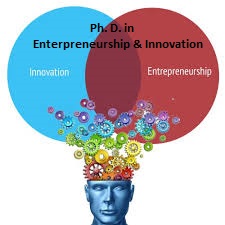
Ph.D. in Enterpreneurship & Innovation
With a focus on new venture formation, innovation management, and the theory and practice of entrepreneurship, a Ph.D. in Entrepreneurship and Innovation normally takes 4-6 years to finish. Th...
Ph.D. in Enterpreneurship & Innovation
×With a focus on new venture formation, innovation management, and the theory and practice of entrepreneurship, a Ph.D. in Entrepreneurship and Innovation normally takes 4-6 years to finish. The curriculum blends in-depth research that aids in the creation of new business models, technologies, and practices with coursework in entrepreneurial strategy, opportunity recognition, venture finance, and innovation processes. Both qualitative and quantitative research techniques are taught to the students. A background in business, economics, or a similar discipline is typically required for admission. Graduates work as consultants for new and existing businesses, in corporate innovation departments, in entrepreneurial endeavors, or in academia.

Ph.D. in Strategic Management
With a concentration on advanced research in corporate governance, innovation, mergers and acquisitions, competitive strategy, and global business strategy, a Ph.D. in strategic management normally...
Ph.D. in Strategic Management
×With a concentration on advanced research in corporate governance, innovation, mergers and acquisitions, competitive strategy, and global business strategy, a Ph.D. in strategic management normally takes 4-6 years to finish. The curriculum combines autonomous research leading to a dissertation with demanding coursework in economics, strategic theory, and research methodology. Students conduct critical analyses of how businesses create, apply, and maintain competitive advantages. Strong academic credentials in business, economics, or similar subjects are typically required for admission. Graduates are equipped for positions in research, senior management, strategic consultancy, academia, and big businesses, think tanks, and government agencies.

Ph.D. in Organizational Behaviour
A Ph.D. in Organizational Behavior, which focuses on advanced study into how people and groups act inside companies, normally takes 4-6 years to accomplish. Leadership, motivation, corporate c...
Ph.D. in Organizational Behaviour
×A Ph.D. in Organizational Behavior, which focuses on advanced study into how people and groups act inside companies, normally takes 4-6 years to accomplish. Leadership, motivation, corporate culture, decision-making, conflict resolution, and human resource management are among the topics covered in the curriculum. Students investigate subjects like workplace dynamics, employee performance, and organizational change using both qualitative and quantitative research approaches. A background in business, psychology, or similar disciplines is typically required for admission. Graduates are prepared for leadership roles in consulting, human resources, and organizational development across a range of sectors, as well as for jobs in academia or research.

Ph.D. in Marketing Management
With an emphasis on advanced research in fields like consumer behavior, brand management, digital marketing, marketing strategy, and marketing analytics, a Ph.D. in marketing management normally ta...
Ph.D. in Marketing Management
×With an emphasis on advanced research in fields like consumer behavior, brand management, digital marketing, marketing strategy, and marketing analytics, a Ph.D. in marketing management normally takes 4-6 years to finish. With a focus on doing unique research for the dissertation, the curriculum blends demanding courses in statistical analysis, marketing theory, and research methodology. Students contribute to the field's academic and practical expertise while critically interacting with today's marketing concerns. Strong backgrounds in business, marketing, or allied fields are typically required for admission, and graduates are equipped for positions in academia, research, consulting, and marketing leadership.
Ph.D. in Law & Governance
A Ph.D. in Law & Governance is a research-based program that investigates the relationship between legal systems, governance frameworks, and public policy. The program typically lasts 3-5 ...
Ph.D. in Law & Governance
×A Ph.D. in Law & Governance is a research-based program that investigates the relationship between legal systems, governance frameworks, and public policy. The program typically lasts 3-5 years and covers areas such as constitutional law, public administration, human rights, environmental law, and regulatory frameworks. Students do interdisciplinary research to examine governance issues such as accountability, transparency, and the rule of law in both national and international settings. In most cases, admission needs a Master's degree in law, political science, or a similar discipline. Graduates work in academia, public policy, legal consulting, government, or international organizations that focus on governance and legal change.

Ph.D. in Criminal Law
A Ph.D. in Criminal Law is a research-based program that examines criminal justice, legal frameworks, and sociopolitical dimensions of crime and punishment. The program typically lasts 3 to 5 years...
Ph.D. in Criminal Law
×A Ph.D. in Criminal Law is a research-based program that examines criminal justice, legal frameworks, and sociopolitical dimensions of crime and punishment. The program typically lasts 3 to 5 years and covers topics such as criminal culpability, sentence, criminal procedure, constitutional protections, and the rights of the accused. Students conduct innovative research on contemporary themes such as criminal justice reform, international criminal law, and the confluence of law and human rights. Admission often necessitates a Master's degree in law or a related subject. Graduates work in academics, law firms, government organizations, and international criminal tribunals.

Ph.D. in Constitutional Law
A Ph.D. in Constitutional Law is a research-oriented program that examines the principles, interpretation, and application of a country's constitution, with an emphasis on governance, fundament...
Ph.D. in Constitutional Law
×A Ph.D. in Constitutional Law is a research-oriented program that examines the principles, interpretation, and application of a country's constitution, with an emphasis on governance, fundamental rights, and legal frameworks. The program typically lasts 3-5 years and covers topics like as constitutional theory, judicial review, separation of powers, human rights, and federalism. Students perform original research to examine constitutional concerns, significant court decisions, and legal changes. Admission often necessitates a Master's degree in law or a related subject. Graduates go on to work in academia, legal practice, the judiciary, public policy, or government, where they help to shape and interpret constitutional law.

Ph.D. in Labor Law
A Ph.D. in Labor Law is a research-based program that examines the legal frameworks that govern labor relations, workers' rights, and employment laws. The program typically lasts 3 to 5 years a...
Ph.D. in Labor Law
×A Ph.D. in Labor Law is a research-based program that examines the legal frameworks that govern labor relations, workers' rights, and employment laws. The program typically lasts 3 to 5 years and covers topics like as collective bargaining, wage laws, workplace discrimination, health and safety rules, and the function of labor unions. Students do advanced research to address current labor concerns, such as the effect of globalization, automation, and changing work settings on labor law. Admission often necessitates a Master's degree in law or a related subject. Graduates pursue professions in education, law, government, labor advocacy, and business compliance.

Ph.D. in Industrial Laws
A Ph.D. in Industrial Laws is a research-focused program that examines the legal aspects of labor, employment, and industrial relations. The curriculum typically lasts 3 to 5 years and covers topic...
Ph.D. in Industrial Laws
×A Ph.D. in Industrial Laws is a research-focused program that examines the legal aspects of labor, employment, and industrial relations. The curriculum typically lasts 3 to 5 years and covers topics such as labor rights, trade unions, workplace regulations, dispute resolution, and occupational health and safety. Students do original research to study and address topics like as labor market policy, industrial conflicts, and the impact of globalization on labor laws. Admission often necessitates a Master's degree in law or a related subject. Graduates work in academics, law, corporate governance, and as policy advisors to labor organizations and government agencies.

Ph.D. in Human Rights
A Ph.D. in Human Rights is a research-based program that looks at the legal, political, and social aspects of human rights protection and advocacy. The program typically lasts 3-5 years and co...
Ph.D. in Human Rights
×A Ph.D. in Human Rights is a research-based program that looks at the legal, political, and social aspects of human rights protection and advocacy. The program typically lasts 3-5 years and covers themes such as international human rights legislation, humanitarian law, gender rights, social justice, and the importance of human rights in global government. Students conduct interdisciplinary research to address modern human rights concerns such as inequality, discrimination, and refugee rights. In most cases, admission needs a Master's degree in law, political science, or a similar discipline. Graduates go on to work in academia, non-governmental organizations (NGOs), international organizations, and government agencies focused on human rights advocacy and policy.

Ph.D. in Administrative Laws
A Ph.D. in Administrative Laws is a research-intensive degree that examines the legal frameworks that govern public administration, government agencies, and regulatory activities. The curriculum ty...
Ph.D. in Administrative Laws
×A Ph.D. in Administrative Laws is a research-intensive degree that examines the legal frameworks that govern public administration, government agencies, and regulatory activities. The curriculum typically lasts 3 to 5 years and covers themes such as administrative justice, public policy, governmental accountability, regulatory compliance, and legal reforms. Students do advanced study on the role of the law in public administration and governance, delving into topics such as legal transparency, public sector decision-making, and citizen rights. Admission often necessitates a Master's degree in law or a related subject. Graduates work in academia, government, legal consulting, or policy-making positions in public institutions.

Ph.D. in Nanomaterial Chemistry
A Ph.D. in Nanomaterial Chemistry is a research-oriented program that focuses on the design, synthesis, and characterisation of nanomaterials with distinct properties for use in a variety of sector...
Ph.D. in Nanomaterial Chemistry
×A Ph.D. in Nanomaterial Chemistry is a research-oriented program that focuses on the design, synthesis, and characterisation of nanomaterials with distinct properties for use in a variety of sectors, including electronics, energy, and medicine. This program typically lasts 3 to 5 years and covers advanced topics such as nanostructure production, surface chemistry, quantum mechanics, and nanomaterial characterization techniques. Students perform unique research to create new nanomaterials with increased functionality and investigate their potential applications in sensors, medication delivery, and renewable energy. In most cases, admission requires a M. Sc in Chemistry or a related subject. Graduates work in academia, research institutions, and enterprises that use sophisticated materials.
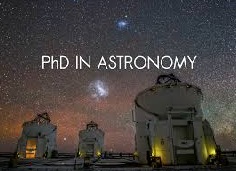
Ph.D. in Astrophysics
Studying celestial bodies, cosmic phenomena, and the fundamental physics of the cosmos is the focus of a Ph.D. program in astrophysics, which is research-oriented. The curriculum, which usually las...
Ph.D. in Astrophysics
×Studying celestial bodies, cosmic phenomena, and the fundamental physics of the cosmos is the focus of a Ph.D. program in astrophysics, which is research-oriented. The curriculum, which usually lasts 3-5 years, blends theoretical work with practical research in fields such as high-energy astrophysics, galaxy formation, black holes, cosmology, and stellar evolution. Students explore the basic forces of nature using sophisticated computational techniques, observatories, and simulations. A master's degree in physics or a similar discipline is often required for admission. Program graduates go on to work in academia, research facilities, and space organizations, furthering our knowledge of the cosmos overall.

Ph.D. in Material Science
The study of materials, including their characteristics, composition, and functionality, is the main focus of a research-driven Ph.D. program in material science. This program, which usually lasts...
Ph.D. in Material Science
×The study of materials, including their characteristics, composition, and functionality, is the main focus of a research-driven Ph.D. program in material science. This program, which usually lasts 3-5 years, covers subjects such advanced manufacturing techniques, semiconductors, polymers, nanomaterials, and biomaterials. Students investigate material behavior at the atomic and molecular level through theoretical and experimental study, with applications in engineering, electronics, and energy storage. A Master's degree in engineering, physics, or material science is typically required for admission. Graduates can pursue academic positions in material research and development or contribute to innovation in sectors including electronics, healthcare, and aerospace.

Ph.D. in Nuclear Physics
Atomic nuclei, nuclear processes, and the fundamental forces driving them are the subjects of a research-focused Ph.D. program in nuclear physics. This curriculum, which usually lasts 3-5 year...
Ph.D. in Nuclear Physics
×Atomic nuclei, nuclear processes, and the fundamental forces driving them are the subjects of a research-focused Ph.D. program in nuclear physics. This curriculum, which usually lasts 3-5 years, blends theoretical analysis with experimental study in fields like radiation, nuclear energy, particle physics, and nuclear structure. Students work on innovative projects that include high-energy physics, nuclear models, and applications in industry, energy, and medicine. A strong research proposal and a M. Sc in physics or a similar discipline are typically prerequisites for admission. Graduates go on to work in national laboratories, academia, or the nuclear technology, medical physics, and energy sectors.

Ph.D. in Laser Physics
The science and technology of lasers, including their creation, use, and interactions with matter, are examined in a research-heavy Ph.D. program in laser physics. The curriculum, which usually las...
Ph.D. in Laser Physics
×The science and technology of lasers, including their creation, use, and interactions with matter, are examined in a research-heavy Ph.D. program in laser physics. The curriculum, which usually lasts 3-5 years, blends theoretical research with hands-on experimental in fields like laser materials, nonlinear optics, quantum electronics, and laser optics. Students study sophisticated laser technologies such as fiber optics, ultrafast lasers, and spectroscopy, as well as fundamentals of light-matter interaction and laser systems. M. Sc( physics) or a similar discipline and a compelling research proposal are prerequisites for admission. Graduates are prepared for jobs in industry, academia, or high-tech research in areas such as materials science, medical devices, and telecommunications.

Ph.D. in Atomic and Molecular Physics
Studying atoms, molecules, and their interactions, as well as how they are used in disciplines like quantum mechanics, spectroscopy, and material science, is the main focus of a Ph.D. program in at...
Ph.D. in Atomic and Molecular Physics
×Studying atoms, molecules, and their interactions, as well as how they are used in disciplines like quantum mechanics, spectroscopy, and material science, is the main focus of a Ph.D. program in atomic and molecular physics. Depending on the status of the study, the program usually takes 3-5 years to finish. Students study subjects like atomic structure, laser-matter interactions, molecular dynamics, and quantum optics through sophisticated experimental and theoretical research. A master's degree in physics or a similar discipline is often required for admission. Graduates of this program are equipped for jobs in physics and related fields in academia, industry, and research.

Ph.D. in Applied Mathematics
Typically lasting 4-5 years, a Ph.D. program in applied mathematics focuses on applying sophisticated mathematical methods to address practical issues. This research-intensive degree blends or...
Ph.D. in Applied Mathematics
×Typically lasting 4-5 years, a Ph.D. program in applied mathematics focuses on applying sophisticated mathematical methods to address practical issues. This research-intensive degree blends original research with demanding training in subjects including mathematical modeling, differential equations, optimization, and numerical analysis. Students frequently work in interdisciplinary teams, bringing mathematical techniques to disciplines like as economics, biology, engineering, and physics.Graduates are ready for jobs in research institutes, academia, or sectors including data science, technology, and finance. The program places a strong emphasis on computational techniques, problem-solving abilities, and the capacity to convert difficult mathematical ideas into useful applications.
Ph.D. in Applied Physics
Ph.D. in Applied Physics is a research-intensive program that teaches the practical application of physics principles to real-world problems in a variety of sectors and scientific disciplines. The...
Ph.D. in Applied Physics
×Ph.D. in Applied Physics is a research-intensive program that teaches the practical application of physics principles to real-world problems in a variety of sectors and scientific disciplines. The program typically lasts three to five years and covers advanced topics like material science, optics, nanotechnology, condensed matter physics, computational physics, quantum mechanics, and energy systems. Students do original research to create new technologies, improve existing systems, and use theoretical physics to solve real problems in fields such as electronics, telecommunications, healthcare, and energy. The program covers advanced physics topics, research technique, and culminates in a dissertation. Graduates frequently pursue positions in academia, research organizations, technological development, or industry including electronics, aerospace, and energy.

Ph.D. in Commercial Law
Ph.D. in Commercial Law is a graduate research program that emphasizes the legal principles that govern business, trade, and commerce. The program typically lasts 3 to 5 years and covers contract l...
Ph.D. in Commercial Law
×Ph.D. in Commercial Law is a graduate research program that emphasizes the legal principles that govern business, trade, and commerce. The program typically lasts 3 to 5 years and covers contract law, corporate governance, international trade law, intellectual property, mergers and acquisitions, competition law, and dispute resolution. Students conduct in-depth research to learn how laws control commercial transactions, handle corporate ethics, and resolve marketplace issues. The curriculum consists of coursework in legal theory and research technique, culminating in a dissertation based on original research. Graduates frequently pursue positions in academia, business legal departments, law firms, and international organizations.

Ph.D. in Family Law
Ph.D. in Family Law is a research-based program that delves into the legal aspects of family relationships, such as marriage, divorce, child custody, adoption, and domestic abuse. The program typic...
Ph.D. in Family Law
×Ph.D. in Family Law is a research-based program that delves into the legal aspects of family relationships, such as marriage, divorce, child custody, adoption, and domestic abuse. The program typically lasts 3-5 years and covers legal theory, family policy, child welfare, property division, and international family law. Students do research to analyze legal frameworks, societal changes, and the effects of family law on persons and communities. The program includes law courses, legal research methodologies, and a dissertation based on original research. Graduates frequently pursue professions in academia, law practice, policy creation, or advocacy for family law concerns.
Ph.D. in High Energy Physics
Ph.D. in High Energy Physics is a specialized research program that investigates fundamental particles, forces, and the universe's underlying principles. The program typically lasts 3-6 ye...
Ph.D. in High Energy Physics
×Ph.D. in High Energy Physics is a specialized research program that investigates fundamental particles, forces, and the universe's underlying principles. The program typically lasts 3-6 years and includes advanced study in quantum mechanics, particle physics, relativity, and advanced mathematics. Students undertake experimental or theoretical research in fields such as particle accelerators, quantum field theory, and cosmology, frequently using large-scale experiments like those at CERN. The curriculum finishes with a dissertation based on original research. Graduates frequently pursue positions in academia, research institutions, or enterprises involving technology and innovation in scientific instrumentation.

Ph.D. in Information Systems and Operations Management
Ph.D. in Information Systems and Operations Management studies the interaction of technology, business processes, and organizational strategy. The program typically lasts 3-5 years and includes tra...
Ph.D. in Information Systems and Operations Management
×Ph.D. in Information Systems and Operations Management studies the interaction of technology, business processes, and organizational strategy. The program typically lasts 3-5 years and includes training in systems analysis, data management, business intelligence, supply chain optimization, and process improvement, as well as original research. Students investigate topics such as enterprise resource planning (ERP), decision support systems, IT strategy, and operational efficiency while building solutions to improve organizational performance. Graduates frequently seek positions in academia, research institutes, consulting, or corporate strategy, helping to promote technology management, operational efficiency, and digital transformation across industries.

Ph.D. in Machine Learning
Ph.D. in Machine Learning is a graduate research degree that focuses on creating algorithms and models that allow computers to learn from data and make predictions or judgments. The program, which...
Ph.D. in Machine Learning
×Ph.D. in Machine Learning is a graduate research degree that focuses on creating algorithms and models that allow computers to learn from data and make predictions or judgments. The program, which typically takes 3-5 years to finish, covers advanced mathematics, statistics, data mining, neural networks, and deep learning courses, as well as considerable research. Students work on projects involving supervised and unsupervised learning, reinforcement learning, and artificial intelligence applications. Graduates frequently work in academia, research labs, or technology firms, contributing to advances in artificial intelligence, data science, and automation in fields such as healthcare, finance, and robotics.
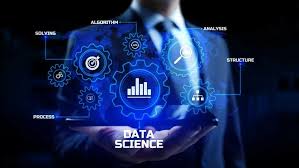
Ph.D. in Data Science
Ph.D. in Data Science is a graduate research degree that focuses on data analysis, machine learning, artificial intelligence, and statistical methods for solving challenging real-world problems. Th...
Ph.D. in Data Science
×Ph.D. in Data Science is a graduate research degree that focuses on data analysis, machine learning, artificial intelligence, and statistical methods for solving challenging real-world problems. The program typically lasts 3-5 years and includes training in big data, data mining, predictive analytics, and programming as well as hands-on research. Students gain skills in building algorithms, managing massive datasets, and implementing data-driven solutions in fields such as healthcare, finance, and technology. The curriculum finishes with a dissertation that contributes novel research to the field. Graduates frequently work in academia, research organizations, and industry, driving advances in data science and AI technology.

Ph.D. in Cyber Security
Ph.D. in Cyber Security is a graduate research degree with an emphasis on safeguarding digital infrastructure and information systems against threats. The curriculum, which typically takes 3-5 ...
Ph.D. in Cyber Security
×Ph.D. in Cyber Security is a graduate research degree with an emphasis on safeguarding digital infrastructure and information systems against threats. The curriculum, which typically takes 3-5 years to complete, involves training in cryptography, network security, ethical hacking, threat intelligence, and secure software development, as well as original research. Students investigate topics such as vulnerability assessment, malware detection, data protection, and risk management, building solutions to handle changing cyber threats. Graduates frequently work in academia, government, research labs, or technology firms, where they lead initiatives in cyber defense, policymaking, and innovation to improve digital security across industries around the world.
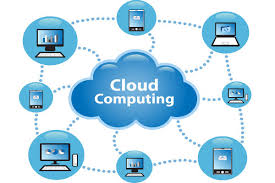
Ph.D. in Cloud Computing
Ph.D. in Cloud Computing is a graduate research program that focuses on the design, development, and optimization of cloud-based systems and services. The curriculum typically lasts 3-5 years and i...
Ph.D. in Cloud Computing
×Ph.D. in Cloud Computing is a graduate research program that focuses on the design, development, and optimization of cloud-based systems and services. The curriculum typically lasts 3-5 years and includes training on distributed computing, virtualization, cloud architecture, data security, and resource management, as well as extensive research. Students examine scalable infrastructure, cloud security, data privacy, and edge computing, developing new storage, processing, and resource allocation solutions. Graduates frequently work in academia, research, or technology firms, helping to progress cloud technology by improving efficiency, scalability, and security in data management and computing services for a wide range of industries.

Ph.D. in Aerospace Engineering
Ph.D. in Aerospace Engineering is a rigorous research degree that focuses on the advancement of technology and knowledge in fields like as aerodynamics, propulsion, space systems, and aerospace mat...
Ph.D. in Aerospace Engineering
×Ph.D. in Aerospace Engineering is a rigorous research degree that focuses on the advancement of technology and knowledge in fields like as aerodynamics, propulsion, space systems, and aerospace materials. The program typically lasts 4-6 years and includes advanced education in fluid dynamics, control systems, structural mechanics, and thermodynamics, as well as extensive research. Students work on original projects, generally in spacecraft design, UAV technology, or propulsion improvements, to improve flight efficiency, safety, and sustainability. Graduates frequently seek professions in academia, aerospace research organizations, and sectors such as defense, aviation, and space exploration, which drive advancements in air and space travel technology.

Ph.D. in Security Law
Ph.D. in Security Law is a degree that requires extensive research on the legal frameworks that govern national and international security issues. The curriculum typically lasts 3-5 years and invol...
Ph.D. in Security Law
×Ph.D. in Security Law is a degree that requires extensive research on the legal frameworks that govern national and international security issues. The curriculum typically lasts 3-5 years and involves courses on counter-terrorism law, cyber defense, intelligence law, human rights in security contexts, and international security treaties, followed by original research. Students investigate the balance between security measures and civil liberties, including data surveillance, border security, and international conflict law. Graduates frequently work in academia, policy consulting, government agencies, and international organizations, contributing to legal and policy frameworks that address contemporary security concerns.

Ph.D. in Intellectual Property Law
Ph.D. in Intellectual Property Law is an advanced research degree that focuses on the protection of intellectual assets such as patents, trademarks, copyrights, and trade secrets. The curriculum, w...
Ph.D. in Intellectual Property Law
×Ph.D. in Intellectual Property Law is an advanced research degree that focuses on the protection of intellectual assets such as patents, trademarks, copyrights, and trade secrets. The curriculum, which typically takes 3-5 years to complete, begins with instruction on IP theories, international IP treaties, and developing concerns in digital and biotechnology intellectual property, followed by intensive original research. Students investigate the legal, economic, and ethical implications of intellectual property, frequently including subjects such as IP enforcement, innovation policy, and digital piracy. Graduates usually work in academia, law firms, government, and corporate consulting, where they contribute to policy creation and advise on intellectual property strategy for global and digital markets.

Ph.D. in Cyber & Technology Law
A Ph.D. in Cyber & Technology Law is an advanced research degree that investigates the legal, ethical, and regulatory issues raised by digital technology. This curriculum, which typically lasts...
Ph.D. in Cyber & Technology Law
×A Ph.D. in Cyber & Technology Law is an advanced research degree that investigates the legal, ethical, and regulatory issues raised by digital technology. This curriculum, which typically lasts 3-5 years, combines intensive training in cyber law, data protection, digital privacy, intellectual property, and emerging technology legislation with considerable original research. Students study cybersecurity, artificial intelligence, digital rights, and e-commerce law, gaining experience in legal responses to changing technology landscapes. Graduates pursue professions in academia, law, policy consulting, and technology consulting, helping to develop legal frameworks that balance innovation, security, and individual rights in the digital era.

Ph.D. in Women & Child Law
Ph.D. in Women & Child Law is an advanced research degree that focuses on legal protections, rights, and policies for women and children. The 3-5-year curriculum includes training on gender jus...
Ph.D. in Women & Child Law
×Ph.D. in Women & Child Law is an advanced research degree that focuses on legal protections, rights, and policies for women and children. The 3-5-year curriculum includes training on gender justice, child rights, family law, and international human rights law, followed by extensive original research. Students engage in multidisciplinary studies, examining themes such as domestic abuse, child welfare, reproductive rights, and gender discrimination from legal, social, and policy perspectives. Graduates frequently pursue professions in academia, law, policy advocacy, and government, where they impact legislative frameworks and promote justice and equality for women and children around the world.

Ph.D. in Macro Economics
Ph.D. in Macroeconomics is a 4-6 year degree that examines aggregate economic phenomena such as GDP growth, inflation, unemployment, and monetary policy. It begins with advanced study in macroecono...
Ph.D. in Macro Economics
×Ph.D. in Macroeconomics is a 4-6 year degree that examines aggregate economic phenomena such as GDP growth, inflation, unemployment, and monetary policy. It begins with advanced study in macroeconomic theory, econometrics, and dynamic modeling, followed by thorough tests. The program is built around creative research on economic cycles, fiscal policy, central banking, and international macroeconomics, which culminates in a dissertation. Students analyze and simulate data using quantitative tools such as MATLAB, R, and Python. Graduates work in academia, central banks, government agencies, and international organizations, supported by assistantships, fellowships, and research grants.

Ph.D. in International Economics
PhD in International Economics is a 4-6 year program that studies worldwide trade, finance, and economic policy. It consists of advanced courses in international trade theory, macroeconomics, econo...
Ph.D. in International Economics
×PhD in International Economics is a 4-6 year program that studies worldwide trade, finance, and economic policy. It consists of advanced courses in international trade theory, macroeconomics, econometrics, and development economics, followed by extensive tests. The program's focus is on conducting original research on themes such as trade policy, currency rates, foreign direct investment, and globalization consequences, which will culminate in a dissertation. Students get experience with data analytic programs such as Stata, R, and Python. Graduates are equipped for careers in academia, international organizations (such as the IMF and the World Bank), government, and multinational enterprises, with funding available through teaching assistantships, research grants, and scholarships.

Ph.D. in Labour Economics
PhD in Labour Economics is a 4-6 year program that studies labor markets, employment, wages, and workforce policies. It consists of advanced coursework in microeconomics, econometrics, and labor ma...
Ph.D. in Labour Economics
×PhD in Labour Economics is a 4-6 year program that studies labor markets, employment, wages, and workforce policies. It consists of advanced coursework in microeconomics, econometrics, and labor market theory, followed by extensive tests. The program's major focus is research on pay disparity, unemployment, labor migration, and the influence of policies such as minimum wage laws, which culminates in a dissertation. Students build solid empirical abilities by utilizing data analysis programs such as Stata and R. Graduates work in academia, research institutes, government agencies, and international organizations, with funding provided by teaching assistantships, fellowships, or research grants.

Ph.D. in Public Policy
Ph.D. in Public Policy is a highly specialized research degree that focuses on the analysis, formulation, and evaluation of public policies at the local, national, and international levels. The cur...
Ph.D. in Public Policy
×Ph.D. in Public Policy is a highly specialized research degree that focuses on the analysis, formulation, and evaluation of public policies at the local, national, and international levels. The curriculum, which typically lasts three to five years, covers a wide range of topics including policy analysis, governance, public administration, economic policy, environmental policy, health policy, social justice, and the role of institutions in affecting public decisions. Students perform original research on the impact of government acts, policy effectiveness, policy formulation, and the influence of public opinion, interest groups, and political institutions on policymaking. Graduates of the program frequently work in academia, government agencies, think tanks, international organizations, non-governmental organizations (NGOs), or consulting businesses that focus on policy research and analysis. Admission normally requires a master's degree in public administration,political science, economics, or a related field, with strong analytical and research skills.

Ph.D. in Finance and Accounting
Ph.D. in Finance and Accounting is a research-based program that aims to give advanced knowledge and skill in financial theory, accounting processes, and their applications in real-world business s...
Ph.D. in Finance and Accounting
×Ph.D. in Finance and Accounting is a research-based program that aims to give advanced knowledge and skill in financial theory, accounting processes, and their applications in real-world business settings. The program typically lasts 3-5 years and covers topics such as financial markets, corporate finance, financial modeling, accounting theory, auditing, taxation, financial reporting, and international finance. Students conduct original research on topics such as financial regulation, risk management, valuation, behavioral finance, and the role of accounting in decision-making. Graduates frequently pursue professions in academia, financial research, consulting, investment banking, corporate finance, or government regulatory agencies. Admission typically needs a Master's degree in finance, accounting, economics, or a related discipline, as well as good mathematical and research skills.

Ph.D. in Renewable and Alternate Energy
Ph.D. in Renewable and Alternate Energy is a research-intensive program typically lasting 3 - 5 years, focusing on advanced studies in sustainable energy sources like solar, wind, biomass, hyd...
Ph.D. in Renewable and Alternate Energy
×Ph.D. in Renewable and Alternate Energy is a research-intensive program typically lasting 3 - 5 years, focusing on advanced studies in sustainable energy sources like solar, wind, biomass, hydroelectric, and geothermal power. This interdisciplinary program includes coursework and research in energy efficiency, storage, environmental impact, and energy policy, aiming to develop innovative solutions to global energy challenges. Candidates with backgrounds in engineering, environmental science, or physics often join, advancing skills in critical analysis, data modeling, and renewable technology. Graduates pursue careers in academia, research institutions, government agencies, and energy industries, contributing to sustainable energy advancements worldwide.

Ph.D. in Materials and Devices
Ph.D. in Materials and Devices typically spans 4-6 years, focusing on advanced research in material science and engineering of various devices. Students delve into the properties, synthesis, and ap...
Ph.D. in Materials and Devices
×Ph.D. in Materials and Devices typically spans 4-6 years, focusing on advanced research in material science and engineering of various devices. Students delve into the properties, synthesis, and applications of materials ranging from nanomaterials to bulk substances. The program combines theoretical study with hands-on experimentation, covering topics such as semiconductor physics, photonics, energy materials, and advanced characterization techniques. Candidates conduct original research, often collaborating with industry partners or national laboratories. The curriculum includes coursework, comprehensive exams, a dissertation proposal, and culminates in a doctoral thesis defense. Graduates are prepared for careers in academia, research institutions, or high-tech industries, driving innovation in fields like electronics, energy, and biomedical technologies.

Ph.D. in Software Engineering
Ph.D. in Software Engineering typically takes 4-6 years to complete, depending on the program and individual progress. This advanced degree focuses on conducting original research to contribute new...
Ph.D. in Software Engineering
×Ph.D. in Software Engineering typically takes 4-6 years to complete, depending on the program and individual progress. This advanced degree focuses on conducting original research to contribute new knowledge to the field. Students engage in coursework covering advanced topics in software design, development methodologies, and emerging technologies. The core of the program involves developing a dissertation, which presents novel research findings or innovative solutions to complex software engineering problems. Candidates often collaborate with industry partners, publish academic papers, and present at conferences. This degree prepares graduates for careers in academia, research institutions, or high-level positions in the software industry, where they can lead cutting-edge projects and shape the future of software engineering.

Ph.D. in Computer Engineering and Networking
Ph.D. in Computer Engineering and Networking is an advanced research degree that focuses on computer systems, network topologies, cybersecurity, and emerging technologies like cloud computing and I...
Ph.D. in Computer Engineering and Networking
×Ph.D. in Computer Engineering and Networking is an advanced research degree that focuses on computer systems, network topologies, cybersecurity, and emerging technologies like cloud computing and IoT. The curriculum typically lasts 3-5 years with challenging coursework, extensive exams, and an original research dissertation. Candidates study about network protocols, wireless communications, distributed systems, and machine learning applications in networking. Graduates are equipped to work in academia, research institutions, or industries that focus on innovation and technology. The program demands a master's degree in a comparable discipline, good analytical skills, and a desire to advance the field via effective research.

Ph.D. in Material Science and Engineering
Ph.D. in Material Science and Engineering is an advanced research degree focusing on the study and development of materials for diverse applications, including nanotechnology, biotechnology, electr...
Ph.D. in Material Science and Engineering
×Ph.D. in Material Science and Engineering is an advanced research degree focusing on the study and development of materials for diverse applications, including nanotechnology, biotechnology, electronics, and energy. This program typically spans 3-5 years, depending on research progress and institutional requirements, and emphasizes intensive lab work, theoretical study, and innovative experimentation. Students explore topics like material properties, synthesis, and performance, preparing for roles in academia, R&D, and industrial applications. A Ph.D. candidate works closely with advisors to contribute new knowledge in materials science, often culminating in a dissertation and published research in high-impact scientific journals.

Ph.D. in Wireless Networking & Applications
Ph.D. in Wireless Networking & Applications is a research-oriented program that studies the design, development, and implementation of wireless communication systems and networks. Student...
Ph.D. in Wireless Networking & Applications
×Ph.D. in Wireless Networking & Applications is a research-oriented program that studies the design, development, and implementation of wireless communication systems and networks. Students study advanced topics such as wireless protocols, mobile networks, network security, and Internet of Things applications. The course normally lasts 3-5 years, depending on the development of the research. It entails extensive study, followed by independent research, culminating in a doctoral dissertation. Graduates of this program contribute to the development of next-generation wireless technologies, including 5G/6G networks, smart cities, and burgeoning Internet of Things (IoT) applications, in academic or industry settings.

Ph.D. in Information Technology Law
Ph.D. in Information Technology Law focuses on the intersection of law and technology, addressing issues such as cybersecurity, intellectual property, data protection, and e-commerce regulations. T...
Ph.D. in Information Technology Law
×Ph.D. in Information Technology Law focuses on the intersection of law and technology, addressing issues such as cybersecurity, intellectual property, data protection, and e-commerce regulations. The program typically spans 3 - 5 years and involves rigorous research on legal challenges posed by digital technologies, including artificial intelligence, blockchain, and privacy concerns. Students are expected to contribute original insights to the legal frameworks surrounding emerging technologies, shaping policies and practices. The course includes seminars, workshops, and peer-reviewed publications, preparing graduates for careers in academia, government, tech companies, or international organizations focused on technology law and policy.

Ph.D. in Data Analytics
Ph.D. in Data Analytics focuses on advanced techniques for analyzing large datasets and extracting valuable insights to drive decision-making in various sectors. The program typically spans 3...
Ph.D. in Data Analytics
×Ph.D. in Data Analytics focuses on advanced techniques for analyzing large datasets and extracting valuable insights to drive decision-making in various sectors. The program typically spans 3 - 5 years, offering specialized research opportunities in areas like machine learning, artificial intelligence, big data analytics, statistical modeling, and predictive analytics. Students acquire expertise in data mining, data visualization, algorithm design, and computational methods while contributing original research to the field. Graduates are prepared for high-level careers in academia, research institutions, government agencies, and industries like finance, healthcare, and technology, where data-driven strategies are essential for success.

Ph.D. in Environmental Law
Ph.D. in Environmental Law is a research-focused program that delves into the legal frameworks governing environmental protection, sustainability, and global environmental challenges. It covers top...
Ph.D. in Environmental Law
×Ph.D. in Environmental Law is a research-focused program that delves into the legal frameworks governing environmental protection, sustainability, and global environmental challenges. It covers topics such as environmental regulations, climate change law, biodiversity protection, international treaties, and human rights in relation to environmental issues. The course duration typically ranges from 3 - 5 years, depending on the research progress and university requirements. Doctoral candidates are expected to conduct original research, contribute to policy development, and publish scholarly work. This degree prepares graduates for academic, governmental, and non-governmental roles, focusing on advancing legal solutions for global environmental challenges.

Ph.D. in Computational Biology
Ph.D. in Computational Biology focuses on using computational techniques and mathematical models to understand biological systems and processes. Typically lasting 3 to 5 years, the program co...
Ph.D. in Computational Biology
×Ph.D. in Computational Biology focuses on using computational techniques and mathematical models to understand biological systems and processes. Typically lasting 3 to 5 years, the program combines coursework in bioinformatics, algorithms, systems biology, and data science with original research. Students explore topics such as protein structure prediction, genomics, molecular modeling, and computational drug design. Research may also include the analysis of large biological datasets, disease modeling, and the development of machine learning techniques to interpret biological data. Graduates are prepared for careers in academia, biotechnology, pharmaceuticals, and healthcare, contributing to advancements in personalized medicine, drug discovery, and the understanding of complex biological systems.
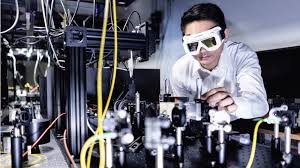
Ph.D. in Photonics Physics
PhD in Photonics Physics is the study of light and its interaction with matter, which includes laser technology, optical communications, quantum optics, and nanophotonics technology. The prog...
Ph.D. in Photonics Physics
×PhD in Photonics Physics is the study of light and its interaction with matter, which includes laser technology, optical communications, quantum optics, and nanophotonics technology. The program, which typically lasts 3-5 years, integrates advanced physics, optics, electromagnetic, and quantum mechanics courses with intensive experimental and theoretical research. Students study light propagation, optical materials, fiber optics, and photonic devices. Graduates are prepared to work in academia, research institutions, or sectors such as telecommunications, medical imaging, and renewable energy, where they can help create advanced photonic technologies and breakthroughs in optical systems and devices.

Ph.D. in Corporate Law
Ph.D. in Corporate Law is a highly specialized research program that focuses on the legal elements of business organizations, corporate governance, mergers and acquisitions, securities legisl...
Ph.D. in Corporate Law
× Ph.D. in Corporate Law is a highly specialized research program that focuses on the legal elements of business organizations, corporate governance, mergers and acquisitions, securities legislation, and commercial agreements. The degree typically lasts 3 to 5 years and includes instruction in corporate law, commercial ethics, financial laws, and international trade law, as well as extensive research. Students learn about company accountability, shareholder rights, and financial market regulation. Graduates are prepared to work in academia, legal practice, policymaking, or corporate consulting, helping to shape legal frameworks that govern business practices, corporate responsibility, and global economic activities.

Ph.D. in International Law
Ph.D. in International Law is a research-oriented program that delves into the legal principles that govern cross-border relations between nations, international organizations, and individuals. The...
Ph.D. in International Law
×Ph.D. in International Law is a research-oriented program that delves into the legal principles that govern cross-border relations between nations, international organizations, and individuals. The program typically lasts 3-5 years and integrates instruction in public international law, human rights, trade law, environmental law, and dispute resolution with considerable independent research. Students study complicated topics like international treaties, diplomacy, conflict resolution, and global governance. Graduates are prepared for positions in academia, international organizations, government, and legal practice, where they can help build international legal norms and regulations, as well as resolve transnational legal difficulties in a globalized society.

Ph.D. in Public Law
Ph.D. in Public Law, where we bridge the gap between formal education and practical skills acquisition...

Ph.D. in Surrogacy Law
Ph.D. in Surrogacy Law studies the legal, ethical, and social aspects of surrogacy arrangements, such as reproductive rights, contracts, parental rights, and international legal frameworks. T...
Ph.D. in Surrogacy Law
× Ph.D. in Surrogacy Law studies the legal, ethical, and social aspects of surrogacy arrangements, such as reproductive rights, contracts, parental rights, and international legal frameworks. The curriculum, which typically lasts 3-5 years, integrates training in family law, bioethics, and reproductive technologies with extensive research. Students investigate difficult legal issues surrounding surrogacy, such as the rights of surrogate mothers, intended parents, and children born through surrogacy. Graduates are prepared to work in academia, legal practice, policymaking, and advocacy, helping to establish comprehensive legal frameworks that handle the changing issues of surrogacy and reproductive technology.

Ph.D. in Business Analytics
Ph.D. in Business Analytics emphasizes the use of data-driven decision-making tools and advanced analytical methodologies to tackle difficult business problems. The program, which typically l...
Ph.D. in Business Analytics
× Ph.D. in Business Analytics emphasizes the use of data-driven decision-making tools and advanced analytical methodologies to tackle difficult business problems. The program, which typically lasts 3 to 5 years, integrates statistics, machine learning, optimization, and data mining courses with intensive research in predictive analytics, big data, and decision modeling. Students look at how analytics can improve corporate strategy, operations, marketing, and finance. Graduates are prepared for careers in academia, consultancy, or high-level positions in industries such as finance, marketing, healthcare, and technology, where they will drive data-driven transformations and innovation in businesses of all sizes.
Ph.D. in Dairy Economics
Ph.D. in Dairy Economics studies the economic aspects of the dairy sector, such as production, market analysis, policy, and long-term economic plans. The program typically lasts 3-5 year...
Ph.D. in Dairy Economics
× Ph.D. in Dairy Economics studies the economic aspects of the dairy sector, such as production, market analysis, policy, and long-term economic plans. The program typically lasts 3-5 years and includes advanced study, research, and quantitative analysis. Students study cost-benefit analysis, dairy supply chains, pricing mechanisms, and the effects of government policies on dairy markets. The curriculum prepares graduates for employment in research, academia, government, and industry, with an emphasis on macroeconomic and microeconomic perspectives. Graduates help to improve dairy farm profitability, policy formation, and market efficiency, hence promoting sustainable development and economic growth in the dairy industry.

Ph.D. in Procedural Law
The rules and procedures that regulate the legal system, such as civil, criminal, and administrative procedures, are the main focus of a Ph.D. program in procedural law. The program, which is usual...
Ph.D. in Procedural Law
×The rules and procedures that regulate the legal system, such as civil, criminal, and administrative procedures, are the main focus of a Ph.D. program in procedural law. The program, which is usually finished in 3-5 years, entails in-depth study and research on subjects like trial procedures, litigation processes, legal remedies, and the administration of justice. Students investigate how procedural laws affect people's rights and the way courts operate. Graduates are equipped to work as legal academics, researchers, instructors, or practitioners, helping to create more equitable and effective legal procedures in both domestic and global legal systems.

Ph.D. in Business Law
The legal facets of business, commerce, and industry are the main focus of a Ph.D. program in business law. The program, which is usually finished in 3-5 years, entails advanced studies in fie...
Ph.D. in Business Law
×The legal facets of business, commerce, and industry are the main focus of a Ph.D. program in business law. The program, which is usually finished in 3-5 years, entails advanced studies in fields like international trade rules, corporate governance, intellectual property law, contract law, and antitrust laws. Students work on academic projects that tackle legal concerns in corporate operations and how they affect international marketplaces. Graduates are equipped to work as corporate lawyers, law professors, legal researchers, or consultants, helping to create legal frameworks that promote moral and effective company practices in an increasingly globalized market.

Ph.D. in Comparative Law
Ph.D. in Comparative Law is an advanced research program focused on the study of differences and similarities between the legal systems of various countries. It explores areas such as constitutiona...
Ph.D. in Comparative Law
×Ph.D. in Comparative Law is an advanced research program focused on the study of differences and similarities between the legal systems of various countries. It explores areas such as constitutional law, human rights, international law, and private law, encouraging a comparative approach to understanding diverse legal frameworks. The course typically spans 3 - 5 years, depending on the institution, and includes coursework, comprehensive exams, and a dissertation. Students engage in independent research, contribute to the development of legal theories, and often specialize in a particular region or legal issue. This degree prepares graduates for academic, governmental, and international law-related careers.

Ph.D. in Competition Law
Ph.D. in Competition Law is a research-oriented program focusing on the legal and economic aspects of competition law, antitrust regulations, and the protection of market competition. It typically...
Ph.D. in Competition Law
×Ph.D. in Competition Law is a research-oriented program focusing on the legal and economic aspects of competition law, antitrust regulations, and the protection of market competition. It typically covers areas such as monopolies, cartels, mergers and acquisitions, and global competition law frameworks. The course duration is usually 3 - 5 years, depending on the research progress and institutional requirements. Candidates are expected to conduct in-depth research, contribute to scholarly work, and potentially influence policy-making. This program is ideal for those aiming to work in academia, regulatory bodies, law firms, or international organizations dealing with competition law.
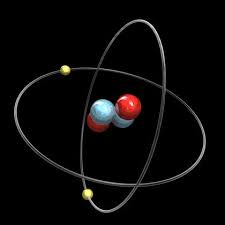
Ph.D. in Quantum Chemistry
Ph.D. in Quantum Chemistry is a research-based program that focuses on the application of quantum mechanics to study chemical systems. It combines principles of physics, chemistry, and mathem...
Ph.D. in Quantum Chemistry
×Ph.D. in Quantum Chemistry is a research-based program that focuses on the application of quantum mechanics to study chemical systems. It combines principles of physics, chemistry, and mathematics to understand molecular structures, reactions, and properties at the atomic and subatomic levels. The course typically spans 3-5 years, involving advanced coursework in quantum mechanics, computational chemistry, and molecular modeling, followed by original research. Students gain expertise in using computational tools and simulations to predict chemical behavior and design new materials or drugs. Graduates pursue careers in academia, research institutions, or industries like pharmaceuticals, energy, and materials science.
Ph.D. in Applied Machine Learning
Ph.D. in Applied Machine Learning is a research-focused program designed to equip students with advanced skills in machine learning algorithms, data analysis, and their practical applications in va...
Ph.D. in Applied Machine Learning
×Ph.D. in Applied Machine Learning is a research-focused program designed to equip students with advanced skills in machine learning algorithms, data analysis, and their practical applications in various domains. The course duration typically ranges from 3 - 5 years, depending on the research progress and institution. Students engage in deep exploration of supervised, unsupervised, and reinforcement learning techniques, as well as computational intelligence, deep learning, and natural language processing. The program involves extensive research work, culminating in a dissertation, and prepares graduates for roles in academia, industry, and specialized fields like AI, robotics, healthcare, and finance.
Ph.D. in Data Mining
Ph.D. in Data Mining focuses on advanced research in extracting valuable insights from large datasets using various algorithms, statistical methods, and machine learning techniques. The cours...
Ph.D. in Data Mining
×Ph.D. in Data Mining focuses on advanced research in extracting valuable insights from large datasets using various algorithms, statistical methods, and machine learning techniques. The course duration typically spans 3 - 5 years, depending on the research progress. The program emphasizes developing innovative algorithms for handling complex data structures and real-world problem-solving. Ph.D. candidates are expected to contribute original research in data mining, publish findings in peer-reviewed journals, and present at conferences, preparing them for careers in academia, research institutions, and the tech industry.

Ph.D. in VLSI System
Ph.D. in VLSI (Very-Large-Scale Integration) Systems focuses on the design, fabrication, and optimization of integrated circuits for modern electronic devices. The program typically spans 3 -...
Ph.D. in VLSI System
×Ph.D. in VLSI (Very-Large-Scale Integration) Systems focuses on the design, fabrication, and optimization of integrated circuits for modern electronic devices. The program typically spans 3 - 5 years and involves advanced research in areas like microelectronics, semiconductor technology, system-on-chip (SoC) design, digital signal processing, and circuit design methodologies. Students engage in hands-on research, developing novel techniques for improving chip performance, power efficiency, and miniaturization. The curriculum includes specialized coursework in circuit design, semiconductor physics, and VLSI fabrication processes, alongside opportunities for research collaboration with industry leaders. Graduates contribute to innovations in computing, communications, and embedded systems.
Ph.D. in Applied Artificial Intelligence
Ph.D. in Applied Artificial Intelligence (AI) focuses on the practical implementation and integration of AI techniques into real-world applications across industries like healthcare, finance,...
Ph.D. in Applied Artificial Intelligence
×Ph.D. in Applied Artificial Intelligence (AI) focuses on the practical implementation and integration of AI techniques into real-world applications across industries like healthcare, finance, robotics, and data science. The program typically spans 3-5 years, emphasizing research in machine learning, deep learning, natural language processing, and computer vision, among others. Students conduct original research to solve complex problems, contributing to AI advancements. Coursework covers foundational AI theories, algorithms, and their practical applications. Graduates are prepared for careers in academia, industry research, or leadership roles, where they apply AI to innovate, optimize systems, and influence decision-making processes.
POPULAR COURSES
(D.ED(TCH))
A.N.M.
Acharya - Navyavyakarna
Acharya - Phalita Jyotisha
Acharya - Sanskrit Sahitya
Acharya - Siddhanta Jyotisha
Adobe Photoshop
Advance Certificate Course in Beauty Therapy
Advance Certificate Course in Cosmetology
Advance Certificate Course in Hair Dressing
Advance Certificate Course in Makeup Artistry
Advance certificate Course in Nail Technology
Advance Diploma in Anesthesia Technology
Advance Diploma In Child Guidance And Counselling
Advance Diploma in Dialysis Technology
Advance Diploma in Disciples India
Advance Diploma in Fashion Design & Technology
Advance Diploma in Industrial Safety
Advance Diploma In Insurance Sales
Advance Diploma in Interior Designing
Advance Diploma in Journalism & Mass Communication
Advance Diploma in Medical Lab Technology
Advance Diploma in Operation Theatre Technology
Advance Diploma in Radiology & Imaging Technology
Advance Diploma of Proficiency in French
Advance Diploma of Proficiency in German
Advance Diploma of Proficiency in Russian
Advanced Certificate in Medical Microbiology Laboratory Technology (ACMMLT)
Advanced Certified Software Developer
Advanced Diploma in 3D Printing Technology
Advanced Diploma in Animation
Advanced Diploma in Aviation, Hospitality and Tourism
Advanced Diploma in Computer Application
Advanced Diploma in Computer Software, System Analysis & Application
Advanced Diploma in Data Science
Advanced Diploma in Hardware And Networking
Advanced Diploma in Information Technology
Advanced Diploma in Machine Learning
Advanced Diploma in Multimedia Programming
Advanced Diploma in Networking
Advanced Diploma in Sound Recording Technology
Advanced Diploma in Textile Design
Advanced Diploma in Vastu and Jyotish
Agriculture & Allied Services
Agriculture & Horticulture
Agriculture & Live Stock Production
Agriculture Technology
AHDP Diploma In Animal Husbandry Program
Arogyamitra
Artificial Intelligence And Machine Learning
Automobile Technology
B,Com. in Computer Application
B. Sc. Hons. in Anaesthesia & Operation Theatre Technology
B. Sc. Hons. in Emergency Medical Technology
B. Sc. Hons.in Medical Laboratory Technology
B. Sc. in Hospitality and Tourism Management
B. Tech. in Fisheries Engineering
B. Tech. in Leather technology
B.A. General
B.A. B.Ed.
Popular Stream
State
Andaman and Nicobar Island (UT)
Andaman and Nicobar Islands
Andhra Pradesh
Arunachal Pradesh
Assam
Bihar
Chandigarh
Chandigarh (UT)
Chhattisgarh
Dadra and Nagar
Dadra and Nagar Haveli
Dadra and Nagar Haveli (UT)
Daman and Diu
Daman and Diu (UT)
Delhi
Delhi (NCT)
Donets'k
Goa
Gujarat
Gujarat
Haryana
Himachal Pradesh
Jammu and Kashmir
Jammu and Kashmir(UT)
Jharkhand
jjj
Karnataka
Kerala
Ladakh(UT)
Lakshadweep
LAKSHADWEEP (UT)
Madhya Pradesh
Maharashtra
Manipur
Meghalaya
Mizoram
Nagaland
Niigata
Odisha
Puducherry