






M.Sc. in Computer Science is typically a 1.5 to 2-year postgraduate study that focuses on advanced computing ideas. The program includes topics like algorithms, artificial intelligence, machine learning, data science, software engineering, and computer networks. Students focus on coursework, research projects, and, in many cases, a thesis or capstone project. This degree provides graduates with sophisticated problem-solving skills and specialized knowledge, qualifying them for high-level positions in the technology industry or subsequent academic pursuits such as Ph.D. programs.

Burdwan University
Burdwan University Admission Open
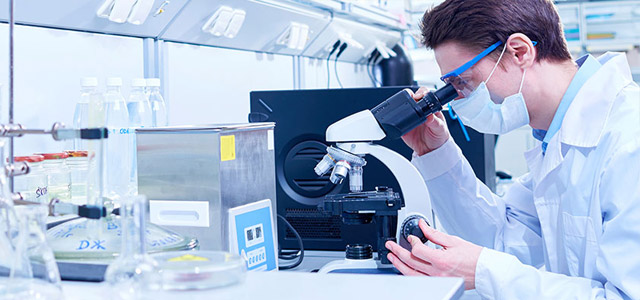
M.Sc. in Microbiology
M.Sc. in Microbiology is usually a 2-year postgraduate program that focuses on the study of microbes and their effects on various elements of life. The program includes sophisticated areas such mic...
M.Sc. in Microbiology
×M.Sc. in Microbiology is usually a 2-year postgraduate program that focuses on the study of microbes and their effects on various elements of life. The program includes sophisticated areas such microbial genetics, immunology, virology, and environmental microbiology. Students work in laboratories, complete research projects, and often write a thesis. This degree prepares students for employment in research, healthcare, biotechnology, and environmental sciences, with opportunities in academia, industry, and government.
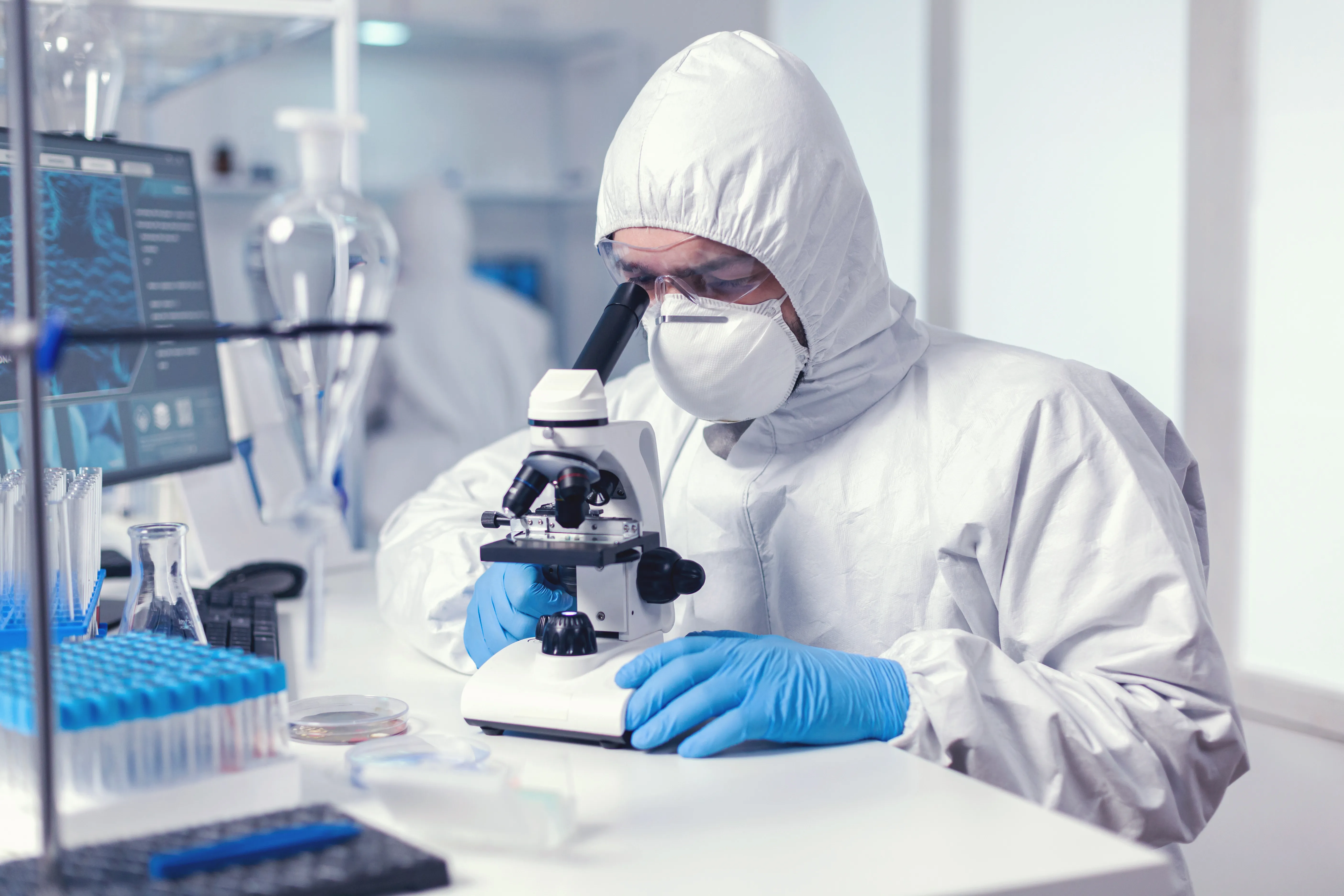
B.Sc. in Microbiology
A B.Sc. in Microbiology is normally a 3-4 year undergraduate curriculum that studies microorganisms such bacteria, viruses, fungus, and parasites. The curriculum includes areas such as microbial ge...
B.Sc. in Microbiology
×A B.Sc. in Microbiology is normally a 3-4 year undergraduate curriculum that studies microorganisms such bacteria, viruses, fungus, and parasites. The curriculum includes areas such as microbial genetics, immunology, biochemistry, and molecular biology. Students acquire hands-on experience through laboratory work, where they learn how to culture and identify microorganisms. Graduates of this program can pursue professions in research, healthcare, biotechnology, and environmental sciences, as well as advanced studies in medicine or microbiology.
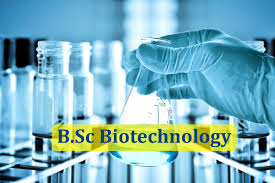
B.Sc. in Biotechnology
B.Sc. in Biotechnology is a 3-4-year undergraduate curriculum that combines biology, chemistry, and technology. Students study genetic engineering, molecular biology, biochemistry, and bioinf...
B.Sc. in Biotechnology
×B.Sc. in Biotechnology is a 3-4-year undergraduate curriculum that combines biology, chemistry, and technology. Students study genetic engineering, molecular biology, biochemistry, and bioinformatics. The program consists of laboratory work, research projects, and industry internships. Graduates have the option of working in medicines, agriculture, or environmental science, or continuing their education. This interdisciplinary degree teaches students how to use biological systems and cutting-edge technologies to provide new solutions to healthcare, agricultural production, and environmental concerns.
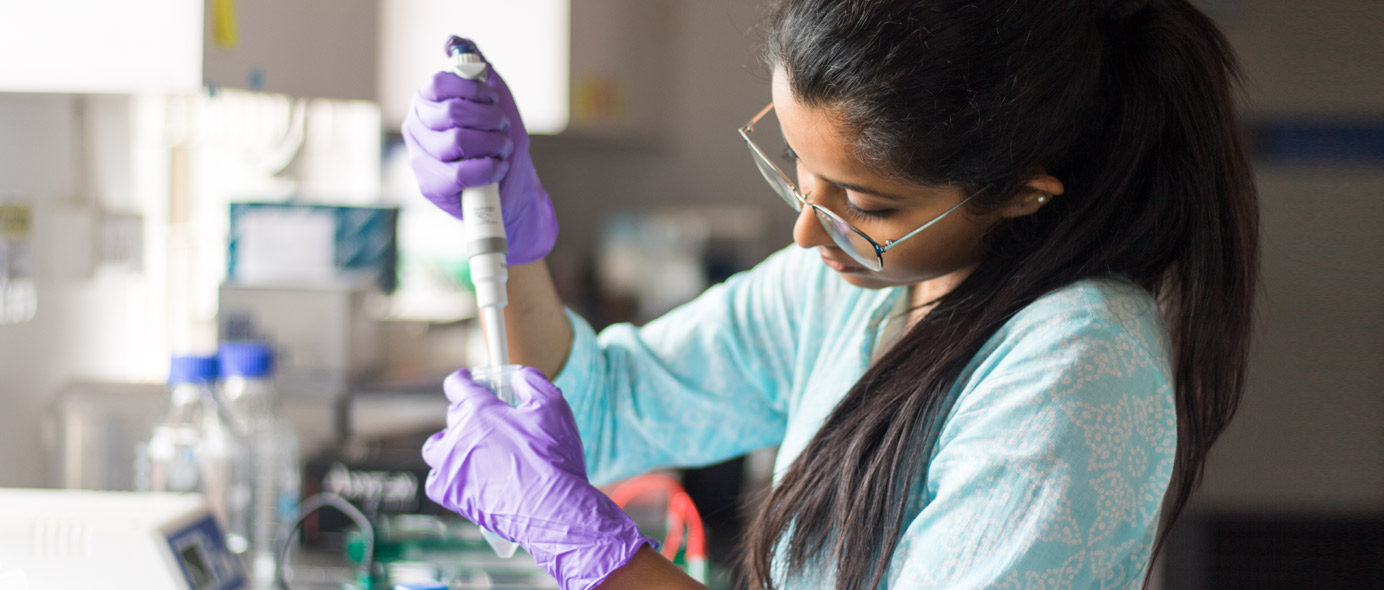
M.Sc. in Biotechnology
M.Sc. in Biotechnology is normally a 2-year postgraduate degree that integrates biology, technology, and engineering concepts. This interdisciplinary course focuses on using biological system...
M.Sc. in Biotechnology
×M.Sc. in Biotechnology is normally a 2-year postgraduate degree that integrates biology, technology, and engineering concepts. This interdisciplinary course focuses on using biological systems to create novel goods and processes. Students develop skills in genetic engineering, molecular biology, bioinformatics, and bioprocess technology. The curriculum frequently involves laboratory work, research projects, and industry internships, which prepare graduates for positions in pharmaceutical, agricultural, and environmental sectors, as well as academic research.

B.Sc. in Mathematics
Bachelor of Science (B.Sc.) in Mathematics usually takes 3-4 years to finish, depending on the country and institution. This undergraduate degree program establishes a solid foundation in mat...
B.Sc. in Mathematics
×Bachelor of Science (B.Sc.) in Mathematics usually takes 3-4 years to finish, depending on the country and institution. This undergraduate degree program establishes a solid foundation in mathematical theory, problem-solving, and analytical abilities. Students learn about calculus, algebra, geometry, statistics, and number theory. The curriculum frequently includes courses in applied mathematics, computational methods, and mathematical modeling. Many programs also provide electives in allied subjects including physics, computer science, and economics. Graduates get career opportunities in data analysis, finance, research, education, or advanced mathematics or related subjects.
B.Sc. in Physics
Bachelor of Science (B.Sc.) in Physics usually takes 3-4 years, depending on the country and institution. This undergraduate degree program covers the fundamental principles of physics, such...
B.Sc. in Physics
×Bachelor of Science (B.Sc.) in Physics usually takes 3-4 years, depending on the country and institution. This undergraduate degree program covers the fundamental principles of physics, such as classical mechanics, electromagnetic, thermodynamics, quantum mechanics, and relativity. The program also includes mathematics courses like calculus and linear algebra, which are required to grasp advanced physics ideas. Graduates of this curriculum gain excellent analytical, problem-solving, and critical thinking skills, which prepare them for employment in research, engineering, and technology, as well as future study in physics or related subjects. Many programs also allow for specialization in fields such as astrophysics, condensed matter physics, and particle physics.
B.Sc. in Chemistry
Bachelor of Science (B.Sc.) in Chemistry normally lasts 3-4 years, depending on the country and institution. This comprehensive program covers the fundamentals of chemistry, including organic, inor...
B.Sc. in Chemistry
×Bachelor of Science (B.Sc.) in Chemistry normally lasts 3-4 years, depending on the country and institution. This comprehensive program covers the fundamentals of chemistry, including organic, inorganic, physical, and analytical chemistry. Students work in laboratories to build practical skills in experimentation, data analysis, and scientific writing. The curriculum frequently covers advanced topics such as biology, spectroscopy, and quantum chemistry. Many programs provide research opportunities, allowing students to work on projects with academic supervision. These graduates get career opportunities in pharmaceuticals, environmental research, and materials development, as well as advanced study in graduate or professional programs such as medicine or chemical engineering.
B.Sc. in Zoology
The Bachelor of Science (B.Sc.) in Zoology is a 3-year undergraduate program that focuses on the study of animal biology, behavior, physiology, and ecology. The curriculum typically covers various...
B.Sc. in Zoology
×The Bachelor of Science (B.Sc.) in Zoology is a 3-year undergraduate program that focuses on the study of animal biology, behavior, physiology, and ecology. The curriculum typically covers various subjects, including animal anatomy, genetics, microbiology, and conservation biology, providing students with a comprehensive understanding of the animal kingdom. Laboratory work and field studies are integral components, allowing students to gain practical experience in research methodologies. Graduates can pursue careers in wildlife conservation, research, education, and veterinary science or continue their studies with advanced degrees in zoology or related fields. This program equips students with essential skills for diverse biological sciences.
M.Sc. in Zoology
The Master of Science (M.Sc.) in Zoology is a 2-year postgraduate degree that aims to provide advanced knowledge and research abilities in animal biology and other elements of animal life. The curr...
M.Sc. in Zoology
×The Master of Science (M.Sc.) in Zoology is a 2-year postgraduate degree that aims to provide advanced knowledge and research abilities in animal biology and other elements of animal life. The curriculum includes disciplines such as animal physiology, ecology, evolution, and taxonomy. Students engaged in both theoretical and practical laboratory work to enhance their understanding of animal behavior, conservation, and biodiversity. Research projects are frequently a key component of the program, allowing students to investigate specialized areas under the supervision of expert teachers. Graduates are ready for positions in research, education, wildlife conservation, and environmental management.
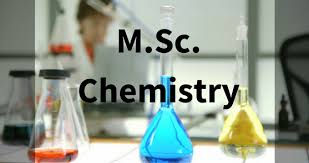
M.Sc. in Chemistry
M.Sc. in Chemistry typically spans 2 years of full-time study, offering advanced training in chemical principles, research methodologies, and specialized areas such as organic, inorganic, physical,...
M.Sc. in Chemistry
×M.Sc. in Chemistry typically spans 2 years of full-time study, offering advanced training in chemical principles, research methodologies, and specialized areas such as organic, inorganic, physical, or analytical chemistry. The program combines rigorous coursework with hands-on laboratory experience, often culminating in a research thesis or project. Students delve into topics like spectroscopy, chromatography, quantum mechanics, and molecular modeling. Many programs offer opportunities for internships, teaching assistantships, or industry collaborations. Graduates are well-prepared for careers in research and development, quality control, environmental monitoring, or further academic pursuits like Ph.D. programs. The degree equips students with critical thinking, problem-solving, and analytical skills highly valued in the scientific and industrial sectors.

M.Sc. in Mathematics
M.Sc. (Master of Science) in Mathematics is a 2-year postgraduate program that provides advanced training in various branches of mathematics, including algebra, analysis, topology, and comput...
M.Sc. in Mathematics
×M.Sc. (Master of Science) in Mathematics is a 2-year postgraduate program that provides advanced training in various branches of mathematics, including algebra, analysis, topology, and computational mathematics. The curriculum covers both theoretical and applied aspects, allowing students to develop strong analytical and problem-solving skills. Graduates of this program can pursue careers in academia, research institutions, financial organizations, data analytics firms, and government agencies. Admission is typically based on performance in a national-level entrance exam, followed by an interview process. The M.Sc. in Mathematics equips students with the knowledge and expertise to contribute to the advancement of mathematical sciences and their applications in diverse fields.
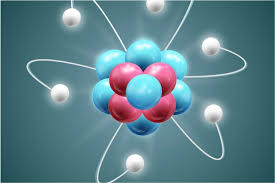
M.Sc. in Physics
The M.Sc. (Master of Science) in Physics is a 2-year postgraduate degree that provides advanced study in a variety of physics disciplines, including classical mechanics, quantum mechanics, electrom...
M.Sc. in Physics
×The M.Sc. (Master of Science) in Physics is a 2-year postgraduate degree that provides advanced study in a variety of physics disciplines, including classical mechanics, quantum mechanics, electromagnetism, and statistics. The program blends academic instruction with practical laboratory experiments and research projects. Graduates of this program can work in academia, research institutes, the semiconductor industry, renewable energy industries, and government organizations. Admission is often determined by performance on a national-level admission exam, followed by an interview. The M.Sc. in Physics program provides students with the knowledge, analytical abilities, and experimental experience necessary to enhance scientific research and technological innovation.
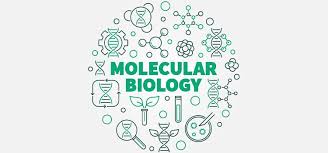
M.Sc. in Molecular Biology
Master of Science (M.Sc.) in Molecular Biology typically spans 2 years and focuses on the molecular mechanisms underlying biological processes. The program combines theoretical knowledge...
M.Sc. in Molecular Biology
×Master of Science (M.Sc.) in Molecular Biology typically spans 2 years and focuses on the molecular mechanisms underlying biological processes. The program combines theoretical knowledge with practical laboratory skills, covering topics such as DNA/RNA structure and function, gene expression, molecular genetics, and biochemistry. Students engage in hands-on research, utilizing techniques like PCR, cloning, and sequencing. Graduates are equipped for careers in academia, biotechnology, pharmaceuticals, and healthcare, contributing to advancements in genetics, disease research, and drug development. Some programs may offer specializations in areas like genomics, proteomics, or bioinformatics, enhancing employability in this rapidly evolving field.
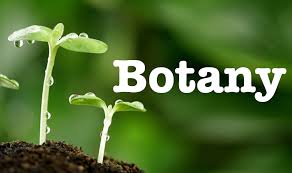
M.Sc. in Botany
Master of Science (M.Sc.) in Botany is a postgraduate program typically spanning 2 years, focusing on the study of plant biology, including physiology, ecology, taxonomy, and genetics. This co...
M.Sc. in Botany
×Master of Science (M.Sc.) in Botany is a postgraduate program typically spanning 2 years, focusing on the study of plant biology, including physiology, ecology, taxonomy, and genetics. This course is designed to equip students with advanced knowledge and practical skills in plant science, emphasizing both theoretical concepts and laboratory techniques. Students engage in various topics such as plant physiology, phytochemistry, and plant biotechnology, alongside fieldwork and research projects. Graduates are prepared for careers in academia, research, environmental conservation, agriculture, and various industries related to plant science and biotechnology, contributing to sustainable practices and biodiversity conservation.
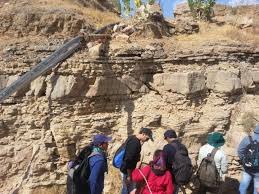
M.Sc. in Geology
Master of Science (M.Sc.) in Geology is a 2-year postgraduate program that delves into the study of Earth’s materials, processes, and history. This course covers a range of topics, including...
M.Sc. in Geology
×Master of Science (M.Sc.) in Geology is a 2-year postgraduate program that delves into the study of Earth’s materials, processes, and history. This course covers a range of topics, including mineralogy, petrology, paleontology, geomorphology, and environmental geology. Students gain hands-on experience through fieldwork and laboratory work, utilizing advanced techniques and technologies like GIS and remote sensing. The curriculum often includes research projects that encourage critical thinking and problem-solving skills. Graduates are well-prepared for careers in environmental consulting, natural resource management, and academia, contributing to sustainable practices and the understanding of geological phenomena.
M.Sc. in Statistics
Master of Science (M.Sc.) in Statistics is a 2-year postgraduate program that provides advanced training in statistical theory, methods, and applications. The curriculum typically covers topi...
M.Sc. in Statistics
×Master of Science (M.Sc.) in Statistics is a 2-year postgraduate program that provides advanced training in statistical theory, methods, and applications. The curriculum typically covers topics such as probability theory, statistical inference, regression analysis, experimental design, and multivariate analysis. Students learn to apply statistical techniques to solve real-world problems in various fields, including economics, healthcare, and social sciences. The program often includes practical components, such as projects and internships, to enhance analytical skills and software proficiency in statistical tools like R and Python. Graduates are well-equipped for careers in data analysis, research, and academia.
M.Sc. in Psychology
M.Sc. in Psychology is a 2-year postgraduate degree that aims to provide students a thorough understanding of psychological theories, research methodologies, and practical applications. The curricu...
M.Sc. in Psychology
×M.Sc. in Psychology is a 2-year postgraduate degree that aims to provide students a thorough understanding of psychological theories, research methodologies, and practical applications. The curriculum often includes essential subjects such as cognitive psychology, developmental psychology, social psychology, and clinical psychology, as well as research methodology and statistics. Students acquire hands-on training through internships, projects, and thesis work, which prepares them for jobs in counseling, mental health services, research, and education. This degree provides graduates with the abilities necessary to assess, understand, and improve individual and group behavior, making it excellent for people interested in mental health and human behavior.
B.Sc. in Physiology
Bachelor of Science (B.Sc.) in Physiology typically spans 3-4 years, depending on the university and country. This program focuses on the study of the functions and mechanisms of the human bod...
B.Sc. in Physiology
×Bachelor of Science (B.Sc.) in Physiology typically spans 3-4 years, depending on the university and country. This program focuses on the study of the functions and mechanisms of the human body, covering topics such as cellular physiology, neurophysiology, cardiovascular physiology, and exercise physiology. Students engage in laboratory work, research projects, and coursework that provides a solid foundation in biological sciences. Graduates often pursue careers in healthcare, research, pharmaceuticals, or further education in medicine or advanced health sciences. The program emphasizes critical thinking, analytical skills, and a comprehensive understanding of physiological processes.
B.Sc. in Botany
The 3-year undergraduate Bachelor of Science (B.Sc.) in Botany curriculum offers a thorough examination of plants and their uses. Plant anatomy, physiology, taxonomy, ecology, and genetics are amon...
B.Sc. in Botany
×The 3-year undergraduate Bachelor of Science (B.Sc.) in Botany curriculum offers a thorough examination of plants and their uses. Plant anatomy, physiology, taxonomy, ecology, and genetics are among the topics covered in this course. Students obtain hands-on experience in plant identification, cultivation, and analysis through laboratory work, field trips, and research projects. Modules on economic botany, environmental science, and biotechnology are frequently included in curriculum. Graduates are ready for jobs in the agriculture industry, botanical gardens, research institutes, or environmental organizations. With the option to further specialize through postgraduate study in fields like plant biotechnology, ecology, or conservation, they can work as botanists, plant researchers, environmental consultants, or horticulturists.
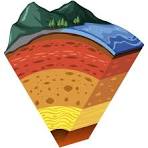
B.Sc. in Geology
The 3-year undergraduate Bachelor of Science (B.Sc.) in Geology curriculum investigates the composition, structure, and processes of the Earth. Mineralogy, petrology, stratigraphy, geomorphology, a...
B.Sc. in Geology
×The 3-year undergraduate Bachelor of Science (B.Sc.) in Geology curriculum investigates the composition, structure, and processes of the Earth. Mineralogy, petrology, stratigraphy, geomorphology, and environmental geology are among the topics covered in this extensive course. To obtain practical experience, students frequently take part in geological trips, do laboratory analyses, and conduct fieldwork. Modules on geophysics, paleontology, and geological mapping methods are commonly included in the curriculum. Graduates are ready for jobs in geohazard assessment, natural resource management, environmental consultancy, or mineral exploration. With specialization through postgraduate studies or professional certifications, they can work as geologists, environmental scientists, or resource analyzers in sectors including mining, oil and gas, or government geological surveys.

B.Sc. in Statistics
The 3-year undergraduate Bachelor of Science (B.Sc.) in Statistics degree focuses on data gathering, analysis, interpretation, and presentation. Data mining, statistical inference, regression analy...
B.Sc. in Statistics
×The 3-year undergraduate Bachelor of Science (B.Sc.) in Statistics degree focuses on data gathering, analysis, interpretation, and presentation. Data mining, statistical inference, regression analysis, and probability theory are all covered in this extensive course. To obtain practical experience, students work on real-world projects, receive instruction in data analysis software, and frequently take part in research internships. Modules on big data analytics, survey technique, and experimental design are frequently included in curriculum. Graduates have job opportunities in fields, such as data science, market research, healthcare, and finance. With furthur specilisation though postgraduate study or professional certifications in particular areas of statistics, they can pursue careers as research associates, data scientists, or statistical analysts.

B.Sc. in Environmental Science
Bachelor of Science (B.Sc.) in Environmental Science is a multidisciplinary undergraduate degree that usually lasts 3-4 years, depending on the country and institution. This course builds a solid b...
B.Sc. in Environmental Science
×Bachelor of Science (B.Sc.) in Environmental Science is a multidisciplinary undergraduate degree that usually lasts 3-4 years, depending on the country and institution. This course builds a solid basis in scientific ideas by focusing on ecosystems, biodiversity, climate change, environmental management, and sustainability. Students are taught to handle key environmental challenges through academic understanding, practical laboratory work, and field studies. Biology, chemistry, physics, and geography are among the subjects included in the curriculum, as well as developing issues like renewable energy and pollution control. Graduates are prepared for positions in environmental consulting, research, government, or advanced studies in specialized subjects. The curriculum focuses on problem solving and innovation in order to create ecological balance and sustainable growth.

M.Sc. in Environmental Science
M.Sc. in Environmental Science, where we bridge the gap between formal education and practical skills acquisition...
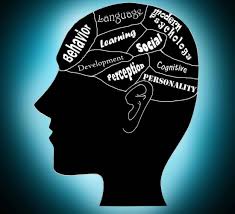
B.Sc. in Psychology
B.Sc. in Psychology is an undergraduate program that typically spans 3 years and offers students a comprehensive understanding of the human mind and behavior. The course covers various aspect...
B.Sc. in Psychology
×B.Sc. in Psychology is an undergraduate program that typically spans 3 years and offers students a comprehensive understanding of the human mind and behavior. The course covers various aspects of psychology, including cognitive psychology, behavioral science, abnormal psychology, and social psychology, along with research methodologies and statistical analysis. Students also explore topics like human development, clinical psychology, and psychological disorders. This program equips students with essential skills such as critical thinking, communication, and data analysis, which are crucial for careers in counseling, therapy, human resources, education, and research. The B.Sc. in Psychology provides a solid foundation for those wishing to pursue advanced degrees or professional careers in psychology and related fields.
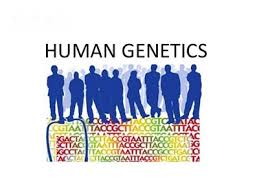
M.Sc. in Molecular And Human Genetics
M.Sc. in Molecular and Human Genetics is a 2-year postgraduate program that focuses on the study of genetic principles and their applications to human health and disease. The course covers a...
M.Sc. in Molecular And Human Genetics
×M.Sc. in Molecular and Human Genetics is a 2-year postgraduate program that focuses on the study of genetic principles and their applications to human health and disease. The course covers a wide range of topics, including molecular biology, genetic engineering, genomics, and bioinformatics, providing students with a deep understanding of human genetics and its impact on medicine. Students learn advanced laboratory techniques, diagnostic tools, and research methodologies. The program prepares graduates for careers in genetic counseling, clinical genetics, research, and biotechnology. This degree is ideal for those interested in pursuing research or clinical roles in genetics, offering a strong foundation for further study in molecular biology or medical genetics.
POPULAR COURSES
(D.ED(TCH))
A.N.M.
Acharya - Navyavyakarna
Acharya - Phalita Jyotisha
Acharya - Sanskrit Sahitya
Acharya - Siddhanta Jyotisha
Adobe Photoshop
Advance Certificate Course in Beauty Therapy
Advance Certificate Course in Cosmetology
Advance Certificate Course in Hair Dressing
Advance Certificate Course in Makeup Artistry
Advance certificate Course in Nail Technology
Advance Diploma in Anesthesia Technology
Advance Diploma In Child Guidance And Counselling
Advance Diploma in Dialysis Technology
Advance Diploma in Disciples India
Advance Diploma in Fashion Design & Technology
Advance Diploma in Industrial Safety
Advance Diploma In Insurance Sales
Advance Diploma in Interior Designing
Advance Diploma in Journalism & Mass Communication
Advance Diploma in Medical Lab Technology
Advance Diploma in Operation Theatre Technology
Advance Diploma in Radiology & Imaging Technology
Advance Diploma of Proficiency in French
Advance Diploma of Proficiency in German
Advance Diploma of Proficiency in Russian
Advanced Certificate in Medical Microbiology Laboratory Technology (ACMMLT)
Advanced Certified Software Developer
Advanced Diploma in 3D Printing Technology
Advanced Diploma in Animation
Advanced Diploma in Aviation, Hospitality and Tourism
Advanced Diploma in Computer Application
Advanced Diploma in Computer Software, System Analysis & Application
Advanced Diploma in Data Science
Advanced Diploma in Hardware And Networking
Advanced Diploma in Information Technology
Advanced Diploma in Machine Learning
Advanced Diploma in Multimedia Programming
Advanced Diploma in Networking
Advanced Diploma in Sound Recording Technology
Advanced Diploma in Textile Design
Advanced Diploma in Vastu and Jyotish
Agriculture & Allied Services
Agriculture & Horticulture
Agriculture & Live Stock Production
Agriculture Technology
AHDP Diploma In Animal Husbandry Program
Arogyamitra
Artificial Intelligence And Machine Learning
Automobile Technology
B,Com. in Computer Application
B. Sc. Hons. in Anaesthesia & Operation Theatre Technology
B. Sc. Hons. in Emergency Medical Technology
B. Sc. Hons.in Medical Laboratory Technology
B. Sc. in Hospitality and Tourism Management
B. Tech. in Fisheries Engineering
B. Tech. in Leather technology
B.A. General
B.A. B.Ed.
Popular Stream
State
Andaman and Nicobar Island (UT)
Andaman and Nicobar Islands
Andhra Pradesh
Arunachal Pradesh
Assam
Bihar
Chandigarh
Chandigarh (UT)
Chhattisgarh
Dadra and Nagar
Dadra and Nagar Haveli
Dadra and Nagar Haveli (UT)
Daman and Diu
Daman and Diu (UT)
Delhi
Delhi (NCT)
Donets'k
Goa
Gujarat
Gujarat
Haryana
Himachal Pradesh
Jammu and Kashmir
Jammu and Kashmir(UT)
Jharkhand
jjj
Karnataka
Kerala
Ladakh(UT)
Lakshadweep
LAKSHADWEEP (UT)
Madhya Pradesh
Maharashtra
Manipur
Meghalaya
Mizoram
Nagaland
Niigata
Odisha
Puducherry