PhD in Agronomy normally takes 3-5 years to complete, with a concentration on advanced crop science, soil management, and sustainable agriculture techniques. This doctoral program requires a master's degree in a comparable discipline and consists of coursework, comprehensive exams, and an original dissertation. Students study plant genetics, soil chemistry, precision agriculture, and climate-resilient farming approaches. The curriculum frequently incorporates fieldwork, laboratory research, and partnerships with agricultural industries. Graduates get opportunities in academia, research institutions, government organizations, or the commercial sector, where they can help improve agricultural yields, develop sustainable farming methods, and address global food security issues.
Central Agricultural University
Central Agricultural University Admission Open
Ph.D. in Veterinary Pathology
Ph.D. in Veterinary Pathology typically requires 3 - 5 years of study beyond the master's degree, focusing on the study of diseases in animals and their diagnosis. The program encomp...
Ph.D. in Veterinary Pathology
×Ph.D. in Veterinary Pathology typically requires 3 - 5 years of study beyond the master's degree, focusing on the study of diseases in animals and their diagnosis. The program encompasses advanced coursework in pathology, microbiology, immunology, and related disciplines, combined with extensive research experience. Candidates are expected to conduct original research, often involving laboratory work, field studies, and clinical observations. A dissertation presenting significant findings is a crucial requirement for graduation. Graduates pursue careers in academia, research institutions, diagnostic laboratories, and veterinary practice, contributing to animal health and disease management, as well as public health initiatives.

Ph.D. in Veterinary Sciences
Ph.D. in Veterinary Sciences typically requires a duration of 3-5 years, depending on the program and research focus. This advanced degree prepares students for careers in research, academia,...
Ph.D. in Veterinary Sciences
×Ph.D. in Veterinary Sciences typically requires a duration of 3-5 years, depending on the program and research focus. This advanced degree prepares students for careers in research, academia, and clinical practice, emphasizing the study of animal health, disease prevention, and veterinary medicine. Candidates often engage in extensive research, contributing original findings to the field, and may specialize in areas such as veterinary pathology, microbiology, or surgery. Coursework generally includes advanced topics in animal physiology, pharmacology, and epidemiology. Graduates are equipped to address complex veterinary challenges, promote animal welfare, and enhance public health through veterinary research and education.
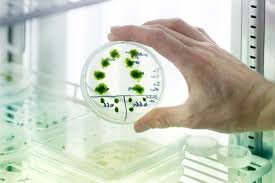
Ph.D. in Genetics & Plant Breeding
Ph.D. in Genetics and Plant Breeding typically spans 3 - 5 years, focusing on advanced research in the genetic improvement of crops. The program covers various aspects, including molecul...
Ph.D. in Genetics & Plant Breeding
×Ph.D. in Genetics and Plant Breeding typically spans 3 - 5 years, focusing on advanced research in the genetic improvement of crops. The program covers various aspects, including molecular genetics, genomics, and biotechnological applications, aiming to enhance traits such as yield, disease resistance, and environmental adaptability. Students engage in hands-on research, often involving field trials and laboratory experiments. Coursework may include statistics, bioinformatics, and plant physiology. Graduates are equipped for careers in academia, industry, or government, contributing to sustainable agriculture and food security through innovative breeding strategies and genetic research.
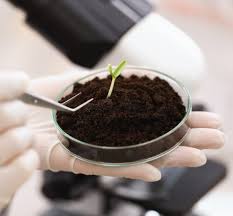
Ph.D. in Agriculture-Soil Science
Ph.D. in Agriculture with a specialization in Soil Science typically requires 3 to 5 years of study beyond a master's degree. This program focuses on advanced research in soil chemistry,...
Ph.D. in Agriculture-Soil Science
×Ph.D. in Agriculture with a specialization in Soil Science typically requires 3 to 5 years of study beyond a master's degree. This program focuses on advanced research in soil chemistry, microbiology, fertility, and conservation, preparing students to address critical agricultural challenges. Candidates engage in fieldwork and laboratory experiments to study soil properties, analyze nutrient management practices, and explore sustainable agricultural systems. The program culminates in a dissertation based on original research that contributes to the scientific understanding of soil ecosystems and their role in agricultural productivity. Graduates often pursue careers in academia, research institutions, or agricultural consultancy.
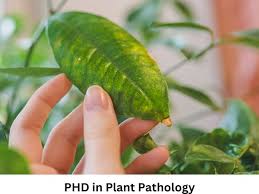
Ph.D. in Plant Pathology
Ph.D. in Plant Pathology normally lasts 3-5 years and focuses on the study of plant diseases caused by pathogens such as fungi, bacteria, viruses, and nematodes. The program combines intense i...
Ph.D. in Plant Pathology
×Ph.D. in Plant Pathology normally lasts 3-5 years and focuses on the study of plant diseases caused by pathogens such as fungi, bacteria, viruses, and nematodes. The program combines intense instruction in plant biology, microbiology, and disease management with extensive research. Candidates carry out innovative research to investigate disease resistance mechanisms, pathogen biology, and management techniques. The curriculum culminates with a dissertation based on research findings. Graduates frequently work in academia, research organizations, government agencies, or the agricultural industry, helping to promote crop protection, sustainable agriculture, and food security.
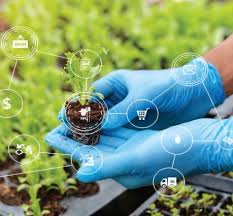
Ph.D. in Agricultural Economics
Ph.D. in Agricultural Economics usually takes 4-5 years to complete. The curriculum offers extensive instruction in applying economic theory and quantitative approaches to food and agricultura...
Ph.D. in Agricultural Economics
×Ph.D. in Agricultural Economics usually takes 4-5 years to complete. The curriculum offers extensive instruction in applying economic theory and quantitative approaches to food and agricultural challenges. Core courses include microeconomic theory, econometrics, and agricultural policy. Graduates are equipped to work in academia, government, agribusiness, and consulting, among other fields. The curriculum emphasizes hands-on research, with many students co-authoring publications alongside teachers. Admission is tough, frequently necessitating high academic qualifications and GRE scores. Assistantships and funding possibilities are available to help students in their studies.
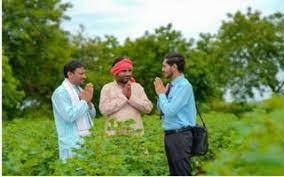
Ph.D. in Agricultural Extension Education
Ph.D. in Agricultural Extension Education is a doctoral degree that focuses on the theory and practice of delivering agricultural knowledge and technologies to farmers and rural communities. The pr...
Ph.D. in Agricultural Extension Education
×Ph.D. in Agricultural Extension Education is a doctoral degree that focuses on the theory and practice of delivering agricultural knowledge and technologies to farmers and rural communities. The program typically takes 4-5 years to complete and involves coursework in agricultural sciences, adult education, communication, and program evaluation. Graduates are prepared for careers in agricultural extension services, university teaching and research, and international development organizations. The degree emphasizes developing expertise in translating scientific advancements into practical applications that improve agricultural productivity and food security.

Ph.D. in Farm Machinery and Power Engineering
Ph.D. in Farm Machinery and Power Engineering is a 3-year doctoral program offered by the Tamil Nadu Agricultural University in Coimbatore, India. The program provides advanced training in agricult...
Ph.D. in Farm Machinery and Power Engineering
×Ph.D. in Farm Machinery and Power Engineering is a 3-year doctoral program offered by the Tamil Nadu Agricultural University in Coimbatore, India. The program provides advanced training in agricultural mechanization, farm implement design, and precision farming. Students complete coursework in the first year followed by thesis research. Graduates can pursue careers in agricultural research, government agricultural engineering departments, farm machinery companies, and entrepreneurship. The program aims to develop skilled manpower and promote collaborative research in the field of farm machinery and power engineering.

Ph.D. in Processing and Food Engineering
Ph.D. in Processing and Food Engineering typically takes 4-6 years to complete. The program focuses on advanced studies in food processing technologies, food safety, quality control, and the develo...
Ph.D. in Processing and Food Engineering
×Ph.D. in Processing and Food Engineering typically takes 4-6 years to complete. The program focuses on advanced studies in food processing technologies, food safety, quality control, and the development of innovative food products. Coursework covers topics such as food engineering principles, unit operations, food chemistry, and food microbiology. Students conduct original research in areas like food processing equipment design, food preservation techniques, and the optimization of food manufacturing processes. Graduates of this interdisciplinary program are prepared for research, development, and leadership roles in the food industry, as well as academic positions in food science and engineering departments.
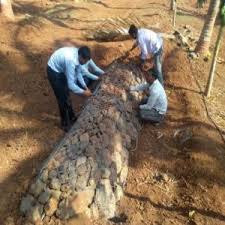
Ph.D. in Soil and Water Conservation Engineering
Ph.D. in Soil and Water Conservation Engineering is a 4-year postgraduate program that focuses on the sustainable management and conservation of soil and water resources. The curriculum cover...
Ph.D. in Soil and Water Conservation Engineering
×Ph.D. in Soil and Water Conservation Engineering is a 4-year postgraduate program that focuses on the sustainable management and conservation of soil and water resources. The curriculum covers topics such as erosion control, watershed management, land use planning, environmental impact assessment, and stormwater management. Graduates can pursue careers as soil and water conservation consultants, and researchers, or work in government agencies, NGOs, and environmental consulting firms. The demand for these professionals is growing due to increasing concerns about climate change, land degradation, and water scarcity. Admission typically requires a bachelor's degree and the completion of entrance exams like GATE or CUET-PG.
Ph.D. in Aquaculture
Ph.D. in Aquaculture typically spans 3 - 5 years and focuses on advanced studies in fish and shellfish production, aquatic ecosystem management, and sustainable practices. The program involves...
Ph.D. in Aquaculture
×Ph.D. in Aquaculture typically spans 3 - 5 years and focuses on advanced studies in fish and shellfish production, aquatic ecosystem management, and sustainable practices. The program involves rigorous research methodologies, with an emphasis on breeding, nutrition, health management, and environmental impact assessments of aquaculture systems. Students may engage in field studies, laboratory experiments, and data analysis to address challenges in the industry. Coursework often includes subjects like aquatic biology, resource management, and biotechnology. Graduates are prepared for careers in academia, research, government agencies, and the private sector, contributing to the advancement of sustainable aquaculture practices.
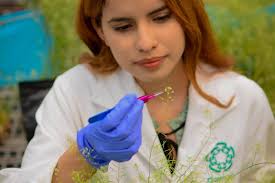
Ph.D. in Plant Biotechnology
Ph.D. in Plant Biotechnology is a research-based program that focuses on the use of biotechnology to improve plant health, production, and sustainability. The program, which typically lasts 3-5&nbs...
Ph.D. in Plant Biotechnology
×Ph.D. in Plant Biotechnology is a research-based program that focuses on the use of biotechnology to improve plant health, production, and sustainability. The program, which typically lasts 3-5 years, encompasses genetic engineering, molecular plant biology, plant tissue culture, plant genomics, and the development of genetically modified crops. Students conduct unique research to investigate how to address global concerns such as food security, insect resistance, and climate change through the application of biotechnological approaches to plant breeding and agricultural production. The program comprises molecular biology, genetics, bioinformatics, and research methods courses, which culminate in an original research dissertation. Graduates frequently pursue positions in academia, agricultural research, biotechnology corporations, or government agencies that promote agricultural innovation and environmental sustainability.
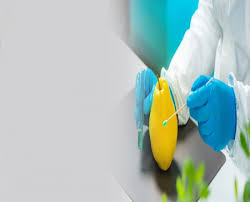
Ph.D. in Fruit Science
Ph.D. in Fruit Science is an advanced research-oriented program that focuses on the study of fruit crops, their cultivation, physiology, genetics, breeding, post-harvest management, and pest contro...
Ph.D. in Fruit Science
×Ph.D. in Fruit Science is an advanced research-oriented program that focuses on the study of fruit crops, their cultivation, physiology, genetics, breeding, post-harvest management, and pest control. The course aims to develop expertise in improving fruit production, quality, and sustainability through scientific research and technological innovations. Typically lasting 3-5 years, this program includes coursework, laboratory research, and field studies, with a strong emphasis on applied fruit science and agricultural advancements. Graduates can pursue careers in academia, research institutions, agricultural extension, and industry roles related to horticulture and fruit production management.
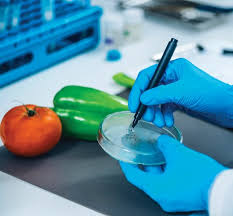
Ph.D. in Vegetable Science
Ph.D. in Vegetable Science is a research-focused program designed to develop advanced knowledge and expertise in the cultivation, production, and improvement of vegetables. The course covers areas...
Ph.D. in Vegetable Science
×Ph.D. in Vegetable Science is a research-focused program designed to develop advanced knowledge and expertise in the cultivation, production, and improvement of vegetables. The course covers areas such as plant breeding, pest management, crop physiology, soil health, and sustainable agricultural practices. Students engage in original research to address global challenges in food security, nutrition, and climate-resilient agriculture. The program typically spans 3 - 5 years and involves coursework, fieldwork, and dissertation research. Graduates are equipped for careers in academia, research institutions, government agencies, and the agricultural industry, contributing to the advancement of vegetable science and sustainable farming practices.

Ph.D. in Aquatic Animal Health Management
Ph.D. in Aquatic Animal Health Management investigates illnesses, infections, and health management strategies in aquatic animals such as fish, shellfish, and other marine organisms. The prog...
Ph.D. in Aquatic Animal Health Management
× Ph.D. in Aquatic Animal Health Management investigates illnesses, infections, and health management strategies in aquatic animals such as fish, shellfish, and other marine organisms. The program typically lasts 3 to 5 years and includes training in aquatic biology, microbiology, immunology, and veterinary sciences as well as extensive research. Students learn about disease diagnostics, epidemiology, biosecurity measures, sustainable aquaculture methods, and the effect of environmental factors on aquatic animal health. Emerging diseases, treatment options, and vaccine or pharmaceutical development are all possible topics of research. Graduates are equipped to work in academia, research institutes, aquaculture, and government organizations, helping to improve health management and disease prevention in aquatic animal populations.
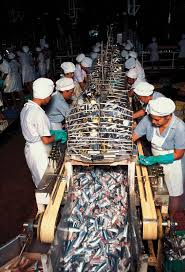
Ph.D. in Fish Processing Technology
Ph.D. in Fish Processing Technology examines the scientific and technological aspects of fish preservation, processing, and value-added products. The program typically lasts 3 to 5 years and integr...
Ph.D. in Fish Processing Technology
×Ph.D. in Fish Processing Technology examines the scientific and technological aspects of fish preservation, processing, and value-added products. The program typically lasts 3 to 5 years and integrates instruction in food science, biochemistry, microbiology, and aquaculture with original research. Students learn about fish preservation methods (freezing, drying, canning), processing processes, quality control, and the creation of novel products such as seafood-based functional foods. Research may also focus on sustainability in the fish processing business, waste management, and food safety. Graduates are prepared to work in academia, research institutions, the food industry, or government, contributing to advances in seafood production, processing, and technology.
Ph.D. in Animal Nutrition
Ph.D. in Animal Nutrition investigates animal diets, digestive processes, and the impact of nutrients in growth, reproduction, and overall health. The program, which typically lasts 3-5 ...
Ph.D. in Animal Nutrition
×Ph.D. in Animal Nutrition investigates animal diets, digestive processes, and the impact of nutrients in growth, reproduction, and overall health. The program, which typically lasts 3-5 years, integrates training in biochemistry, physiology, feed composition, and metabolic studies with original research. Students investigate food metabolism, the effect of nutrition on animal performance, and the development of long-term and cost-effective feeding methods for varied species. Graduates are prepared to work in academia, research, the animal feed industry, or agricultural organizations, helping to improve animal health, productivity, and sustainable farming techniques.

Ph.D. in Livestock Products Technology
Ph.D. in Livestock Products Technology studies the science and technology that underpins the production, processing, and quality control of animal-based goods such as meat, milk, eggs, and le...
Ph.D. in Livestock Products Technology
× Ph.D. in Livestock Products Technology studies the science and technology that underpins the production, processing, and quality control of animal-based goods such as meat, milk, eggs, and leather. The program typically lasts 3 to 5 years and includes instruction in food science, biochemistry, microbiology, and animal husbandry as well as extensive research. Students learn about meat and dairy processing, food safety, quality assurance, and new ways to preserve and enhance livestock products. Graduates are prepared to work in academia, the food industry, government regulatory agencies, and research organizations, helping to promote food safety, sustainability, and the creation of new livestock-based products.
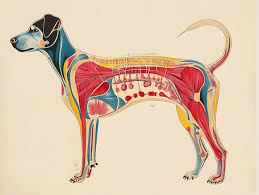
Ph.D. in Veterinary Anatomy
Ph.D. in Veterinary Anatomy studies the structure and function of animal organs, tissues, and systems, offering a thorough understanding of comparative anatomy, histology, and developmental biology...
Ph.D. in Veterinary Anatomy
×Ph.D. in Veterinary Anatomy studies the structure and function of animal organs, tissues, and systems, offering a thorough understanding of comparative anatomy, histology, and developmental biology. The degree typically lasts 3 to 5 years and includes courses in anatomy, physiology, embryology, and neuroanatomy as well as extensive research. Students study anatomical distinctions across species, organ system development, and the relationship between structure and function in veterinary medicine. Graduates are prepared to work in academia, research institutions, and veterinary practice, helping to advance surgical techniques, diagnostics, and the creation of new veterinary therapies and instructional approaches.

Ph.D. in Veterinary Biochemistry
PhD in Veterinary Biochemistry studies the molecular and biochemical processes that underpin animal health, disease, and nutrition. The program, which typically lasts 3-5 years, integrat...
Ph.D. in Veterinary Biochemistry
× PhD in Veterinary Biochemistry studies the molecular and biochemical processes that underpin animal health, disease, and nutrition. The program, which typically lasts 3-5 years, integrates instruction in biochemistry, molecular biology, physiology, and veterinary medicine with original research. Students study enzyme function, metabolic problems, protein synthesis, and the biochemistry of veterinary diseases. Animal nutrition, drug metabolism, and diagnostic tool development are all possible topics for research. Graduates are prepared to work in academia, veterinary research, pharmaceuticals, and diagnostic laboratories, helping to promote animal health, illness prevention, and the development of targeted treatments.
Ph.D. in Veterinary Gynaecology And Obstetrics
Ph.D. in Veterinary Gynaecology and Obstetrics is concerned with animal reproductive health, namely the diagnosis, treatment, and management of reproductive abnormalities in both large and sm...
Ph.D. in Veterinary Gynaecology And Obstetrics
× Ph.D. in Veterinary Gynaecology and Obstetrics is concerned with animal reproductive health, namely the diagnosis, treatment, and management of reproductive abnormalities in both large and small animals. The program typically lasts 3 to 5 years and includes instruction in veterinary anatomy, endocrinology, obstetrics, and reproductive technology, as well as extensive research. Students study fertility management, artificial insemination, embryo transfer, pregnancy problems, and surgical techniques in veterinary obstetrics. Graduates are prepared to work in academia, veterinary practice, or research, furthering our understanding of animal reproduction and enhancing reproductive health management in cattle, companion animals, and wildlife.

Ph.D. in Veterinary Medicine
Ph.D. in Veterinary Medicine is a high-level research degree that focuses on animal health, disease prevention, diagnostics, and therapy. The program, which typically lasts 3-5 years, in...
Ph.D. in Veterinary Medicine
× Ph.D. in Veterinary Medicine is a high-level research degree that focuses on animal health, disease prevention, diagnostics, and therapy. The program, which typically lasts 3-5 years, integrates instruction in advanced veterinary sciences, pathology, microbiology, pharmacology, and clinical practice with original research. Students study zoonotic illnesses, animal surgery, veterinary immunology, and veterinary epidemiology. The program prepares graduates for careers in academia, veterinary research, government, and clinical practice, where they can help advance veterinary knowledge, improve animal healthcare, and develop novel solutions for treating and preventing diseases in a variety of animal species.
Ph.D. in Veterinary Microbiology
Ph.D. in Veterinary Microbiology studies microorganisms such as bacteria, viruses, fungi, and parasites that harm animals and have an impact on veterinary care. The program, which typically l...
Ph.D. in Veterinary Microbiology
× Ph.D. in Veterinary Microbiology studies microorganisms such as bacteria, viruses, fungi, and parasites that harm animals and have an impact on veterinary care. The program, which typically lasts 3 to 5 years, integrates training in microbiology, immunology, molecular biology, and veterinary medicine with intensive research. Students study infectious diseases in animals, microbial pathogenesis, vaccine development, antibiotic resistance, and diagnostic procedures. Graduates are prepared for positions in academia, research institutes, veterinary diagnostics, and public health, where they can advance knowledge of animal diseases, improve diagnostic methods, and help develop vaccines and medicines to protect both animal and human health.
Ph.D. in Veterinary Parasitology
Ph.D. in Veterinary Parasitology studies parasites that infect animals, including their biology, life cycles, transmission, and influence on health. The curriculum, which typically lasts 3-5&...
Ph.D. in Veterinary Parasitology
× Ph.D. in Veterinary Parasitology studies parasites that infect animals, including their biology, life cycles, transmission, and influence on health. The curriculum, which typically lasts 3-5 years, integrates courses in parasitology, immunology, veterinary medicine, and epidemiology with original research. Students learn about zoonotic parasites, vector-borne diseases, parasitic infections in cattle, wildlife, and companion animals, as well as management and prevention measures. Graduates are equipped for positions in academia, veterinary practice, research institutions, and public health organizations, where they can help develop effective therapies, control programs, and preventive measures to mitigate the burden of parasite infections.

Ph.D. in Agriculture Chemistry
The advanced study of chemical processes and interactions in agriculture, such as soil chemistry, fertilizers, insecticides, and plant development agents, is the emphasis of a Ph.D. program in agri...
Ph.D. in Agriculture Chemistry
×The advanced study of chemical processes and interactions in agriculture, such as soil chemistry, fertilizers, insecticides, and plant development agents, is the emphasis of a Ph.D. program in agricultural chemistry. The program, which usually lasts 3-5 years, entails a thorough investigation of the chemical makeup of soil, water, and plants, as well as how these factors affect crop productivity, sustainability, and environmental health. Through experimental research, students create novel chemical techniques to improve farming operations. Graduates can contribute to improvements in crop protection, sustainable farming, and the creation of environmentally friendly agricultural solutions by working as agricultural chemists, researchers, or educators.
Ph.D. in Plant Molecular Biology
Ph.D. in Plant Molecular Biology typically spans 3 - 5 years and focuses on the molecular mechanisms underlying plant growth, development, and responses to environmental stimuli. This interdis...
Ph.D. in Plant Molecular Biology
×Ph.D. in Plant Molecular Biology typically spans 3 - 5 years and focuses on the molecular mechanisms underlying plant growth, development, and responses to environmental stimuli. This interdisciplinary program combines aspects of genetics, biochemistry, and biotechnology, allowing students to explore topics such as gene expression, molecular genetics, and plant breeding. Research may involve techniques like CRISPR, RNA sequencing, and transgenic plant technology. Graduates often pursue careers in academia, research institutions, or industry roles related to agriculture, horticulture, and environmental science, contributing to advancements in sustainable practices and crop improvement to address global food security challenges.