
Ph.D. in English takes approximately 5-7 years to accomplish, depending on the program and individual progress. This postgraduate degree emphasizes in-depth study of literature, language, and critical theory. Students conduct substantial research, culminating in a PhD dissertation that adds novel knowledge to the discipline. The curriculum frequently includes coursework, extensive tests, and teaching obligations. Specializations may include medieval literature, postcolonial studies, and digital humanities. Graduates get opportunities for positions in academia, publishing, and advanced research. The degree needs a solid basis in literary interpretation, exceptional writing skills, and the capacity to perform independent scholarly research.
Central University of Jharkhand
Central University of Jharkhand Admission Open

Ph.D. in Hindi
Ph.D. in Hindi takes approximately 3-5 years to finish, depending on the university and the candidate's research progress. This postgraduate degree program emphasizes in-depth study and innovat...
Ph.D. in Hindi
×Ph.D. in Hindi takes approximately 3-5 years to finish, depending on the university and the candidate's research progress. This postgraduate degree program emphasizes in-depth study and innovative research in Hindi language, literature, and culture. Students investigate numerous topics, including Hindi linguistics, classical and modern Hindi literature, comparative studies, and cultural theories. The program typically includes coursework, comprehensive exams, and a PhD dissertation. Candidates are expected to make fresh contributions to the field through their research. Students can pursue their career in academics, research, translation, or cultural organizations. Admission to a Ph.D. program in Hindi frequently requires Hindi proficiency as well as a master's degree in a relevant discipline.

Ph.D. in Commerce
The Ph.D. in Commerce is a required 4-5 year advanced research degree program that gives comprehensive training in the theory, research methodologies, and practical applications of numerous bu...
Ph.D. in Commerce
×The Ph.D. in Commerce is a required 4-5 year advanced research degree program that gives comprehensive training in the theory, research methodologies, and practical applications of numerous business and management fields. The program includes in-depth study of accounting, finance, marketing, human resources, operations, and strategy. Independent research projects, scholarly publications, and collaborations with industry and academia help students develop expertise in identifying and investigating complex business problems, designing innovative solutions, and contributing to the advancement of knowledge in the dynamic and multifaceted field of business. Graduates of this program have the opportunity to work as business researchers, consultants, policymakers, and faculty members in universities, research institutions, and major corporations.

Ph.D. in Computer Science And Engineering
Ph.D. in Computer Science and Engineering usually requires 4-6 years to attain, depending on the university and the stage of the study. This advanced degree focuses cutting-edge research in f...
Ph.D. in Computer Science And Engineering
×Ph.D. in Computer Science and Engineering usually requires 4-6 years to attain, depending on the university and the stage of the study. This advanced degree focuses cutting-edge research in fields such as artificial intelligence, machine learning, cybersecurity, computer networks, and software engineering. Students take tough courses, perform unique research, and submit a dissertation under faculty supervision. The program of study encourages skill in problem-solving, critical thinking, and innovation in the sector. Graduates are prepared to work in academia, research labs, or high-level positions within the technology business. Admission usually requires a master's degree in a related discipline, an impressive academic record, and research potential. Teaching or research fellowships are common sources for funding.

Ph.D. in Civil Engineering
A Ph.D. in Civil Engineering typically requires 3-5 years to complete, depending on the university and research area. This graduate degree program emphasizes particular fields such as structural en...
Ph.D. in Civil Engineering
×A Ph.D. in Civil Engineering typically requires 3-5 years to complete, depending on the university and research area. This graduate degree program emphasizes particular fields such as structural engineering, geotechnical engineering, transportation systems, environmental engineering, and water resource management. Students take difficult courses, do unique research, and write a doctoral thesis that adds new understanding to the area. The program of study addresses advanced analytical abilities, research approaches, and problem-solving techniques applicable to difficult civil engineering tasks. Graduates are prepared for managerial roles in academia, research institutes, government agencies, or the commercial sector, where they can drive innovation in building infrastructure, sustainability, and urban planning.

Ph.D. in Mass Communication
Ph.D. in Mass Communication usually takes 3-5 years to complete, depending on the program and research requirements. This postgraduate degree focuses on media, communication theories, and thei...
Ph.D. in Mass Communication
×Ph.D. in Mass Communication usually takes 3-5 years to complete, depending on the program and research requirements. This postgraduate degree focuses on media, communication theories, and their social implications. Students complete challenging courses, conduct independent research, and frequently serve as teaching assistants. The curriculum includes topics such as media effects, digital communication, journalism, public relations, and research methods. Candidates are expected to offer original research in the way of a dissertation that explores completely into specific aspects of mass communication. This degree prepares students for careers in academia, research institutes, media organizations, and high-level roles in communication-related companies.

Ph.D. in Chemistry
Ph.D. in Chemistry takes around 4-6 years to complete, depending on the research project and institution. This doctoral program emphasizes distinctive research in certain areas of chemistry, such a...
Ph.D. in Chemistry
×Ph.D. in Chemistry takes around 4-6 years to complete, depending on the research project and institution. This doctoral program emphasizes distinctive research in certain areas of chemistry, such as organic, inorganic, physical, or analytical chemistry. Students pursue more advanced courses, perform substantial laboratory research, and develop a dissertation based on their findings. The program includes generating hypotheses, designing experiments, analyzing data, and bringing new knowledge to the field. Ph.D. candidates frequently interact with other experts, give presentation at conferences, and publish articles in scientific publications. This degree equips graduates with job opportunities in academia, industry research, government laboratories, and other scientific fields that require advanced chemical skills.

Ph.D. in Mathematics
Ph.D. in Mathematics is a terminal degree that usually requires 4-7 years to accomplish after acquiring a bachelor's degree. The curriculum comprises advanced coursework in pure and appli...
Ph.D. in Mathematics
×Ph.D. in Mathematics is a terminal degree that usually requires 4-7 years to accomplish after acquiring a bachelor's degree. The curriculum comprises advanced coursework in pure and applied mathematics, as well as independent research that leads to the completion of a doctorate research. PhD students acquire proficiency in abstract algebra, real and complex analysis, topology, and discrete mathematics. The degree prepares graduates for academic careers as university professors and researchers, as well as jobs in industries such as banking, technology, and government that require strong quantitative and problem-solving abilities.

Ph.D. in Physics
Ph.D. in Physics generally requires 5-7 years to complete, and it comprises advanced coursework, independent research, and a doctorate dissertation. Students explore the fundamental concepts...
Ph.D. in Physics
×Ph.D. in Physics generally requires 5-7 years to complete, and it comprises advanced coursework, independent research, and a doctorate dissertation. Students explore the fundamental concepts of matter and energy, and often specialize in quantum mechanics, astrophysics, or particle physics. The program fosters critical thinking, problem-solving skills, and knowledge in experimental or theoretical physics. Graduates are prepared to work in academia, research institutions, or industry, contributing to innovative scientific discoveries and technical developments. This challenging degree requires dedication, intellectual curiosity, and the ability to push the limits of human knowledge of the physical cosmos.
Ph.D. in Commerce
The Ph.D. in Commerce is a required 4-5 year advanced research degree program that gives comprehensive training in the theory, research methodologies, and practical applications of numerous bu...
Ph.D. in Commerce
×The Ph.D. in Commerce is a required 4-5 year advanced research degree program that gives comprehensive training in the theory, research methodologies, and practical applications of numerous business and management fields. The program includes in-depth study of accounting, finance, marketing, human resources, operations, and strategy. Independent research projects, scholarly publications, and collaborations with industry and academia help students develop expertise in identifying and investigating complex business problems, designing innovative solutions, and contributing to the advancement of knowledge in the dynamic and multifaceted field of business. Graduates of this program have the opportunity to work as business researchers, consultants, policymakers, and faculty members in universities, research institutions, and major corporations.

Ph.D. in Business Administration
Ph.D. in Business Administration normally takes 3-5 years and focuses on advanced research approaches and theoretical frameworks in a variety of business fields, including management, fi...
Ph.D. in Business Administration
×Ph.D. in Business Administration normally takes 3-5 years and focuses on advanced research approaches and theoretical frameworks in a variety of business fields, including management, finance, marketing, and organizational behavior. The program frequently demands the completion of core courses, rigorous tests, and a dissertation that provides original information about the discipline. Students conduct in-depth studies and analyses of current business difficulties, preparing them for academic, research, and high-level consulting positions. Admission often requires a suitable master's degree, a strong academic record, and research proposals that outline a clear vision for future research interests.

Ph.D. in Environmental Science
Ph.D. in Environmental Science normally lasts 3-5 years and focuses on advanced study on key environmental challenges. The program includes difficult courses in ecological theory, enviro...
Ph.D. in Environmental Science
×Ph.D. in Environmental Science normally lasts 3-5 years and focuses on advanced study on key environmental challenges. The program includes difficult courses in ecological theory, environmental policy, sustainability, and advanced research methods. Students conduct original research, which frequently includes fieldwork, data analysis, and interdisciplinary cooperation, culminating in a dissertation that adds to the body of knowledge in the discipline. Candidates may study climate change, conservation biology, environmental chemistry, or ecosystem management. The curriculum prepares graduates for positions in academia, government agencies, non-profit organizations, and the commercial sector, with an emphasis on practical solutions to environmental issues.

Ph.D. in Statistics
Ph.D. in Statistics typically spans 4 - 6 years and involves advanced coursework in statistical theory, methodology, and application. The program often includes courses in multivariate analysi...
Ph.D. in Statistics
×Ph.D. in Statistics typically spans 4 - 6 years and involves advanced coursework in statistical theory, methodology, and application. The program often includes courses in multivariate analysis, Bayesian statistics, statistical modeling, and data mining. Students are expected to conduct original research, culminating in a dissertation that contributes new knowledge to the field. Ph.D. candidates may also participate in teaching and mentoring undergraduate students. Admission usually requires a strong background in mathematics and statistics, along with GRE scores and letters of recommendation. Graduates often pursue careers in academia, industry, or government, focusing on data analysis, research, and statistical consulting.
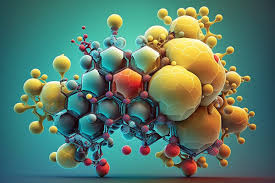
Ph.D. in Nanoscience and Technology
A Ph.D. in Nanoscience and Technology is a research-based program that focuses on the study and application of nanomaterials and nanotechnology, as well as their integration into industries like el...
Ph.D. in Nanoscience and Technology
×A Ph.D. in Nanoscience and Technology is a research-based program that focuses on the study and application of nanomaterials and nanotechnology, as well as their integration into industries like electronics, energy, and medicine. The program typically lasts 3-5 years and covers topics such as nanomaterial production, characterisation techniques, quantum mechanics, and nanofabrication. Students conduct cutting-edge research to create new nanoscale materials and investigate their potential applications in areas such as medication delivery, sensors, and renewable energy. In most cases, admission requires a Master's degree in Physics, Chemistry, Materials Science, or a related field. Graduates work in academia, research institutes, or enterprises that focus on nanotechnology and innovation.
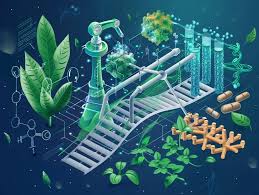
Ph.D. in Life Sciences
Ph.D. in Life Sciences is a research-intensive program that covers a wide range of biological disciplines, with a focus on understanding the basic mechanics of living organisms and ecosystems. The...
Ph.D. in Life Sciences
×Ph.D. in Life Sciences is a research-intensive program that covers a wide range of biological disciplines, with a focus on understanding the basic mechanics of living organisms and ecosystems. The program typically lasts 3-5 years and covers molecular biology, genetics, biochemistry, cell biology, microbiology, ecology, immunology, and biotechnology. Students do original research on areas such as disease processes, genetic engineering, environmental sustainability, medication development, and organism-environment interactions. Graduates of this degree frequently pursue positions in academia, research institutes, biotechnology, pharmaceuticals, and healthcare. Admission normally requires a Master's degree in biology or a related subject, as well as a solid understanding of research procedures and laboratory skills.
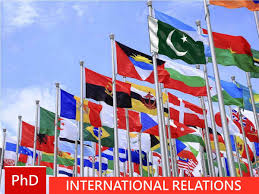
Ph.D. in International Relations
Ph.D. in International Relations is a research-intensive degree that examines global political processes, international conflicts, diplomacy, global governance, and international law. The curriculu...
Ph.D. in International Relations
×Ph.D. in International Relations is a research-intensive degree that examines global political processes, international conflicts, diplomacy, global governance, and international law. The curriculum, which typically lasts 3-5 years, focuses on essential subjects such as foreign policy analysis, international organizations (for example, the United Nations), security studies, international trade, human rights, and global environmental concerns. Students do innovative research on the interactions between states, non-state actors, and international institutions, as well as the effects of globalization, power dynamics, and international cooperation. Graduates of the program work in academia, government, international organizations, think tanks, diplomatic services, and global consulting firms. Admission normally needs a master's degree in political science, international relations, or a comparable discipline, with a strong research background and analytical skills.
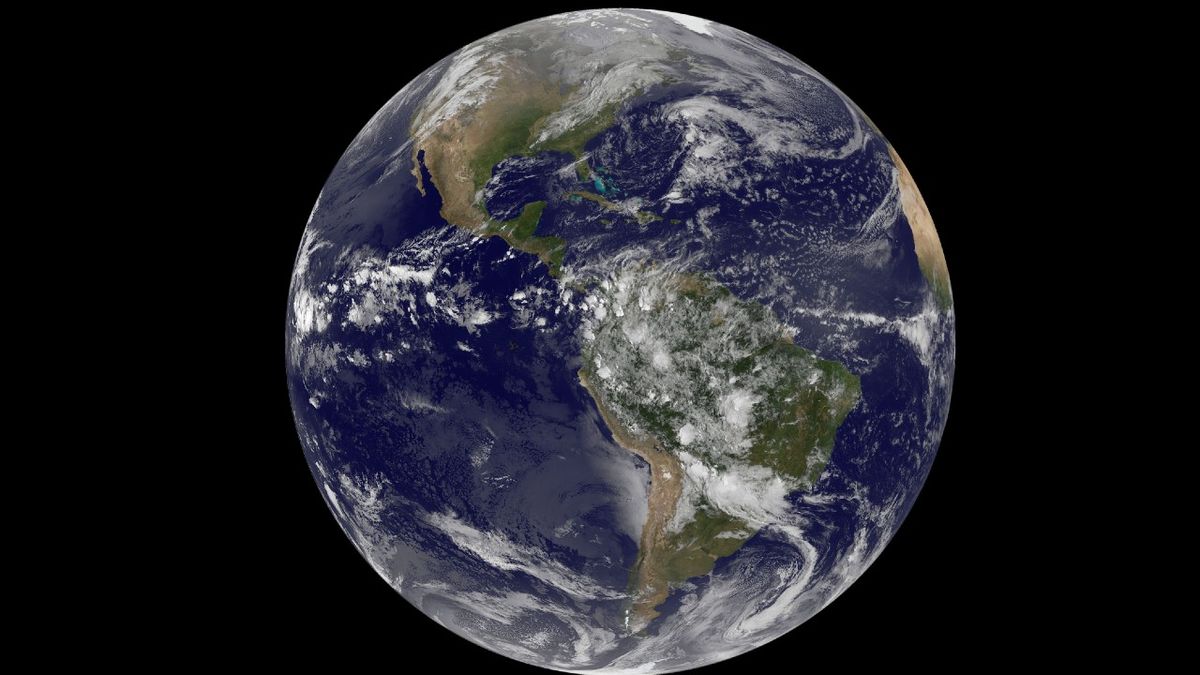
Ph.D. in Geo-Informatics
Usually taking 4 - 6 years to finish, a Ph.D. in Geo-Informatics is a research-focused degree. In order to build advanced abilities in geographic information systems (GIS), modeling, satellite...
Ph.D. in Geo-Informatics
×Usually taking 4 - 6 years to finish, a Ph.D. in Geo-Informatics is a research-focused degree. In order to build advanced abilities in geographic information systems (GIS), modeling, satellite imagery, and spatial data analysis, the curriculum integrates geography, information science, and technology. Spatial statistics, programming, cartography, and geospatial databases are among those that are addressed in the coursework. An unique research project that significantly advances the field of geo-informatics forms the basis of the degree. Graduates are equipped for positions working on complex spatial information problems in academia, government institutions, private businesses, and research groups.
Ph.D. in Energy Engineering
A Ph.D. in Energy Engineering is typically a 4-6 year program that provides advanced training in the design, development, and optimization of sustainable energy systems and technologies. Renewable...
Ph.D. in Energy Engineering
×A Ph.D. in Energy Engineering is typically a 4-6 year program that provides advanced training in the design, development, and optimization of sustainable energy systems and technologies. Renewable energy sources, energy conversion and storage, power systems engineering, energy policy, and the incorporation of cutting-edge technologies like energy harvesting and smart grids are among the subjects covered in the program. To advance scholarly knowledge of issues and advancements in fields like energy efficiency, grid modernization, energy storage, and the shift to a low-carbon economy, students carry out original research, frequently in partnership with energy research labs, utility companies, or governmental organizations. Graduates of this degree are equipped for leadership positions in research and development, energy policy and regulation, renewable energy project development, academia, and energy consultancy.
POPULAR COURSES
(D.ED(TCH))
A.N.M.
Acharya - Navyavyakarna
Acharya - Phalita Jyotisha
Acharya - Sanskrit Sahitya
Acharya - Siddhanta Jyotisha
Adobe Photoshop
Advance Certificate Course in Beauty Therapy
Advance Certificate Course in Cosmetology
Advance Certificate Course in Hair Dressing
Advance Certificate Course in Makeup Artistry
Advance certificate Course in Nail Technology
Advance Diploma in Anesthesia Technology
Advance Diploma In Child Guidance And Counselling
Advance Diploma in Dialysis Technology
Advance Diploma in Disciples India
Advance Diploma in Fashion Design & Technology
Advance Diploma in Industrial Safety
Advance Diploma In Insurance Sales
Advance Diploma in Interior Designing
Advance Diploma in Journalism & Mass Communication
Advance Diploma in Medical Lab Technology
Advance Diploma in Operation Theatre Technology
Advance Diploma in Radiology & Imaging Technology
Advance Diploma of Proficiency in French
Advance Diploma of Proficiency in German
Advance Diploma of Proficiency in Russian
Advanced Certificate in Medical Microbiology Laboratory Technology (ACMMLT)
Advanced Certified Software Developer
Advanced Diploma in 3D Printing Technology
Advanced Diploma in Animation
Advanced Diploma in Aviation, Hospitality and Tourism
Advanced Diploma in Computer Application
Advanced Diploma in Computer Software, System Analysis & Application
Advanced Diploma in Data Science
Advanced Diploma in Hardware And Networking
Advanced Diploma in Information Technology
Advanced Diploma in Machine Learning
Advanced Diploma in Multimedia Programming
Advanced Diploma in Networking
Advanced Diploma in Sound Recording Technology
Advanced Diploma in Textile Design
Advanced Diploma in Vastu and Jyotish
Agriculture & Allied Services
Agriculture & Horticulture
Agriculture & Live Stock Production
Agriculture Technology
AHDP Diploma In Animal Husbandry Program
Arogyamitra
Artificial Intelligence And Machine Learning
Automobile Technology
B,Com. in Computer Application
B. Sc. Hons. in Anaesthesia & Operation Theatre Technology
B. Sc. Hons. in Emergency Medical Technology
B. Sc. Hons.in Medical Laboratory Technology
B. Sc. in Hospitality and Tourism Management
B. Tech. in Fisheries Engineering
B. Tech. in Leather technology
B.A. General
B.A. B.Ed.
Popular Stream
State
Andaman and Nicobar Island (UT)
Andaman and Nicobar Islands
Andhra Pradesh
Arunachal Pradesh
Assam
Bihar
Chandigarh
Chandigarh (UT)
Chhattisgarh
Dadra and Nagar
Dadra and Nagar Haveli
Dadra and Nagar Haveli (UT)
Daman and Diu
Daman and Diu (UT)
Delhi
Delhi (NCT)
Donets'k
Goa
Gujarat
Gujarat
Haryana
Himachal Pradesh
Jammu and Kashmir
Jammu and Kashmir(UT)
Jharkhand
jjj
Karnataka
Kerala
Ladakh(UT)
Lakshadweep
LAKSHADWEEP (UT)
Madhya Pradesh
Maharashtra
Manipur
Meghalaya
Mizoram
Nagaland
Niigata
Odisha
Puducherry