PhD in Agronomy normally takes 3-5 years to complete, with a concentration on advanced crop science, soil management, and sustainable agriculture techniques. This doctoral program requires a master's degree in a comparable discipline and consists of coursework, comprehensive exams, and an original dissertation. Students study plant genetics, soil chemistry, precision agriculture, and climate-resilient farming approaches. The curriculum frequently incorporates fieldwork, laboratory research, and partnerships with agricultural industries. Graduates get opportunities in academia, research institutions, government organizations, or the commercial sector, where they can help improve agricultural yields, develop sustainable farming methods, and address global food security issues.
.png)
Chaudhary Charan Singh Haryana Agricultural University
Chaudhary Charan Singh Haryana Agricultural University Admission Open

Ph.D. in Agriculture Engineering
Ph.D. in Agricultural Engineering usually takes 3-5 years to complete, depending on the research project and school. This advanced degree focuses on using engineering principles to tackle agricultu...
Ph.D. in Agriculture Engineering
×Ph.D. in Agricultural Engineering usually takes 3-5 years to complete, depending on the research project and school. This advanced degree focuses on using engineering principles to tackle agricultural problems, such as developing sustainable farming techniques, designing efficient irrigation systems, and producing novel agricultural equipment. Students complete challenging courses on issues such as soil and water conservation, precision agriculture, and bioenergy systems. The curriculum concludes with original research and a dissertation, which contributes new knowledge to the discipline. Graduates get opportunities for various positions such as in academia, research institutions, government organizations, or the business sector, where they can drive advances in food production, environmental sustainability, and agricultural technology.

Ph.D. in Sociology
Ph.D. in Sociology usually takes 4-7 years to complete, depending on the program and individual success. This postgraduate degree emphasizes the scientific study of human social behavior, instituti...
Ph.D. in Sociology
×Ph.D. in Sociology usually takes 4-7 years to complete, depending on the program and individual success. This postgraduate degree emphasizes the scientific study of human social behavior, institutions, and societies. Students complete challenging coursework, develop research skills, and perform original research, which culminates in a PhD dissertation. The curriculum frequently includes sophisticated statistical tools, sociological theory, and specialist topics such as inequality, globalization, and urban sociology. Graduates get the opportunity to work in academia, research institutions, government agencies, and non-profit organizations. The curriculum involves a strong analytical approach, outstanding writing abilities, and the capacity to develop and carry out complicated research projects that add new knowledge to the subject.
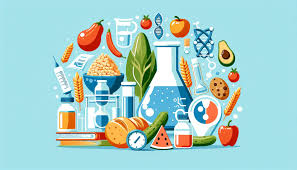
Ph.D. in Food And Nutrition
Ph.D. in Food and Nutrition usually takes3-5 years to complete, depending on the curriculum and research requirements. This graduate degree program promotes in-depth study and distinctive research...
Ph.D. in Food And Nutrition
×Ph.D. in Food and Nutrition usually takes3-5 years to complete, depending on the curriculum and research requirements. This graduate degree program promotes in-depth study and distinctive research in fields such as nutritional metabolism, food science, public health nutrition, and dietary interventions. Students acquire skills in research methods, statistical analysis, and scientific writing. In addition to specific nutrition subjects, the curriculum often involves advanced training in biochemistry, physiology, and epidemiology. Candidates are expected to do independent research, culminating in a doctoral dissertation that improves knowledge in the regulation. Graduates are prepared to pursue careers in academia, research institutes, government agencies, or industry, where they can direct nutrition research, formulate policy, or innovate in food science and technology.
Ph.D. in Biotechnology
Ph.D. in Biotechnology is an advanced research degree that involves biology, technology, and engineering. It generally takes 4-6 years to complete. The curriculum focuses on discovering innovative...
Ph.D. in Biotechnology
×Ph.D. in Biotechnology is an advanced research degree that involves biology, technology, and engineering. It generally takes 4-6 years to complete. The curriculum focuses on discovering innovative solutions to healthcare, agricultural businesses, and environmental issues. Students engage in intensive coursework, laboratory research, and frequent collaborations with industry partners. Genetic engineering, bioinformatics, molecular biology, and bioprocess engineering are all significant study fields. Candidates have to do original research, publish in peer-reviewed publications, and defend their doctoral thesis. This degree prepares graduates for managerial positions in academia, research institutes, pharmaceutical businesses, and biotech startups, advancing disciplines such as medication development, sustainable agriculture, and biofuel production.
Ph.D. in Biochemistry
A Ph.D. in Biochemistry normally takes 4-6 years to complete, with a concentration on the chemical processes found within and related to living organisms. This advanced degree needs intensive labor...
Ph.D. in Biochemistry
×A Ph.D. in Biochemistry normally takes 4-6 years to complete, with a concentration on the chemical processes found within and related to living organisms. This advanced degree needs intensive laboratory research, data analysis, and the creation of a unique thesis. Students analyze molecular biology, enzymology, and cellular metabolism. The program often involves coursework, teaching assistantships, and the publication of research publications. Graduates have the ability to pursue careers in academia, pharmaceutical research, biotechnology, and allied fields. The doctoral program develops critical thinking, problem-solving abilities, and the ability to design and conduct autonomous research, resulting in important contributions to the field of biochemistry and related life sciences.
Ph.D. in Chemistry
Ph.D. in Chemistry takes around 4-6 years to complete, depending on the research project and institution. This doctoral program emphasizes distinctive research in certain areas of chemistry, such a...
Ph.D. in Chemistry
×Ph.D. in Chemistry takes around 4-6 years to complete, depending on the research project and institution. This doctoral program emphasizes distinctive research in certain areas of chemistry, such as organic, inorganic, physical, or analytical chemistry. Students pursue more advanced courses, perform substantial laboratory research, and develop a dissertation based on their findings. The program includes generating hypotheses, designing experiments, analyzing data, and bringing new knowledge to the field. Ph.D. candidates frequently interact with other experts, give presentation at conferences, and publish articles in scientific publications. This degree equips graduates with job opportunities in academia, industry research, government laboratories, and other scientific fields that require advanced chemical skills.
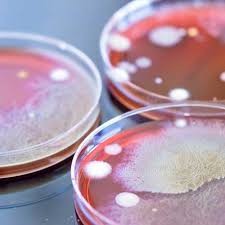
Ph.D. in Microbiology
Ph.D. in Microbiology usually takes 4-6 years to complete which involves extensive research on microorganisms, their interactions, and their impact on various ecosystems. The academic program inclu...
Ph.D. in Microbiology
×Ph.D. in Microbiology usually takes 4-6 years to complete which involves extensive research on microorganisms, their interactions, and their impact on various ecosystems. The academic program includes advanced coursework, laboratory research, and a dissertation. Students research bacterial genetics, virology, immunology, and microbial ecology. They acquire experts in cutting-edge procedures such as gene sequencing, bioinformatics, and microscopy. This degree prepares graduates for professions in academia, biotechnology, pharmaceuticals, and public health, granting them the skills they need to address global issues such as antibiotic resistance and new infectious diseases.

Ph.D. in Mathematics
Ph.D. in Mathematics is a terminal degree that usually requires 4-7 years to accomplish after acquiring a bachelor's degree. The curriculum comprises advanced coursework in pure and appli...
Ph.D. in Mathematics
×Ph.D. in Mathematics is a terminal degree that usually requires 4-7 years to accomplish after acquiring a bachelor's degree. The curriculum comprises advanced coursework in pure and applied mathematics, as well as independent research that leads to the completion of a doctorate research. PhD students acquire proficiency in abstract algebra, real and complex analysis, topology, and discrete mathematics. The degree prepares graduates for academic careers as university professors and researchers, as well as jobs in industries such as banking, technology, and government that require strong quantitative and problem-solving abilities.

Ph.D. in Physics
Ph.D. in Physics generally requires 5-7 years to complete, and it comprises advanced coursework, independent research, and a doctorate dissertation. Students explore the fundamental concepts...
Ph.D. in Physics
×Ph.D. in Physics generally requires 5-7 years to complete, and it comprises advanced coursework, independent research, and a doctorate dissertation. Students explore the fundamental concepts of matter and energy, and often specialize in quantum mechanics, astrophysics, or particle physics. The program fosters critical thinking, problem-solving skills, and knowledge in experimental or theoretical physics. Graduates are prepared to work in academia, research institutions, or industry, contributing to innovative scientific discoveries and technical developments. This challenging degree requires dedication, intellectual curiosity, and the ability to push the limits of human knowledge of the physical cosmos.
Ph.D. in Bioinformatics
The Ph.D. in Bioinformatics is a 4-5 year advanced research-oriented program that offers comprehensive training in the interdisciplinary subject of computational biology. The program includes parts...
Ph.D. in Bioinformatics
×The Ph.D. in Bioinformatics is a 4-5 year advanced research-oriented program that offers comprehensive training in the interdisciplinary subject of computational biology. The program includes parts such as genomics, proteomics, systems biology, machine learning, and high-performance computing. Independent research projects, laboratory work, and collaborations with industry and academia help students acquire competence in building unique computer algorithms, developing advanced data analysis tools, and applying them to challenging biological challenges. Graduates of this program are trained to work as bioinformatics scientists, computational biology researchers, data scientists, and faculty members in universities and research institutions at the forefront of bioinformatics and computational life sciences.
Ph.D. in Zoology
Ph.D. in Zoology normally takes 3 -5 years of study after obtaining a master's degree. The curriculum requires intensive training in animal biology, ecology, evolutionary biology, and genetics,...
Ph.D. in Zoology
×Ph.D. in Zoology normally takes 3 -5 years of study after obtaining a master's degree. The curriculum requires intensive training in animal biology, ecology, evolutionary biology, and genetics, as well as considerable research. Students must write a dissertation that brings new knowledge to the field, which frequently includes laboratory research, field surveys, or data analysis. During this time, candidates may also teach undergraduate classes, attend seminars, and publish research findings in academic journals. Graduates are equipped for professions in academics, wildlife conservation, environmental consultancy, and a variety of positions in governmental and non-governmental organizations concerned with animal health and biodiversity.
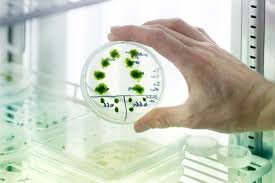
Ph.D. in Genetics & Plant Breeding
Ph.D. in Genetics and Plant Breeding typically spans 3 - 5 years, focusing on advanced research in the genetic improvement of crops. The program covers various aspects, including molecul...
Ph.D. in Genetics & Plant Breeding
×Ph.D. in Genetics and Plant Breeding typically spans 3 - 5 years, focusing on advanced research in the genetic improvement of crops. The program covers various aspects, including molecular genetics, genomics, and biotechnological applications, aiming to enhance traits such as yield, disease resistance, and environmental adaptability. Students engage in hands-on research, often involving field trials and laboratory experiments. Coursework may include statistics, bioinformatics, and plant physiology. Graduates are equipped for careers in academia, industry, or government, contributing to sustainable agriculture and food security through innovative breeding strategies and genetic research.
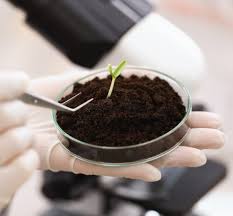
Ph.D. in Agriculture-Soil Science
Ph.D. in Agriculture with a specialization in Soil Science typically requires 3 to 5 years of study beyond a master's degree. This program focuses on advanced research in soil chemistry,...
Ph.D. in Agriculture-Soil Science
×Ph.D. in Agriculture with a specialization in Soil Science typically requires 3 to 5 years of study beyond a master's degree. This program focuses on advanced research in soil chemistry, microbiology, fertility, and conservation, preparing students to address critical agricultural challenges. Candidates engage in fieldwork and laboratory experiments to study soil properties, analyze nutrient management practices, and explore sustainable agricultural systems. The program culminates in a dissertation based on original research that contributes to the scientific understanding of soil ecosystems and their role in agricultural productivity. Graduates often pursue careers in academia, research institutions, or agricultural consultancy.
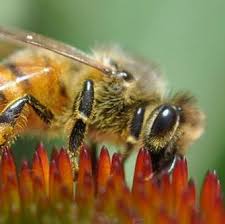
Ph.D. in Entomology & Apiculture
Ph.D. in Entomology & Apiculture typically spans 3-5 years and focuses on the study of insects, their biology, behavior, ecology, and their role in agriculture and the environment. S...
Ph.D. in Entomology & Apiculture
×Ph.D. in Entomology & Apiculture typically spans 3-5 years and focuses on the study of insects, their biology, behavior, ecology, and their role in agriculture and the environment. Students engage in advanced research related to insect physiology, pest management, pollination biology, and the significance of bees and other pollinators in food production. The program often includes coursework in entomological techniques, genetics, and ecological principles, alongside hands-on research in laboratory and field settings. Graduates are well-prepared for careers in academia, government agencies, agricultural industries, and environmental organizations, addressing critical issues related to insect populations and biodiversity.
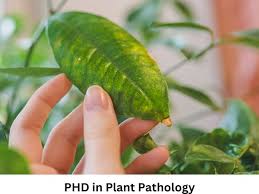
Ph.D. in Plant Pathology
Ph.D. in Plant Pathology normally lasts 3-5 years and focuses on the study of plant diseases caused by pathogens such as fungi, bacteria, viruses, and nematodes. The program combines intense i...
Ph.D. in Plant Pathology
×Ph.D. in Plant Pathology normally lasts 3-5 years and focuses on the study of plant diseases caused by pathogens such as fungi, bacteria, viruses, and nematodes. The program combines intense instruction in plant biology, microbiology, and disease management with extensive research. Candidates carry out innovative research to investigate disease resistance mechanisms, pathogen biology, and management techniques. The curriculum culminates with a dissertation based on research findings. Graduates frequently work in academia, research organizations, government agencies, or the agricultural industry, helping to promote crop protection, sustainable agriculture, and food security.
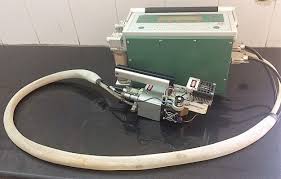
Ph.D. in Plant Physiology
Ph.D. in Plant Physiology typically requires 3 - 5 years of study and research following a master's degree in a related field, such as biology, botany, or agricultural science. This progra...
Ph.D. in Plant Physiology
×Ph.D. in Plant Physiology typically requires 3 - 5 years of study and research following a master's degree in a related field, such as biology, botany, or agricultural science. This program focuses on the physiological processes of plants, including growth, metabolism, and responses to environmental factors. Students engage in advanced coursework, laboratory experiments, and field studies to investigate plant functions and adaptations. Research may cover topics such as photosynthesis, water relations, nutrient uptake, and plant stress responses. Graduates often pursue careers in academia, research institutions, or the agricultural industry, contributing to advancements in crop production and environmental sustainability.
Ph.D. in Molecular Biology
Ph.D. in Molecular Biology typically spans 4 - 6 years, encompassing advanced coursework, comprehensive exams, and original research. This program delves into the molecular mechanisms of biolo...
Ph.D. in Molecular Biology
×Ph.D. in Molecular Biology typically spans 4 - 6 years, encompassing advanced coursework, comprehensive exams, and original research. This program delves into the molecular mechanisms of biological processes, including DNA replication, gene expression, and protein synthesis. Students engage in hands-on laboratory work, utilizing techniques such as PCR, sequencing, and CRISPR to investigate cellular functions and disease mechanisms. Collaboration with interdisciplinary teams is common, fostering a broader understanding of the field. Graduates often pursue careers in academia, biotechnology, pharmaceuticals, or healthcare, contributing to advancements in genetic research, therapeutic development, and innovative biotechnological solutions.
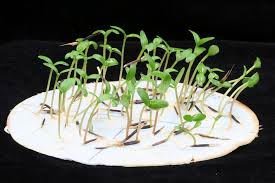
Ph.D. in Seed Science and Technology
Ph.D. in Seed Science and Technology is a research-intensive graduate degree that takes about 4-6 years to accomplish. The curriculum is centered on the scientific study of seeds, including their b...
Ph.D. in Seed Science and Technology
×Ph.D. in Seed Science and Technology is a research-intensive graduate degree that takes about 4-6 years to accomplish. The curriculum is centered on the scientific study of seeds, including their biology, production, processing, storage, and distribution. Coursework focuses on seed physiology, genetics, pathology, and biotechnology, while dissertation research permits students to contribute innovatively. Graduates may work in academia, government, or the corporate sector as researchers, educators, or consultants in fields such as agricultural development, seed production, and food security.
Ph.D. in Agricultural Economics
Ph.D. in Agricultural Economics usually takes 4-5 years to complete. The curriculum offers extensive instruction in applying economic theory and quantitative approaches to food and agricultura...
Ph.D. in Agricultural Economics
×Ph.D. in Agricultural Economics usually takes 4-5 years to complete. The curriculum offers extensive instruction in applying economic theory and quantitative approaches to food and agricultural challenges. Core courses include microeconomic theory, econometrics, and agricultural policy. Graduates are equipped to work in academia, government, agribusiness, and consulting, among other fields. The curriculum emphasizes hands-on research, with many students co-authoring publications alongside teachers. Admission is tough, frequently necessitating high academic qualifications and GRE scores. Assistantships and funding possibilities are available to help students in their studies.
Ph.D. in Agricultural Extension Education
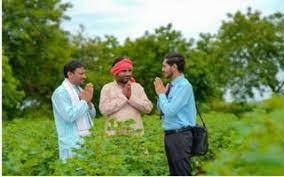
Ph.D. in Agricultural Extension Education is a doctoral degree that focuses on the theory and practice of delivering agricultural knowledge and technologies to farmers and rural communities. The pr...
Ph.D. in Agricultural Extension Education
×Ph.D. in Agricultural Extension Education is a doctoral degree that focuses on the theory and practice of delivering agricultural knowledge and technologies to farmers and rural communities. The program typically takes 4-5 years to complete and involves coursework in agricultural sciences, adult education, communication, and program evaluation. Graduates are prepared for careers in agricultural extension services, university teaching and research, and international development organizations. The degree emphasizes developing expertise in translating scientific advancements into practical applications that improve agricultural productivity and food security.
Ph.D. in Agriculture Business Management
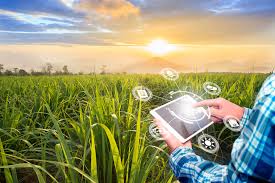
Ph.D. in Agriculture Business Management is a doctoral degree that typically takes 4-6 years to complete. The program focuses on developing advanced expertise in the business and management aspects...
Ph.D. in Agriculture Business Management
×Ph.D. in Agriculture Business Management is a doctoral degree that typically takes 4-6 years to complete. The program focuses on developing advanced expertise in the business and management aspects of the agricultural industry. Coursework covers topics such as agricultural economics, supply chain management, marketing, policy, and entrepreneurship. Students conduct original research and complete a dissertation to make a novel contribution to the field. Graduates are prepared for leadership roles in agricultural businesses, government agencies, research institutions, or academia. The degree equips them with high-level analytical, problem-solving, and decision-making skills applicable to the unique challenges and opportunities in the agricultural sector.

Ph.D. in Processing and Food Engineering
Ph.D. in Processing and Food Engineering typically takes 4-6 years to complete. The program focuses on advanced studies in food processing technologies, food safety, quality control, and the develo...
Ph.D. in Processing and Food Engineering
×Ph.D. in Processing and Food Engineering typically takes 4-6 years to complete. The program focuses on advanced studies in food processing technologies, food safety, quality control, and the development of innovative food products. Coursework covers topics such as food engineering principles, unit operations, food chemistry, and food microbiology. Students conduct original research in areas like food processing equipment design, food preservation techniques, and the optimization of food manufacturing processes. Graduates of this interdisciplinary program are prepared for research, development, and leadership roles in the food industry, as well as academic positions in food science and engineering departments.

Ph.D. in Human Development and Family Studies
The Ph.D. in Human Development and Family Studies typically spans 3-5 years, focusing on advanced research in human development across the lifespan and family dynamics. This program delves into dev...
Ph.D. in Human Development and Family Studies
×The Ph.D. in Human Development and Family Studies typically spans 3-5 years, focusing on advanced research in human development across the lifespan and family dynamics. This program delves into developmental psychology, family relations, policy analysis, and the socio-cultural factors affecting individuals and families. Students explore diverse methodologies, engage in original research, and contribute to the field with a dissertation. Graduates are prepared for academic, research, and policy-making roles, addressing issues like child development, aging, family counseling, and social welfare. Prerequisites often include a master's in a related field, along with research experience, to support rigorous academic training and specialized expertise.

Ph.D. in Resource Management and Consumer Science
Ph.D. in Resource Management and Consumer Science typically spans 3-5 years and is designed for those interested in advanced research on the efficient use of resources and understanding consumer be...
Ph.D. in Resource Management and Consumer Science
×Ph.D. in Resource Management and Consumer Science typically spans 3-5 years and is designed for those interested in advanced research on the efficient use of resources and understanding consumer behavior. This interdisciplinary program combines elements of economics, psychology, and environmental science to address issues related to resource allocation, sustainability, and consumer decision-making. Students conduct in-depth research, often culminating in a dissertation that addresses real-world problems, such as sustainable practices, financial literacy, or health and wellness management. Graduates are well-prepared for academic, research, and policy-making roles in industries focusing on sustainable resource management, consumer advocacy, and public policy.
Ph.D. in Nanobiotechnology
Ph.D. in Nanobiotechnology typically spans 3 - 5 years and combines the principles of nanotechnology and biotechnology to explore innovative solutions for biomedical applications. This i...
Ph.D. in Nanobiotechnology
×Ph.D. in Nanobiotechnology typically spans 3 - 5 years and combines the principles of nanotechnology and biotechnology to explore innovative solutions for biomedical applications. This interdisciplinary program covers areas such as nanoscale materials, drug delivery systems, biosensors, and biomolecular engineering. Students engage in cutting-edge research, utilizing techniques like nanofabrication, imaging, and molecular biology. Coursework may include advanced topics in nanotechnology, molecular biology, and bioinformatics, alongside hands-on laboratory work. Graduates are prepared for careers in academia, research institutions, and industry sectors focused on pharmaceuticals, diagnostics, and environmental applications, contributing to advancements in healthcare and materials science.
Ph.D. in Botany
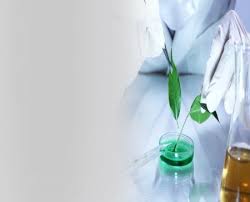
Ph.D. in Botany usually takes 3-5 years and focuses on advanced study in plant biology, ecology, and conservation. The program includes intensive courses in plant physiology, taxonomy, molecul...
Ph.D. in Botany
×Ph.D. in Botany usually takes 3-5 years and focuses on advanced study in plant biology, ecology, and conservation. The program includes intensive courses in plant physiology, taxonomy, molecular biology, and environmental science. Students are expected to do unique research, culminating in a dissertation that advances the area of botany. Fieldwork, laboratory experiments, and interdisciplinary team cooperation are common components of the program. Graduates work in academia, research institutions, environmental agencies, and industries associated with agriculture, horticulture, and biodiversity conservation, bringing vital information to plant science and ecosystem management.
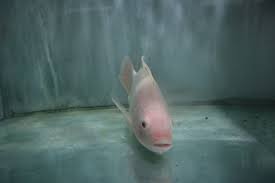
Ph.D. in Aquaculture
Ph.D. in Aquaculture typically spans 3 - 5 years and focuses on advanced studies in fish and shellfish production, aquatic ecosystem management, and sustainable practices. The program involves...
Ph.D. in Aquaculture
×Ph.D. in Aquaculture typically spans 3 - 5 years and focuses on advanced studies in fish and shellfish production, aquatic ecosystem management, and sustainable practices. The program involves rigorous research methodologies, with an emphasis on breeding, nutrition, health management, and environmental impact assessments of aquaculture systems. Students may engage in field studies, laboratory experiments, and data analysis to address challenges in the industry. Coursework often includes subjects like aquatic biology, resource management, and biotechnology. Graduates are prepared for careers in academia, research, government agencies, and the private sector, contributing to the advancement of sustainable aquaculture practices.

Ph.D. in Statistics
Ph.D. in Statistics typically spans 4 - 6 years and involves advanced coursework in statistical theory, methodology, and application. The program often includes courses in multivariate analysi...
Ph.D. in Statistics
×Ph.D. in Statistics typically spans 4 - 6 years and involves advanced coursework in statistical theory, methodology, and application. The program often includes courses in multivariate analysis, Bayesian statistics, statistical modeling, and data mining. Students are expected to conduct original research, culminating in a dissertation that contributes new knowledge to the field. Ph.D. candidates may also participate in teaching and mentoring undergraduate students. Admission usually requires a strong background in mathematics and statistics, along with GRE scores and letters of recommendation. Graduates often pursue careers in academia, industry, or government, focusing on data analysis, research, and statistical consulting.
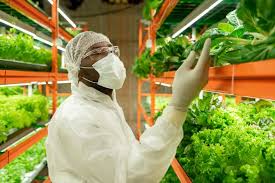
Ph.D. in Horticulture
Ph.D. in Horticulture is a graduate research degree that focuses on the science of plant cultivation, breeding, and crop management. The curriculum typically lasts 3-5 years and involves training i...
Ph.D. in Horticulture
×Ph.D. in Horticulture is a graduate research degree that focuses on the science of plant cultivation, breeding, and crop management. The curriculum typically lasts 3-5 years and involves training in plant physiology, soil science, pest management, plant genetics, and agricultural production techniques, followed by original research. Students investigate topics like fruit and vegetable production, plant biotechnology, sustainable agriculture, and landscape management. The program focuses on horticulture innovation to improve agricultural yields, quality, and sustainability. Graduates frequently work in academia, research institutions, agricultural companies, or environmental organizations, helping to promote food production, environmental sustainability, and plant science.
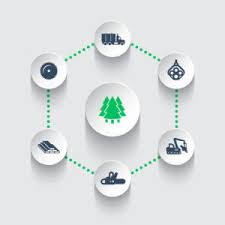
Ph.D. in Forestry
Ph.D. in Forestry typically spans 3 - 5 years and focuses on advanced research in areas such as forest ecology, management, conservation, and sustainable practices. The program combines theore...
Ph.D. in Forestry
×Ph.D. in Forestry typically spans 3 - 5 years and focuses on advanced research in areas such as forest ecology, management, conservation, and sustainable practices. The program combines theoretical knowledge with practical application, emphasizing the importance of forests in biodiversity, climate change mitigation, and resource management. Students engage in fieldwork, laboratory research, and data analysis, contributing to scientific literature and environmental policy. Coursework may include subjects like forest genetics, ecosystem modeling, and agroforestry. Graduates often pursue careers in academia, government agencies, non-profits, and private sector organizations, addressing global forestry challenges and promoting sustainable land use practices.
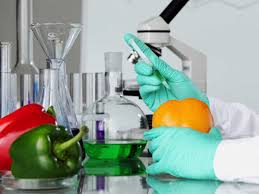
Ph.D. in Food Science Technology and Processing
Ph.D. in Food Science Technology and Processing normally takes 3-5 years to complete, emphasizing advanced research in food composition, processing technologies, and safety. Students stu...
Ph.D. in Food Science Technology and Processing
×Ph.D. in Food Science Technology and Processing normally takes 3-5 years to complete, emphasizing advanced research in food composition, processing technologies, and safety. Students study food chemistry, microbiology, engineering, and creative preservation techniques. The curriculum includes coursework, laboratory research, and a dissertation assignment. Candidates frequently research cutting-edge topics such as functional foods, nanotechnology in food systems, and sustainable processing methods. This degree prepares students for leadership positions in academia, research organizations, or the food business, where they can help develop new food items, improve food safety, and advance processing technology. Admission typically requires a suitable master's degree and research experience.
Ph.D. in Nematology
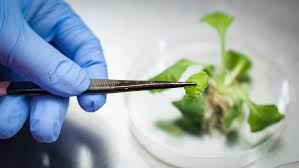
Ph.D. in Nematology is a research-focused doctoral program that involves the study of nematodes (roundworms) and their impact on agriculture, human health, and the environment. The course covers ad...
Ph.D. in Nematology
×Ph.D. in Nematology is a research-focused doctoral program that involves the study of nematodes (roundworms) and their impact on agriculture, human health, and the environment. The course covers advanced topics such as nematode biology, taxonomy, ecology, physiology, and their role in plant diseases, as well as nematode management strategies. Students also explore nematode-based biotechnology and ecological interactions. The program typically spans 3-5 years, depending on the research progress. Admission usually requires a Master's degree in a related field, and students must conduct original research, culminating in a dissertation that contributes to the scientific understanding of nematology.
Ph.D. in Agricultural Meteorology
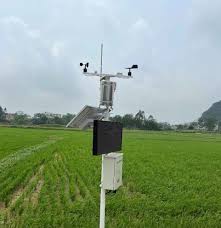
Ph.D. in Agricultural Meteorology is a research-based doctoral program that focuses on the study of weather patterns, climate, and their impact on agricultural systems. The program typically spans...
Ph.D. in Agricultural Meteorology
×Ph.D. in Agricultural Meteorology is a research-based doctoral program that focuses on the study of weather patterns, climate, and their impact on agricultural systems. The program typically spans 3 - 5 years and involves advanced study and research in areas such as crop modeling, climate change, weather forecasting, soil-water relationships, and pest management. Students are trained in statistical methods, remote sensing technologies, and meteorological instruments, aiming to enhance agricultural productivity while mitigating climate-related challenges. Graduates contribute to the development of sustainable agricultural practices, improving crop resilience and optimizing farming practices in the face of climate variability.
Ph.D. in Vegetable Science
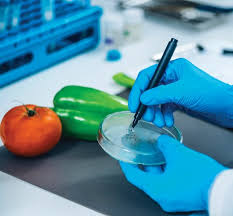
Ph.D. in Vegetable Science is a research-focused program designed to develop advanced knowledge and expertise in the cultivation, production, and improvement of vegetables. The course covers areas...
Ph.D. in Vegetable Science
×Ph.D. in Vegetable Science is a research-focused program designed to develop advanced knowledge and expertise in the cultivation, production, and improvement of vegetables. The course covers areas such as plant breeding, pest management, crop physiology, soil health, and sustainable agricultural practices. Students engage in original research to address global challenges in food security, nutrition, and climate-resilient agriculture. The program typically spans 3 - 5 years and involves coursework, fieldwork, and dissertation research. Graduates are equipped for careers in academia, research institutions, government agencies, and the agricultural industry, contributing to the advancement of vegetable science and sustainable farming practices.

Ph.D. in Instrumentation Engineering
Ph.D. in Instrumentation Engineering is an advanced research degree typically lasting 3-5 years, focusing on the design, development, and application of measurement and control systems. This progra...
Ph.D. in Instrumentation Engineering
×Ph.D. in Instrumentation Engineering is an advanced research degree typically lasting 3-5 years, focusing on the design, development, and application of measurement and control systems. This program combines principles from electrical, mechanical, and computer engineering to create innovative instrumentation solutions. Students engage in cutting-edge research, developing expertise in areas such as sensor technology, signal processing, data acquisition, and automation. The curriculum includes advanced coursework, seminars, and a substantial original research project culminating in a doctoral dissertation. Graduates are prepared for leadership roles in academia, research institutions, and high-tech industries, contributing to advancements in fields like aerospace, healthcare, and industrial automation.
Ph.D. in Renewable and Bio-energy Engineering
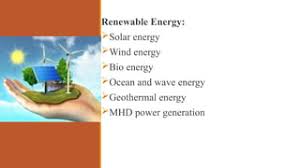
Ph.D. in Renewable and Bio-energy Engineering concentrates on the development and optimization of renewable energy technologies, particularly bioenergy solutions, to meet global energy and environm...
Ph.D. in Renewable and Bio-energy Engineering
×Ph.D. in Renewable and Bio-energy Engineering concentrates on the development and optimization of renewable energy technologies, particularly bioenergy solutions, to meet global energy and environmental concerns. The program typically lasts 3 to 5 years and includes training in renewable energy systems, biofuels, thermodynamics, environmental engineering, and energy storage, as well as original research. Students study biomass conversion, algae-based biofuels, waste-to-energy technologies, and renewable energy systems. Research may include the development of innovative bioenergy technologies, optimization of energy production, and assessment of bioenergy's environmental and economic implications. Graduates are prepared to work in academia, research institutes, energy firms, and government agencies, contributing to advances in sustainable energy and climate change mitigation.

Ph.D. in Soil And Water Engineering
Ph.D. in Soil And Water Engineering, where we bridge the gap between formal education and practical skills acquisition...

Ph.D. in Agricultural Biotechnology
Ph.D. in Agricultural Biotechnology concentrates on the use of biotechnology in agriculture to increase crop output, insect resistance, and sustainability. The program typically lasts 3 to 5 years...
Ph.D. in Agricultural Biotechnology
×Ph.D. in Agricultural Biotechnology concentrates on the use of biotechnology in agriculture to increase crop output, insect resistance, and sustainability. The program typically lasts 3 to 5 years and includes instruction in molecular biology, genetics, plant science, and bioengineering as well as extensive research. Students learn about genetic modification, crop improvement, molecular markers, biofertilizers, and biopesticides. Climate change resistance, sustainable farming techniques, and the production of genetically engineered organisms (GMO) for food security are all potential research topics. Graduates are prepared to work in academia, research institutes, agricultural industries, or government, helping to advance sustainable agriculture and food production.

Ph.D. in Computational Biology
Ph.D. in Computational Biology focuses on using computational techniques and mathematical models to understand biological systems and processes. Typically lasting 3 to 5 years, the program co...
Ph.D. in Computational Biology
×Ph.D. in Computational Biology focuses on using computational techniques and mathematical models to understand biological systems and processes. Typically lasting 3 to 5 years, the program combines coursework in bioinformatics, algorithms, systems biology, and data science with original research. Students explore topics such as protein structure prediction, genomics, molecular modeling, and computational drug design. Research may also include the analysis of large biological datasets, disease modeling, and the development of machine learning techniques to interpret biological data. Graduates are prepared for careers in academia, biotechnology, pharmaceuticals, and healthcare, contributing to advancements in personalized medicine, drug discovery, and the understanding of complex biological systems.

Ph.D. in Aquatic Animal Health Management
Ph.D. in Aquatic Animal Health Management investigates illnesses, infections, and health management strategies in aquatic animals such as fish, shellfish, and other marine organisms. The prog...
Ph.D. in Aquatic Animal Health Management
× Ph.D. in Aquatic Animal Health Management investigates illnesses, infections, and health management strategies in aquatic animals such as fish, shellfish, and other marine organisms. The program typically lasts 3 to 5 years and includes training in aquatic biology, microbiology, immunology, and veterinary sciences as well as extensive research. Students learn about disease diagnostics, epidemiology, biosecurity measures, sustainable aquaculture methods, and the effect of environmental factors on aquatic animal health. Emerging diseases, treatment options, and vaccine or pharmaceutical development are all possible topics of research. Graduates are equipped to work in academia, research institutes, aquaculture, and government organizations, helping to improve health management and disease prevention in aquatic animal populations.
Ph.D. in Aquatic Environment Management
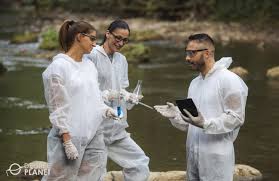
Ph.D. in Aquatic Environment Management focuses on the long-term management and protection of aquatic ecosystems, including freshwater and marine. The curriculum typically lasts 3 to 5 years...
Ph.D. in Aquatic Environment Management
× Ph.D. in Aquatic Environment Management focuses on the long-term management and protection of aquatic ecosystems, including freshwater and marine. The curriculum typically lasts 3 to 5 years and includes coursework in environmental science, ecology, water resource management, and environmental policy, as well as original research. Students learn about water quality management, aquatic biodiversity protection, the effects of climate change on aquatic systems, and how to use marine and freshwater resources sustainably. Pollution control measures, habitat restoration, and ecosystem services may all be developed through research. Graduates are equipped for positions in academia, government agencies, environmental non-governmental organizations (NGOs), or industries that deal with water resources and environmental protection.
Ph.D. in Fish Engineering
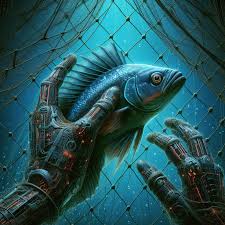
Ph.D. in Fish Engineering focuses on designing, developing, and optimizing technology for the fishing and aquaculture industries. The program, which typically lasts 3 to 5 years, includes tra...
Ph.D. in Fish Engineering
×Ph.D. in Fish Engineering focuses on designing, developing, and optimizing technology for the fishing and aquaculture industries. The program, which typically lasts 3 to 5 years, includes training in mechanical engineering, marine biology, aquatic systems, and environmental sustainability as well as extensive research. Students learn about fish harvesting techniques, sustainable fishing gear, aquaculture infrastructure, and automated fish processing. Research may also include the creation of environmentally friendly technologies for fish farms, underwater robotics, and fisheries operations. Graduates are qualified to work in academia, research institutions, fisheries engineering, or developing advanced technology for the aquaculture and fishing industries.
Ph.D. in Fish Processing Technology
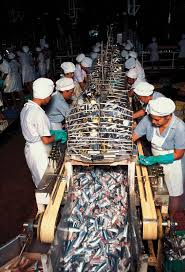
Ph.D. in Fish Processing Technology examines the scientific and technological aspects of fish preservation, processing, and value-added products. The program typically lasts 3 to 5 years and integr...
Ph.D. in Fish Processing Technology
×Ph.D. in Fish Processing Technology examines the scientific and technological aspects of fish preservation, processing, and value-added products. The program typically lasts 3 to 5 years and integrates instruction in food science, biochemistry, microbiology, and aquaculture with original research. Students learn about fish preservation methods (freezing, drying, canning), processing processes, quality control, and the creation of novel products such as seafood-based functional foods. Research may also focus on sustainability in the fish processing business, waste management, and food safety. Graduates are prepared to work in academia, research institutions, the food industry, or government, contributing to advances in seafood production, processing, and technology.
Ph.D. in Fisheries Resource Management
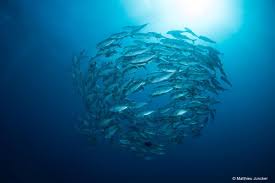
Ph.D. in Fisheries Resource Management focuses on the sustainable management and conservation of fishery resources by combining ecological concepts with resource economics and policy. The pro...
Ph.D. in Fisheries Resource Management
× Ph.D. in Fisheries Resource Management focuses on the sustainable management and conservation of fishery resources by combining ecological concepts with resource economics and policy. The program typically lasts 3 to 5 years and includes instruction in aquatic ecology, marine biology, resource economics, and environmental management, as well as extensive research. Students study fish population dynamics, habitat management, fisheries conservation, and the effects of climate change on aquatic ecosystems. Research may include the development of sustainable fishing practices, fisheries policy, and biodiversity conservation. Graduates are equipped for positions in government agencies, research institutions, non-governmental organizations (NGOs), or the commercial sector that promote sustainable fisheries management and conservation.

Ph.D. in Apparel and Textile Science
Ph.D. in garment and Textile Science emphasizes on textile and garment research and development, with a focus on materials, design, technology, and sustainability. The program typically...
Ph.D. in Apparel and Textile Science
×Ph.D. in garment and Textile Science emphasizes on textile and garment research and development, with a focus on materials, design, technology, and sustainability. The program typically lasts 3 to 5 years and includes training in textile engineering, fashion design, textile chemistry, and product development, as well as extensive research. Students learn about fabric qualities, textile manufacturing techniques, sustainable materials, and fashion consumer behavior. Innovative textile technologies, smart fabrics, and sustainable production processes may all be the focus of research. Graduates are prepared to work in academia, research, or the textile and fashion sectors, helping to promote textile design, material science, and sustainable fashion practices.