PhD in Agronomy normally takes 3-5 years to complete, with a concentration on advanced crop science, soil management, and sustainable agriculture techniques. This doctoral program requires a master's degree in a comparable discipline and consists of coursework, comprehensive exams, and an original dissertation. Students study plant genetics, soil chemistry, precision agriculture, and climate-resilient farming approaches. The curriculum frequently incorporates fieldwork, laboratory research, and partnerships with agricultural industries. Graduates get opportunities in academia, research institutions, government organizations, or the commercial sector, where they can help improve agricultural yields, develop sustainable farming methods, and address global food security issues.
.png)
Dr. Punjabrao Deshmukh Krishi Vidyapeeth
Dr. Punjabrao Deshmukh Krishi Vidyapeeth Admission Open
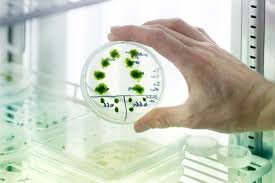
Ph.D. in Genetics & Plant Breeding
Ph.D. in Genetics and Plant Breeding typically spans 3 - 5 years, focusing on advanced research in the genetic improvement of crops. The program covers various aspects, including molecul...
Ph.D. in Genetics & Plant Breeding
×Ph.D. in Genetics and Plant Breeding typically spans 3 - 5 years, focusing on advanced research in the genetic improvement of crops. The program covers various aspects, including molecular genetics, genomics, and biotechnological applications, aiming to enhance traits such as yield, disease resistance, and environmental adaptability. Students engage in hands-on research, often involving field trials and laboratory experiments. Coursework may include statistics, bioinformatics, and plant physiology. Graduates are equipped for careers in academia, industry, or government, contributing to sustainable agriculture and food security through innovative breeding strategies and genetic research.
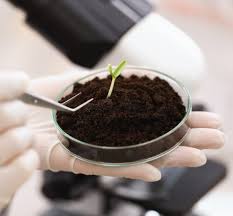
Ph.D. in Agriculture-Soil Science
Ph.D. in Agriculture with a specialization in Soil Science typically requires 3 to 5 years of study beyond a master's degree. This program focuses on advanced research in soil chemistry,...
Ph.D. in Agriculture-Soil Science
×Ph.D. in Agriculture with a specialization in Soil Science typically requires 3 to 5 years of study beyond a master's degree. This program focuses on advanced research in soil chemistry, microbiology, fertility, and conservation, preparing students to address critical agricultural challenges. Candidates engage in fieldwork and laboratory experiments to study soil properties, analyze nutrient management practices, and explore sustainable agricultural systems. The program culminates in a dissertation based on original research that contributes to the scientific understanding of soil ecosystems and their role in agricultural productivity. Graduates often pursue careers in academia, research institutions, or agricultural consultancy.
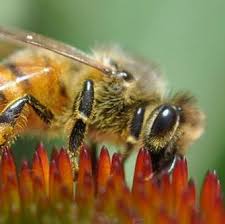
Ph.D. in Entomology & Apiculture
Ph.D. in Entomology & Apiculture typically spans 3-5 years and focuses on the study of insects, their biology, behavior, ecology, and their role in agriculture and the environment. S...
Ph.D. in Entomology & Apiculture
×Ph.D. in Entomology & Apiculture typically spans 3-5 years and focuses on the study of insects, their biology, behavior, ecology, and their role in agriculture and the environment. Students engage in advanced research related to insect physiology, pest management, pollination biology, and the significance of bees and other pollinators in food production. The program often includes coursework in entomological techniques, genetics, and ecological principles, alongside hands-on research in laboratory and field settings. Graduates are well-prepared for careers in academia, government agencies, agricultural industries, and environmental organizations, addressing critical issues related to insect populations and biodiversity.
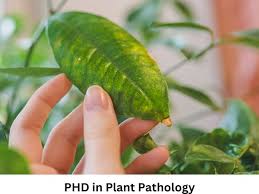
Ph.D. in Plant Pathology
Ph.D. in Plant Pathology normally lasts 3-5 years and focuses on the study of plant diseases caused by pathogens such as fungi, bacteria, viruses, and nematodes. The program combines intense i...
Ph.D. in Plant Pathology
×Ph.D. in Plant Pathology normally lasts 3-5 years and focuses on the study of plant diseases caused by pathogens such as fungi, bacteria, viruses, and nematodes. The program combines intense instruction in plant biology, microbiology, and disease management with extensive research. Candidates carry out innovative research to investigate disease resistance mechanisms, pathogen biology, and management techniques. The curriculum culminates with a dissertation based on research findings. Graduates frequently work in academia, research organizations, government agencies, or the agricultural industry, helping to promote crop protection, sustainable agriculture, and food security.
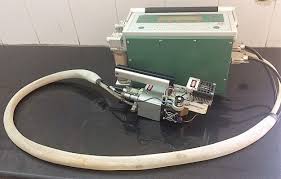
Ph.D. in Plant Physiology
Ph.D. in Plant Physiology typically requires 3 - 5 years of study and research following a master's degree in a related field, such as biology, botany, or agricultural science. This progra...
Ph.D. in Plant Physiology
×Ph.D. in Plant Physiology typically requires 3 - 5 years of study and research following a master's degree in a related field, such as biology, botany, or agricultural science. This program focuses on the physiological processes of plants, including growth, metabolism, and responses to environmental factors. Students engage in advanced coursework, laboratory experiments, and field studies to investigate plant functions and adaptations. Research may cover topics such as photosynthesis, water relations, nutrient uptake, and plant stress responses. Graduates often pursue careers in academia, research institutions, or the agricultural industry, contributing to advancements in crop production and environmental sustainability.
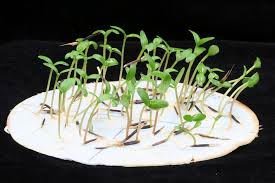
Ph.D. in Seed Science and Technology
Ph.D. in Seed Science and Technology is a research-intensive graduate degree that takes about 4-6 years to accomplish. The curriculum is centered on the scientific study of seeds, including their b...
Ph.D. in Seed Science and Technology
×Ph.D. in Seed Science and Technology is a research-intensive graduate degree that takes about 4-6 years to accomplish. The curriculum is centered on the scientific study of seeds, including their biology, production, processing, storage, and distribution. Coursework focuses on seed physiology, genetics, pathology, and biotechnology, while dissertation research permits students to contribute innovatively. Graduates may work in academia, government, or the corporate sector as researchers, educators, or consultants in fields such as agricultural development, seed production, and food security.
Ph.D. in Agricultural Economics
Ph.D. in Agricultural Economics usually takes 4-5 years to complete. The curriculum offers extensive instruction in applying economic theory and quantitative approaches to food and agricultura...
Ph.D. in Agricultural Economics
×Ph.D. in Agricultural Economics usually takes 4-5 years to complete. The curriculum offers extensive instruction in applying economic theory and quantitative approaches to food and agricultural challenges. Core courses include microeconomic theory, econometrics, and agricultural policy. Graduates are equipped to work in academia, government, agribusiness, and consulting, among other fields. The curriculum emphasizes hands-on research, with many students co-authoring publications alongside teachers. Admission is tough, frequently necessitating high academic qualifications and GRE scores. Assistantships and funding possibilities are available to help students in their studies.
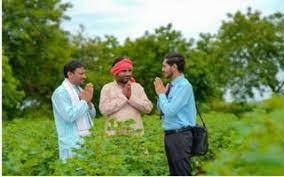
Ph.D. in Agricultural Extension Education
Ph.D. in Agricultural Extension Education is a doctoral degree that focuses on the theory and practice of delivering agricultural knowledge and technologies to farmers and rural communities. The pr...
Ph.D. in Agricultural Extension Education
×Ph.D. in Agricultural Extension Education is a doctoral degree that focuses on the theory and practice of delivering agricultural knowledge and technologies to farmers and rural communities. The program typically takes 4-5 years to complete and involves coursework in agricultural sciences, adult education, communication, and program evaluation. Graduates are prepared for careers in agricultural extension services, university teaching and research, and international development organizations. The degree emphasizes developing expertise in translating scientific advancements into practical applications that improve agricultural productivity and food security.

Ph.D. in Farm Machinery and Power Engineering
Ph.D. in Farm Machinery and Power Engineering is a 3-year doctoral program offered by the Tamil Nadu Agricultural University in Coimbatore, India. The program provides advanced training in agricult...
Ph.D. in Farm Machinery and Power Engineering
×Ph.D. in Farm Machinery and Power Engineering is a 3-year doctoral program offered by the Tamil Nadu Agricultural University in Coimbatore, India. The program provides advanced training in agricultural mechanization, farm implement design, and precision farming. Students complete coursework in the first year followed by thesis research. Graduates can pursue careers in agricultural research, government agricultural engineering departments, farm machinery companies, and entrepreneurship. The program aims to develop skilled manpower and promote collaborative research in the field of farm machinery and power engineering.
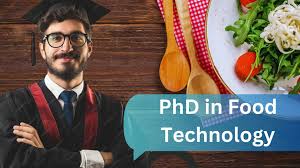
Ph.D. in Processing and Food Engineering
Ph.D. in Processing and Food Engineering typically takes 4-6 years to complete. The program focuses on advanced studies in food processing technologies, food safety, quality control, and the develo...
Ph.D. in Processing and Food Engineering
×Ph.D. in Processing and Food Engineering typically takes 4-6 years to complete. The program focuses on advanced studies in food processing technologies, food safety, quality control, and the development of innovative food products. Coursework covers topics such as food engineering principles, unit operations, food chemistry, and food microbiology. Students conduct original research in areas like food processing equipment design, food preservation techniques, and the optimization of food manufacturing processes. Graduates of this interdisciplinary program are prepared for research, development, and leadership roles in the food industry, as well as academic positions in food science and engineering departments.
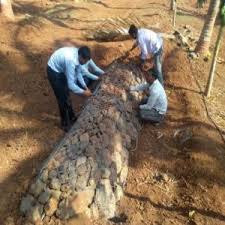
Ph.D. in Soil and Water Conservation Engineering
Ph.D. in Soil and Water Conservation Engineering is a 4-year postgraduate program that focuses on the sustainable management and conservation of soil and water resources. The curriculum cover...
Ph.D. in Soil and Water Conservation Engineering
×Ph.D. in Soil and Water Conservation Engineering is a 4-year postgraduate program that focuses on the sustainable management and conservation of soil and water resources. The curriculum covers topics such as erosion control, watershed management, land use planning, environmental impact assessment, and stormwater management. Graduates can pursue careers as soil and water conservation consultants, and researchers, or work in government agencies, NGOs, and environmental consulting firms. The demand for these professionals is growing due to increasing concerns about climate change, land degradation, and water scarcity. Admission typically requires a bachelor's degree and the completion of entrance exams like GATE or CUET-PG.
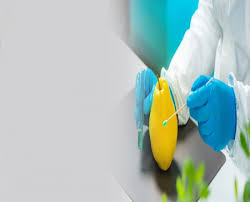
Ph.D. in Fruit Science
Ph.D. in Fruit Science is an advanced research-oriented program that focuses on the study of fruit crops, their cultivation, physiology, genetics, breeding, post-harvest management, and pest contro...
Ph.D. in Fruit Science
×Ph.D. in Fruit Science is an advanced research-oriented program that focuses on the study of fruit crops, their cultivation, physiology, genetics, breeding, post-harvest management, and pest control. The course aims to develop expertise in improving fruit production, quality, and sustainability through scientific research and technological innovations. Typically lasting 3-5 years, this program includes coursework, laboratory research, and field studies, with a strong emphasis on applied fruit science and agricultural advancements. Graduates can pursue careers in academia, research institutions, agricultural extension, and industry roles related to horticulture and fruit production management.
Ph.D. in Vegetable Science
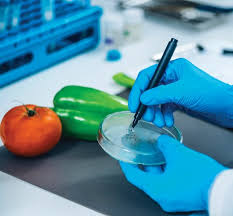
Ph.D. in Vegetable Science is a research-focused program designed to develop advanced knowledge and expertise in the cultivation, production, and improvement of vegetables. The course covers areas...
Ph.D. in Vegetable Science
×Ph.D. in Vegetable Science is a research-focused program designed to develop advanced knowledge and expertise in the cultivation, production, and improvement of vegetables. The course covers areas such as plant breeding, pest management, crop physiology, soil health, and sustainable agricultural practices. Students engage in original research to address global challenges in food security, nutrition, and climate-resilient agriculture. The program typically spans 3 - 5 years and involves coursework, fieldwork, and dissertation research. Graduates are equipped for careers in academia, research institutions, government agencies, and the agricultural industry, contributing to the advancement of vegetable science and sustainable farming practices.
Ph.D. in Floriculture & Landscaping
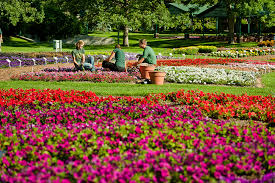
Ph.D. in Floriculture & Landscaping is a research-oriented program that focuses on the study of plant cultivation, landscape design, and environmental aesthetics. The course duration typically...
Ph.D. in Floriculture & Landscaping
×Ph.D. in Floriculture & Landscaping is a research-oriented program that focuses on the study of plant cultivation, landscape design, and environmental aesthetics. The course duration typically ranges from 3 - 5 years, depending on the university and research progress. It involves advanced study in topics such as plant breeding, soil science, pest management, landscape architecture, and sustainable gardening practices. Ph.D. candidates engage in extensive fieldwork and laboratory research to contribute to the development of innovative techniques in floriculture and landscaping. Graduates often pursue careers in academic research, environmental consultancy, horticulture, and landscape management.
Ph.D. in Renewable and Bio-energy Engineering
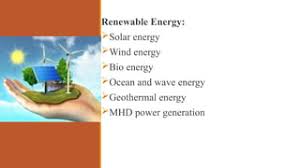
Ph.D. in Renewable and Bio-energy Engineering concentrates on the development and optimization of renewable energy technologies, particularly bioenergy solutions, to meet global energy and environm...
Ph.D. in Renewable and Bio-energy Engineering
×Ph.D. in Renewable and Bio-energy Engineering concentrates on the development and optimization of renewable energy technologies, particularly bioenergy solutions, to meet global energy and environmental concerns. The program typically lasts 3 to 5 years and includes training in renewable energy systems, biofuels, thermodynamics, environmental engineering, and energy storage, as well as original research. Students study biomass conversion, algae-based biofuels, waste-to-energy technologies, and renewable energy systems. Research may include the development of innovative bioenergy technologies, optimization of energy production, and assessment of bioenergy's environmental and economic implications. Graduates are prepared to work in academia, research institutes, energy firms, and government agencies, contributing to advances in sustainable energy and climate change mitigation.

Ph.D. in Veterinary And Animal Husbandry Extension Education
Ph.D. in Veterinary and Animal Husbandry Extension Education aims to improve the spread of information and best practices in veterinary care and animal husbandry in rural communities. The curriculu...
Ph.D. in Veterinary And Animal Husbandry Extension Education
×Ph.D. in Veterinary and Animal Husbandry Extension Education aims to improve the spread of information and best practices in veterinary care and animal husbandry in rural communities. The curriculum, which typically lasts 3-5 years, integrates courses in extension techniques, agricultural education, veterinary sciences, and rural development with field research. Students learn about animal health management, livestock production methods, community engagement, and the role of extension services in increasing agricultural output. Graduates are prepared for positions in academia, government agencies, non-governmental organizations (NGOs), and rural development groups, where they can help develop and implement successful teaching programs to promote sustainable animal husbandry methods.

Ph.D. in Agriculture Chemistry
The advanced study of chemical processes and interactions in agriculture, such as soil chemistry, fertilizers, insecticides, and plant development agents, is the emphasis of a Ph.D. program in agri...
Ph.D. in Agriculture Chemistry
×The advanced study of chemical processes and interactions in agriculture, such as soil chemistry, fertilizers, insecticides, and plant development agents, is the emphasis of a Ph.D. program in agricultural chemistry. The program, which usually lasts 3-5 years, entails a thorough investigation of the chemical makeup of soil, water, and plants, as well as how these factors affect crop productivity, sustainability, and environmental health. Through experimental research, students create novel chemical techniques to improve farming operations. Graduates can contribute to improvements in crop protection, sustainable farming, and the creation of environmentally friendly agricultural solutions by working as agricultural chemists, researchers, or educators.

Ph.D. in Post Harvest Technology
It normally takes 4 - 6 years to finish a Ph.D. in post-harvest technology. The program's main concentration is on the science and administration of agricultural goods subsequent harvest,...
Ph.D. in Post Harvest Technology
×It normally takes 4 - 6 years to finish a Ph.D. in post-harvest technology. The program's main concentration is on the science and administration of agricultural goods subsequent harvest, including procedures for processing, preservation, transportation, and storage. In order to maximize the quality, safety, and effectiveness of post-harvest activities, students acquire competence in fields such as food science, engineering, and supply chain logistics. Coursework, research, and doctoral dissertations on subjects including supply chain optimization, packaging innovations, and controlled environment storage are frequently incorporated in the curriculum. Graduates can work in supply chain management, quality assurance, food processing, or agricultural research.